
Heat Pump Hot Water Sunshine Coast: The Ultimate Guide to Systems
Here’s the continuation from where your draft cut off, keeping the same tone, structure and Installed Today positioning.
-
Properties with outdoor space for a tank
-
Customers wanting stored hot water without gas
-
Homes where condensate drainage can be managed properly
Gas hot water may suit:
-
Homes already connected to natural gas or LPG
-
Properties replacing an existing gas storage system
-
Properties replacing an existing instant gas system
-
Homes with suitable gas pipe sizing
-
Customers wanting compact wall-mounted hot water
-
Sites where heat pump airflow or drainage is difficult
Natural gas and LPG are not interchangeable. Any gas hot water system must match the property’s gas type and be installed by a licensed gas fitter.
Compare Gas Hot Water Systems and Instant Gas Hot Water Systems if gas remains the better fit for the home.
Heat pump hot water and rooftop solar on the Sunshine Coast
Heat pump hot water can work well with rooftop solar where the system is set up to heat during the day.
This can suit Sunshine Coast homes with:
-
Rooftop solar PV
-
Enough daytime solar generation
-
Suitable timer settings
-
A tank size that matches household use
-
Household demand that works with daytime heating
-
Electrical setup confirmed by a licensed electrician or installer
Do not assume every heat pump automatically uses solar power in the best way. Timer settings, tariff arrangements, wiring and household usage all matter.
Heat pump hot water and Queensland rebates
Heat pump hot water systems may be eligible for rebates, certificates or incentives depending on product, location, installer, scheme rules and installation pathway.
However, rebate and incentive rules can change.
Before relying on any rebate, check:
-
Current eligibility
-
Product eligibility
-
Installer requirements
-
State or territory rules
-
STC eligibility where relevant
-
Documentation requirements
-
Whether the quoted price includes an incentive
-
Whether the incentive is applied upfront or claimed later
-
Whether your old system type affects eligibility
Do not choose a heat pump only because of a rebate. It still needs to suit the Sunshine Coast property.
What size heat pump hot water system do you need?
Heat pump sizing depends on real household use.
As a general guide:
| Household | Heat pump sizing consideration |
|---|---|
| 1 to 2 people | Smaller or medium heat pump may suit if demand is low |
| 3 to 4 people | Medium to larger heat pump often compared |
| 5+ people | Larger tank and recovery performance need careful checking |
| High shower demand | Recovery time and boost mode matter |
| Homes with baths | Tank size should be assessed carefully |
| Airbnb or holiday homes | Size for maximum guest use, not average owner use |
The right size depends on:
-
Number of people
-
Number of bathrooms
-
Shower length
-
Bath use
-
Laundry use
-
Dishwasher use
-
Morning and evening peak demand
-
Timer settings
-
Solar timing
-
Recovery rate
-
Boost function
-
Future household changes
If your old hot water system regularly ran out, do not automatically replace it with the same capacity.
Heat pump hot water for 1 to 2 person homes
A small Sunshine Coast household may not need the largest heat pump available.
A smaller or medium heat pump may suit where:
-
One or two people live in the home
-
There is one bathroom
-
Shower use is moderate
-
Bath use is limited
-
Guests are uncommon
-
Outdoor airflow is suitable
-
Condensate drainage is available
-
Electrical setup suits the unit
However, do not undersize just to reduce upfront cost. Long showers, guest use or future household changes may justify a larger system.
Heat pump hot water for 3 to 4 person homes
Many 3 to 4 person homes compare medium to larger heat pump systems.
Before ordering, check:
-
Number of bathrooms
-
Back-to-back shower use
-
Shower length
-
Bath use
-
Laundry habits
-
Morning hot water demand
-
Evening hot water demand
-
Whether rooftop solar timing will be used
-
Whether boost mode is needed
-
Whether the installation location suits airflow and drainage
A family heat pump should be chosen around peak demand, not just average water use.
Heat pump hot water for larger families
Larger families need more careful sizing and recovery planning.
Consider:
-
Number of people
-
Number of bathrooms
-
Number of showers per day
-
Whether showers overlap
-
Bath use
-
Guest use
-
High-flow shower heads
-
Laundry demand
-
Recovery rate
-
Boost mode
-
Timer settings
-
Whether one tank is enough
For larger homes, installer confirmation is especially important before ordering supply only.
Heat pump hot water for Sunshine Coast rentals
Heat pumps can suit rental properties where the site is suitable and the system is easy for tenants to use.
Before choosing a heat pump for a rental property, check:
-
Number of bedrooms
-
Likely tenant occupancy
-
Number of bathrooms
-
Maintenance access
-
Noise placement
-
Drainage
-
Tenant instructions
-
Warranty requirements
-
System controls
-
Whether a simpler electric storage system may be more practical
Rental hot water should be sized for likely occupancy, not just the current tenant.
Heat pump hot water for Sunshine Coast Airbnb and holiday homes
Short-stay properties can have unpredictable hot water demand.
Before choosing a heat pump for an Airbnb or holiday rental, check:
-
Maximum guest count
-
Number of bathrooms
-
Back-to-back showers
-
Bath use
-
Laundry between bookings
-
Guest simplicity
-
Recovery rate
-
Boost mode
-
Noise near bedrooms
-
Service access
Undersizing can create guest complaints, especially during peak holiday periods.
Heat pump hot water for renovations
A renovation is a good time to reassess hot water properly.
Before choosing a heat pump during a Sunshine Coast renovation, confirm:
-
Final bathroom count
-
New shower and bath locations
-
Outdoor unit location
-
Electrical supply
-
Switchboard capacity
-
Rooftop solar setup
-
Condensate drainage route
-
Pipework changes
-
Access after the renovation
-
Noise placement
-
Whether the heat pump will be protected but still ventilated
Do not leave hot water selection until the end of a renovation. Heat pumps need space, drainage and electrical planning.
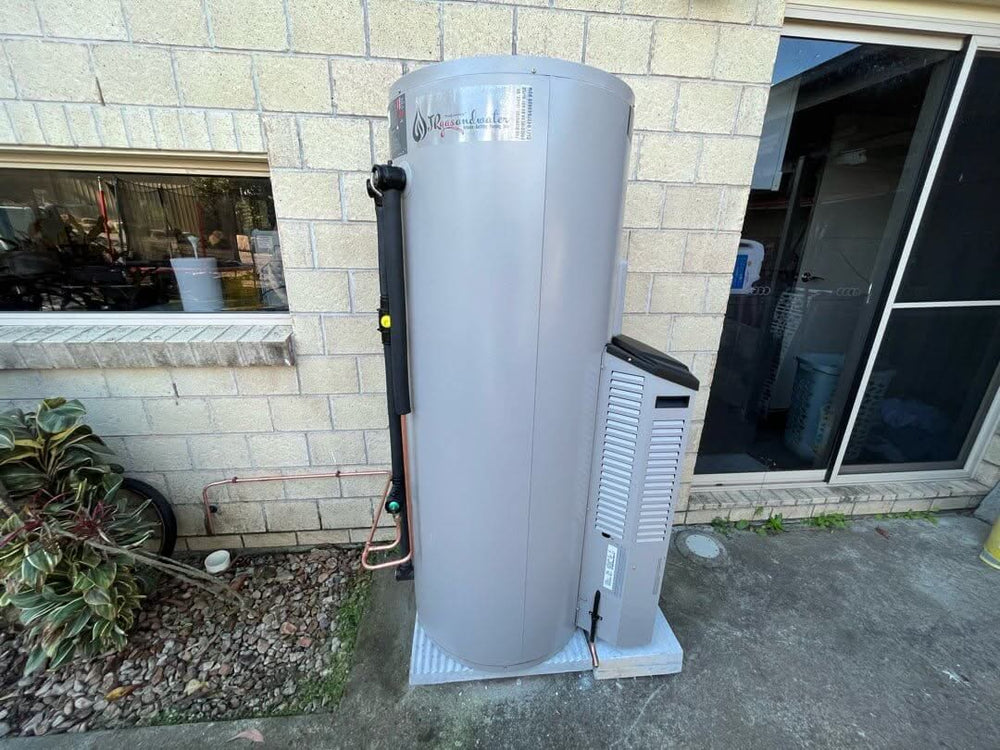
Installation location requirements
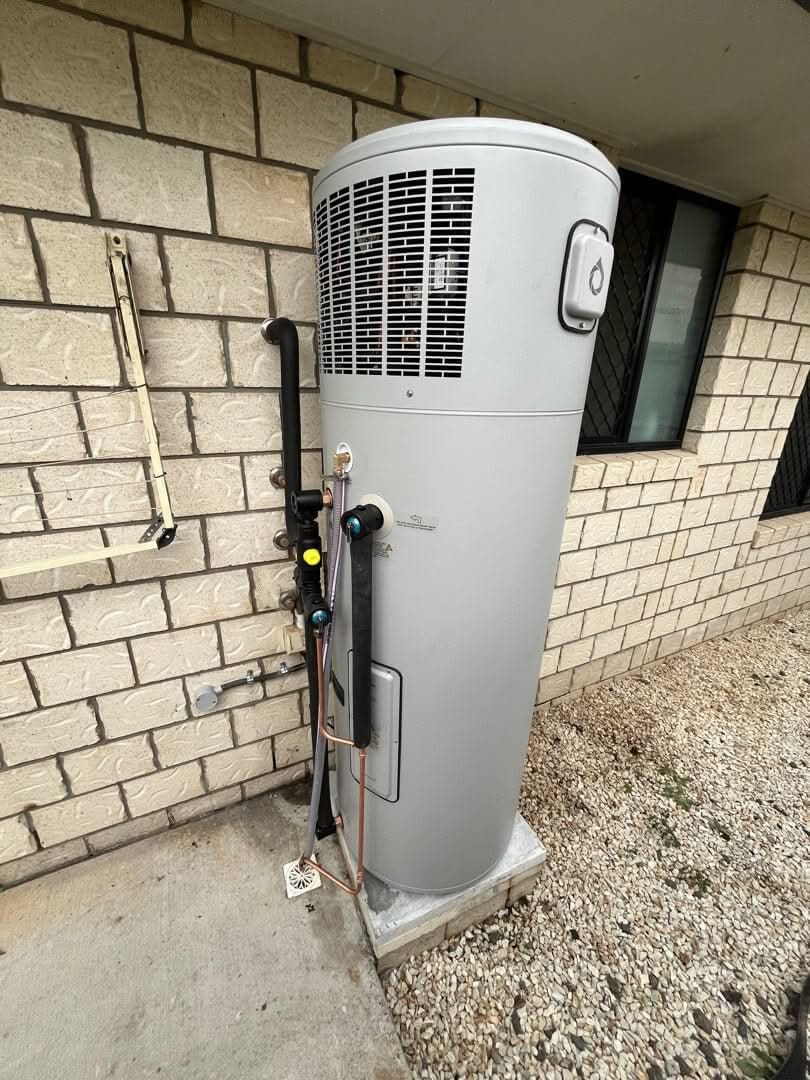
Heat pump hot water systems need suitable outdoor locations.
Before ordering, check:
-
Airflow around the unit
-
Clearance from walls and fences
-
Condensate drainage
-
Noise placement
-
Service access
-
Base or slab condition
-
Weather exposure
-
Pipework route
-
Electrical supply
-
Delivery access
-
Future replacement access
A location that worked for an old electric tank may not automatically suit a heat pump.
Airflow matters
Airflow is one of the most important heat pump requirements.
Poor airflow can affect:
-
Efficiency
-
Recovery time
-
Noise
-
System performance
-
Long-term reliability
Avoid locations such as:
-
Enclosed cupboards
-
Poorly ventilated garages
-
Tight side paths
-
Under low decks
-
Small enclosed courtyards
-
Service cavities with restricted airflow
-
Areas blocked by stored items, bins or plants
Your installer should confirm the selected heat pump has the clearance it needs.
Condensate drainage matters
Heat pumps create condensate during normal operation. This water needs to drain safely.
Before choosing a location, check:
-
Where condensate will discharge
-
Whether a drain is nearby
-
Whether extra drainage work is required
-
Whether water could run across paths
-
Whether runoff could affect neighbours
-
Whether the drainage route is compliant
-
Whether the area could become slippery
Condensate drainage should be planned before installation.
Noise placement matters
Heat pumps have fans and compressors. Even quiet systems still make some operating noise.
Before installing, consider:
-
Bedroom windows
-
Neighbouring homes
-
Boundary fences
-
Outdoor living areas
-
Courtyards
-
Side access paths
-
Unit complexes
-
Noise-sensitive rooms
A good heat pump in the wrong location can still become annoying.
Electrical requirements
Heat pump hot water systems are electric appliances, so the electrical setup matters.
Before ordering, check:
-
Existing hot water circuit
-
Switchboard capacity
-
Timer setup
-
Controlled-load connection
-
Rooftop solar timing
-
Isolation switch requirements
-
Whether electrical upgrades are needed
-
Whether a licensed electrician is required
Do not assume every heat pump can replace an old electric tank without electrical checks.
Heat pump brands to compare
Installed Today includes several homepage-linked brands commonly compared for heat pump and electric hot water.
Brands worth comparing include:
Choose by system type, capacity, recovery, dimensions, airflow, warranty terms and site suitability.
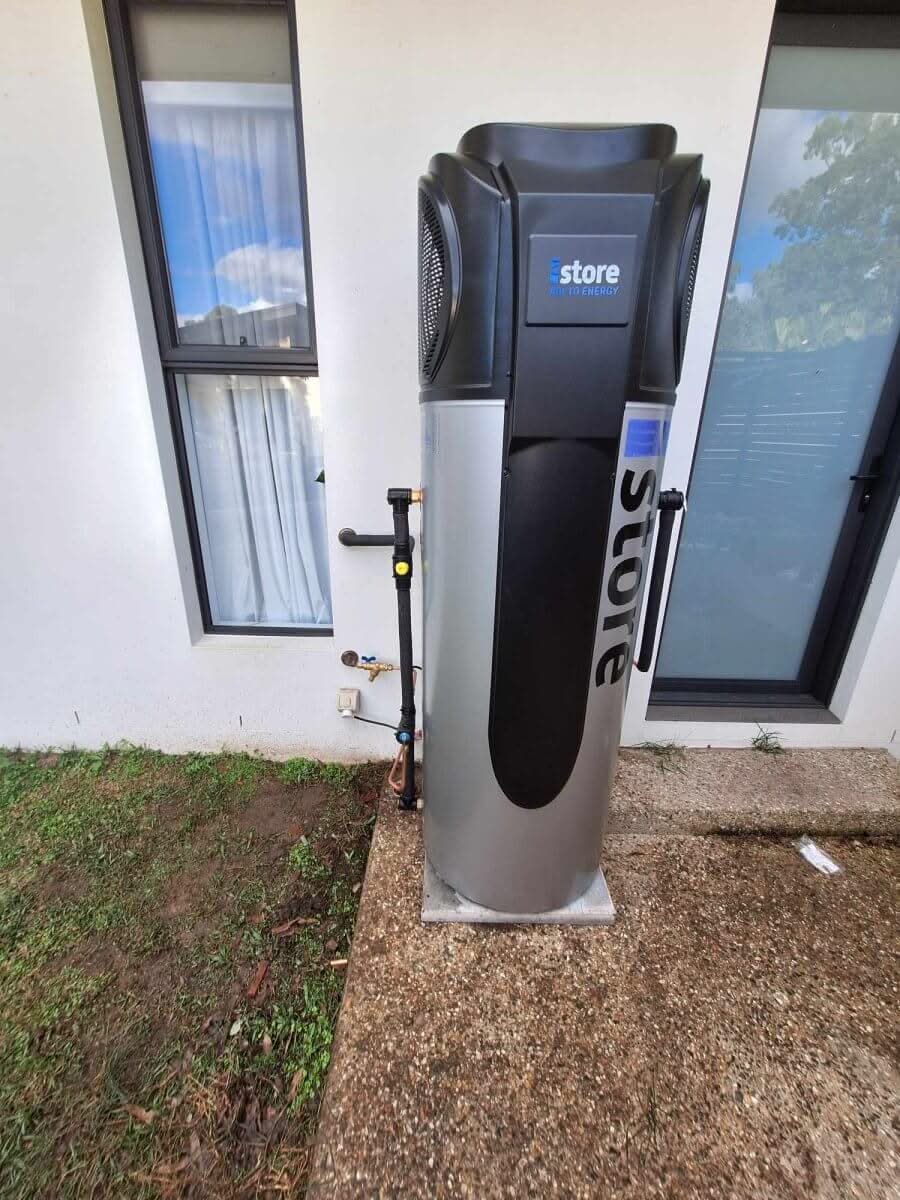
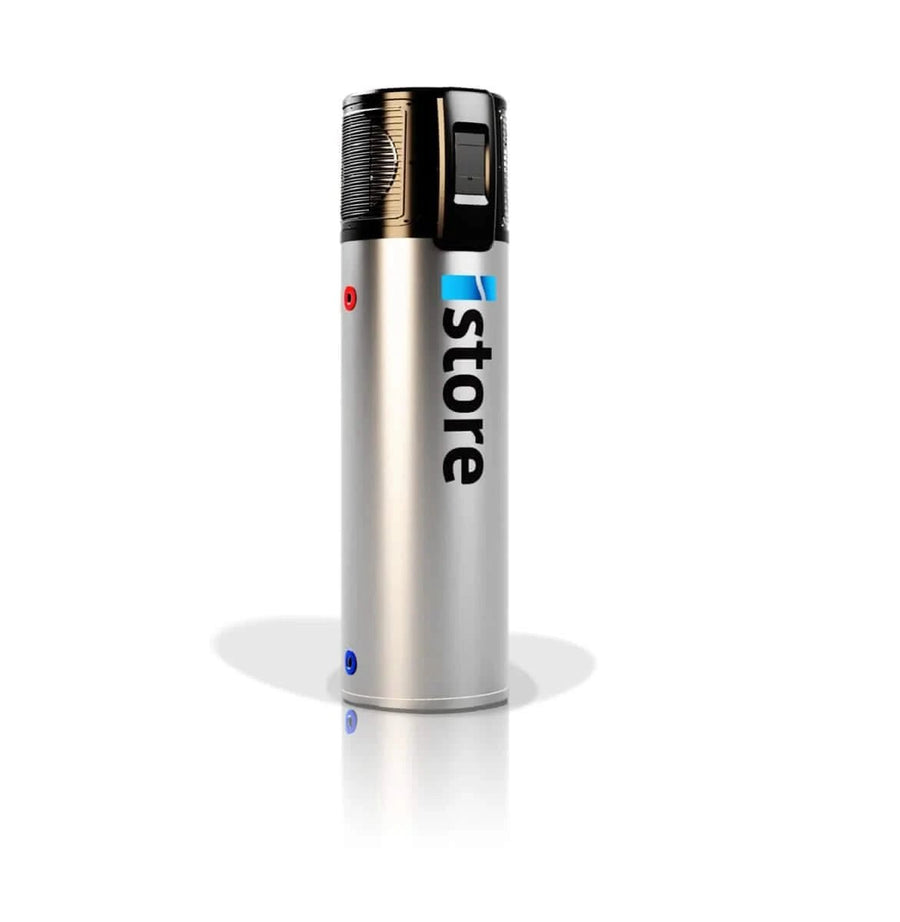
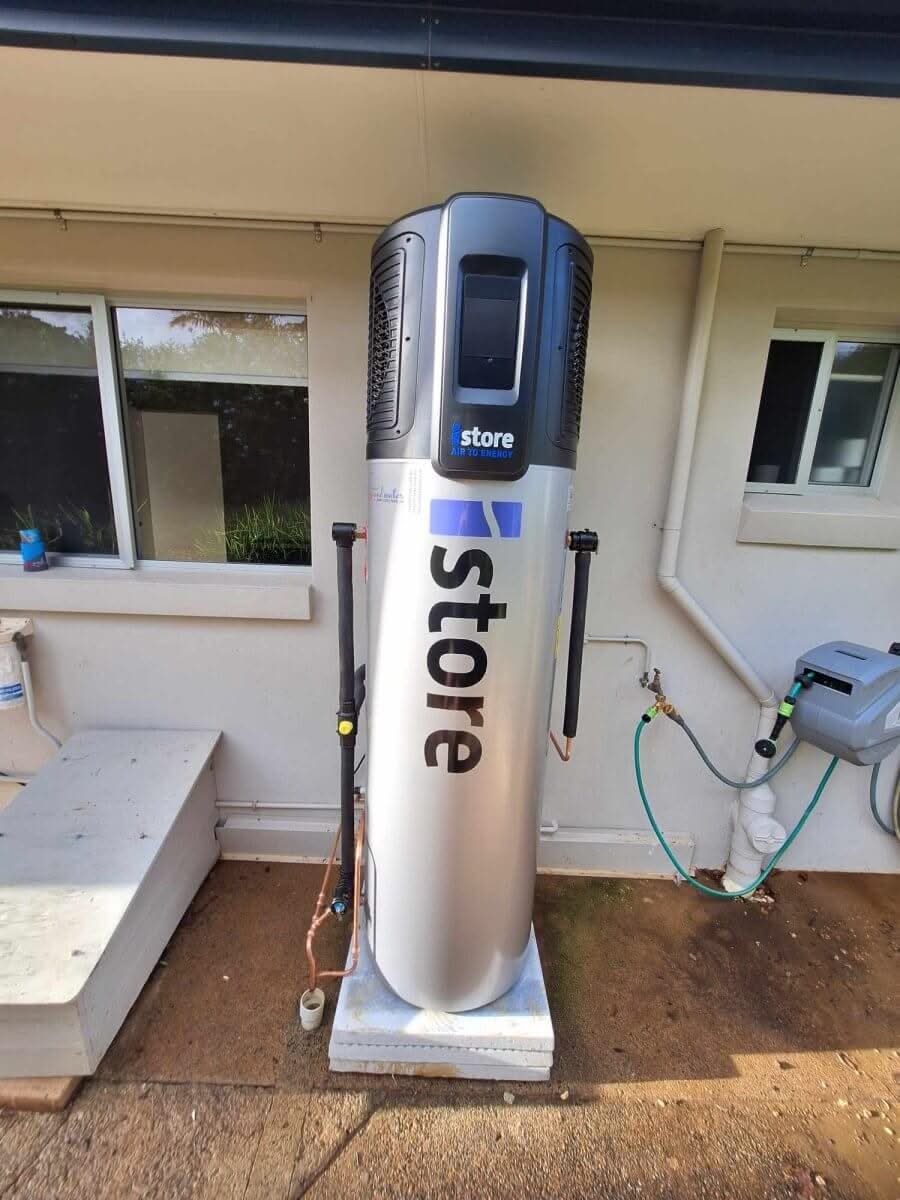
iStore heat pump hot water
iStore Hot Water Systems are commonly compared by customers wanting a strong all-round heat pump option.
iStore may suit:
-
Family homes
-
Electric storage replacements
-
Rooftop solar homes
-
Customers wanting efficient electric hot water
-
Properties with suitable outdoor airflow
-
Supply-only customers with their own installer arranged
Before choosing iStore, check tank size, timer settings, drainage, noise placement and installation location.
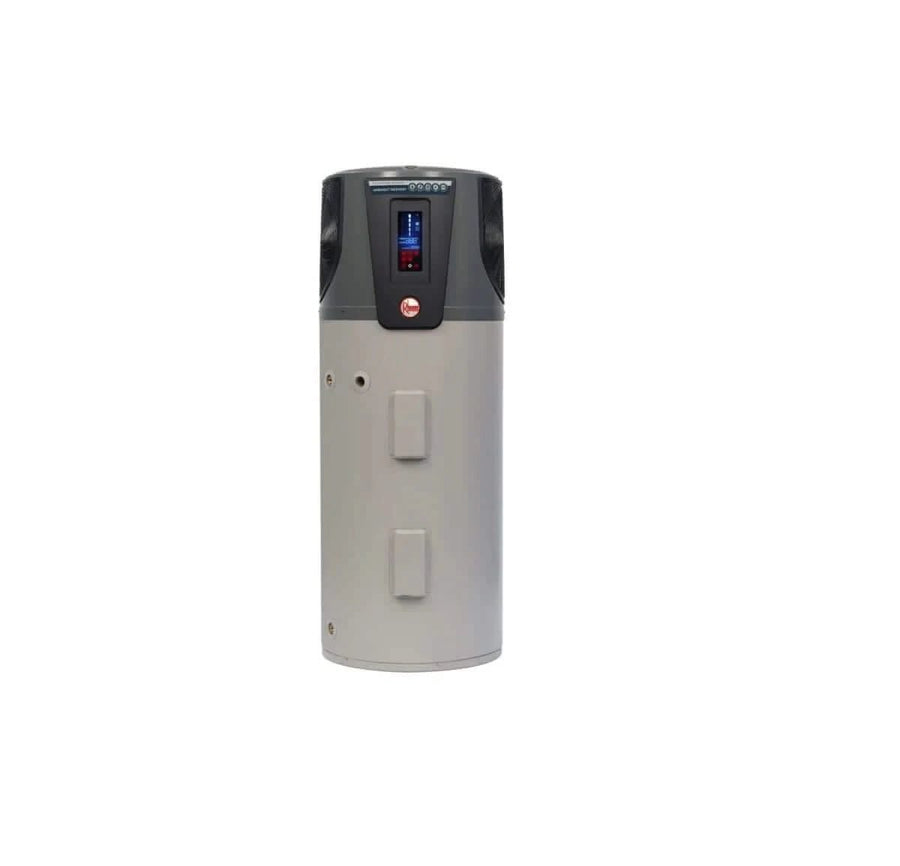
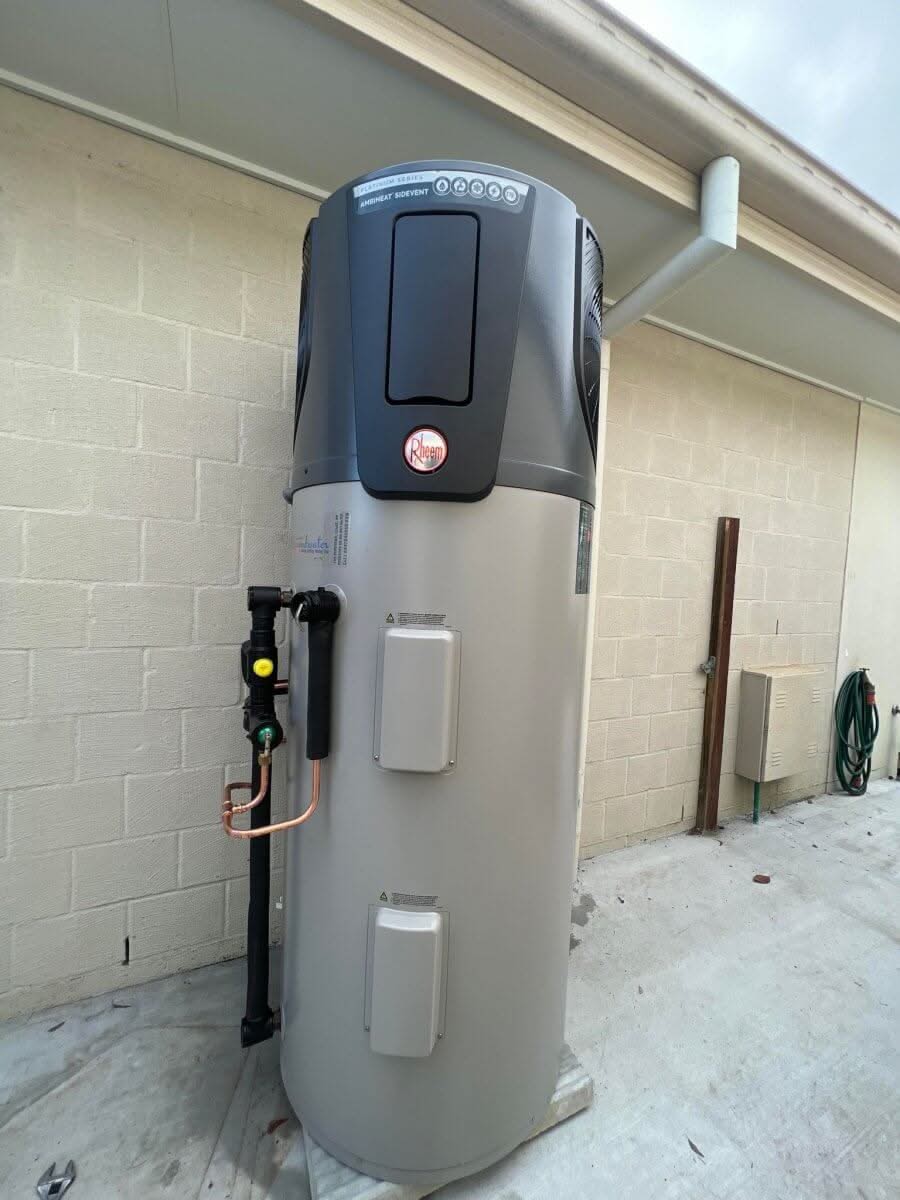
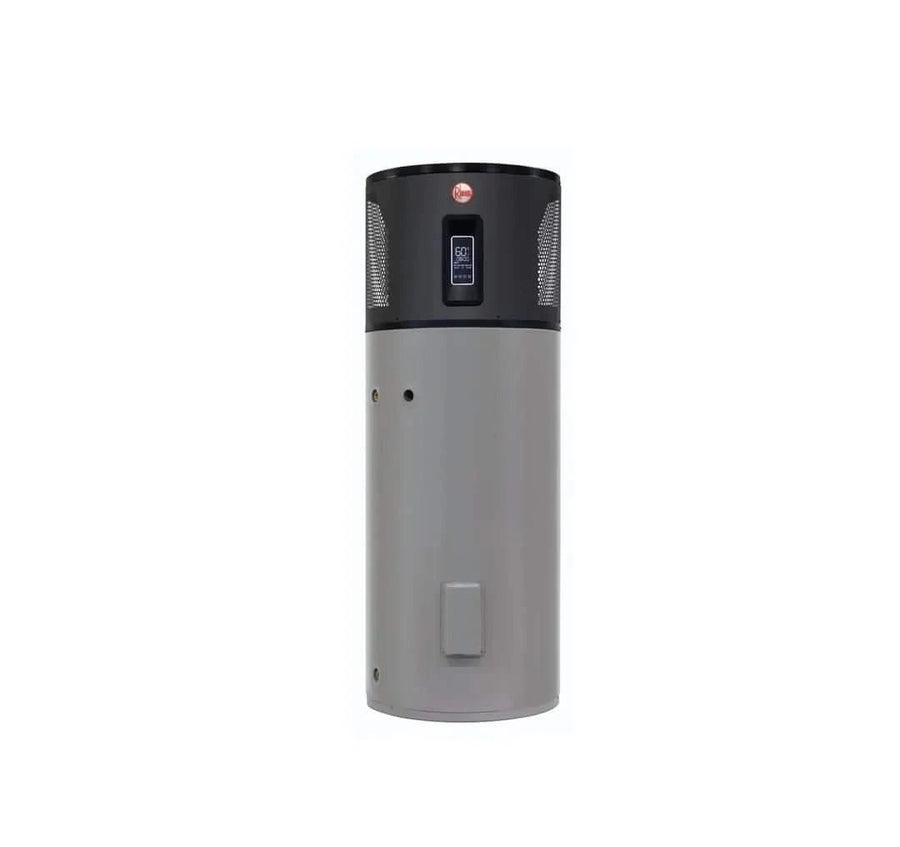
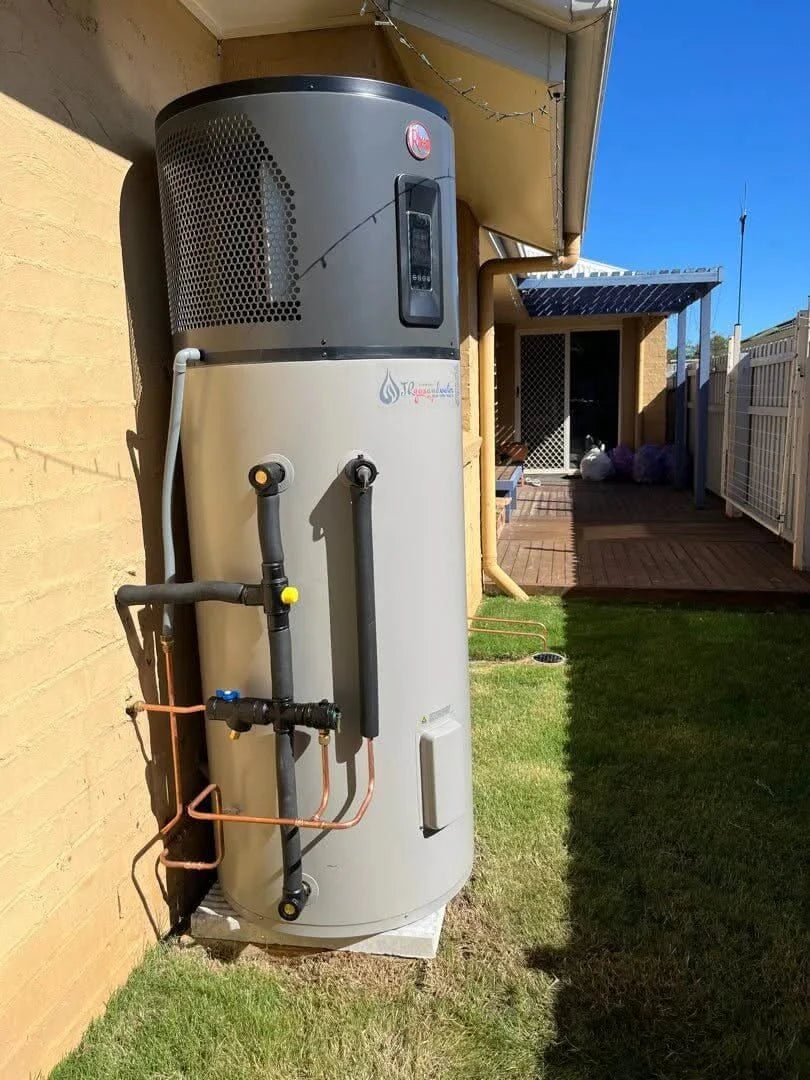
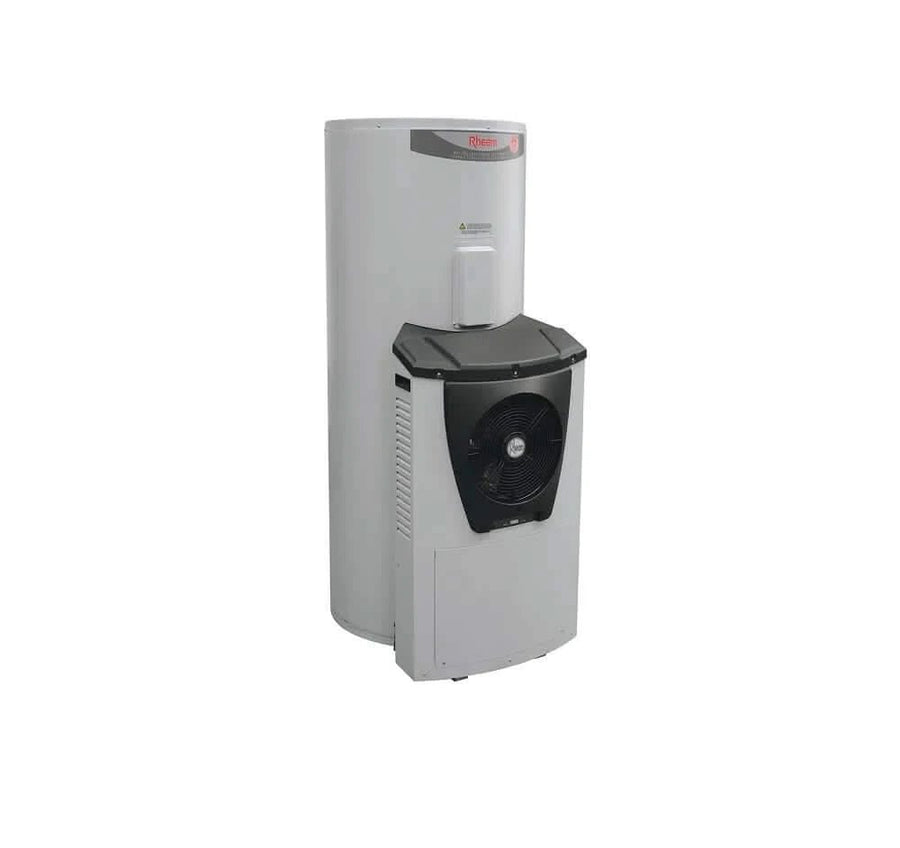
Rheem heat pump hot water
Rheem Hot Water Systems are often compared by customers who want a recognised hot water brand.
Rheem heat pump options may suit:
-
Homes replacing old electric storage
-
Customers wanting a major brand
-
Family-sized hot water demand
-
Properties with suitable outdoor location
-
Customers comparing heat pump vs electric storage
Before choosing Rheem, check capacity, recovery, airflow, drainage, electrical requirements and warranty terms.
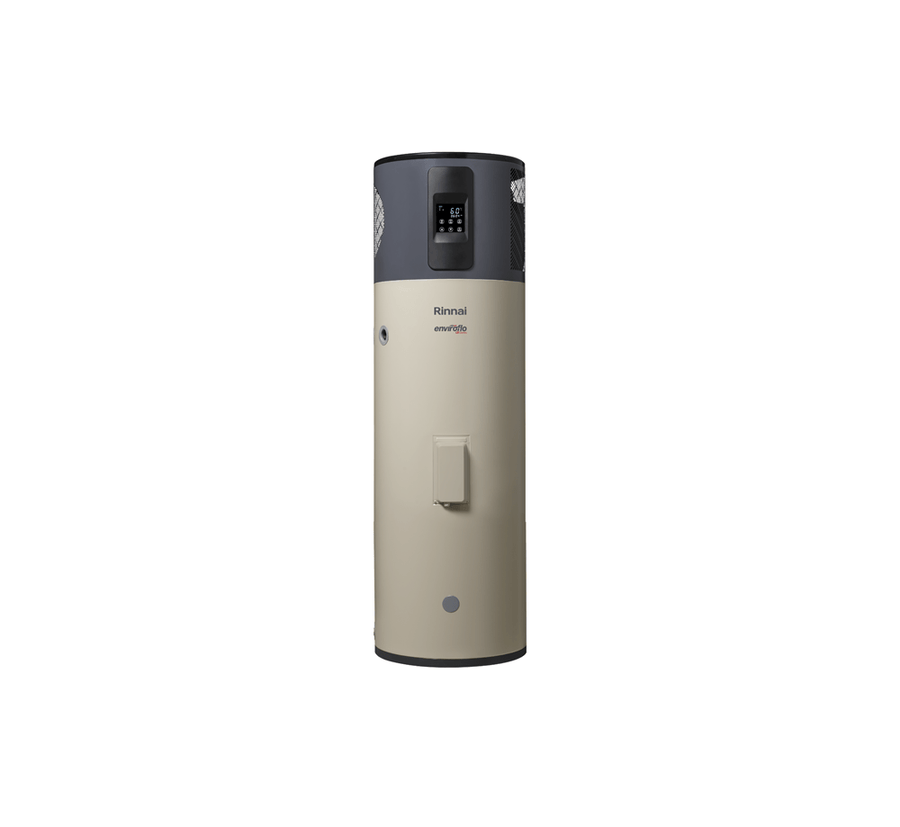
Rinnai heat pump hot water
Rinnai Hot Water Systems are often compared by customers familiar with Rinnai gas or electric hot water products.
Rinnai may suit:
-
Customers wanting a recognised brand
-
Homes comparing heat pump alternatives
-
Larger households depending on model
-
Properties with suitable airflow and drainage
-
Customers comparing heat pump vs instant gas
Check the exact model, tank capacity and installation requirements before ordering.
Stiebel Eltron heat pump hot water
Stiebel Eltron Hot Water Systems are commonly compared by customers looking at premium electric and heat pump options.
Stiebel Eltron may suit:
-
Customers wanting a premium electric brand comparison
-
Smaller to medium households depending on model
-
Homes with suitable outdoor installation space
-
Customers comparing electric hot water upgrades
Before choosing Stiebel Eltron, check electrical requirements, dimensions, capacity, noise rating and recovery expectations.
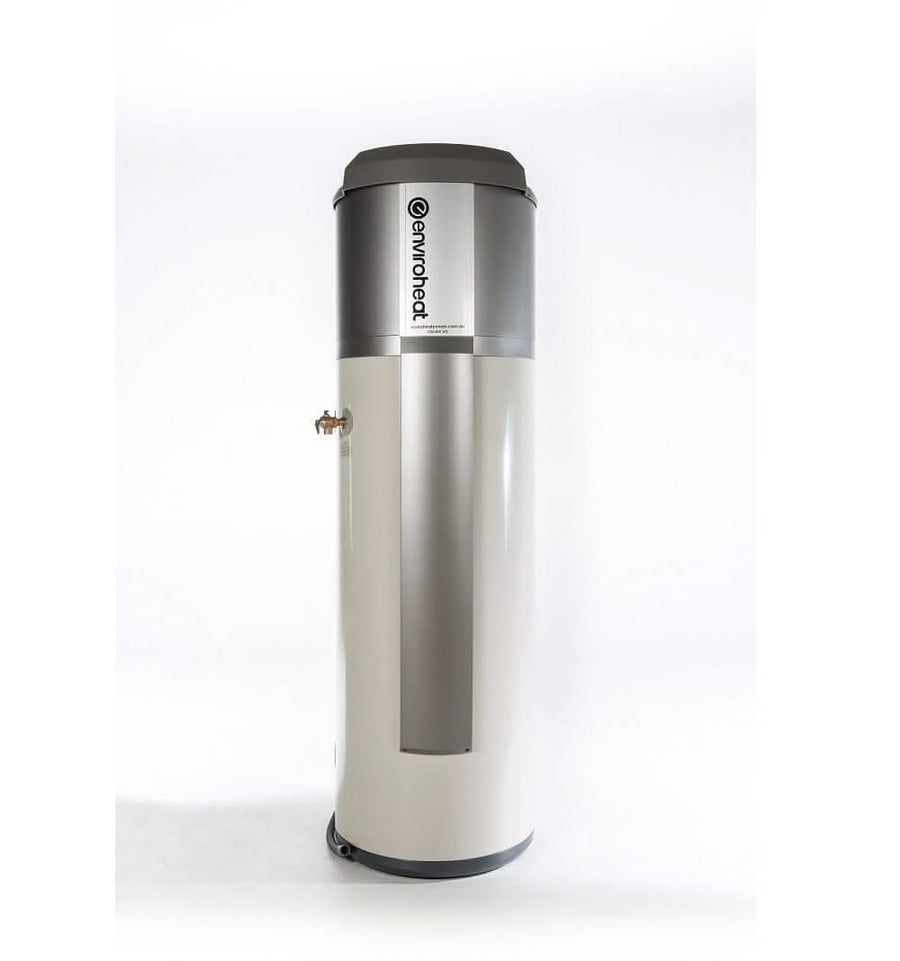
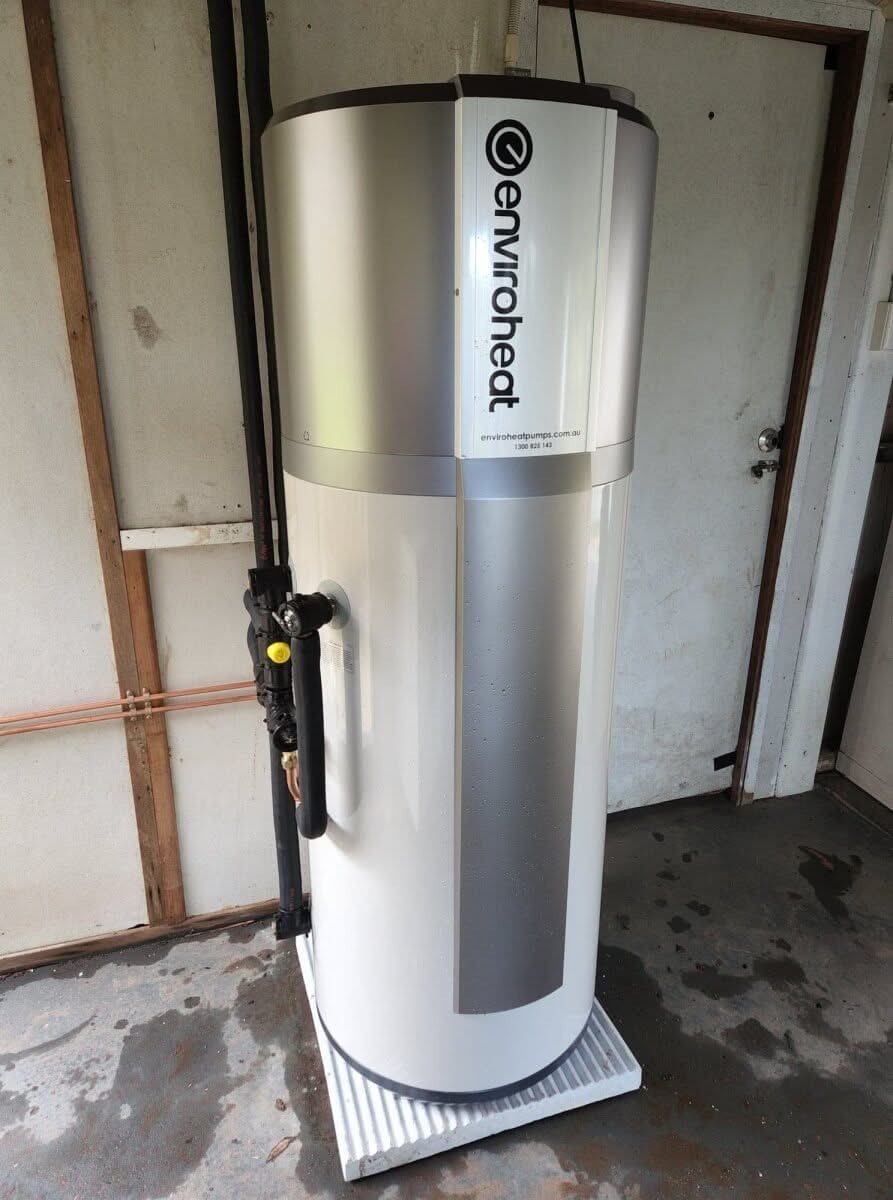
Enviroheat heat pump hot water
Enviroheat Hot Water Systems may suit customers comparing value-focused heat pump hot water.
Enviroheat may suit:
-
Budget-conscious heat pump buyers
-
Electric storage replacements
-
Moderate-demand homes
-
Rental properties where the site suits
-
Customers comparing heat pump options across brands
Before choosing Enviroheat, check tank size, warranty terms, noise placement, drainage and installation requirements.
Aquatech / Hydrotherm heat pump hot water
Aquatech / Hydrotherm Hot Water Systems are worth comparing as alternative heat pump options.
They may suit:
-
Customers comparing multiple heat pump brands
-
Homes replacing electric storage
-
Properties with suitable outdoor airflow
-
Customers wanting supply-only heat pump options
Before ordering, confirm capacity, recovery, warranty terms, electrical setup, drainage and service access.
Maintenance tips for heat pump hot water
Heat pump hot water systems need maintenance to support long-term performance.
Maintenance may include:
-
Keeping airflow clear around the unit
-
Checking for visible leaks
-
Keeping plants, leaves and stored items away from the air intake area
-
Checking condensate drainage is not blocked
-
Watching for error codes
-
Listening for unusual noises
-
Having valves checked as required
-
Following manufacturer servicing instructions
-
Using licensed professionals for plumbing or electrical work
Do not open electrical covers, modify wiring, bypass controls or attempt refrigeration repairs yourself.
Signs your heat pump hot water system may need attention
A heat pump should be checked if you notice:
-
No hot water
-
Hot water running out too quickly
-
Error codes
-
Unusual noise
-
Water leaking
-
Condensate draining in the wrong area
-
Poor recovery
-
Tripped power
-
Fan not operating as expected
-
Reduced hot water compared with normal
-
Visible corrosion
-
System age and repeated faults
If the system is old, unreliable or undersized, replacement may be worth comparing.
Supply-only heat pump hot water for Sunshine Coast
Installed Today can be used by customers comparing supply-only hot water products online.
Supply-only ordering may suit Sunshine Coast customers who already have their own licensed local installer arranged.
Supply only may suit:
-
Homeowners managing their own installation
-
Builders
-
Renovators
-
Property managers
-
Landlords
-
Trade customers
-
Customers outside supplied-and-installed service areas
Supply-only product pricing generally does not include installation, valves, old unit removal, disposal, electrical work, pipework changes, condensate drainage, base work, access upgrades or compliance upgrades unless clearly selected or included.
Before ordering supply only, your licensed installer should confirm the selected heat pump suits the property.
Supplied-and-installed heat pump hot water
Supplied-and-installed options may be available on selected products in eligible Brisbane and Gold Coast service areas where shown.
For Sunshine Coast customers, do not assume installation is included unless the product page clearly shows that option for your location.
Before ordering any supplied-and-installed product, check:
-
Service area eligibility
-
Existing system type
-
Installation inclusions
-
Valve requirements
-
Condensate drainage
-
Electrical work
-
Old unit removal
-
Disposal
-
Pipework changes
-
Access
-
Base or slab condition
-
Compliance upgrades
-
Product suitability
If your area is not eligible for supplied-and-installed service, supply-only ordering with your own licensed local installer may be the better pathway.
Common mistake: choosing heat pump hot water by rebate only
Rebates and certificates can help reduce upfront cost where eligible, but they should not be the only reason you choose a heat pump.
The system still needs to suit:
-
Household size
-
Outdoor airflow
-
Drainage
-
Electrical setup
-
Noise placement
-
Access
-
Recovery requirements
-
Warranty terms
-
Installer requirements
A poorly located heat pump can cause frustration even if it was discounted.
Common mistake: ignoring airflow
Heat pumps need air movement.
If the unit is installed in a tight, enclosed or blocked area, performance can suffer.
Always check clearance requirements before ordering.
Common mistake: ignoring condensate drainage
Condensate is normal, but it must drain properly.
Poor drainage can create slippery surfaces, nuisance water or compliance issues.
Common mistake: placing the unit near bedrooms
Noise placement matters.
Even low-noise heat pumps can be noticeable near bedroom windows, neighbouring bedrooms or enclosed courtyards.
Common mistake: undersizing the system
A heat pump that is too small may struggle with back-to-back showers, baths or larger families.
Check real household demand before choosing a smaller system.
Common mistake: oversizing without reason
A larger system can help some homes, but it may cost more upfront and take up more space.
Choose based on demand, not just the biggest tank available.
Common mistake: expecting instant hot water
Heat pump hot water systems store hot water. They do not work like instant gas systems.
Pipe length can still affect how long hot water takes to reach the tap.
Common mistake: DIY heat pump installation
Heat pump installation can involve plumbing, electrical work, pressure control, drainage and compliance.
DIY installation can create:
-
Water leaks
-
Electrical risks
-
Scalding risks
-
Poor airflow
-
Drainage problems
-
Warranty issues
-
Insurance issues
-
Non-compliant work
-
Poor performance
-
Property damage
Use licensed professionals.
Final verdict: should Sunshine Coast homeowners choose heat pump hot water?
A heat pump hot water system can be a smart choice for Sunshine Coast homes where the property has suitable outdoor airflow, condensate drainage, electrical setup, access and noise placement.
It is especially worth comparing if you are replacing an older electric storage system, have rooftop solar, want to reduce reliance on direct electric element heating, or prefer an efficient electric hot water pathway over gas.
However, heat pumps are not right for every home. If your outdoor location is tight, drainage is difficult, noise placement is poor or budget is focused only on the lowest upfront cost, a standard electric storage system or gas option may be more practical.
Start by comparing Heat Pump Hot Water Systems, Electric Hot Water Systems, Gas Hot Water Systems, Instant Gas Hot Water Systems and all Hot Water Systems.
The best heat pump hot water system for a Sunshine Coast home is not just the most efficient model on paper. It is the one that matches your household demand, installation location, electrical setup, budget and long-term hot water needs.
Long-tail FAQs
Are heat pump hot water systems good on the Sunshine Coast?
Heat pump hot water systems can suit many Sunshine Coast homes where there is suitable outdoor airflow, condensate drainage, electrical supply and space for the unit.
How does a heat pump hot water system work?
A heat pump uses electricity to transfer heat from surrounding air into stored water. It heats water in a tank using a refrigeration cycle rather than relying only on direct electric element heating.
What size heat pump hot water system do I need?
The right size depends on the number of people, bathrooms, shower habits, bath use, laundry use, timer settings and recovery rate. Larger families usually need more careful sizing.
Is a heat pump cheaper to run than electric hot water?
A heat pump can use less electricity than standard electric storage in suitable conditions, but running costs depend on household use, electricity tariff, timer settings, climate, airflow and maintenance.
Can a heat pump hot water system work with solar panels?
Yes, a heat pump can work well with rooftop solar where timer settings and electrical setup allow the system to heat during solar generation hours.
Does Installed Today install heat pumps on the Sunshine Coast?
Supplied-and-installed options may be available on selected products in eligible Brisbane and Gold Coast service areas where shown. Sunshine Coast customers should treat products as supply-only unless the product page clearly shows installation availability for their location.
Can I order a heat pump supply only for the Sunshine Coast?
Yes, supply-only ordering can suit customers who already have their own licensed local installer arranged. Confirm product suitability with your installer before ordering.
What brands of heat pump hot water should I compare?
Common brands to compare include iStore, Rheem, Rinnai, Stiebel Eltron, Enviroheat, Aquamax and Aquatech / Hydrotherm, depending on model availability and household needs.
Do heat pump hot water systems make noise?
Yes. Heat pumps have fans and compressors, so placement matters. Avoid installing near bedrooms, neighbouring windows or enclosed courtyards where noise may be noticeable.
Can I install a heat pump hot water system myself?
No. Heat pump hot water installation should be completed by licensed professionals. Plumbing, electrical work, pressure control and drainage can create safety, warranty and compliance issues if done incorrectly.