
Price of Hot Water System: What Australian Homeowners Should Budget For
The price of a hot water system is not just the cost of the unit. The real cost depends on the product, system type, size, installation requirements, energy source, location, access, valves, old unit removal and whether you are buying supply-only or choosing a supplied-and-installed option where available.
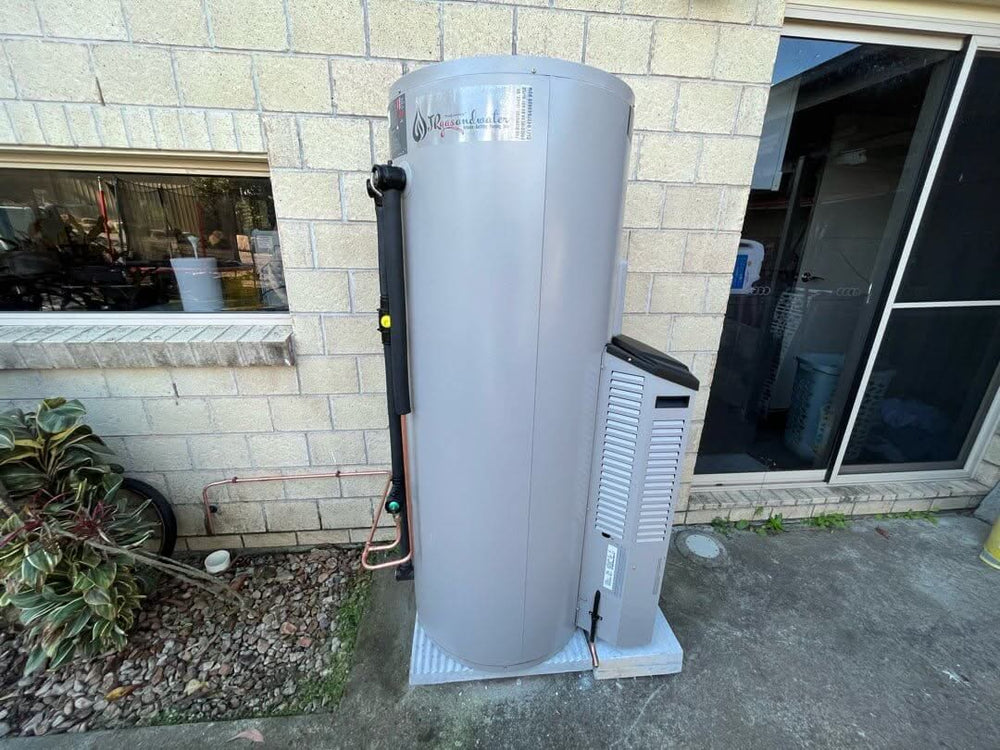
For most Australian homes, the main hot water replacement options are electric storage, instant gas, heat pump and, in some cases, solar hot water. Each has a different upfront price, different installation requirements and different long-term running cost profile.
If your current hot water system has failed, is leaking, too small or expensive to run, the best choice is usually the system that fits your home’s existing services while also matching your household demand. The cheapest product on the page may not be the cheapest overall replacement if it needs extra valves, gas work, electrical work, pipe changes or compliance upgrades.
Installed Today supplies a wide range of hot water systems, including electric hot water systems, instant gas hot water systems and heat pump hot water systems for customers comparing replacement options online.
Quick answer: what is included in the price of a hot water system?
The price of a hot water system can include several different cost parts:
| Cost part | What it means |
|---|---|
| Product price | The cost of the hot water unit itself |
| Delivery | Freight or delivery to the property, depending on location and product |
| Installation | Plumbing, gas fitting or electrical work where required |
| Valves and fittings | Tempering valve, pressure limiting valve, isolation valves and other parts |
| Pipework changes | Extra work if the new system does not match the old connections |
| Gas or electrical work | Required when changing fuel type, upgrading size or installing certain systems |
| Drainage | Safe discharge or condensate drainage where required |
| Old unit removal | Removing the existing hot water system from site |
| Disposal | Taking away and disposing of the old unit |
| Compliance upgrades | Work required to meet current standards or site requirements |
If you are buying supply-only, the product price is usually just the unit. Installation and site work are separate unless clearly shown as included.
Why hot water system prices vary so much
Two homes can buy the same hot water system but end up with different total costs. That is because the unit price is only one part of the job.
Hot water system prices vary because of:
-
System type
-
Tank size or flow rate
-
Brand
-
Natural gas, LPG or electricity
-
Indoor or outdoor location
-
Same-location replacement or relocation
-
Access to the unit
-
Existing pipework
-
Existing electrical setup
-
Gas pipe sizing
-
Valve condition
-
Drainage requirements
-
Old unit removal
-
Disposal
-
Current rebates or incentives
-
Whether the replacement is urgent
-
Whether the system is supply-only or supplied-and-installed where available
A like-for-like replacement in the same location is usually simpler than changing system type, moving the unit or upgrading to a larger capacity.
Supply-only price vs installed price
When comparing the price of a hot water system, make sure you understand whether you are looking at a supply-only price or an installed price.
Supply-only price
Supply-only means the product is supplied without installation included.
This can suit:
-
Customers who already have a licensed installer
-
Builders and renovators
-
Landlords using their own property manager or plumber
-
Customers outside supplied-and-installed service areas
-
Customers replacing like-for-like systems
-
Customers who want to compare product options online
Supply-only pricing generally does not include installation, valves, plumbing work, gas fitting, electrical work, drainage, old unit removal, disposal or compliance upgrades unless those items are clearly shown or selected.
Installed price
An installed price may include the hot water system plus selected installation work, depending on the product and service area.
Installed Today offers supplied-and-installed options on selected products in eligible Brisbane and Gold Coast service areas where shown. Always check the product page carefully for inclusions, add-ons and exclusions.
Electric hot water system price
Electric storage hot water systems are often one of the most straightforward options for homes that already have electric hot water.
They are available in a wide range of sizes, including:
-
50L
-
80L
-
125L
-
160L
-
250L
-
315L
-
400L
Smaller tanks usually have a lower product price, while larger tanks usually cost more. However, sizing should be based on household demand, not just price.
A small electric hot water system may suit a unit, granny flat or low-use home. A larger electric storage system may be needed for family homes, two-bathroom properties, rentals or short-stay accommodation.
You can compare current options in the electric hot water systems collection.
What affects electric hot water pricing?
Electric hot water system pricing can be affected by:
-
Tank capacity
-
Brand and model
-
Indoor or outdoor design
-
Mains pressure requirements
-
Current electrical connection
-
Existing tank location
-
Access to the system
-
Valve requirements
-
Base, tray or stand requirements
-
Whether the old system is the same size
-
Whether the system is being moved
-
Old unit removal and disposal
-
Whether a timer or controlled load arrangement applies
A simple electric storage replacement can be practical when the old system worked well and the new unit can go in the same location.
Gas hot water system price
Gas hot water pricing depends on the system type, fuel type and flow rate.
The two main gas options are:
-
Gas storage hot water
-
Instant gas hot water, also called continuous flow gas hot water
For many modern replacements, customers compare instant gas hot water systems because they are compact, wall-mounted and heat water as it is used.
Common instant gas sizes include:
-
16 L/min
-
20 L/min
-
26 L/min
A 16 L/min unit may suit smaller homes and one-bathroom properties. A 26 L/min unit is commonly compared for family homes and two-bathroom properties where the gas supply is suitable.
What affects gas hot water pricing?
Gas hot water system pricing can be affected by:
-
Natural gas or LPG
-
Flow rate
-
Brand and model
-
Existing gas supply
-
Gas pipe sizing
-
Water pressure
-
Outdoor clearances
-
Electrical connection
-
Controller requirements
-
Pipework changes
-
Valve requirements
-
Gas compliance requirements
-
Old unit removal and disposal
Gas hot water must be installed by a licensed gas fitter. Many continuous flow gas systems also need electricity for ignition and controls, so electrical requirements may also need to be checked.
Natural gas vs LPG price considerations
Natural gas and LPG hot water systems are not interchangeable.
Before ordering a gas hot water system, check:
-
Whether the property uses natural gas or LPG
-
The label on the existing unit
-
Whether the property has a natural gas meter
-
Whether the property uses LPG bottles
-
Whether the new model matches the gas type
-
Whether a licensed gas fitter has confirmed suitability
Ordering the wrong gas type can delay installation and create extra cost.
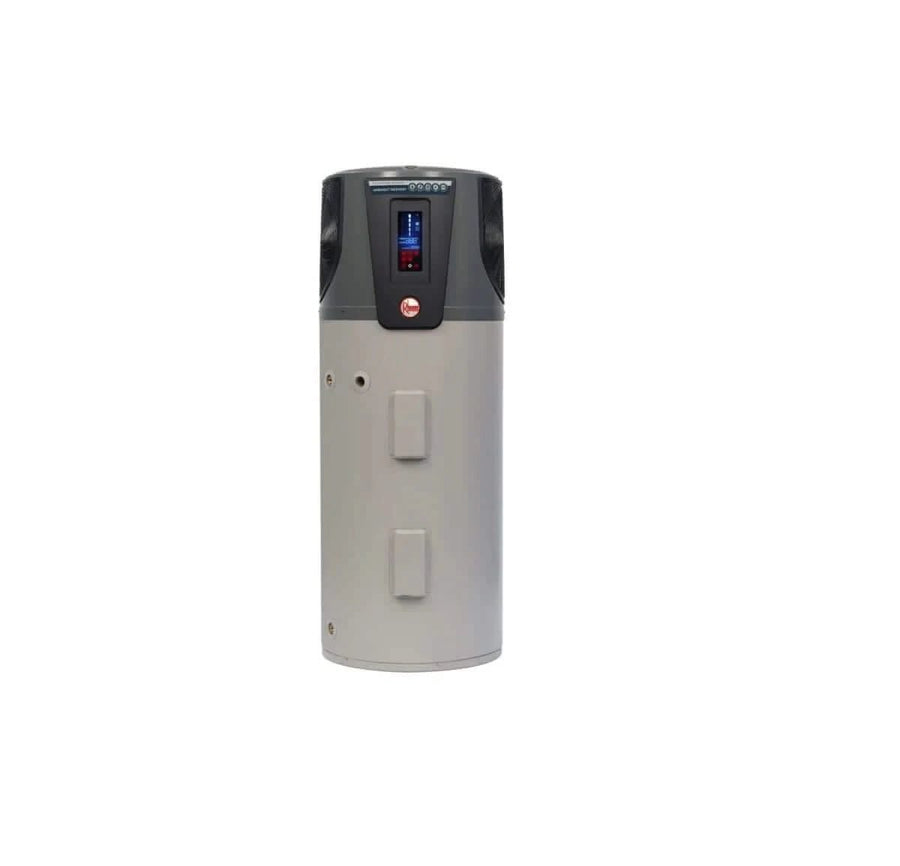
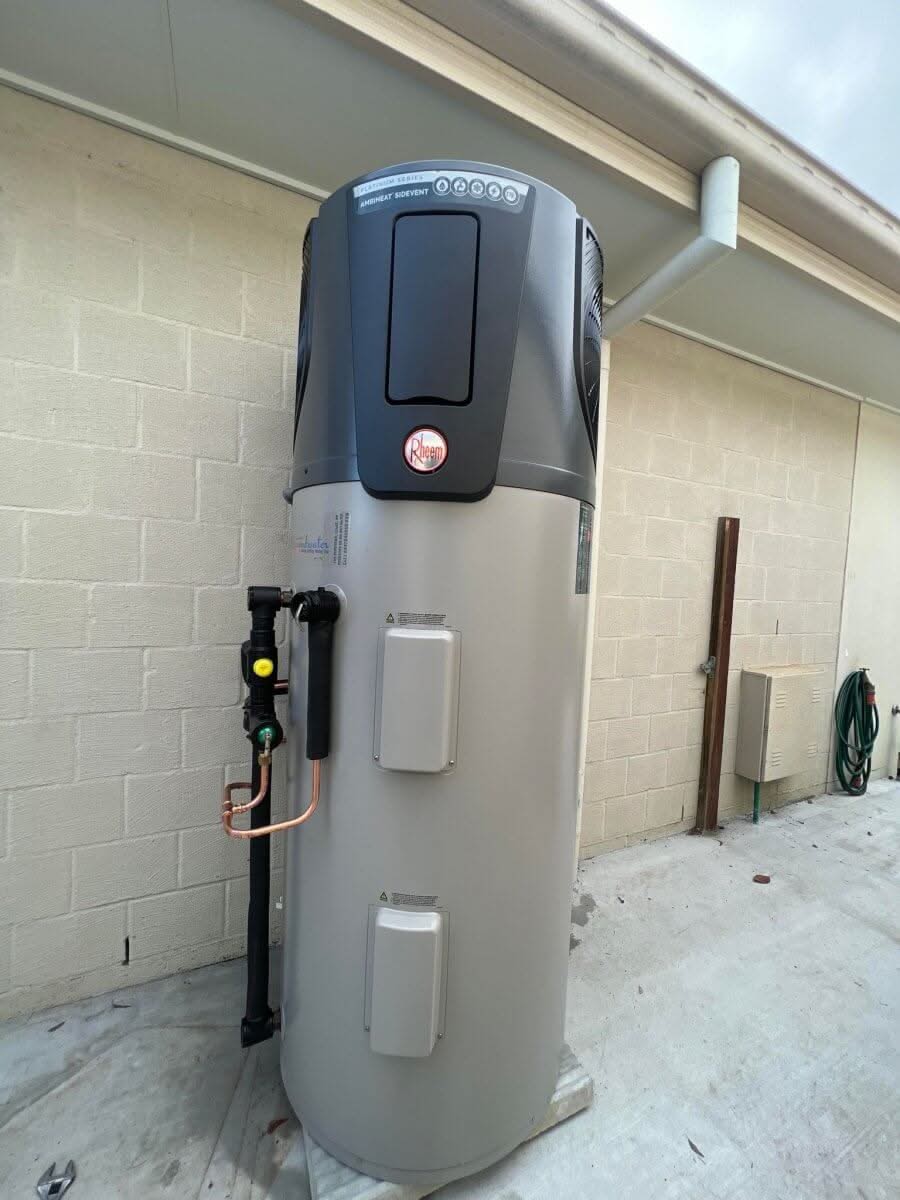
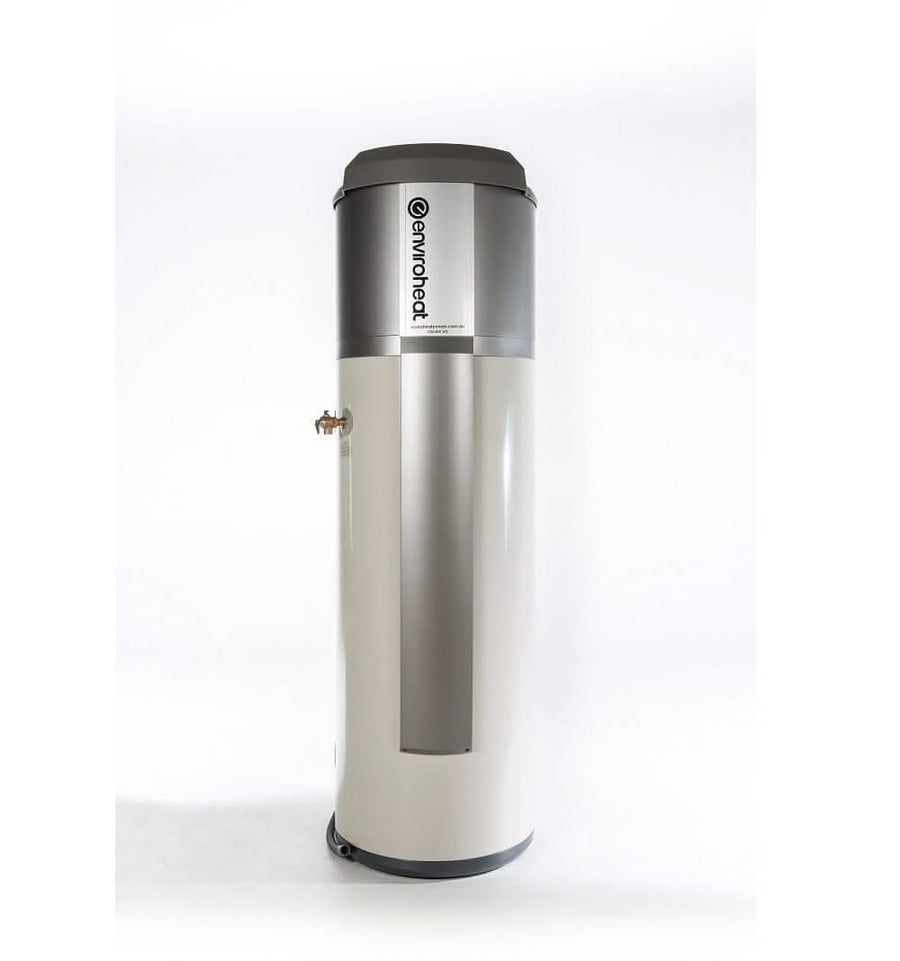
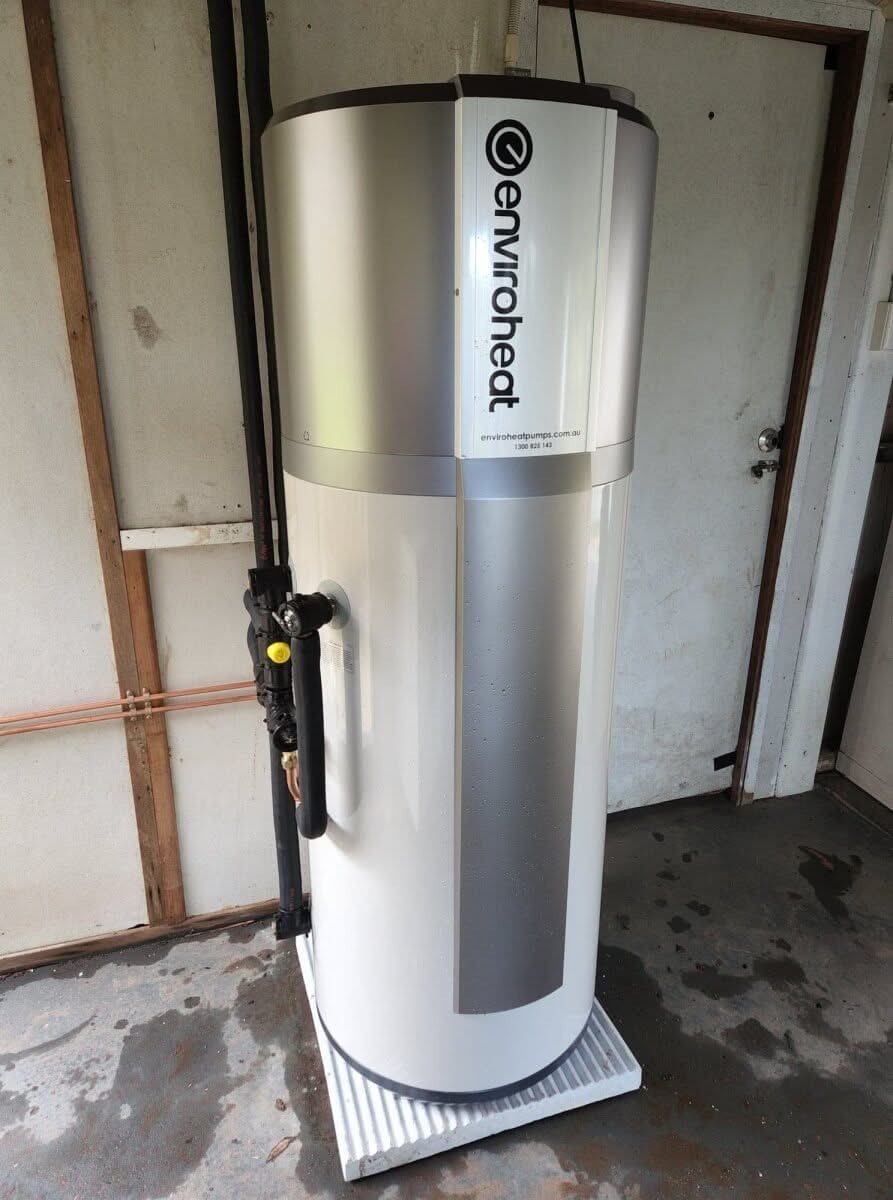
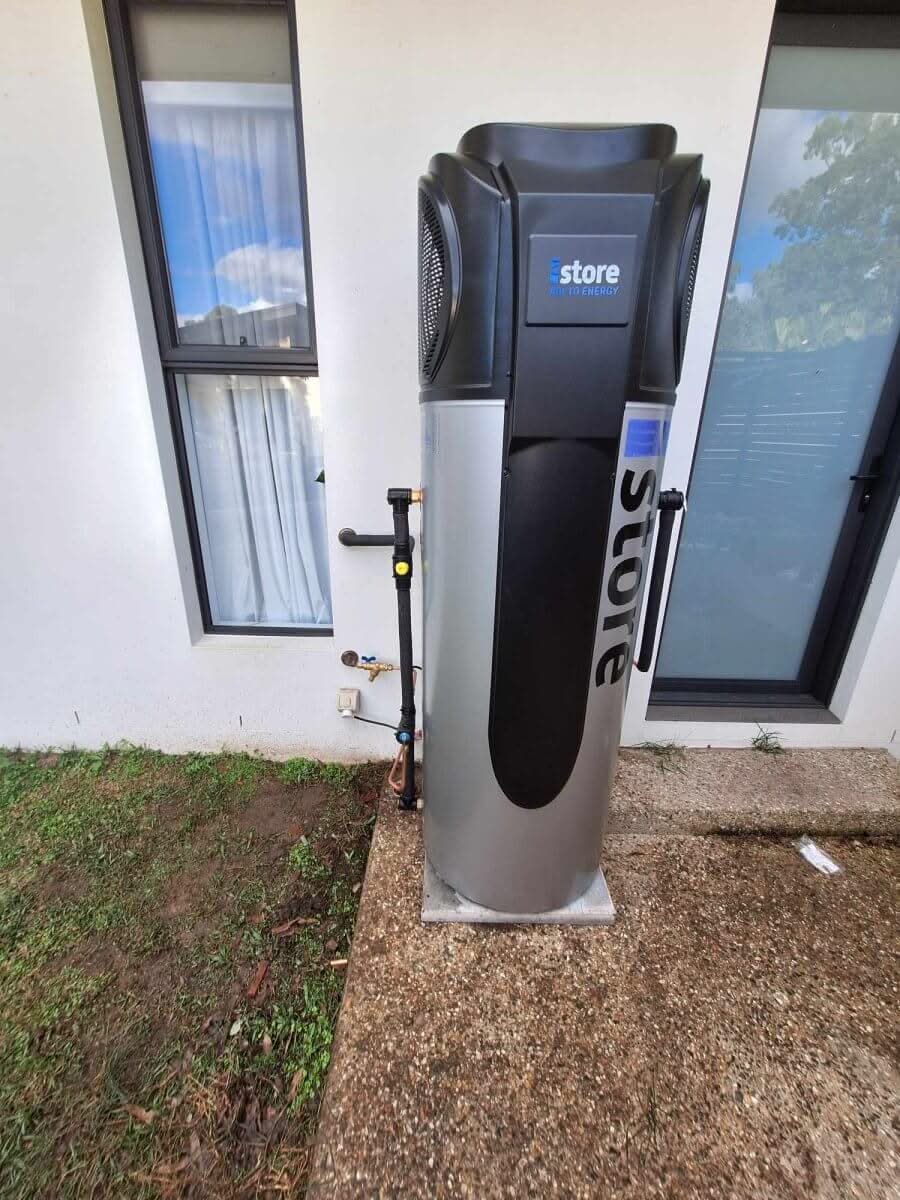
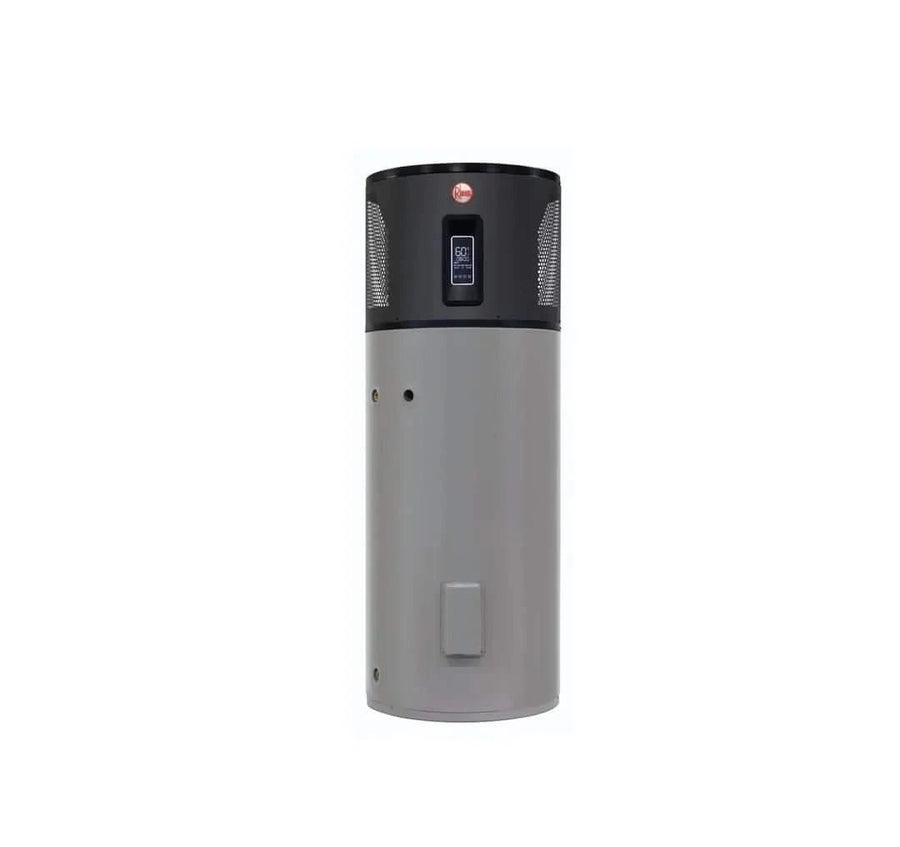
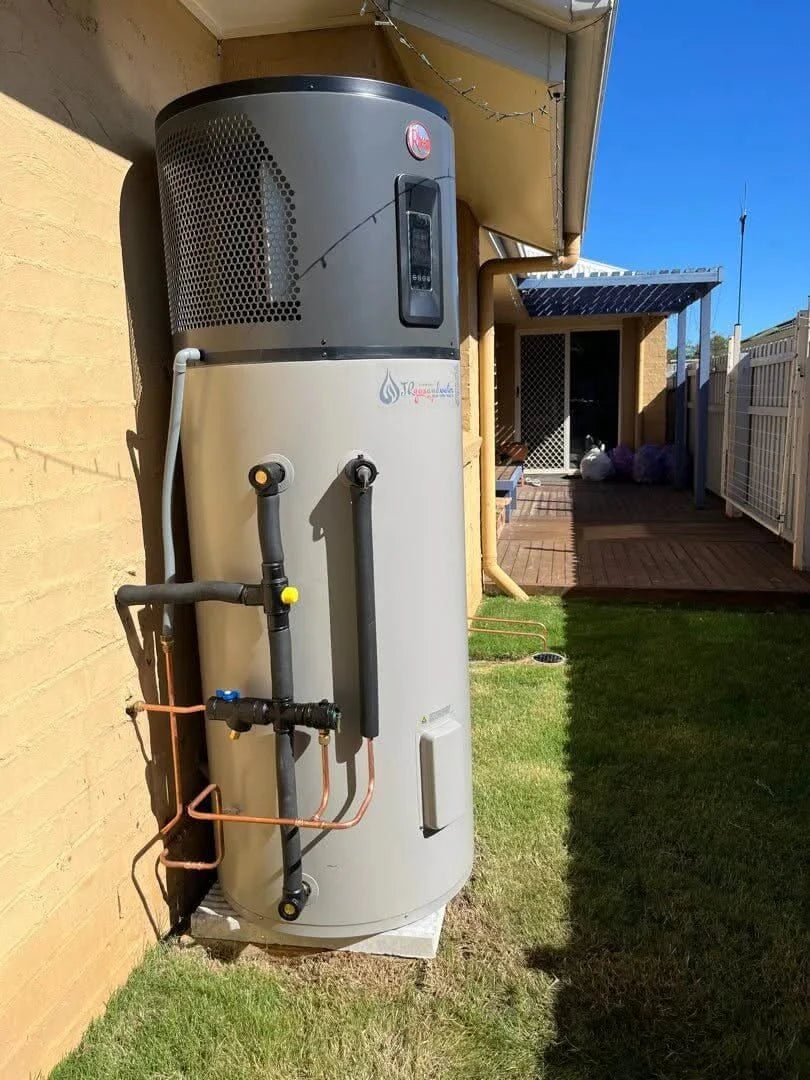
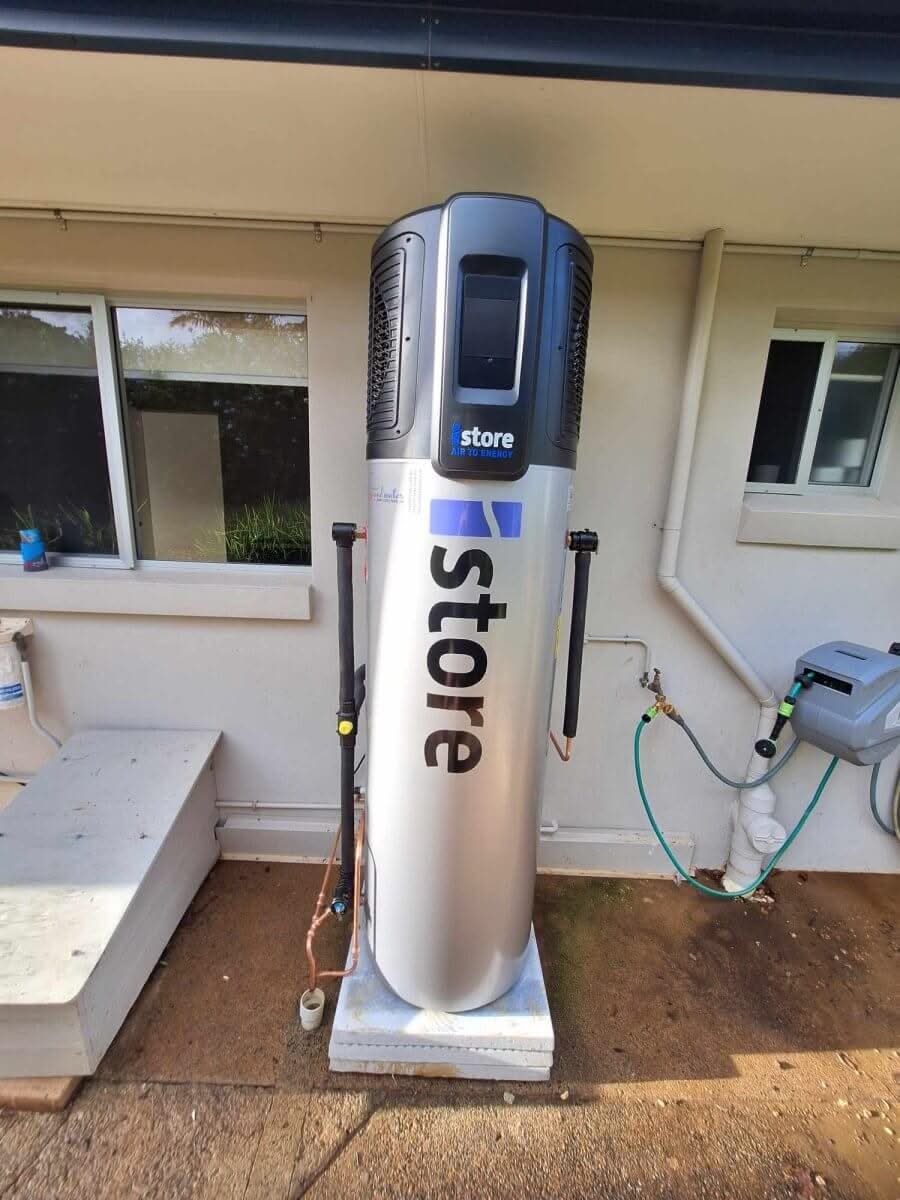
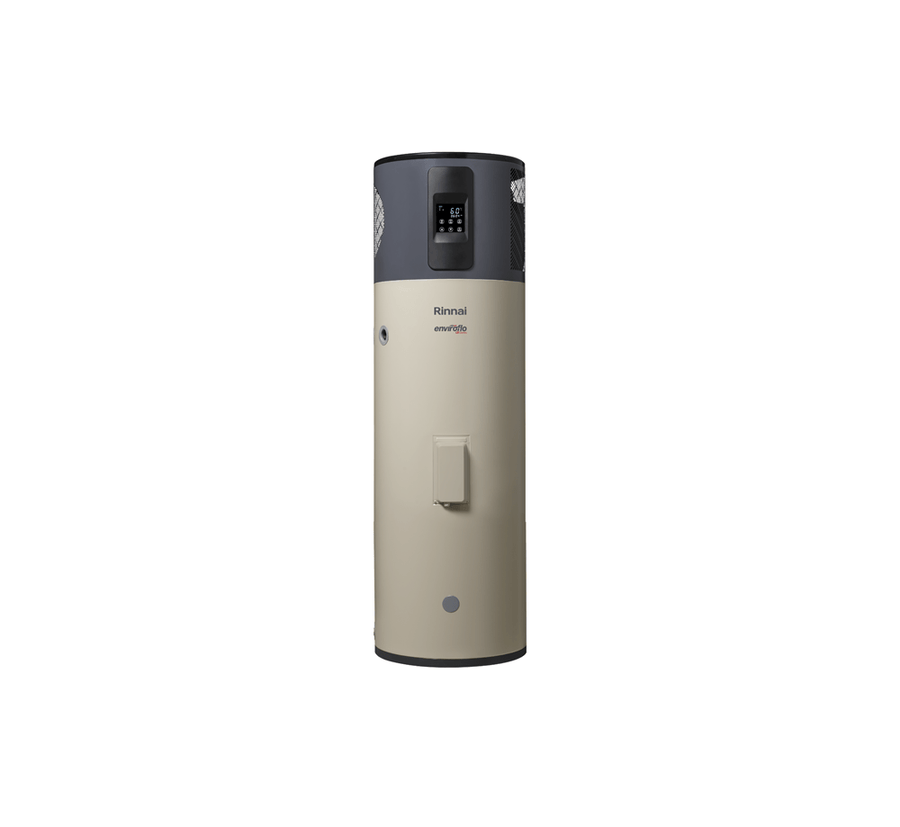
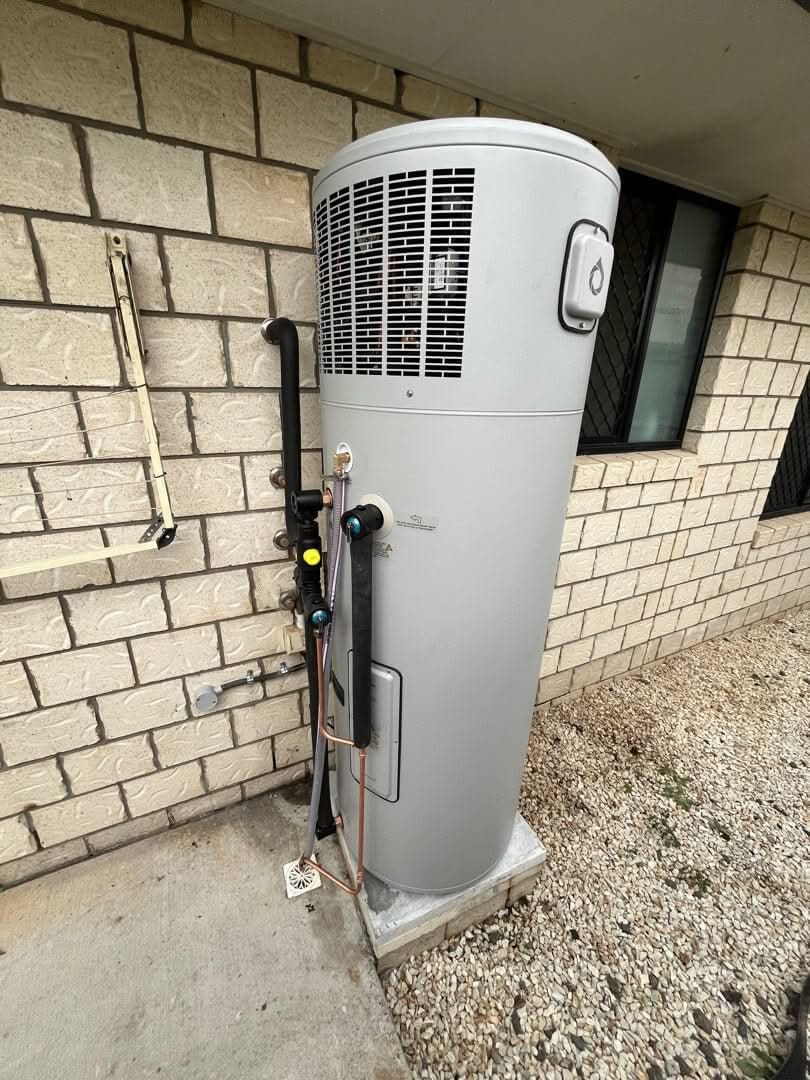
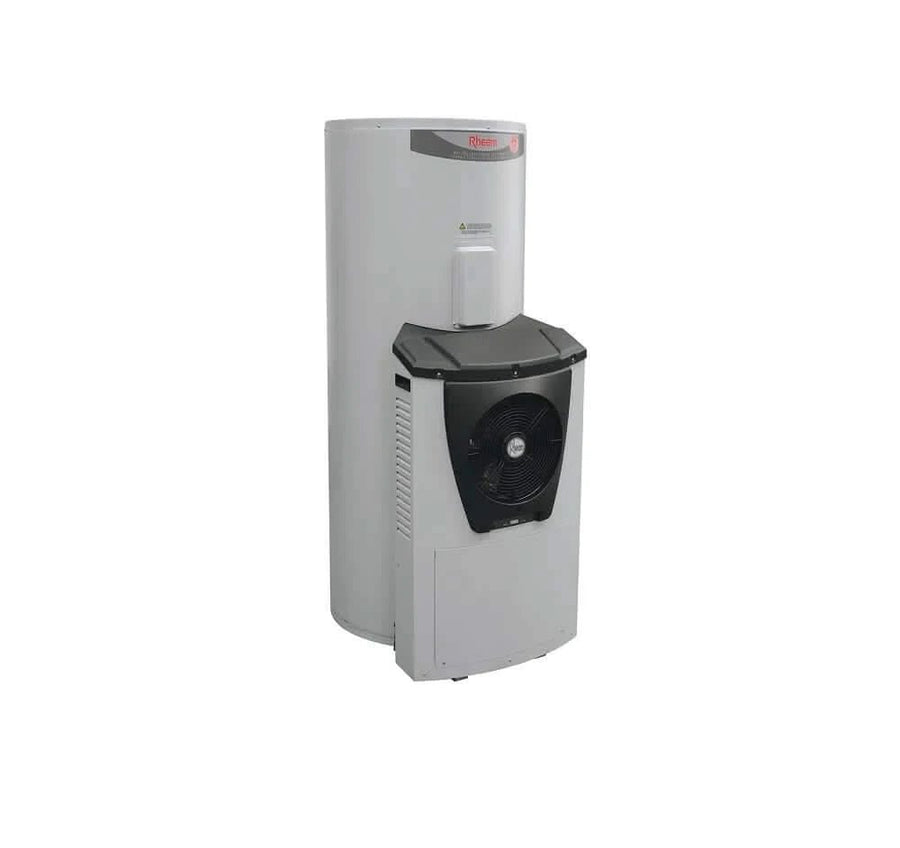
Heat pump hot water system price
Heat pump hot water systems usually cost more upfront than standard electric storage systems, but they can be more efficient in suitable conditions.
A heat pump uses electricity to draw heat from the surrounding air and transfer it into the water. It still stores hot water in a tank, but it can use less electricity than a standard electric storage system when installed and used correctly.
A heat pump may suit homes that have:
-
Suitable outdoor space
-
Good airflow
-
Condensate drainage
-
Electrical suitability
-
Enough access for delivery
-
Acceptable noise placement
-
Long-term efficiency goals
-
Rooftop solar that may support daytime operation where set up correctly
You can compare current options in the heat pump hot water systems collection.
What affects heat pump hot water pricing?
Heat pump pricing can be affected by:
-
Tank size
-
Brand
-
Efficiency
-
Recovery rate
-
Noise rating
-
One-piece or split-system design
-
Warranty terms
-
Outdoor location
-
Airflow
-
Condensate drainage
-
Base or slab condition
-
Electrical requirements
-
Timer setup
-
Old unit removal
-
Rebate or incentive eligibility
-
Access for delivery and installation
A heat pump may be a good upgrade from an old electric storage system, but it is not always the best fit for tight courtyards, enclosed spaces, poor drainage areas or noise-sensitive locations.
Solar hot water system price
Solar hot water systems can have a higher upfront cost because they may involve roof collectors, a storage tank, a booster, valves, roof access and more complex installation requirements.
Solar hot water pricing can be affected by:
-
Roof orientation
-
Roof pitch
-
Shading
-
Collector type
-
Tank location
-
Electric or gas boosting
-
Roof access
-
Existing solar pipework
-
Old collector removal
-
Plumbing complexity
-
Rebate or incentive eligibility
Solar hot water can suit some homes, but it is more site-specific than a standard electric storage, gas or heat pump replacement. If an older solar system has failed, it may be worth comparing solar replacement against heat pump, electric storage and gas options.
Price comparison: electric vs gas vs heat pump vs solar
Here is the simple comparison:
| System type | Upfront price tendency | Running cost tendency | Best suited to |
|---|---|---|---|
| Electric storage | Often lower upfront | Can be higher depending on tariff and usage | Simple like-for-like replacements |
| Instant gas | Moderate to higher depending on gas work | Depends on gas price and usage | Homes with natural gas or LPG |
| Heat pump | Higher upfront than standard electric | Often lower in suitable conditions | Efficiency-focused electric homes |
| Solar hot water | Often higher upfront | Can be low when the site suits | Homes with suitable roof and solar exposure |
The best option depends on your property. A low upfront price may not be the best value if the system is expensive to run or too small for your home.
What is the cheapest hot water system upfront?
The cheapest upfront hot water system is often a smaller electric storage system or a simple like-for-like replacement where the existing services already suit the new unit.
However, the lowest upfront price may not be the best choice if:
-
The system is too small
-
It runs out of hot water
-
It does not suit the household
-
It has high running costs
-
It needs extra installation work
-
It does not match the gas type
-
It does not fit the existing space
-
It creates tenant or guest complaints
For many homes, the best-value replacement is the system that is simple to install, correctly sized and suitable for the household.
What is the lowest running cost hot water system?
The lowest running cost hot water system depends on the property.
Heat pump and solar hot water can be efficient options where the site suits. Gas can be practical where the property already has suitable natural gas or LPG. Electric storage may still be a reasonable choice where the household has solar support, suitable tariffs or simple replacement needs.
Running costs depend on:
-
Electricity tariff
-
Gas tariff
-
Feed-in tariff
-
Solar generation
-
System efficiency
-
Tank size
-
Household usage
-
Climate
-
Timer setup
-
Maintenance
-
Hot water habits
Avoid choosing a system based only on a generic savings claim. Compare it against your actual home and usage.
Price of hot water system for a small home
Small homes, units and granny flats often need less hot water capacity than family homes.
Common options include:
-
50L electric storage for very small point-of-use needs
-
80L electric storage for low-use spaces
-
125L electric storage for 1–2 people
-
160L electric storage for more comfort
-
16 L/min instant gas where gas supply suits
-
Smaller heat pump systems where outdoor space and demand suit
For small homes, avoid overspending on capacity you do not need. But also avoid undersizing if the home may be rented, used by guests or occupied by more people later.
Price of hot water system for a family home
Family homes usually need stronger capacity and recovery.
Common options include:
-
250L electric storage for moderate family use
-
315L electric storage for larger families
-
400L electric storage for high-use households
-
20 L/min or 26 L/min instant gas where gas supply suits
-
Family-sized heat pump hot water where outdoor space and electrical setup suit
For family homes, the system should be chosen around showers, bathrooms, household size and peak demand. Choosing the smallest system to save upfront can lead to ongoing frustration.
Price of hot water system for rental properties
Rental properties should be sized for likely tenant demand, not only the current tenant.
For rentals, consider:
-
Correct capacity
-
Reliability
-
Simple operation
-
Existing services
-
Long-term value
-
Future tenant flexibility
-
Access for future service
-
Energy source
-
Repair vs replacement cost
-
Whether the system is easy for tenants to understand
A very small or low-cost system may create complaints if future tenants have higher demand.
Price of hot water system for Airbnb and short-stay properties
Short-stay properties should be sized for maximum guest occupancy.
Guests may shower back-to-back, use multiple bathrooms, run laundry and expect reliable hot water without understanding the system.
Common short-stay options include:
-
160L electric storage for compact stays
-
250L electric storage for family stays
-
315L or 400L electric storage for larger homes
-
20 L/min or 26 L/min instant gas where gas supply suits
-
Heat pump hot water where the location and recovery time suit
For Airbnb and short-stay properties, hot water reliability can affect guest experience, so choosing the cheapest small system can be risky.
Installation factors that change the final price
Installation can change the final price more than many customers expect.
Common price-changing factors include:
-
Difficult access
-
Stairs
-
Tight cupboards
-
Narrow side paths
-
Roof-mounted solar components
-
Indoor-to-outdoor relocation
-
Gas pipe upgrades
-
Electrical upgrades
-
New valves
-
Drainage changes
-
Old unit disposal
-
Oversized or heavy tanks
-
Wall mounting
-
Non-compliant existing work
-
Long pipe runs
-
Slab or base replacement
This is why a like-for-like replacement is often simpler to price than a system change.
Replacing like-for-like vs upgrading
Like-for-like replacement is usually the simplest pathway when the existing system type and size worked well.
Like-for-like may mean:
-
Electric storage to electric storage
-
Instant gas to instant gas
-
Natural gas to natural gas
-
LPG to LPG
-
Heat pump to heat pump
-
Same size or similar size
-
Same location where practical
Upgrading may be better if:
-
The old system ran out of hot water
-
More people now live in the home
-
A second bathroom was added
-
The system is expensive to run
-
The home now has rooftop solar
-
The property has become a rental
-
The property is used for short-stay accommodation
-
The old system is no longer suitable
Upgrading can improve performance, but it may also change installation requirements.
Rebates and incentives
Rebates and incentives can affect the price of a hot water system, especially for heat pump and solar options.
However, rebate rules can change by:
-
State
-
Product type
-
Installation date
-
Installer accreditation
-
Property eligibility
-
Energy scheme
-
Paperwork requirements
Before choosing a system based on a rebate, check:
-
Whether the product is currently eligible
-
Whether your property is eligible
-
Whether your installer must be accredited
-
Whether the rebate is applied upfront or claimed later
-
Whether the advertised price already includes the rebate
-
Whether the scheme is still available
Do not rely on old rebate information when ordering a hot water system.
Maintenance and long-term cost
Maintenance also affects the long-term price of a hot water system.
Depending on the system type, maintenance may include:
-
Valve checks
-
Relief valve testing by a licensed professional
-
Gas servicing
-
Filter cleaning
-
Heat pump airflow checks
-
Condensate drainage checks
-
Solar collector checks
-
Leak inspections
-
Anode inspection or replacement on some storage tanks
-
General system condition checks
A cheaper system may cost more over time if it is difficult to service, poorly suited to the home or fails earlier than expected.
Hot water system brands and price
Hot water system price also varies by brand.
Installed Today stocks selected hot water brands across different categories. Customers commonly compare brands such as:
-
Rheem
-
Rinnai
-
Dux
-
Vulcan
-
Thermann
-
Stiebel Eltron
-
iStore
-
Aquamax
You can compare brand collections such as Rheem hot water systems, Rinnai hot water systems and Dux hot water systems.
The best brand depends on the system type, household demand, installation requirements, warranty terms and product availability.
What to check before ordering a hot water system online
Before ordering, check:
-
Current system type
-
Current brand and model
-
Current tank size or flow rate
-
Electric, gas, heat pump or solar
-
Natural gas or LPG if gas
-
Number of people in the home
-
Number of bathrooms
-
Whether the old system ran out often
-
Indoor or outdoor location
-
Available space
-
Access for delivery
-
Electrical requirements
-
Gas requirements
-
Drainage requirements
-
Valve requirements
-
Old unit removal needs
-
Whether you need supply-only or supplied-and-installed
If ordering supply-only, confirm the selected system with your licensed installer before purchase.
Common mistake: comparing only the unit price
The unit price is not the full cost.
A low-cost product may still need:
-
Valves
-
Pipework changes
-
Gas work
-
Electrical work
-
Drainage
-
Old unit removal
-
Disposal
-
Compliance upgrades
-
Difficult access labour
Always compare the product and the replacement pathway together.
Common mistake: choosing the same size even though the old system ran out
If your old system regularly ran out of hot water, replacing it with the same size may continue the problem.
Hot water demand can change when:
-
More people move in
-
Children become teenagers
-
A second bathroom is added
-
A granny flat is connected
-
The property becomes a rental
-
The property becomes an Airbnb
-
Shower habits change
Replacement is the right time to check whether the old system was actually the right size.
Common mistake: choosing heat pump without checking the location
Heat pumps need outdoor airflow, drainage, access and acceptable noise placement.
A heat pump may not suit:
-
Tight enclosed areas
-
Poor drainage locations
-
Noise-sensitive courtyards
-
Apartments with body corporate restrictions
-
Sites with difficult access
-
Homes needing the lowest upfront replacement cost
Confirm site suitability before ordering.
Common mistake: choosing gas without checking fuel type
Natural gas and LPG are different. If you choose the wrong gas model, installation may be delayed and extra costs may apply.
Always confirm natural gas or LPG before ordering any gas hot water system.
Common mistake: assuming supply-only includes installation
Supply-only pricing generally means product supply only.
Installation, valves, plumbing, gas work, electrical work, drainage, old unit removal, disposal and compliance upgrades are separate unless clearly shown as included.
Final recommendation
The price of a hot water system depends on the product, system type, size, energy source, installation requirements and long-term running costs. The best choice is not always the cheapest unit or the most expensive upgrade. It is the system that suits your home, household demand and replacement pathway.
For simple electric replacements, compare electric hot water systems. For homes with natural gas or LPG, compare instant gas hot water systems. For efficiency-focused electric upgrades, compare heat pump hot water systems. To view all major options, browse the Installed Today hot water systems range.
Before ordering, check the product price, installation inclusions, old unit removal, site requirements and whether the system is the right size for your home.
Long-tail FAQs
What is the price of a hot water system?
The price of a hot water system depends on the type, brand, size, energy source, installation requirements and whether it is supply-only or supplied-and-installed where available.
What is the cheapest hot water system to buy?
A smaller electric storage hot water system is often one of the cheapest upfront options, especially for a like-for-like replacement. However, it may not be the cheapest long-term option if running costs are high or the system is undersized.
Why do hot water system prices vary so much?
Prices vary because different systems have different sizes, brands, installation needs, valves, electrical requirements, gas requirements, drainage, access and old unit removal needs.
Is electric hot water cheaper than gas hot water?
Electric hot water can be cheaper upfront in some replacements, while gas may suit homes already connected to natural gas or LPG. The better option depends on tariffs, existing services, installation cost and household demand.
Is heat pump hot water worth the higher price?
Heat pump hot water may be worth the higher upfront price for homes replacing old electric storage where outdoor space, airflow, drainage and electrical setup suit.
Does hot water system price include installation?
Not always. Supply-only pricing generally does not include installation. Supplied-and-installed options are available on selected products in eligible Brisbane and Gold Coast service areas where shown.
What size hot water system do I need?
The right size depends on the number of people, bathrooms, showers, usage habits and whether the home is owner-occupied, rented or used for short-stay accommodation.
Are hot water rebates available?
Rebates and incentives may be available for selected products in some areas, but rules change. Check current product, property and installer eligibility before relying on any rebate.
What hot water system is cheapest to run?
Heat pump and solar hot water can have lower running costs in suitable conditions, while gas may suit some homes with existing gas supply. Running cost depends on tariffs, usage, climate, solar power and system sizing.
What should I check before buying a hot water system?
Check your current system type, tank size or flow rate, gas type if applicable, household demand, installation location, dimensions, access, electrical requirements, gas requirements, drainage and whether installation is included.