
Best Heat Pump Solution for Hot Water: How to Choose the Right System for Your Home
A heat pump hot water system can be a practical solution for homes wanting an efficient electric alternative to standard electric storage hot water. Instead of relying only on an electric element to heat water, a heat pump uses electricity to move heat from the surrounding air into the water stored in the tank.
The best heat pump solution depends on your household size, daily hot water use, outdoor space, airflow, condensate drainage, electrical supply, access, noise placement and whether the system will suit your home’s usage pattern.
Installed Today helps customers compare heat pump hot water systems, including medium heat pump hot water systems from 200L to 280L, large heat pump hot water systems over 280L and Wi-Fi enabled heat pump hot water systems.
Supply-only ordering is available across major Australian metro areas, with selected supplied-and-installed options available on eligible products in Brisbane and Gold Coast service areas where shown.
Quick Answer
The best heat pump solution for hot water is the one that matches your household demand and installation location.
A heat pump hot water system may suit you if:
-
You are replacing an older electric storage hot water system
-
The home does not have natural gas or LPG
-
You want an efficient electric storage-style hot water option
-
There is suitable outdoor space
-
The unit location has clear airflow
-
Condensate drainage can be managed
-
Electrical supply is suitable
-
Noise placement will not create issues
-
The tank size suits the household’s daily hot water use
-
Solar PV timer operation may suit your usage pattern
A heat pump is not automatically the best option for every property. If the unit is placed in a poor airflow location, near bedrooms, without suitable drainage or in a spot that is difficult to access, performance and practicality can suffer.
What Is a Heat Pump Hot Water System?
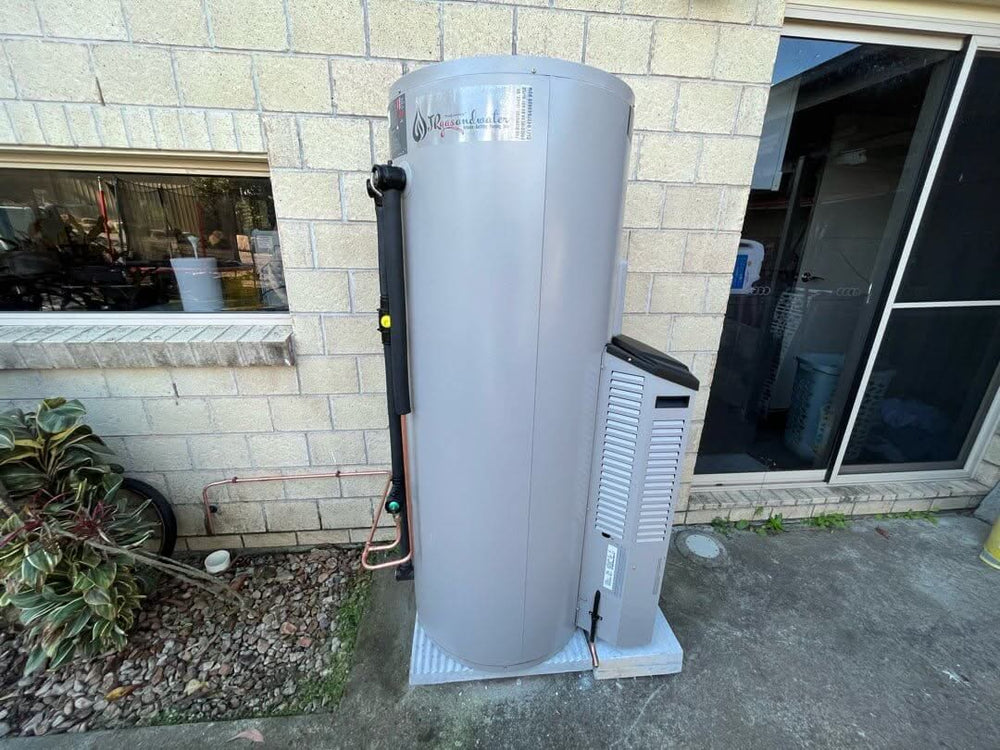
A heat pump hot water system is a storage hot water system that uses heat from the surrounding air to warm water inside a tank.
It works using a refrigeration-style process. The system extracts heat from the air, transfers it through a compressor and heat exchanger, then uses that heat to warm the stored water.
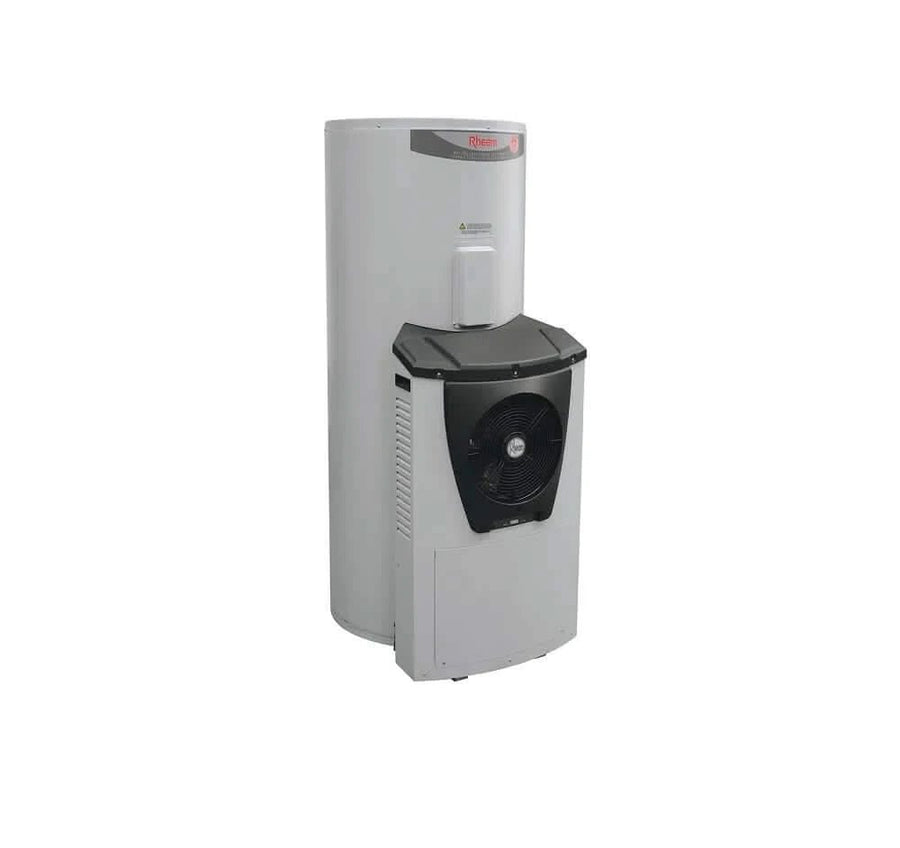
Most domestic heat pump hot water systems include:
-
Storage tank
-
Compressor
-
Fan
-
Evaporator
-
Heat exchanger
-
Controller
-
Condensate drain
-
Electrical connection
-
Plumbing connections
-
Backup or boost heating, depending on the model
Heat pumps still use electricity, but they can use it differently from a standard electric storage system.
How Does a Heat Pump Water Heater Work?
A heat pump water heater works by moving heat rather than simply generating heat.
The basic process is:
-
The fan draws surrounding air across the evaporator
-
Heat is absorbed from the air
-
Refrigerant carries that heat through the system
-
The compressor increases the heat level
-
Heat is transferred into the water tank
-
Condensate is produced and drained away
-
Stored hot water is supplied to the home when needed
This is why outdoor location, airflow and drainage are so important. A heat pump needs access to air and a safe way to manage condensate.
Why Choose a Heat Pump Hot Water System?
A heat pump hot water system may be worth considering where the home and installation location suit the technology.
Potential benefits include:
-
Efficient electric hot water in suitable conditions
-
A practical option for homes without gas
-
A storage-style system for everyday household hot water
-
Potential compatibility with solar PV timer operation
-
An alternative to standard electric storage
-
A possible option for homes moving away from gas
-
Medium and larger tank sizes for different households
Actual running costs and savings vary by household use, tariff, timer settings, climate, tank size, installation location and system model. Avoid choosing a heat pump based only on a generic savings claim.
Heat Pump Hot Water vs Standard Electric Storage
A standard electric storage system uses an electric element to heat water in a tank. A heat pump also stores hot water in a tank, but uses heat from the surrounding air as the main heat source.
Electric Storage May Suit:
-
Simple like-for-like replacements
-
Homes where outdoor heat pump placement is not suitable
-
Locations with poor airflow
-
Homes where condensate drainage is difficult
-
Customers wanting a familiar storage tank
-
Properties where noise placement is a concern
Customers comparing standard electric options can browse electric hot water systems, including 250L electric hot water systems, 315L electric hot water systems and 400L electric hot water systems.
Heat Pump Hot Water May Suit:
-
Homes wanting an efficient electric storage-style system
-
Properties with suitable outdoor space
-
Homes with clear airflow around the unit
-
Locations where condensate drainage is practical
-
Homes without natural gas or LPG
-
Customers replacing older electric storage systems
-
Solar PV homes where daytime timer operation suits usage
The right choice depends on the home, not just the product type.
Best Heat Pump Hot Water Systems to Compare
There is no single best heat pump hot water system for every Australian home. The right choice depends on tank size, household demand, installation location, noise placement, access, electrical requirements and product availability.
Below are heat pump hot water options customers can compare through Installed Today.
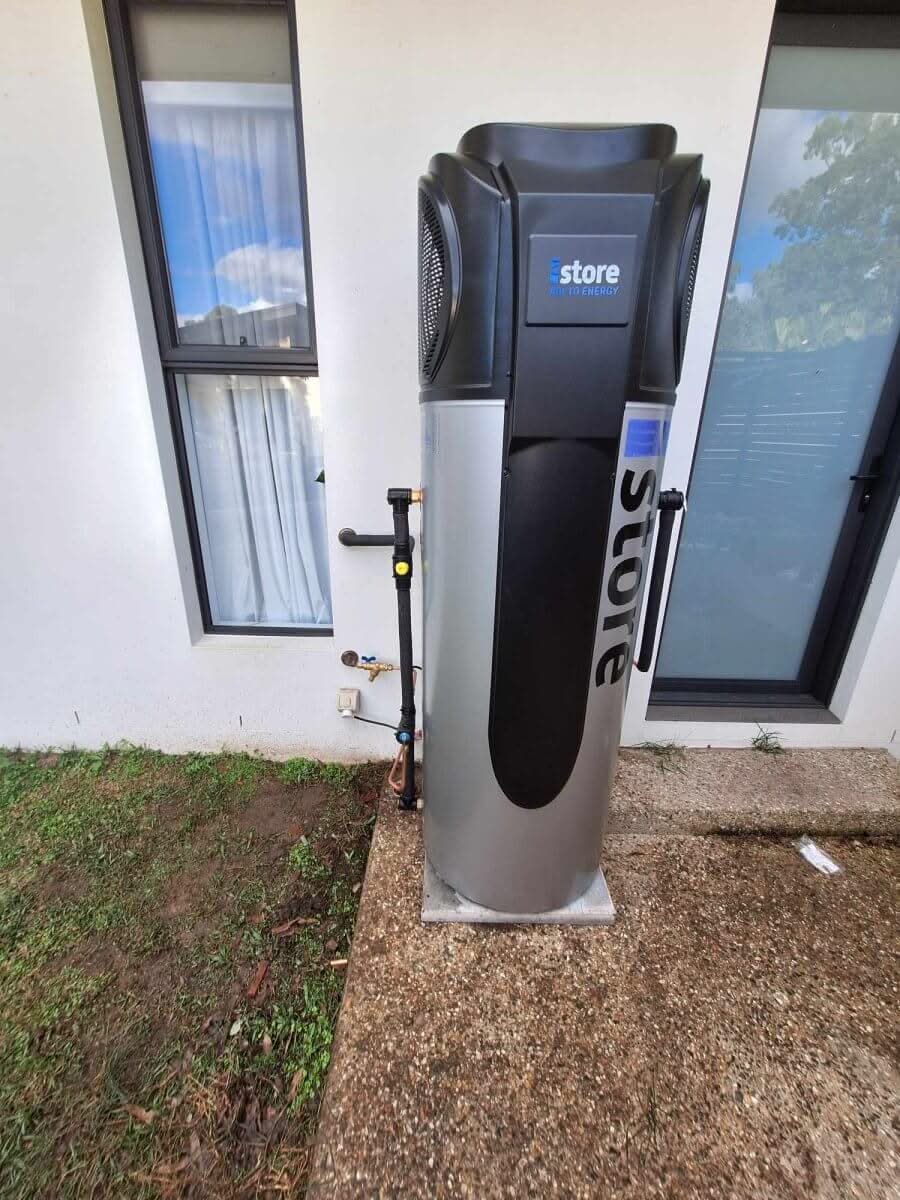
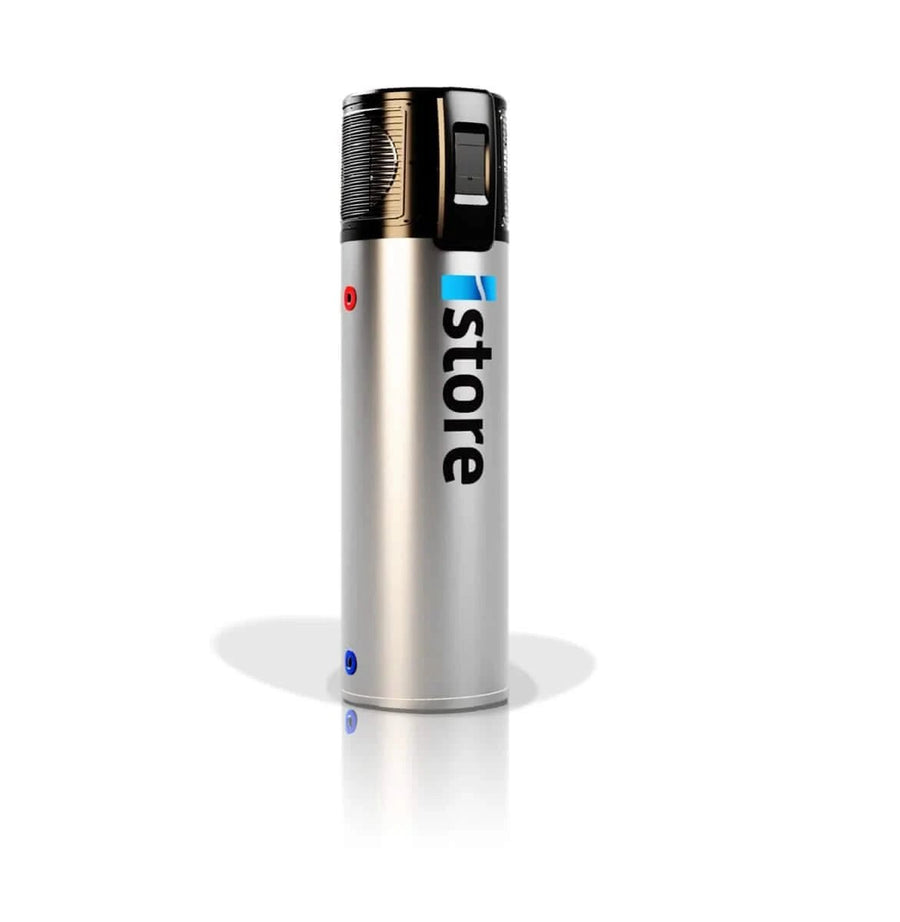
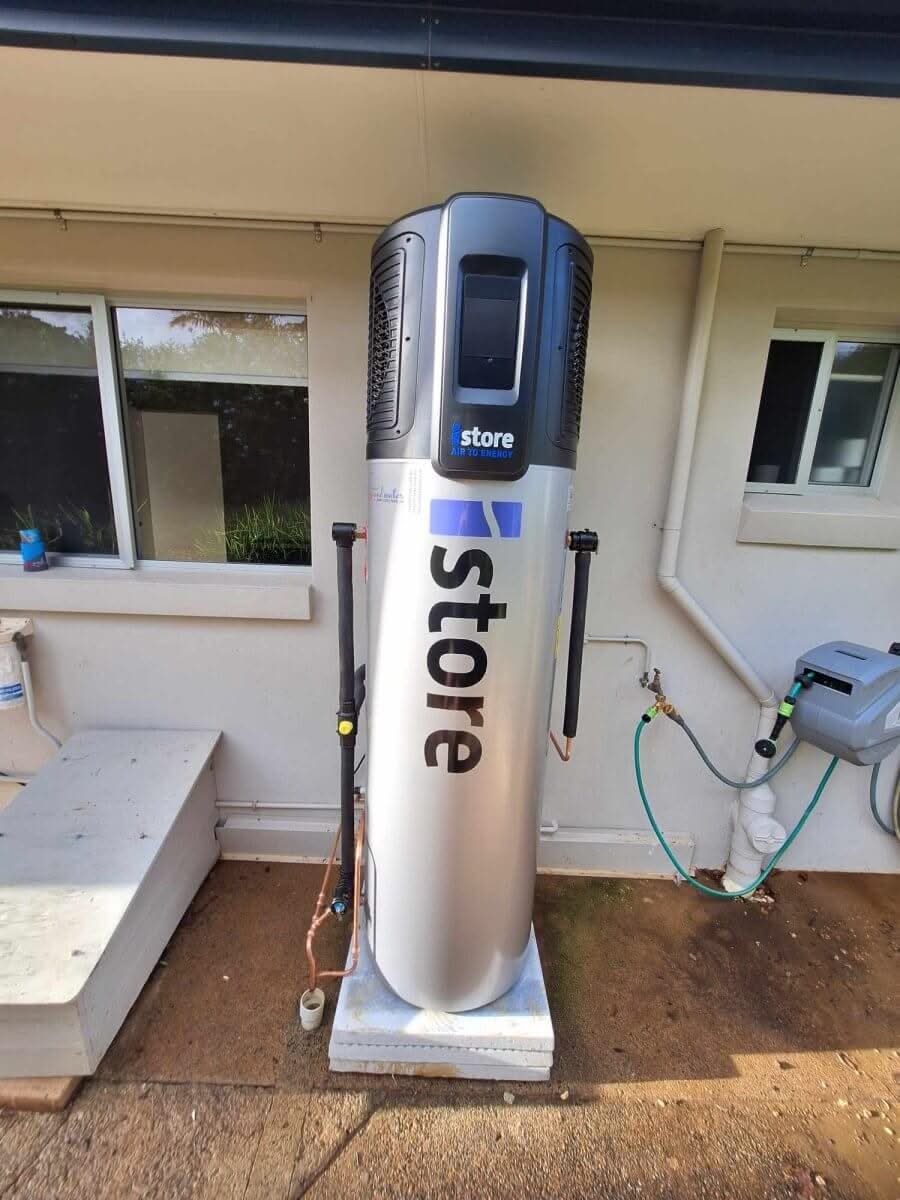
iStore 270L Heat Pump Hot Water System
The iStore 270L Heat Pump Hot Water System may suit households comparing a medium heat pump hot water system around the 270L size range.
It may suit:
-
Medium households
-
Homes replacing older electric storage systems
-
Properties with suitable outdoor space
-
Solar PV homes where timer operation suits usage
-
Customers wanting a heat pump hot water option with practical storage capacity
Before ordering, check airflow, condensate drainage, electrical suitability, access and noise placement.
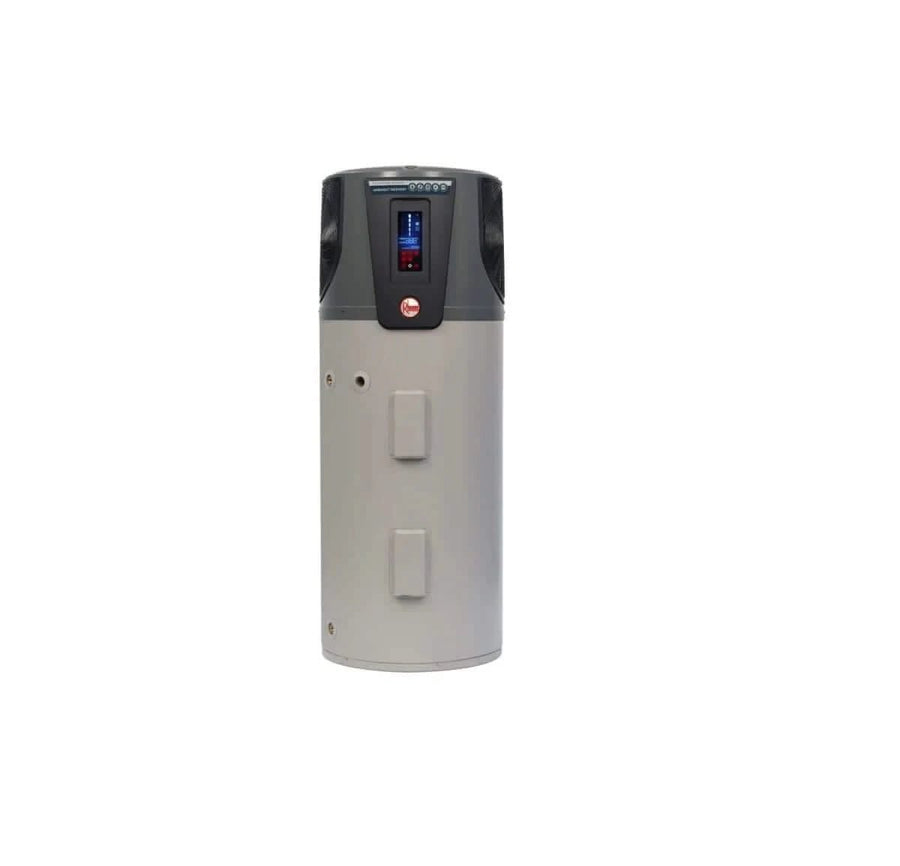
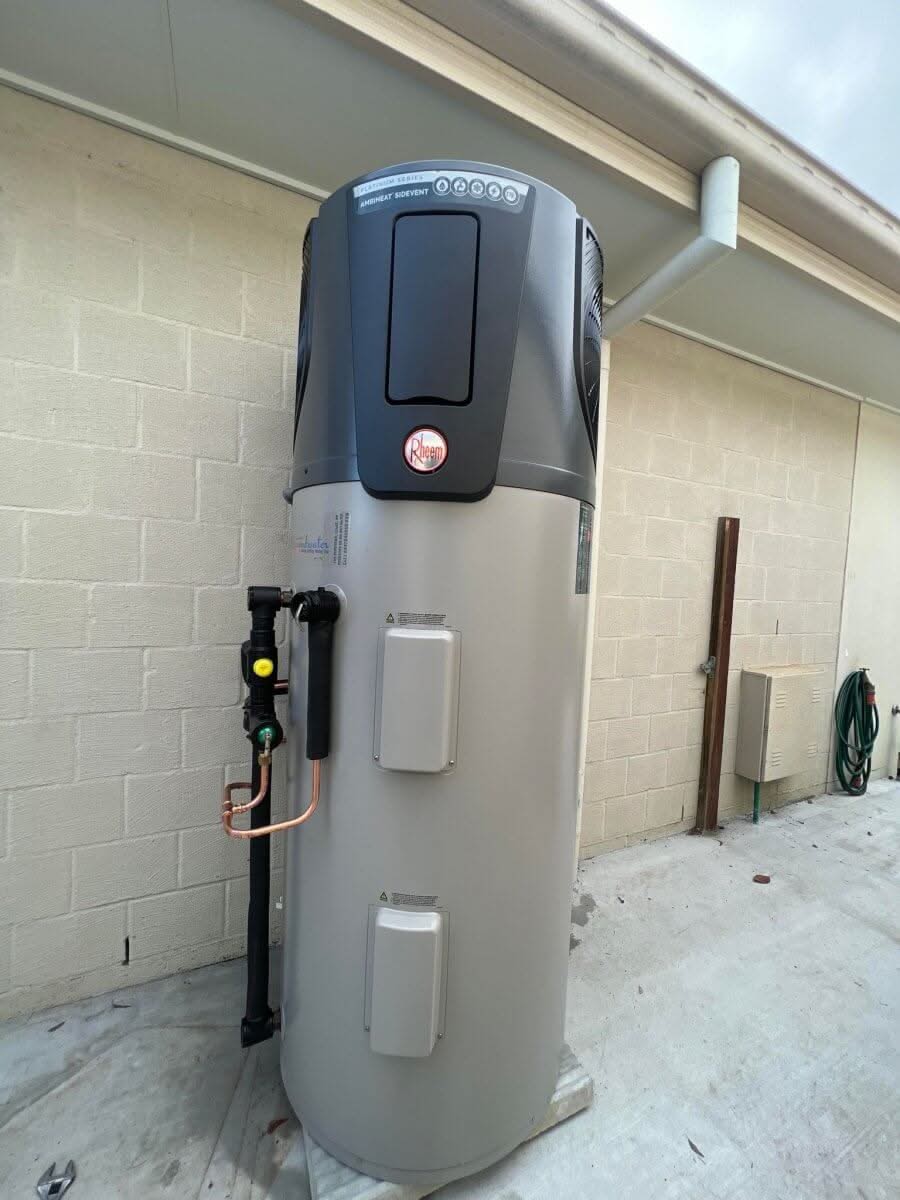
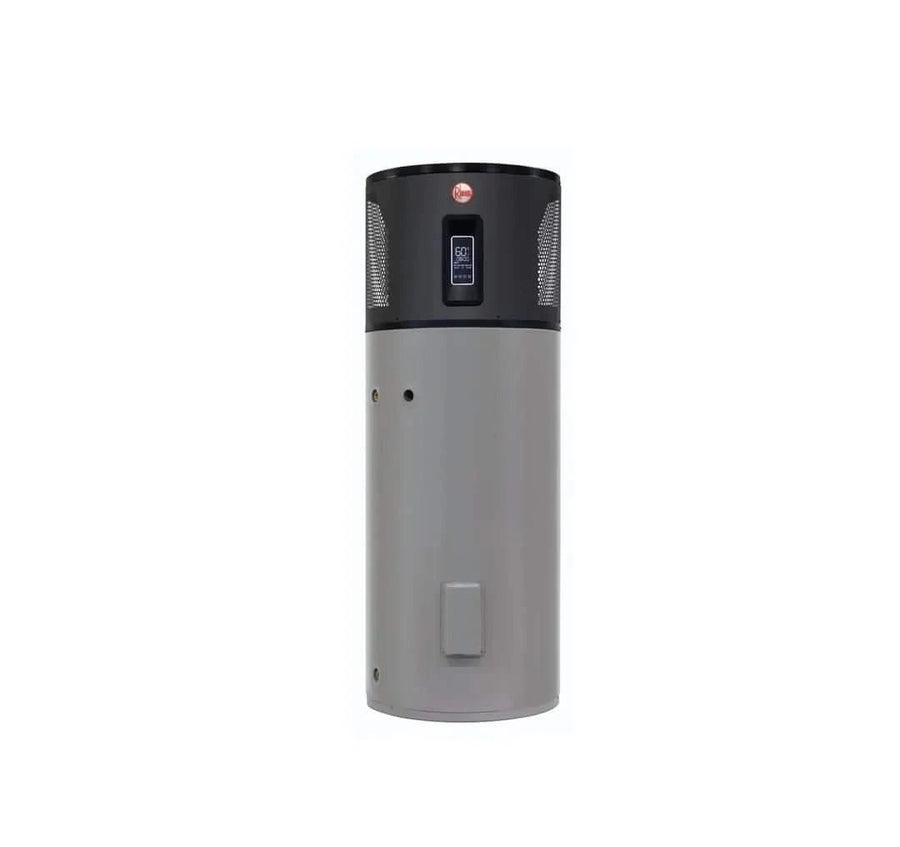
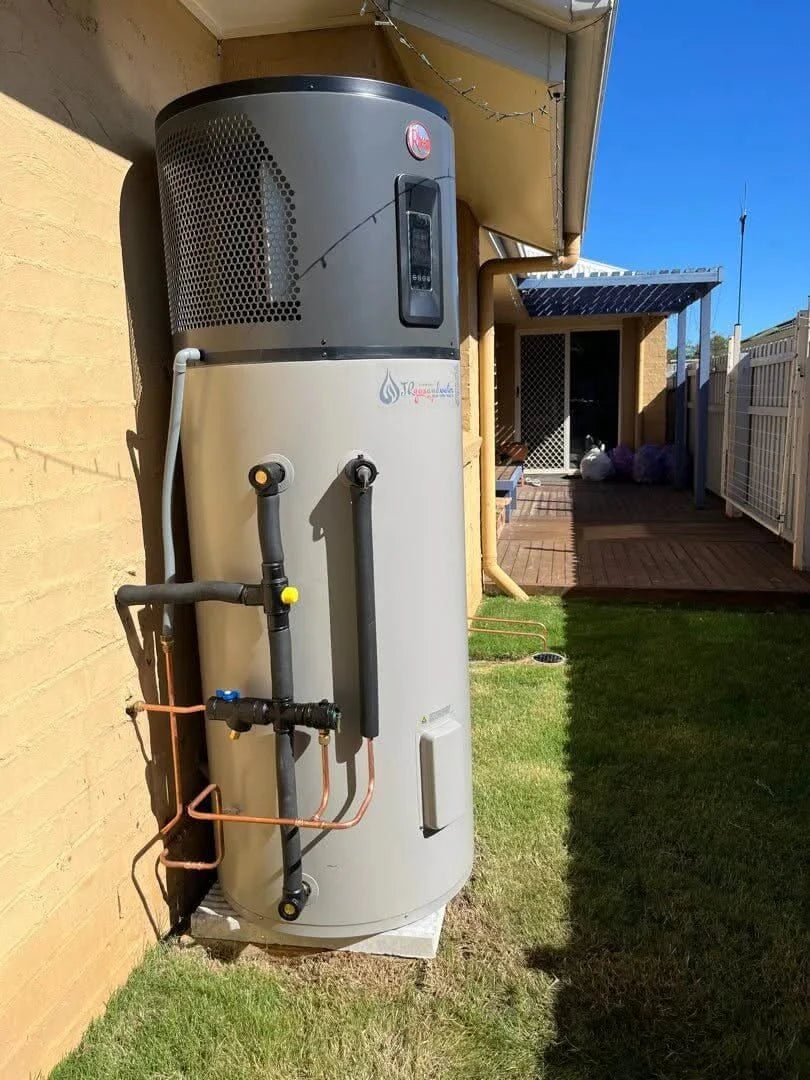
Rheem AmbiHeat 270L Heat Pump Hot Water System
The Rheem AmbiHeat 270L Heat Pump Hot Water System may suit customers wanting to compare a heat pump option from a well-known hot water brand.
It may suit:
-
Medium household hot water demand
-
Homes comparing Rheem heat pump options
-
Customers replacing electric storage
-
Outdoor locations with suitable airflow
-
Properties where drainage and access are practical
Rheem heat pump suitability should be checked against household usage, outdoor location and electrical requirements.
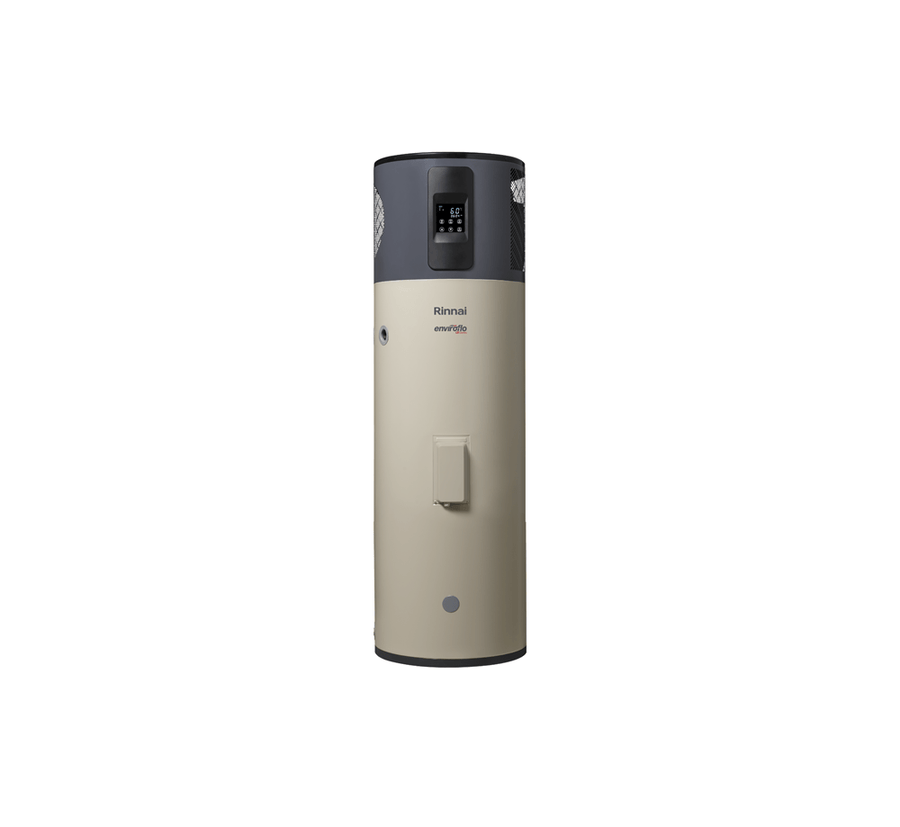
Rinnai Enviroflo V2 250L Heat Pump Hot Water System
The Rinnai Enviroflo V2 250L Heat Pump Hot Water System may suit customers comparing a 250L heat pump system.
It may suit:
-
Small to medium households
-
Homes with suitable outdoor space
-
Customers wanting a Rinnai heat pump option
-
Properties replacing a similar electric storage capacity
-
Homes where airflow and condensate drainage are suitable
A 250L system may not suit every family, especially where long showers, baths or simultaneous hot water use are common.
Rinnai Enviroflo GR-Series 280L Heat Pump Hot Water System
The Rinnai Enviroflo GR-Series 280L Heat Pump Hot Water System may suit households comparing a larger medium heat pump tank.
It may suit:
-
Medium to larger households
-
Homes with higher daily hot water use
-
Properties with suitable outdoor location
-
Customers comparing larger Rinnai heat pump models
-
Homes where airflow, drainage and noise placement have been checked
Tank size should be selected based on real hot water demand, not only the number of people in the home.
Rinnai Enviroflo GR-Series 300L Heat Pump Hot Water System
The Rinnai Enviroflo GR-Series 300L Heat Pump Hot Water System may suit larger households comparing higher-capacity heat pump hot water systems.
It may suit:
-
Larger families
-
Homes with multiple bathrooms
-
Higher hot water demand
-
Properties with suitable outdoor installation requirements
-
Customers comparing large heat pump options
Larger heat pumps need suitable space, access, drainage and electrical supply. They should not be chosen without checking household usage and installation conditions.
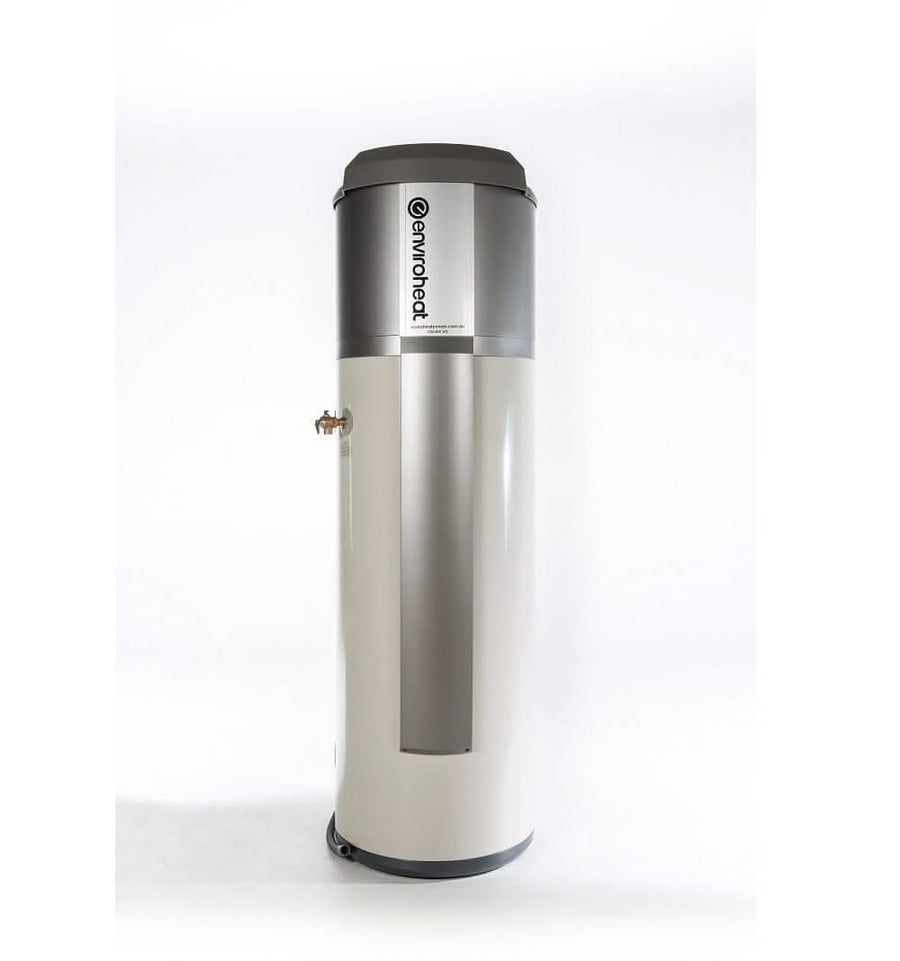
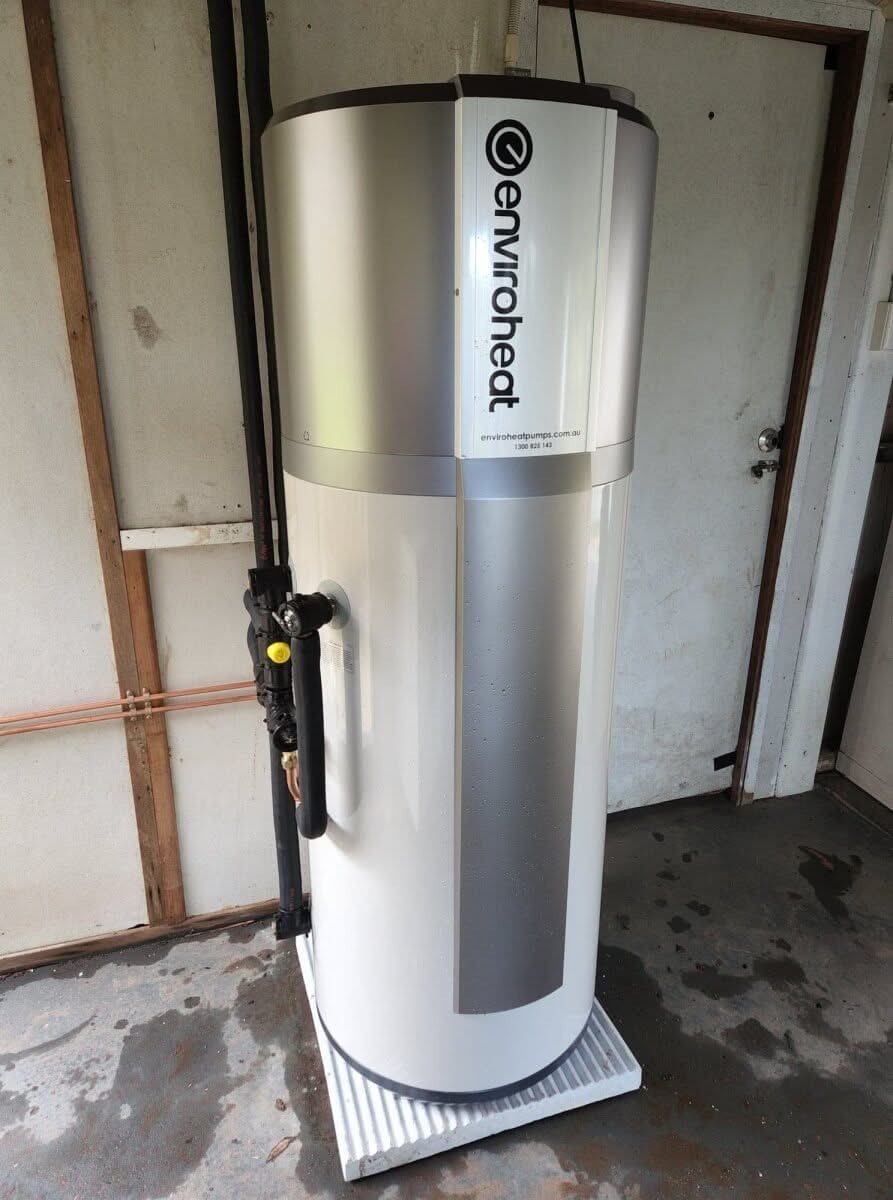
Enviroheat 250L Heat Pump Hot Water System
The Enviroheat 250L Heat Pump Hot Water System may suit customers comparing a 250L heat pump option for everyday household use.
It may suit:
-
Small to medium households
-
Homes replacing older electric storage
-
Properties with suitable outdoor airflow
-
Customers comparing value-focused heat pump systems
-
Locations where condensate drainage can be managed
As with any heat pump, noise placement, access and electrical suitability should be checked before ordering.
What Size Heat Pump Do You Need?
Heat pump sizing depends on how the household actually uses hot water.
Consider:
-
Number of people in the home
-
Number of bathrooms
-
Shower length and frequency
-
Whether showers run at the same time
-
Bath use
-
Kitchen and laundry use
-
Existing system size
-
Whether the old system ran out of hot water
-
Recovery time
-
Timer settings
-
Solar PV timing
-
Peak usage periods
-
Incoming water temperature
-
Installation location
As a general guide:
-
Around 250L may suit some small to medium households
-
Around 270L to 280L may suit many medium households
-
Around 300L and above may suit larger households or higher hot water demand
These are general comparisons only. A household with fewer people but long showers may use more hot water than a larger household with shorter showers.
Medium vs Large Heat Pump Hot Water Systems
Installed Today separates heat pump systems into practical size categories.
Medium heat pump hot water systems from 200L to 280L may suit many standard household replacements where demand is moderate.
Large heat pump hot water systems over 280L may suit homes with more bathrooms, more occupants or heavier daily hot water use.
A larger tank can provide more stored hot water, but it also needs more space and may cost more upfront. The right size should balance comfort, efficiency, budget and installation practicality.
Heat Pumps and Solar PV
A heat pump hot water system may work well with solar PV where timer operation and household usage line up.
Solar PV pairing may suit homes where:
-
The heat pump can run during daytime solar generation
-
Timer settings suit the household
-
The system has enough stored hot water for evening use
-
Electrical setup is suitable
-
The installer confirms the configuration
Solar PV does not automatically make every heat pump the right choice. The home still needs the right tank size, recovery time, installation location and usage pattern.
Customers interested in control features can also compare Wi-Fi enabled heat pump hot water systems, where suitable.
Heat Pump Airflow Requirements
Heat pumps need access to air to operate properly.
Poor airflow can affect performance, recovery and efficiency.
Avoid locations that are:
-
Fully enclosed
-
Too close to walls
-
Inside tight cupboards
-
Under low covers without clearance
-
Blocked by stored items
-
Too close to fences without adequate spacing
-
Poorly ventilated
Outdoor location and clearance requirements should be checked against the manufacturer’s instructions.
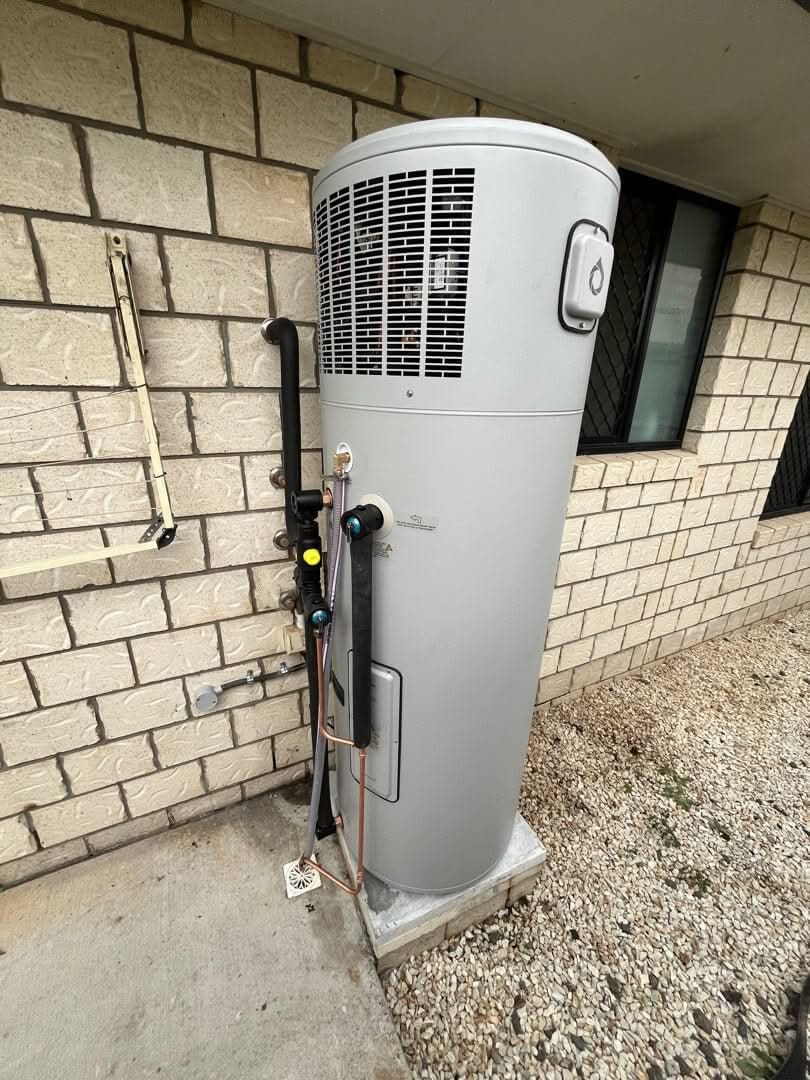
Condensate Drainage
Heat pumps produce condensate during operation. This water must drain safely and legally.
Before ordering, check:
-
Where condensate will drain
-
Whether the location has suitable drainage
-
Whether drainage work may be required
-
Whether the unit could create nuisance water
-
Whether the system is near paths, foundations or neighbouring areas
-
Whether a plumber needs to provide drainage provisions
Condensate drainage is easy to overlook but important for a suitable installation.
Heat Pump Noise Placement
Heat pumps include fans and compressors, so location matters.
Before choosing a unit location, consider whether it will be near:
-
Bedrooms
-
Neighbouring bedrooms
-
Living areas
-
Boundary fences
-
Narrow side paths
-
Courtyards
-
Townhouse walls
-
Units or shared spaces
A location may be convenient for pipework but poor for noise. Check product details and confirm placement with a licensed installer.
Electrical Requirements
Heat pump hot water systems require electricity.
Before ordering, confirm:
-
Electrical supply suitability
-
Circuit requirements
-
Switchboard suitability
-
Whether electrical work is needed
-
Whether a timer or control setup is required
-
Whether solar PV timing is planned
-
Whether a licensed electrician is required
Electrical work must be completed by a licensed electrician where required.
Heat Pump vs Gas Hot Water
A heat pump and a gas hot water system suit different homes.
Heat Pump May Suit:
-
Homes without gas
-
Customers wanting an efficient electric storage-style system
-
Properties with suitable outdoor space
-
Homes with clear airflow and drainage
-
Customers moving away from gas
-
Solar PV homes where timer operation suits usage
Gas Hot Water May Suit:
-
Homes with existing natural gas or LPG
-
Customers wanting gas storage or instant gas
-
Properties with suitable gas pipe sizing
-
Homes with suitable water pressure
-
Customers wanting compact continuous flow hot water
Customers comparing gas alternatives can browse gas hot water systems, instant gas hot water systems and 26L instant gas hot water systems.
Natural gas and LPG are not interchangeable. Gas work must be completed by a licensed gas fitter.
Heat Pump vs Solar Hot Water
Heat pumps and solar hot water can both be considered by households looking beyond standard electric storage, but they have different requirements.
Heat Pump May Suit:
-
Homes with unsuitable roof conditions
-
Shaded properties
-
Homes where roof access is difficult
-
Customers replacing electric storage
-
Properties with outdoor ground-level space
-
Homes where condensate drainage can be managed
Solar Hot Water May Suit:
-
Homes with suitable roof orientation
-
Minimal shading
-
Suitable roof pitch
-
Safe roof access
-
Suitable roof structure
-
Correct booster setup
-
Practical maintenance access
Solar hot water often still needs electric or gas boosting for cloudy weather or high-demand periods. STCs, rebates and incentives can change, so eligibility should be confirmed before choosing a system based on rebates.
Heat Pump vs Instant Electric Hot Water
Heat pump hot water and instant electric hot water are very different.
A heat pump is usually a storage-style system designed for whole-home hot water.
An instant electric hot water system is often better suited to point-of-use applications such as:
-
Hand basins
-
Small sinks
-
Offices
-
Kitchenettes
-
Workshops
-
Low-demand fixtures
Instant electric is not automatically suitable for whole-home shower use. Some systems can require high electrical capacity, dedicated circuits or three-phase power.
Are Heat Pumps Suitable for Businesses?
Heat pump hot water may suit some small business or light commercial applications, but sizing and suitability need more careful checking than a standard home.
Business use may involve:
-
Higher daily hot water demand
-
Peak usage periods
-
Staff amenities
-
Kitchen or washdown requirements
-
Recovery time requirements
-
More frequent use
-
Access and drainage limitations
-
Commercial compliance requirements
-
Different warranty or product suitability considerations
Installed Today is focused on online supply of hot water systems, water filters and pumps, with selected supplied-and-installed options on eligible products in Brisbane and Gold Coast service areas where shown. For complex commercial applications, confirm suitability with a licensed installer or hot water specialist before ordering.
Rebates, STCs and Incentives
Some heat pump hot water systems may be eligible for STCs, rebates or incentives depending on the product, location, installation details and current program rules.
These programs can change.
Before choosing a heat pump based on incentives, check:
-
Current eligibility
-
Product type
-
Installation location
-
Installer requirements
-
Whether the advertised price already includes incentives
-
Documentation requirements
-
Whether supply-only orders qualify
Do not choose a heat pump based only on a possible rebate. The system must still suit the household, installation location, electrical supply, drainage and access.
Running Costs and Savings
Heat pump hot water systems can be efficient in suitable conditions, but running costs vary from home to home.
Running costs can be affected by:
-
Household hot water use
-
Shower length
-
Number of occupants
-
Tank size
-
Timer settings
-
Solar PV timing
-
Electricity tariff
-
Local climate
-
Installation location
-
Airflow
-
Maintenance condition
-
Booster use
-
Whether the system is correctly sized
A heat pump that is poorly located, undersized or used outside its ideal conditions may not perform as expected.
Installation Requirements
Heat pump installation can involve plumbing and electrical work.
A licensed installer may need to check:
-
Outdoor location
-
Airflow clearance
-
Condensate drainage
-
Electrical supply
-
Switchboard suitability
-
Existing pipework
-
Valves
-
Temperature control requirements
-
Access for installation
-
Access for future service
-
Noise placement
-
Old unit removal
-
Compliance requirements
Plumbing work should be completed by a licensed plumber where required. Electrical work must be completed by a licensed electrician where required.
Maintenance for Heat Pump Hot Water
Heat pump maintenance depends on the model, water quality, usage and manufacturer instructions.
Maintenance may include:
-
Checking for visible leaks
-
Keeping airflow areas clear
-
Checking condensate drainage
-
Monitoring unusual noise
-
Checking hot water performance
-
Inspecting valves
-
Following manufacturer servicing guidance
-
Checking electrical components where required
-
Cleaning or inspecting filters where applicable
-
Ensuring the unit remains accessible
Do not attempt electrical, refrigerant or plumbing repairs yourself. Licensed trades should complete work where required.
Brisbane and Gold Coast Considerations
Brisbane and Gold Coast homes can be well suited to heat pump hot water where outdoor space, airflow and drainage are available.
Common local considerations include:
-
Narrow side access
-
Outdoor noise placement
-
Condensate drainage
-
Heat pump airflow
-
Existing electric storage replacements
-
Solar PV timer use
-
Coastal exposure on the Gold Coast
-
Slab or base condition
-
Electrical supply
-
Switchboard capacity
-
Access for old unit removal
-
Compliance upgrades
-
Townhouse or body corporate requirements
Selected supplied-and-installed options are available on eligible Installed Today products in Brisbane and Gold Coast service areas where shown. Availability depends on the product, address and installation requirements.
Supply-Only vs Supplied-and-Installed
Installed Today offers supply-only ordering across major Australian metro areas. This can suit customers who already have a licensed installer organised and want to order the product online.
Selected supplied-and-installed options are available on eligible products in Brisbane and Gold Coast service areas. Availability depends on the product, address and installation requirements.
For supply-only products, the listed product price generally covers the product only.
It does not usually include:
-
Installation labour
-
Plumbing alterations
-
Electrical work
-
New valves
-
Pipework changes
-
Drainage changes
-
Condensate drainage work
-
Tempering valve upgrades
-
Pressure limiting valve upgrades
-
Expansion control valves
-
Old unit removal
-
Disposal
-
Compliance upgrades
-
Concrete bases or slab work
-
Relocation of the system
-
Rebate administration
-
Site assessment
For heat pump systems, confirm outdoor location, airflow, drainage, electrical requirements, noise placement and household sizing with a licensed installer before ordering.
Common Heat Pump Buying Mistakes
Choosing Only by Rebate
A rebate may reduce the upfront cost where eligible, but the system must still suit the home.
Ignoring Airflow
Heat pumps need clear airflow to operate properly. Tight, enclosed or poorly ventilated spaces can affect performance.
Forgetting Condensate Drainage
Heat pumps produce condensate, and that water needs somewhere suitable to drain.
Installing Too Close to Bedrooms or Neighbours
Noise placement matters, especially in narrow side paths, townhouses and compact blocks.
Choosing the Same Size as the Old System
If the old system ran out of hot water, replacing it with a similar capacity may not solve the issue.
Not Checking Electrical Requirements
Some installations may require electrical work or circuit checks.
Assuming Heat Pumps Are Always Best
Heat pumps can be a great fit in suitable homes, but they are not automatically right for every property.
Before Ordering Checklist
Before choosing a heat pump hot water system, check:
-
How many people live in the home?
-
How many bathrooms are used daily?
-
Are showers used at the same time?
-
Does the household use a bath?
-
Did the old system run out of hot water?
-
Is a 250L, 270L, 280L or 300L system more suitable?
-
Is there outdoor space for the unit?
-
Does the location have clear airflow?
-
Can condensate drainage be managed?
-
Is the unit near bedrooms or neighbours?
-
Is electrical supply suitable?
-
Is solar PV timer operation being considered?
-
Is access suitable for delivery and installation?
-
Is the existing base or slab suitable?
-
Is old unit removal included or separate?
-
Is the product supply-only or supplied-and-installed?
-
Has a licensed installer confirmed suitability?
Frequently Asked Questions
What is the best heat pump solution for hot water?
The best heat pump solution depends on household size, tank capacity, outdoor location, airflow, drainage, electrical supply and noise placement. Popular options to compare include iStore, Rheem, Rinnai and Enviroheat heat pump hot water systems available through Installed Today.
Is a heat pump hot water system worth it?
A heat pump can be worth considering if you want an efficient electric storage-style system and the property has suitable outdoor space, clear airflow, condensate drainage and electrical supply.
What size heat pump hot water system do I need?
Size depends on household demand. Around 250L may suit some small to medium households, while 270L to 300L systems may suit larger or higher-demand homes. Shower habits and simultaneous use matter as much as household size.
Can a heat pump work with solar panels?
A heat pump can work well with solar PV where timer settings, household usage and electrical setup suit daytime operation. This should be confirmed with a licensed installer or electrician.
Are heat pump rebates available?
Some heat pump hot water systems may be eligible for STCs, rebates or incentives depending on current program rules, product type, location and installation details. Eligibility can change and should be checked before purchase.
Are heat pump hot water systems noisy?
Heat pumps have fans and compressors, so noise placement matters. Check product details and avoid placing the unit near bedrooms, neighbouring bedrooms or tight acoustic spaces where possible.
Can a heat pump hot water system be installed indoors?
Most domestic heat pump hot water systems need outdoor space and clear airflow. Installation location must follow manufacturer instructions and be confirmed by a licensed installer.
Is a heat pump better than gas hot water?
Not always. A heat pump may suit homes without gas or customers wanting an efficient electric storage-style option. Gas hot water may suit homes with natural gas or LPG, suitable gas pipe sizing and suitable water pressure.
Does supply-only pricing include installation?
No. Supply-only pricing generally covers the product only. It does not usually include installation labour, plumbing work, electrical work, valves, drainage, old unit removal, disposal or compliance upgrades unless clearly listed.
Final Word
A heat pump hot water system can be a strong option for homes wanting an efficient electric storage-style hot water solution. The right model depends on household demand, tank size, outdoor location, airflow, condensate drainage, electrical suitability, access and noise placement.
Installed Today makes it easy to compare heat pump hot water systems, including medium heat pump hot water systems from 200L to 280L, large heat pump hot water systems over 280L and Wi-Fi enabled heat pump hot water systems.
For supply-only orders, confirm suitability with a licensed installer before purchasing. For eligible Brisbane and Gold Coast products, check whether a supplied-and-installed option is available where shown.