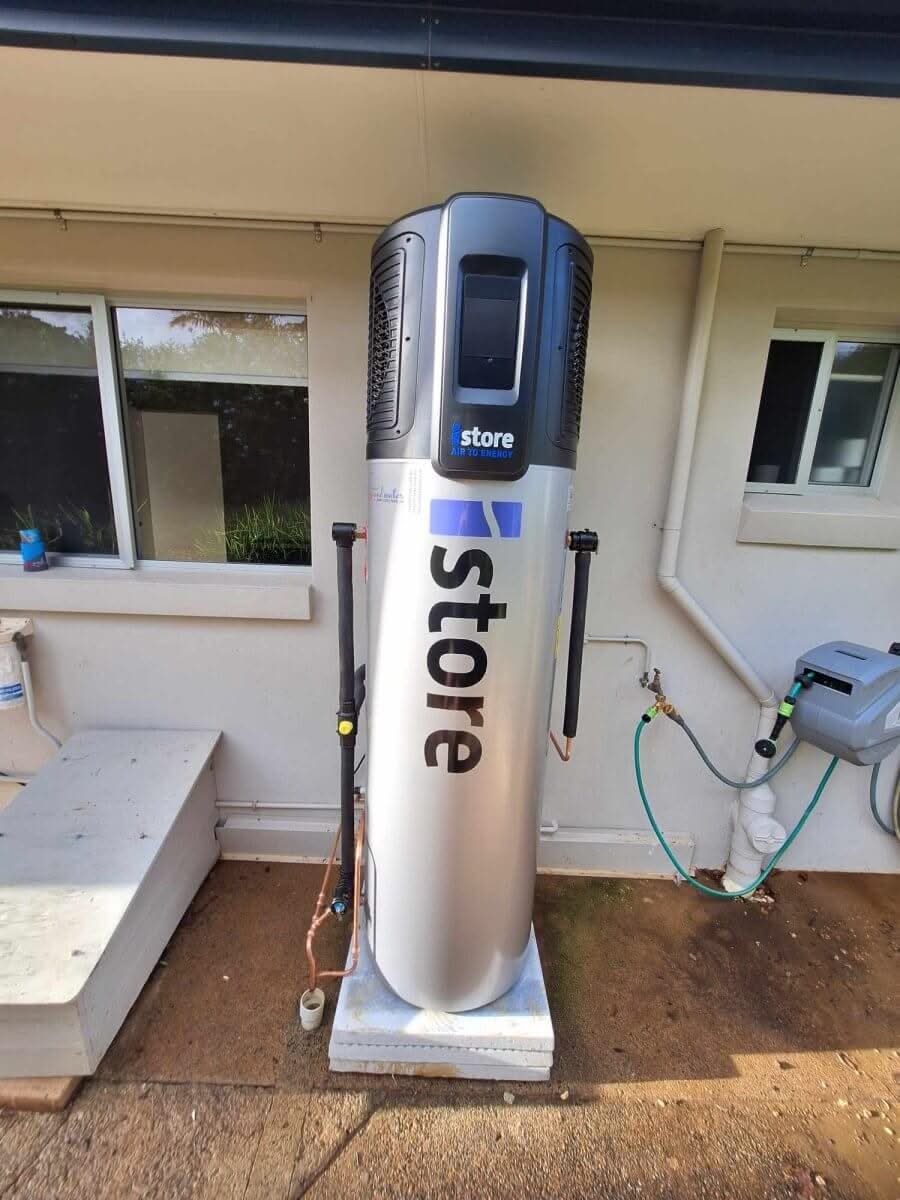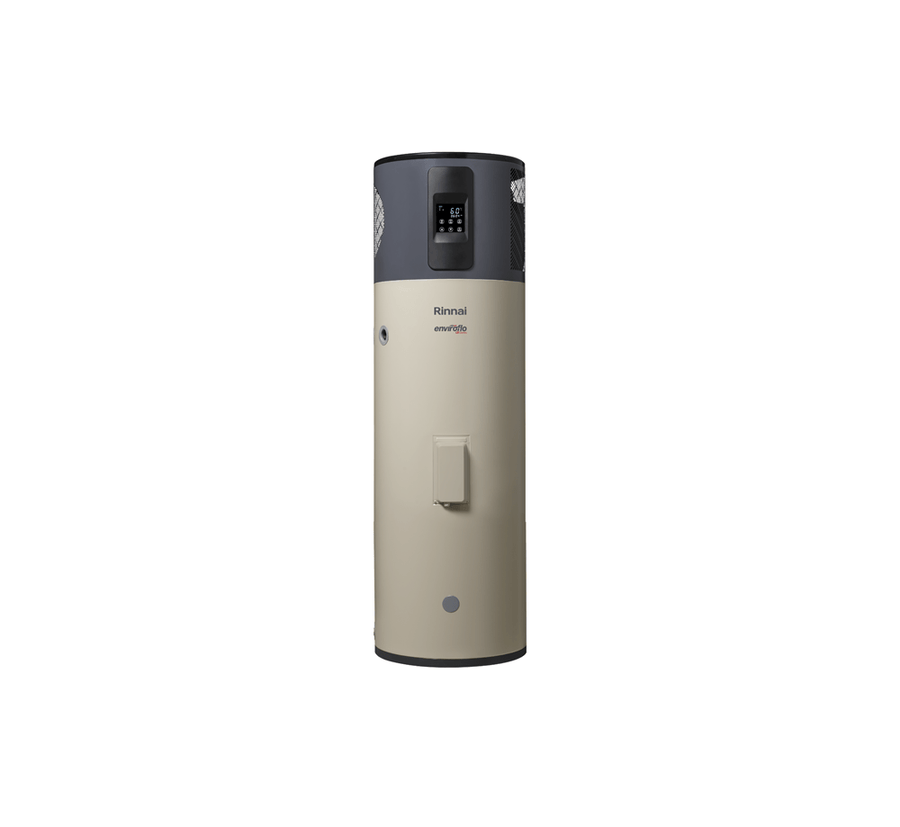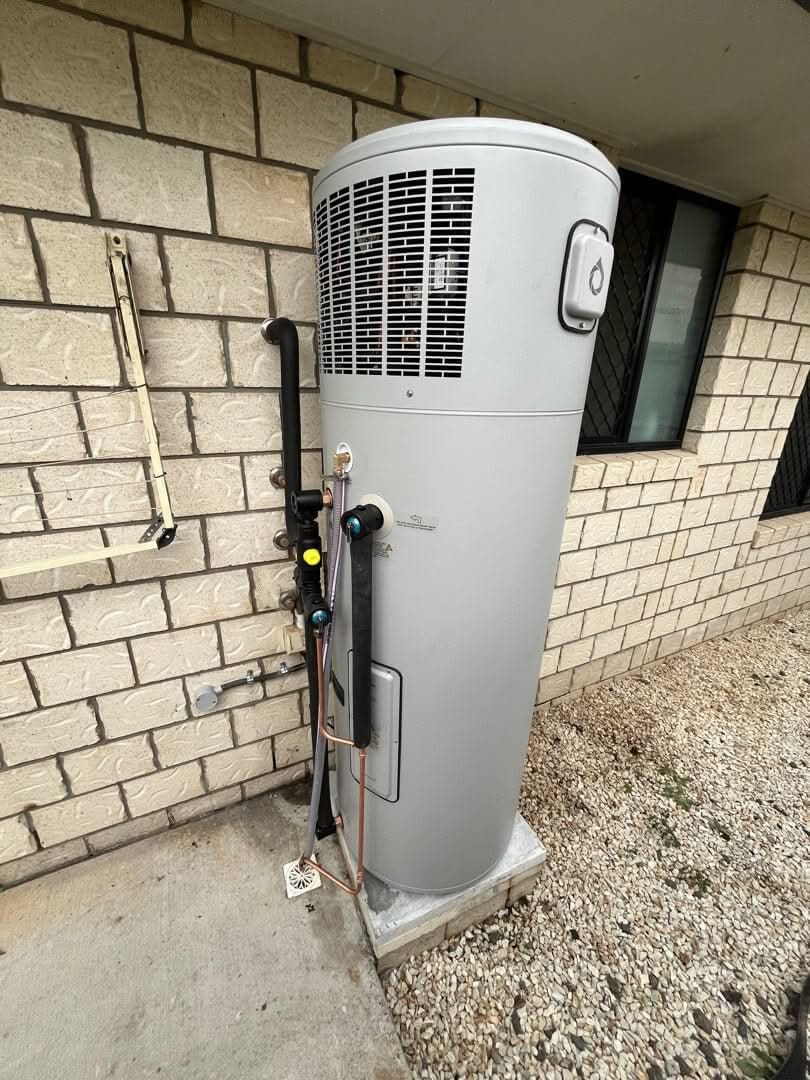

Free Heat Pump Hot Water System: What “Free” Really Means Before You Upgrade
Searching for a free heat pump hot water system usually means one thing: you want to replace an old electric or gas hot water unit without paying full price upfront. In some states, rebates, discounts, STCs and energy-saving incentives can reduce the cost of a heat pump hot water system, but “free” is not guaranteed for every home, every product or every installer.
The final price depends on your state, household eligibility, existing hot water system, selected product, approved supplier requirements, installation conditions and current rebate rules. Some offers may advertise very low upfront prices, but you still need to check what is included, what is excluded and whether the system is actually suitable for your home.
Installed Today makes it easy to compare and order heat pump hot water systems online, with supply-only ordering available across major Australian metro areas and selected supplied-and-installed options available on eligible products in Brisbane and Gold Coast service areas.
Quick Answer: Can You Really Get a Free Heat Pump Hot Water System?
Sometimes a heat pump hot water system may be advertised as “free” or heavily discounted after rebates, but homeowners should treat this carefully.
In most cases:
-
Rebates and discounts reduce the upfront cost
-
The final price depends on eligibility and provider requirements
-
Installation extras may still apply
-
Not every heat pump model qualifies
-
Not every property qualifies
-
Not every supplier can process every rebate
-
Supply-only purchases may not qualify for some incentive pathways
-
Rebate amounts and rules can change
Before ordering, confirm the current rebate rules, approved supplier requirements and installation inclusions. A low advertised price is only good value if the system suits the home and the total installed cost is clear.
What Is a Heat Pump Hot Water System?
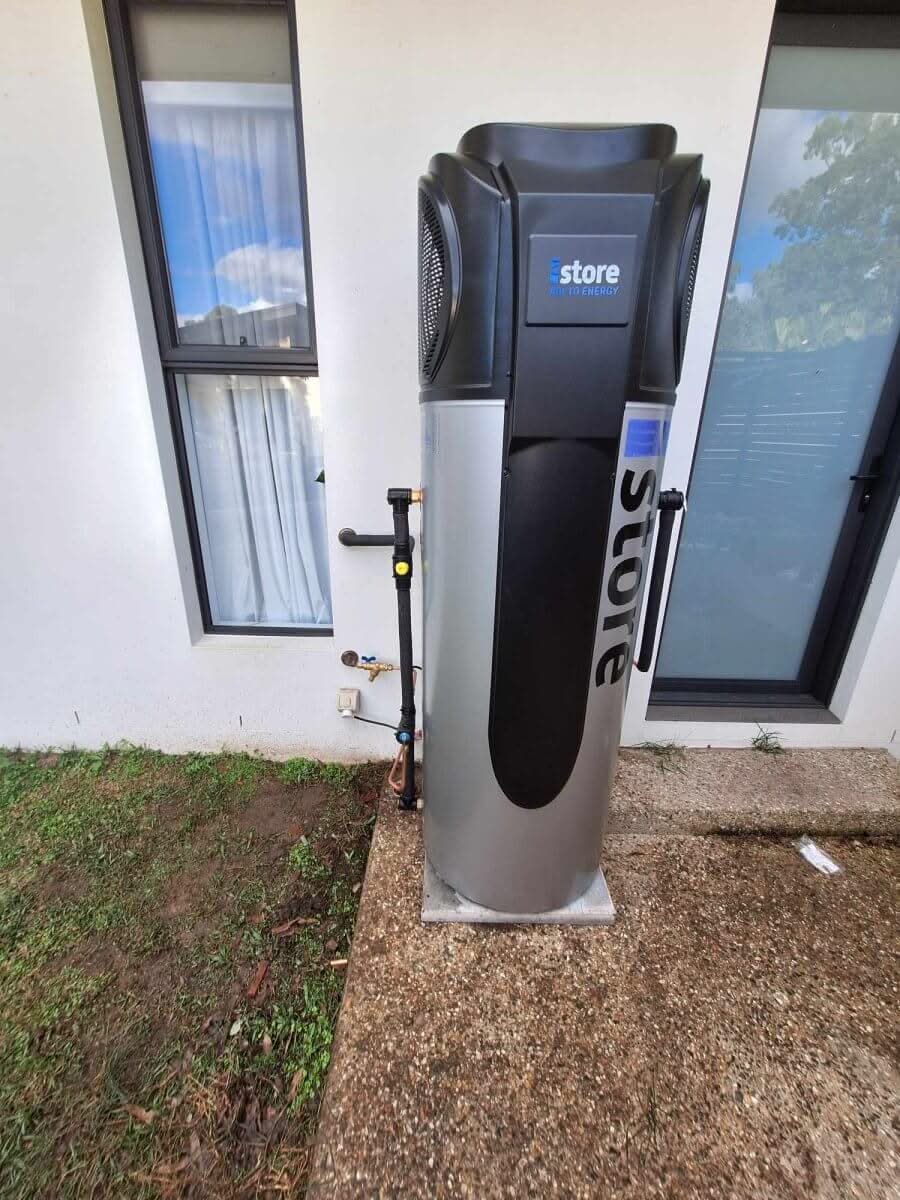
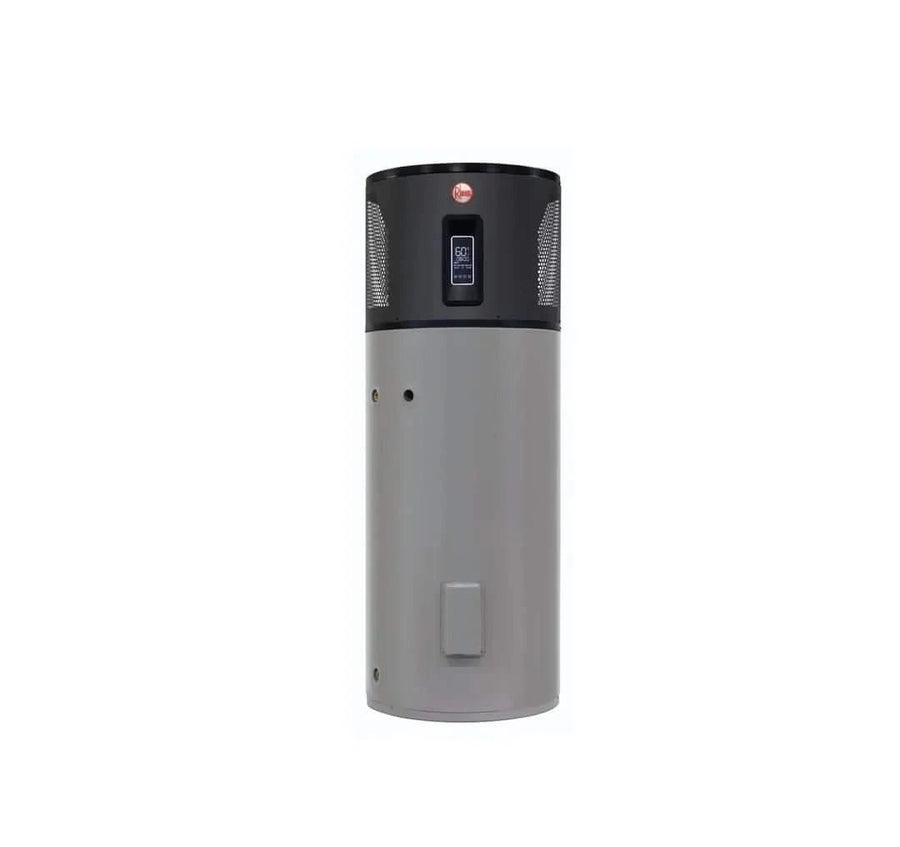
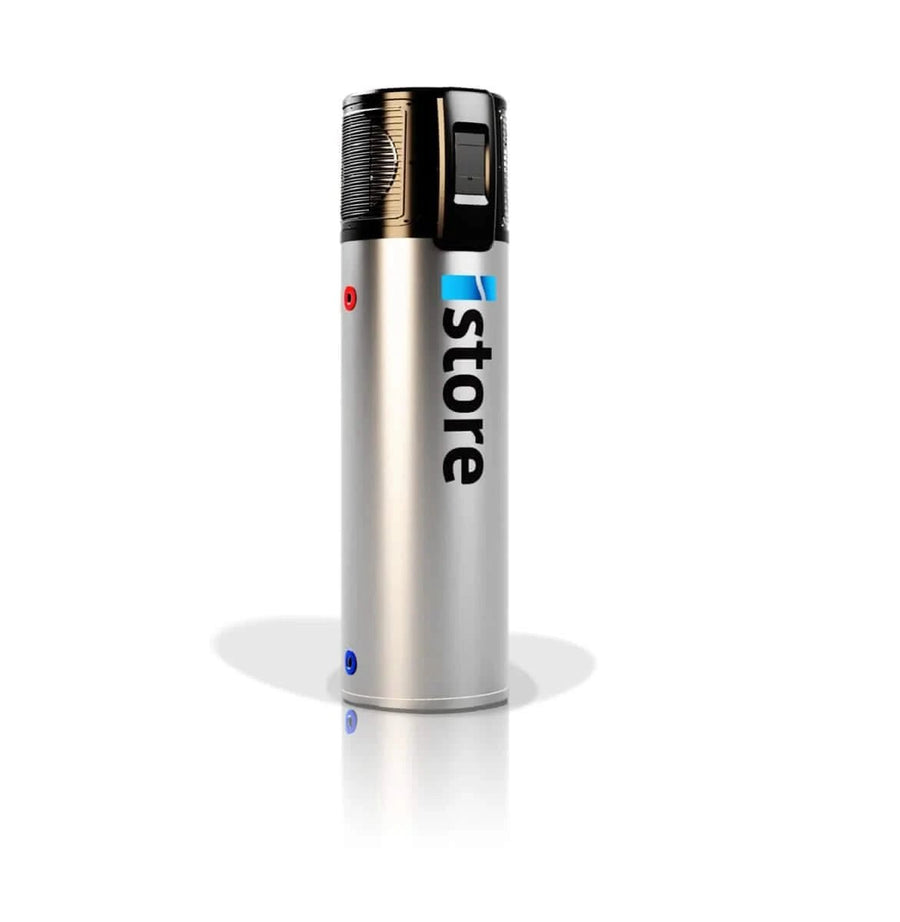
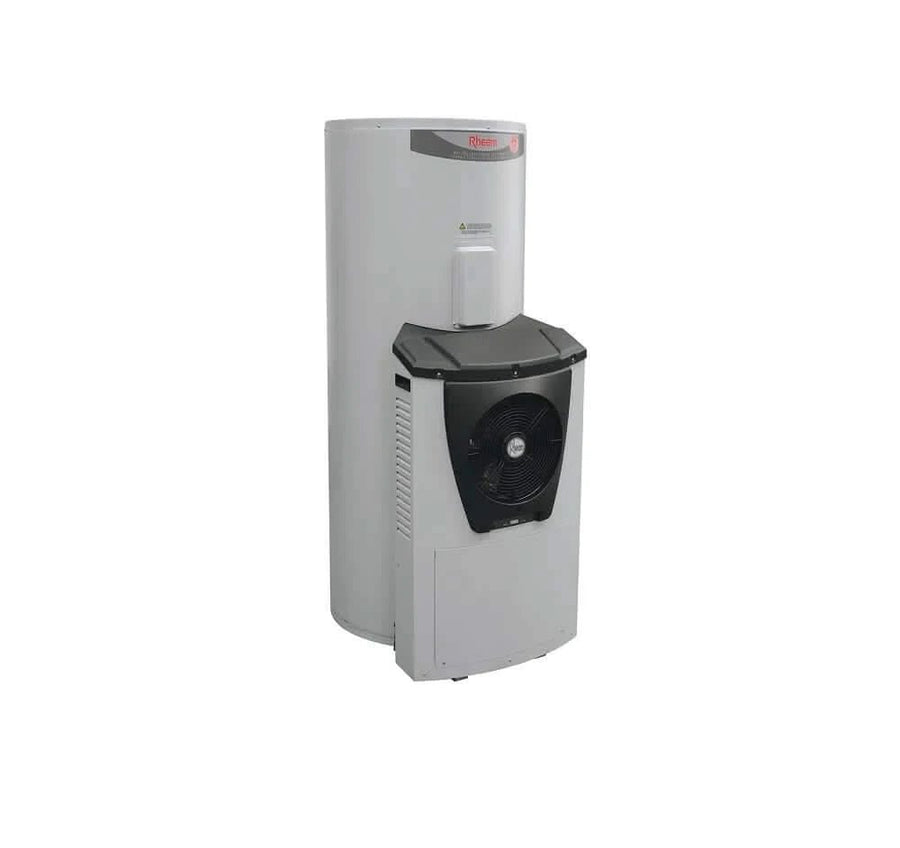
A heat pump hot water system is an electric hot water system that uses heat from the surrounding air to help heat stored water. It works differently from a standard electric storage hot water system, which relies mainly on an electric element.
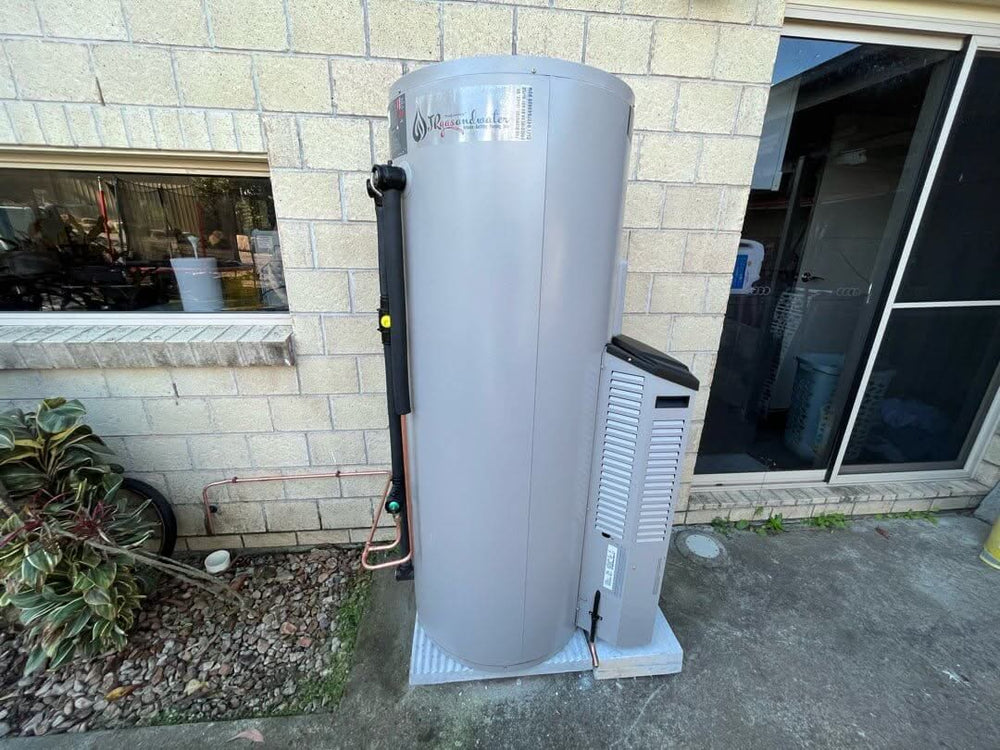
A heat pump can reduce energy use for water heating when installed in the right location. It needs outdoor air movement, drainage, electrical suitability and a sensible noise location.
A heat pump may suit homes that:
-
Want to reduce hot water electricity use
-
Are replacing an older electric storage system
-
Have suitable outdoor space
-
Have good airflow around the unit
-
Can manage condensate drainage
-
Have suitable electrical supply
-
Want to pair hot water heating with rooftop solar where timing and usage suit
-
Are planning a longer-term energy efficiency upgrade
A heat pump is not automatically the best choice for every property. Site suitability matters.
Why “Free Heat Pump Hot Water” Claims Need Care
The word “free” can be misleading if it only refers to the product after rebates, while other costs are not included.
A free or heavily discounted offer may not include:
-
Installation extras
-
Electrical work
-
Plumbing alterations
-
Valve upgrades
-
Drainage changes
-
Condensate drainage
-
Old unit removal
-
Disposal
-
Compliance upgrades
-
Switchboard work
-
Concrete base or slab work
-
Longer pipe runs
-
Relocation of the unit
-
Rebate administration requirements
For supply-only orders, the product price generally does not include installation, valves, electrical work, gas work, pipework changes, drainage, old unit removal, disposal or compliance upgrades unless those options are clearly selected or shown.
Heat Pump Rebates and Discounts: What to Check
Heat pump hot water incentives can vary by state and program. Some incentives may be applied as an upfront discount through an approved supplier. Others may involve rebates, STCs or paperwork handled through specific channels.
Before relying on a rebate or “free” claim, check:
-
Which state or territory the offer applies to
-
Whether your property qualifies
-
Whether your household income affects eligibility
-
Whether your existing hot water system qualifies
-
Whether the new heat pump model qualifies
-
Whether the supplier must be approved
-
Whether your installer must meet program requirements
-
Whether the rebate is applied upfront or claimed later
-
Whether supply-only ordering affects eligibility
-
Whether any customer co-payment applies
-
Whether the offer includes installation or product only
Rebates, STCs and incentives can change. Always confirm current eligibility before ordering or budgeting around a discount.
Victoria Heat Pump Hot Water Rebates
Victoria is one of the most common states where homeowners search for free or discounted heat pump hot water systems. Victorian programs may offer hot water rebates, discounts or incentives for eligible heat pump or solar hot water upgrades.
However, this does not mean every Victorian household gets a free system.
Eligibility may depend on:
-
Household income
-
Property location
-
Whether the property has already received a rebate
-
Existing hot water system type
-
Product eligibility
-
Supplier participation
-
Installer requirements
-
Whether the system is a replacement
-
Current program rules
-
Documentation and approval before installation
If you are in Victoria, check eligibility before ordering a supply-only product. Some rebate pathways may require an approved provider or authorised retailer to manage the process.
NSW Heat Pump Hot Water Rebates
NSW also has energy-saving upgrade incentives that may reduce the cost of eligible heat pump hot water systems. These are often linked to approved providers and energy savings certificate programs.
For NSW homes, check whether:
-
Your existing system qualifies
-
The selected heat pump is approved
-
The provider is accredited
-
The installation must be arranged through a specific supplier
-
A minimum customer contribution applies
-
Supply-only purchasing affects eligibility
-
The discount is applied before or after installation
Do not assume a rebate applies just because a heat pump is energy efficient. The product, property, installer and paperwork all matter.
Queensland, Brisbane and Gold Coast Considerations
For Brisbane and Gold Coast homes, heat pump hot water selection is often driven by outdoor location, airflow, drainage, electrical suitability and household demand.
Installed Today offers selected supplied-and-installed options on eligible products in Brisbane and Gold Coast service areas. Supply-only ordering is available across major Australian metro areas.
For Queensland customers, check current rebate and STC rules before ordering. Incentive availability can change, and eligibility may depend on product type, location and current government or certificate program settings.
Supply-Only Orders and Rebates
This is one of the most important points for Installed Today customers.
Supply-only ordering can be a good option when you already have a licensed installer organised and want to buy the product online. However, some rebates or discounts may need to be arranged through an approved supplier before the system is installed.
Before ordering a supply-only heat pump, ask:
-
Does the rebate apply to supply-only purchases?
-
Does the supplier need to be approved?
-
Does the installer need to complete rebate paperwork?
-
Does the product need to be selected from an approved list?
-
Does the old system need to be removed in a certain way?
-
Does the rebate require pre-approval before installation?
-
Will ordering first make the system ineligible?
-
Are STCs included, excluded or handled separately?
If rebate eligibility is important to your budget, confirm these details before buying.
Choosing the Right Heat Pump Hot Water System
A discounted heat pump is only a good deal if it suits your household. Choosing the wrong size or installing it in the wrong location can lead to poor performance, noise issues or hot water shortages.
When comparing heat pump hot water systems, consider:
-
Number of people in the home
-
Number of bathrooms
-
Shower habits
-
Morning and evening peak demand
-
Whether the old system ran out of hot water
-
Available outdoor space
-
Airflow around the unit
-
Condensate drainage
-
Noise placement
-
Electrical requirements
-
Access for delivery and installation
-
Warranty and support
-
Cartridge, anode or servicing requirements where relevant
-
Whether the system can pair with rooftop solar timing
For many homes, products in the medium heat pump hot water systems 200L–280L range are commonly compared. Larger households may need to review large heat pump hot water systems.
Integrated vs Split Heat Pump Hot Water Systems
Heat pump hot water systems are commonly available as integrated or split-style systems.
Integrated Heat Pump Systems
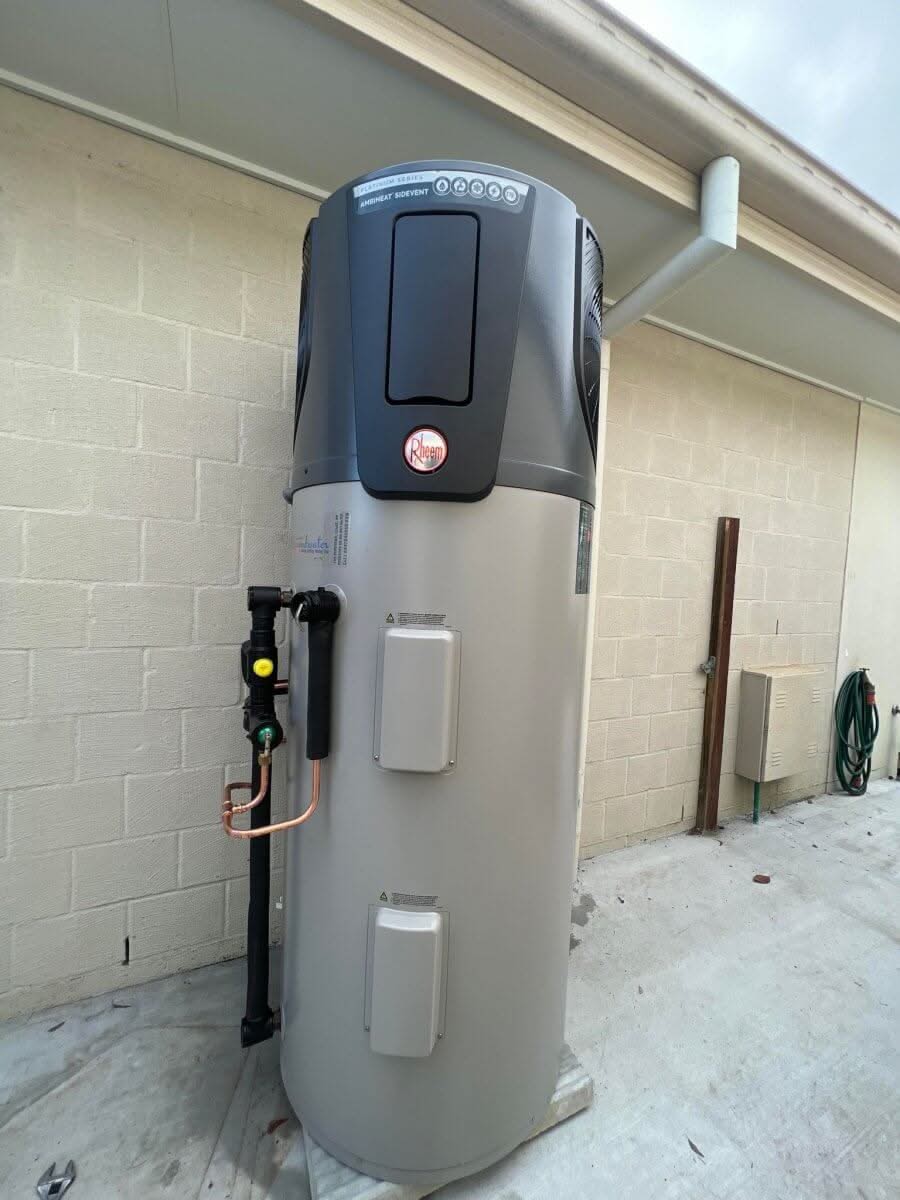
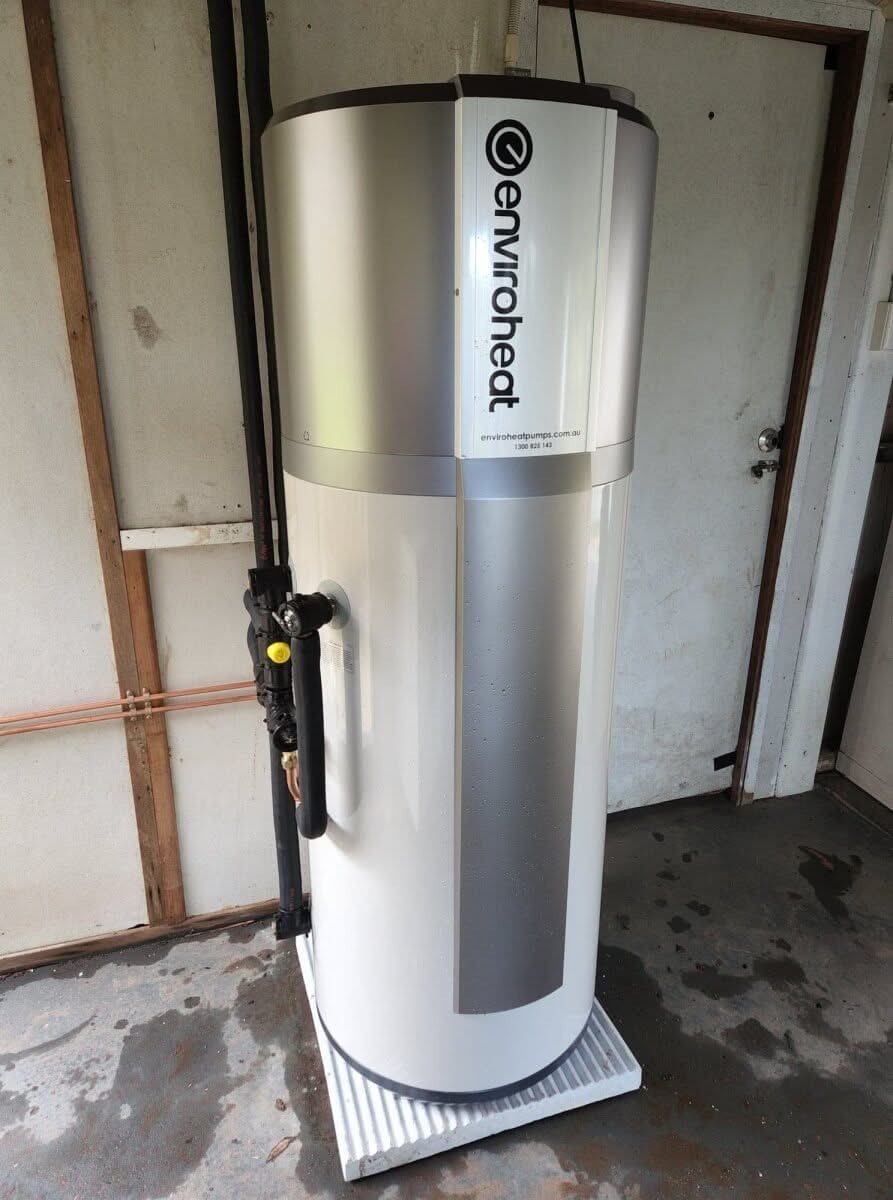
An integrated heat pump combines the tank and heat pump components into one unit. This is common for residential heat pump hot water systems and can be simpler to place where there is suitable outdoor space.
Integrated systems may suit:
-
Standard residential replacements
-
Homes with outdoor space near the old hot water location
-
Customers wanting a neat all-in-one system
-
Properties with suitable access and airflow
Split Heat Pump Systems
A split system separates the tank and heat pump components. This may allow more flexible placement in some applications, but it can also involve more installation planning.
Split systems may suit:
-
Homes with specific space constraints
-
Properties needing more flexible component positioning
-
Situations where noise placement needs extra thought
-
Some larger or more complex installations
Your licensed installer should confirm which format suits the property.
Heat Pump Size Guide
The right heat pump size depends on household hot water demand, not just rebate eligibility.
A system that is too small may run out of hot water. A system that is too large may cost more than needed and may not suit the location.
Sizing depends on:
-
Number of people in the home
-
Number of bathrooms
-
Shower duration
-
Bath use
-
Kitchen and laundry use
-
Whether multiple showers run at once
-
Peak hot water times
-
Recovery rate
-
Climate and installation location
-
Existing system size
-
Whether the old system was running out of hot water
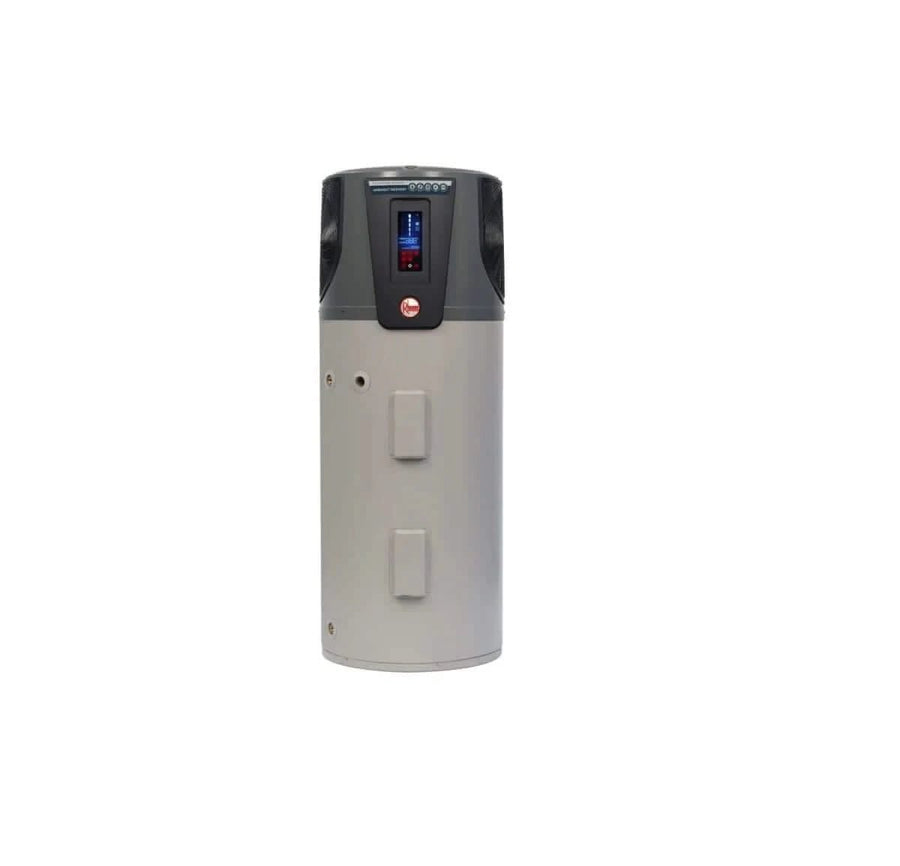
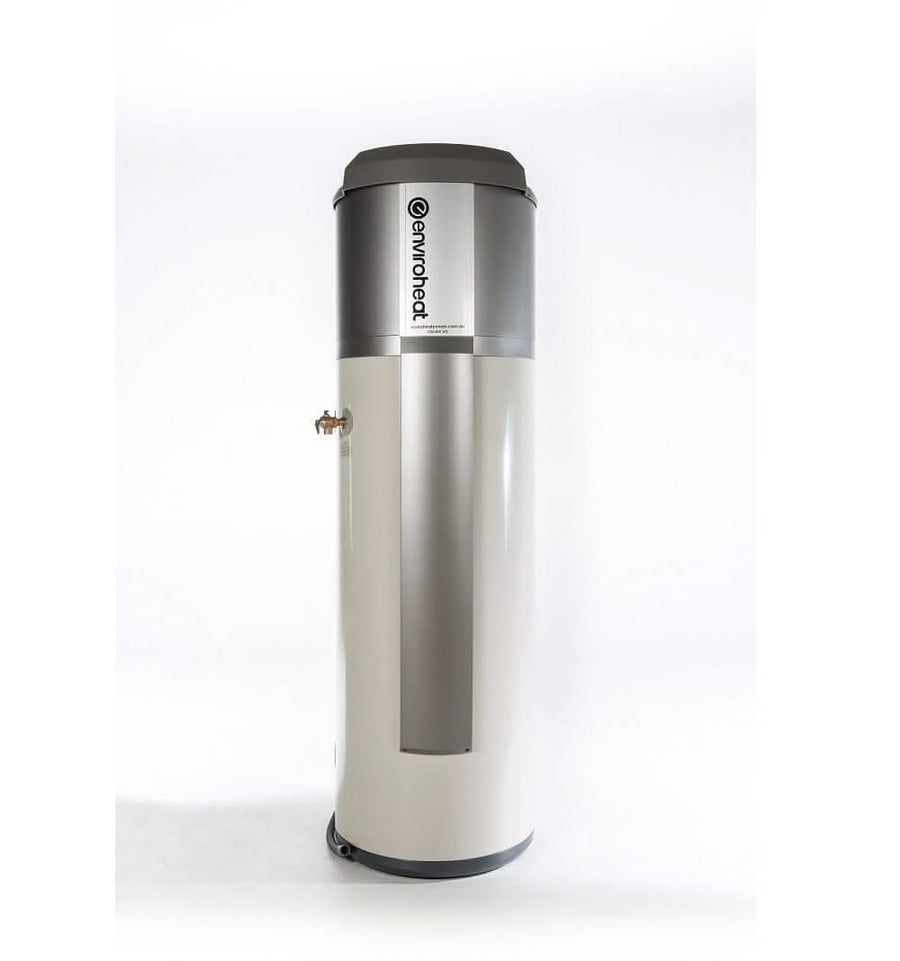
Popular heat pump options include:
Heat Pump vs Electric Hot Water
A heat pump is often compared with a standard electric hot water system.
Electric storage systems are usually simpler and can cost less upfront. Heat pumps often cost more upfront but may reduce running costs in the right location.
| Option | Best For | Key Considerations |
|---|---|---|
| Electric storage | Simple replacement, homes without gas, lower upfront product price | Running costs may be higher depending on tariff and usage |
| Heat pump | Efficiency-focused homes with suitable outdoor space | Needs airflow, drainage, electrical suitability and noise planning |
If your old electric storage system was already running out of hot water, do not replace it with the same size without checking your household demand.
Common electric replacement categories include 250L electric hot water systems, 315L electric hot water systems and 400L electric hot water systems.
Heat Pump vs Gas Hot Water
Heat pumps are also commonly compared with gas hot water systems, especially when replacing an old gas storage or instant gas unit.
Gas may suit homes that already have natural gas or LPG. Heat pumps may suit homes looking to reduce gas use or move toward an electric home.
Gas options include:
Gas work must be completed by a licensed gas fitter. Natural gas and LPG units are not interchangeable. For larger instant gas systems, gas pipe sizing and water pressure must support the unit.
Can Heat Pump Hot Water Work With Solar Panels?
Yes, a heat pump can pair well with rooftop solar where the timer settings, household usage and electrical setup suit.
The idea is to run the heat pump during the day when solar production is stronger. This may help use more of your own solar energy, depending on your system and usage pattern.
However, it should not be described as “free hot water from solar”. There are still product, installation, maintenance and energy considerations. A solar-friendly setup depends on the actual home.
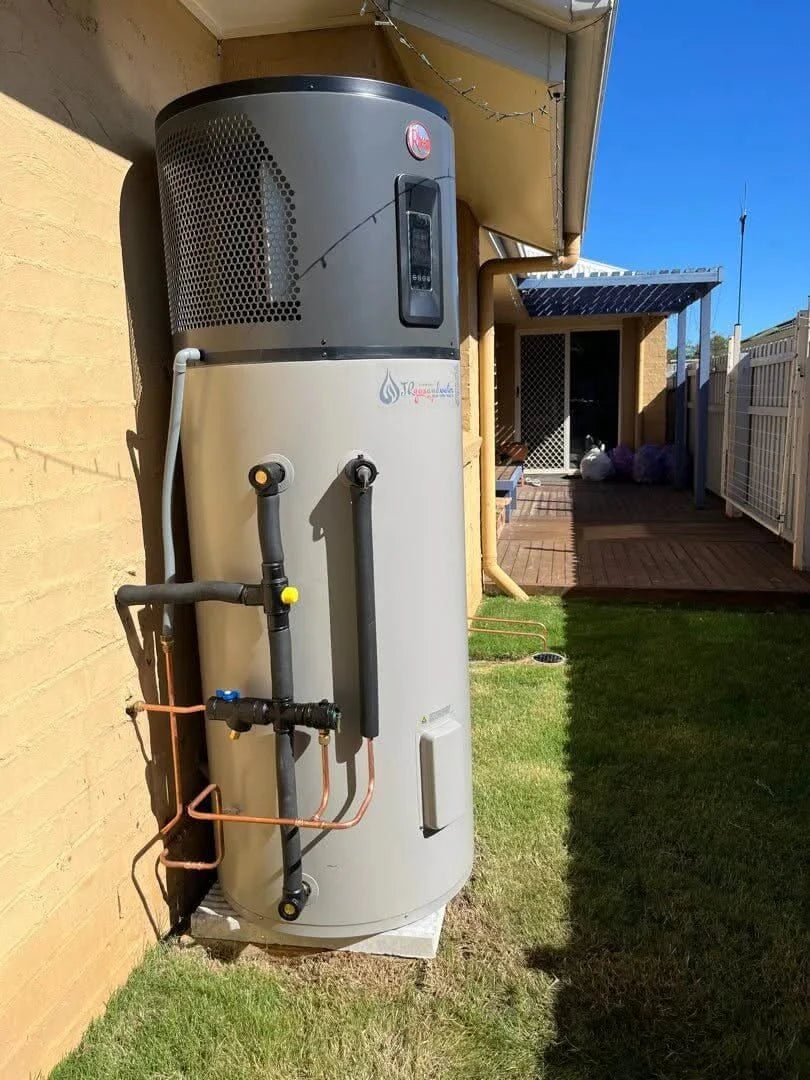
Installation Requirements for Heat Pump Hot Water
A heat pump needs the right location to work properly.
Before ordering, check:
-
Outdoor location
-
Clear airflow
-
Manufacturer clearance requirements
-
Condensate drainage
-
Electrical supply
-
Base or slab condition
-
Access for delivery
-
Future servicing access
-
Distance from bedrooms
-
Distance from neighbours
-
Noise placement
-
Pipework route
-
Overflow and drain points
-
Existing valves and compliance
A heat pump should not be boxed into a tight space with poor airflow. Poor placement can affect performance and comfort.
What Costs Might Still Apply With a “Free” Heat Pump Offer?
Even when a rebate reduces the product cost, additional site costs may still apply.
Possible costs include:
-
Plumbing labour
-
Electrical upgrades
-
New isolator or wiring
-
Switchboard work
-
Tempering valve
-
Pressure limiting valve
-
Expansion control valve
-
Drainage alterations
-
Condensate drain
-
Pipework changes
-
Concrete base
-
Old unit removal
-
Disposal
-
Extra access requirements
-
Relocation of the system
-
Compliance upgrades
Always ask for a full written breakdown before accepting a “free” or heavily discounted offer.
Avoiding Poor Rebate Deals
A rebate should make a good system more affordable. It should not be the only reason you choose a product.
Avoid these mistakes:
Choosing Only Because It Is Free
A low upfront price is not enough. The system must suit your household size, location and long-term use.
Ignoring Brand and Support
Check the brand, warranty, spare parts access and after-sales support. A cheap system can become expensive if support is poor.
Not Checking Noise Placement
Heat pumps have fans and compressors. They need sensible placement away from bedrooms, neighbouring windows and tight acoustic spaces.
Not Checking Hot Water Capacity
A smaller discounted unit may not suit a family home with high shower demand.
Assuming Rebates Cover Everything
Rebates may not cover site extras, compliance upgrades or installation complexities.
Ordering Before Confirming Eligibility
Some rebate pathways require pre-approval or an approved supplier. Ordering first can create problems.
Heat Pump Brands to Compare
Installed Today stocks a range of hot water and heat pump brands, including:
Brand matters, but the right size, installation location, household demand and rebate pathway matter just as much.
Before You Apply for a Heat Pump Rebate
Before applying for a rebate or accepting a “free heat pump” offer, gather:
-
Your postcode
-
Current hot water system type
-
Current system age
-
Current tank size
-
Photos of the old system
-
Photos of the proposed installation area
-
Household eligibility details
-
Property ownership or occupancy details where required
-
Preferred heat pump size
-
Installer or supplier details
-
Whether the system is supply only or supplied and installed
-
Any quote showing inclusions and exclusions
This makes it easier to compare offers properly.
Before Ordering Checklist
Before ordering a heat pump hot water system, confirm:
-
The correct tank size
-
The system suits your household demand
-
Outdoor space is suitable
-
Airflow is suitable
-
Condensate drainage is available
-
Electrical requirements are understood
-
Noise placement is acceptable
-
Access is suitable
-
Existing valves have been checked
-
Rebate eligibility has been confirmed
-
Supply-only purchasing does not affect your rebate pathway
-
A licensed installer has confirmed site suitability
-
The total cost is clear
-
You understand what is included and excluded
Frequently Asked Questions
Can I get a free heat pump hot water system?
Possibly, but it depends on your state, eligibility, product, provider and installation conditions. Many offers are rebates or discounts rather than guaranteed free systems for every household.
Are heat pump hot water rebates still available?
Heat pump rebates and discounts may be available in some states and territories, but rules can change. Check the current program before ordering or accepting a quote.
Does a heat pump rebate apply to supply-only orders?
Not always. Some rebate programs require an approved supplier or installer to manage the process before installation. Confirm this before buying a supply-only product.
Is a heat pump hot water system cheaper to run?
A heat pump can use less electricity than standard electric storage in the right location. Actual running costs depend on household usage, tariff, climate, settings and installation conditions.
Is a heat pump better than electric hot water?
A heat pump can be more efficient, but it needs suitable airflow, drainage, outdoor space, electrical supply and noise placement. Standard electric storage may still suit some homes wanting a simple replacement.
Is a heat pump better than gas hot water?
It depends on the property. Heat pumps may suit homes moving away from gas or wanting to use more solar electricity. Gas systems may still suit homes with suitable natural gas or LPG infrastructure.
What size heat pump hot water system do I need?
The right size depends on people in the home, bathrooms, shower habits and peak usage. Many homes compare 250L to 280L heat pumps, while larger households may need 280L-plus options.
Can I install a heat pump hot water system myself?
No. Heat pump hot water systems involve plumbing, electrical work, valves, drainage and compliance requirements. Use licensed trades.
What is not included in supply-only heat pump pricing?
Supply-only pricing generally excludes installation, valves, electrical work, pipework changes, drainage, old unit removal, disposal and compliance upgrades unless selected or clearly shown.
Final Word
A free heat pump hot water system sounds appealing, but the safest way to approach the offer is to check the full picture. Rebates, STCs and discounts can reduce the upfront cost, but they do not automatically make every system free or suitable.
The right heat pump should match your household size, hot water demand, outdoor location, airflow, drainage, electrical setup and rebate pathway. If you are ordering supply only through Installed Today, confirm rebate eligibility and site suitability before buying.
A good rebate can make a quality heat pump better value. It should never replace proper product selection, installer advice and a clear understanding of the total cost.