
Instant Gas Hot Water System Replacement Cost: Australian Buyer’s Guide
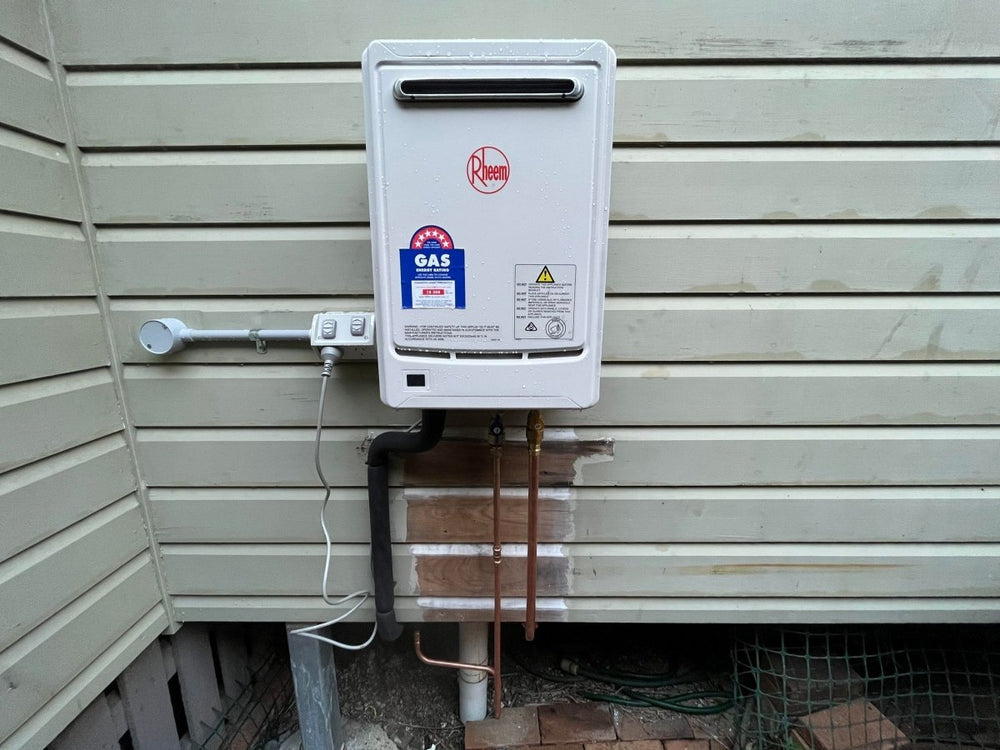
Replacing an instant gas hot water system can be a practical upgrade for homes that already use natural gas or LPG and want compact continuous flow hot water. Unlike gas storage systems, instant gas units do not keep a tank of hot water heated all day. They heat water as it passes through the unit, which can make them a strong option for many homes, townhouses, rentals and renovations.
However, instant gas replacement cost can vary a lot depending on the existing setup. A simple like-for-like swap is usually much easier than changing from gas storage to instant gas, upgrading to a larger flow rate, moving the unit, changing gas pipework, adding controllers, or converting from electric hot water.
This guide explains what affects instant gas hot water system replacement cost, how instant gas compares with gas storage, electric and heat pump hot water, and what to check before ordering.
You can compare Instant Gas Hot Water Systems, Gas Hot Water Systems, broader Hot Water Systems, Electric Hot Water Systems and Heat Pump Hot Water Systems online with Installed Today.
Quick answer: what affects instant gas hot water replacement cost?
Instant gas hot water replacement cost depends on the product, gas type, flow rate and installation requirements.
The main cost factors include:
-
Brand and model
-
Flow rate in litres per minute
-
Natural gas or LPG
-
Existing hot water system type
-
Gas pipe sizing
-
Water pressure
-
Electrical power point availability
-
Installation location
-
Outdoor clearances
-
Controller requirements
-
Pipework changes
-
Old unit removal
-
Disposal
-
Access
-
Compliance upgrades
-
Whether replacing like-for-like or changing system type
The cheapest instant gas unit is not always the cheapest replacement if the home needs gas pipework, electrical work, controller wiring or relocation.
What is an instant gas hot water system?
An instant gas hot water system heats water only when a hot tap is turned on.
Cold water flows through the unit, gas burners heat the water as it passes through, and hot water is delivered to taps and showers.
Instant gas systems are also called:
-
Continuous flow gas hot water systems
-
Tankless gas hot water systems
-
Instantaneous gas hot water systems
-
Gas continuous flow systems
They are different from gas storage systems because they do not store a tank of hot water.
How instant gas hot water works
A simple instant gas process looks like this:
-
A hot tap or shower is turned on
-
Water flows through the instant gas unit
-
The unit detects water flow
-
Gas burners ignite
-
Water is heated as it passes through the heat exchanger
-
Hot water travels through the pipework to the outlet
-
The burner turns off when hot water demand stops
Instant gas systems need the right combination of gas supply, water pressure, flow rate, power where required, and correct installation.
Instant gas vs gas storage replacement cost
Instant gas and gas storage systems have different cost factors.
| Feature | Instant gas hot water | Gas storage hot water |
|---|---|---|
| Hot water style | Continuous flow | Stored hot water |
| Tank | No storage tank | Storage tank required |
| Space | Compact wall-mounted unit | More space required |
| Gas supply | Required | Required |
| Gas pipe sizing | Often critical | Important |
| Water pressure | Very important | Important |
| Electrical power | Often required | Depends on model |
| Replacement risk | Gas pipe sizing, power, mounting, flow rate | Tank size, base, valves, disposal |
| Best suited to | Compact gas hot water | Stored gas hot water replacement |
A like-for-like instant gas replacement is usually simpler than changing from storage to instant gas.
Like-for-like instant gas replacement
A like-for-like instant gas replacement may be more straightforward when:
-
The old unit was also instant gas
-
The new unit has a similar flow rate
-
The gas type stays the same
-
The location stays the same
-
Gas pipe sizing is suitable
-
Water pressure is suitable
-
A power point is already available where needed
-
Pipework lines up reasonably well
-
Clearances are suitable
-
Access is easy
-
The old unit can be removed easily
Even then, a licensed gas fitter should confirm the new unit suits the property.
Replacing gas storage with instant gas
Changing from gas storage to instant gas can be a worthwhile upgrade for some homes, but it is not always a simple swap.
Extra work may include:
-
Removing the old storage tank
-
Wall mounting the new instant gas unit
-
Changing pipework
-
Checking gas pipe sizing
-
Adding or changing electrical power
-
Installing controllers where selected
-
Checking water pressure
-
Changing drainage or discharge setup
-
Confirming outdoor clearances
-
Completing compliance work
Instant gas is compact, but it often needs stronger gas supply than older gas storage systems.
Replacing electric hot water with instant gas
Changing from electric hot water to instant gas can be more complex than replacing like-for-like.
Extra requirements may include:
-
Natural gas or LPG supply
-
Licensed gas fitting
-
New gas pipework
-
New outdoor location
-
Water pipework changes
-
Electrical disconnection or changes
-
Power point for the gas unit where needed
-
Old electric tank removal
-
Disposal
-
Compliance upgrades
If the home does not already have suitable gas, compare Heat Pump Hot Water Systems before committing to a gas conversion.
Replacing heat pump hot water with instant gas
Changing from heat pump hot water to instant gas is possible where the property has suitable gas supply, but it is a major system-type change.
You may need to check:
-
Natural gas or LPG availability
-
Gas pipe sizing
-
Outdoor mounting location
-
Water pipework changes
-
Electrical power
-
Removal of the heat pump tank
-
Disposal
-
Hot water demand
-
Whether continuous flow suits the household
-
Whether gas remains the preferred long-term energy source
This is usually more involved than replacing heat pump with heat pump or instant gas with instant gas.
Natural gas vs LPG instant gas cost factors
Natural gas and LPG are not interchangeable.
Before ordering any instant gas hot water system, confirm:
-
Whether the property uses natural gas or LPG
-
Whether the selected model matches the property gas type
-
Whether the existing unit label confirms the gas type
-
Whether LPG bottles or natural gas meter setup is suitable
-
Whether gas pipe sizing supports the selected flow rate
-
Whether your licensed gas fitter has confirmed compatibility
Ordering the wrong gas type can delay replacement and add cost.
Instant gas flow rate and replacement cost
Instant gas systems are often compared by flow rate, usually measured in litres per minute.
Common categories include:
-
16L instant gas
-
20L instant gas
-
26L instant gas
A larger flow rate may cost more and may need more gas supply.
The right flow rate depends on:
-
Number of bathrooms
-
Number of showers
-
Whether two showers run at once
-
Shower head flow rates
-
Distance from unit to outlets
-
Water pressure
-
Gas pipe sizing
-
Natural gas or LPG
-
Household habits
A larger unit does not guarantee better performance if the gas supply or water pressure cannot support it.
16L instant gas replacement
A 16L instant gas system may suit lower-demand homes where only one shower or outlet is likely to be used at a time.
It may suit:
-
Smaller homes
-
Units or townhouses where gas setup suits
-
One-bathroom homes
-
Low-to-moderate hot water use
-
Some rental properties
-
Customers replacing a similar low-flow instant gas unit
Before choosing 16L, check household demand carefully. It may not suit homes that want multiple showers running at once.
20L instant gas replacement
A 20L instant gas system may suit many moderate-demand homes.
It may be considered for:
-
Small to medium households
-
One to two bathroom homes with moderate use
-
Homes replacing an existing 20L unit
-
Properties with suitable gas pipe sizing
-
Customers wanting continuous flow hot water without a tank
Before choosing 20L, confirm shower habits, water pressure and gas supply.
26L instant gas replacement
A 26L instant gas system is often compared by larger households or homes with two bathrooms.
It may suit:
-
Larger families
-
Two-bathroom homes
-
Homes with higher hot water demand
-
Customers wanting stronger continuous flow capacity
-
Properties replacing an existing 26L unit
-
Homes with suitable gas pipe sizing and water pressure
A 26L system can be a strong option, but the property must support it. Gas pipe sizing and water pressure matter.
Gas pipe sizing cost factors
Gas pipe sizing is one of the biggest instant gas replacement cost factors.
Cost can increase if:
-
The existing pipe is too small
-
The new unit has a higher flow rate
-
The pipe run is long
-
Other gas appliances share the supply
-
The old system was gas storage
-
The new unit needs more gas input
-
Pipework needs to be upgraded for compliance
Poor gas supply can affect instant gas performance, so it should be checked before choosing the unit.
Water pressure cost factors
Instant gas systems need suitable water flow and pressure.
Cost or performance issues may occur if:
-
Water pressure is too low
-
Pipework is restricted
-
Fixtures have flow issues
-
Multiple outlets are used at once
-
Old valves restrict flow
-
Pressure control needs attention
-
The selected unit requires more flow than the property can provide
If hot water pressure has been poor, diagnose the cause before replacing the system.
Electrical cost factors
Many instant gas systems require electrical power for ignition, fan operation, controls or freeze protection depending on model.
Cost may increase if:
-
No power point is nearby
-
A new weatherproof power point is needed
-
Electrical work is required
-
The unit is being relocated
-
Controller wiring is needed
-
Old wiring does not suit the new setup
A licensed electrician may be required depending on the job.
Controller cost factors
Some instant gas systems can use temperature controllers.
Controllers may add cost through:
-
Controller purchase
-
Wiring
-
Wall mounting
-
Extra labour
-
Compatibility checks
-
Additional setup
Controllers can be useful, but they should be selected only where they suit the system and household.
Outdoor location cost factors
Instant gas systems are commonly installed outdoors, but location still matters.
Cost may increase if:
-
The existing location is non-compliant
-
Clearances are not suitable
-
The unit needs to be moved
-
Pipework needs rerouting
-
Wall mounting is difficult
-
Access is poor
-
The system is near windows, doors, boundaries or confined spaces
-
Weather protection or impact protection is required
Do not assume the existing location automatically suits the new unit.
Indoor instant gas replacement
Some older gas hot water systems may be indoors or flued.
Indoor gas installations have stricter requirements.
Before replacing an indoor system, check:
-
Model suitability
-
Flue requirements
-
Ventilation
-
Combustion air
-
Clearance requirements
-
Gas safety requirements
-
Drainage
-
Compliance
-
Access
A licensed gas fitter should confirm the correct replacement pathway.
Pipework changes
Pipework changes can affect replacement cost.
Extra work may include:
-
Moving hot and cold water lines
-
Adjusting gas connection position
-
Rerouting pipework
-
Replacing old fittings
-
Correcting non-compliant pipework
-
Installing or replacing valves
-
Adding insulation where required
-
Modifying pipe routes after relocation
A unit that looks similar may still have different connection positions.
Old unit removal and disposal
Old unit removal and disposal may or may not be included depending on the selected option.
Cost may increase if:
-
The old unit is difficult to access
-
The old unit is heavy or awkward
-
The system is in a tight side path
-
Extra labour is needed
-
Disposal is not included
-
The old unit is attached to old or corroded pipework
-
The system is being changed from storage to instant gas
Check whether removal and disposal are included before ordering.
Instant gas brand and model cost differences
Brand and model can affect product price, flow rate, warranty terms, features, dimensions and installation requirements.
Installed Today’s homepage-linked hot water brands worth comparing include:
Compare by gas type, flow rate, household demand and installation requirements, not brand name alone.
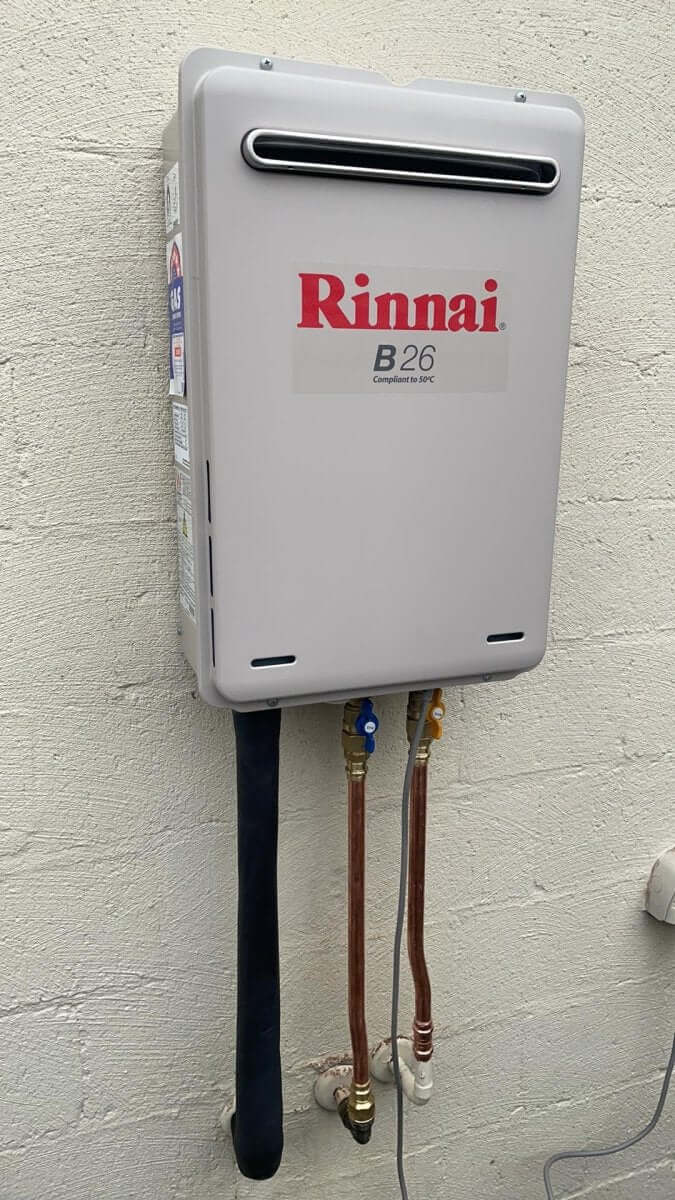
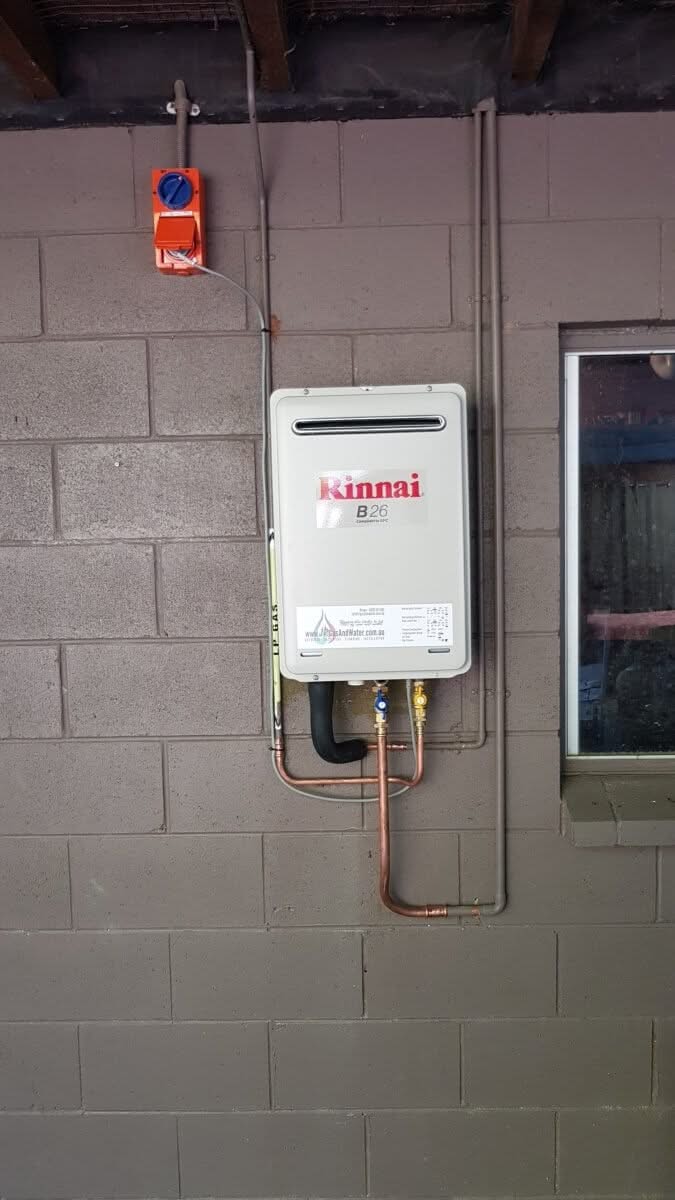
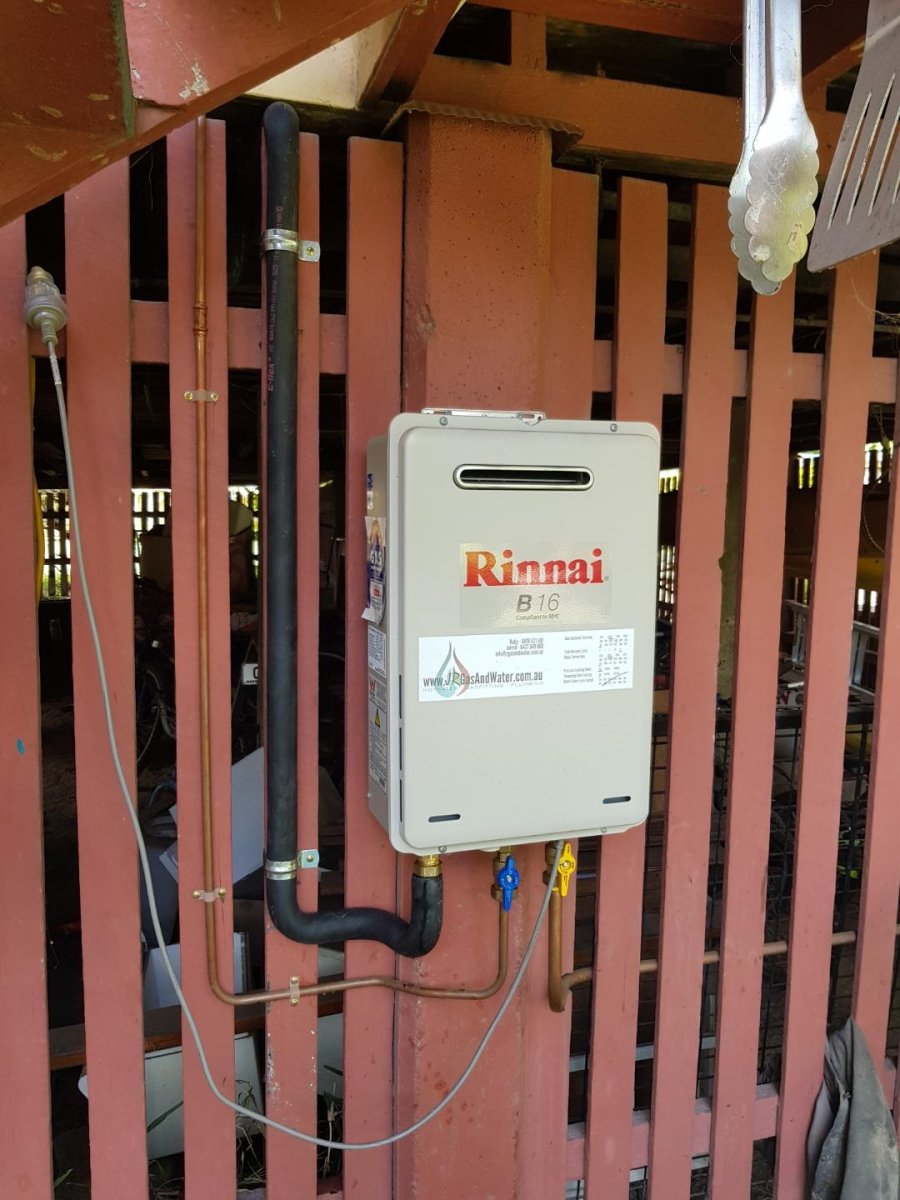
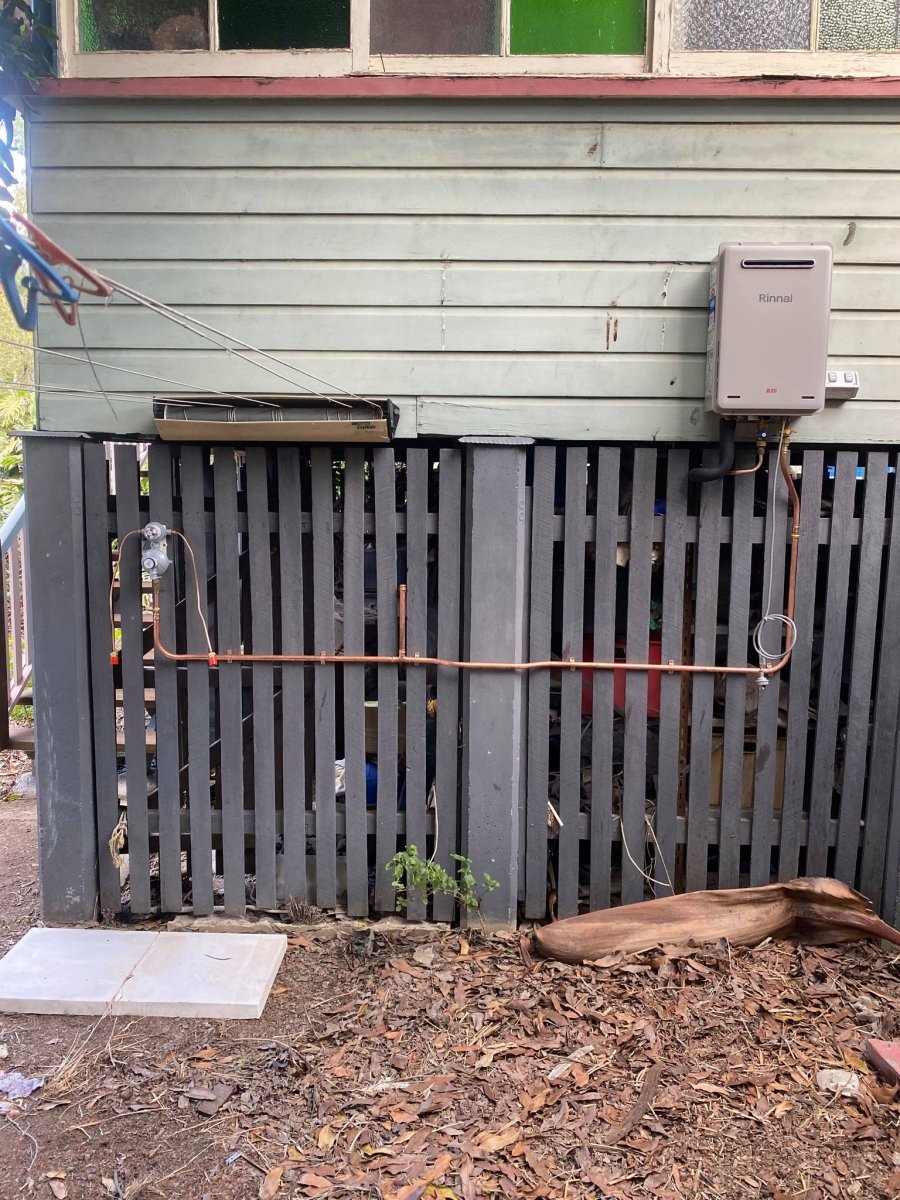
Rinnai instant gas replacement cost factors
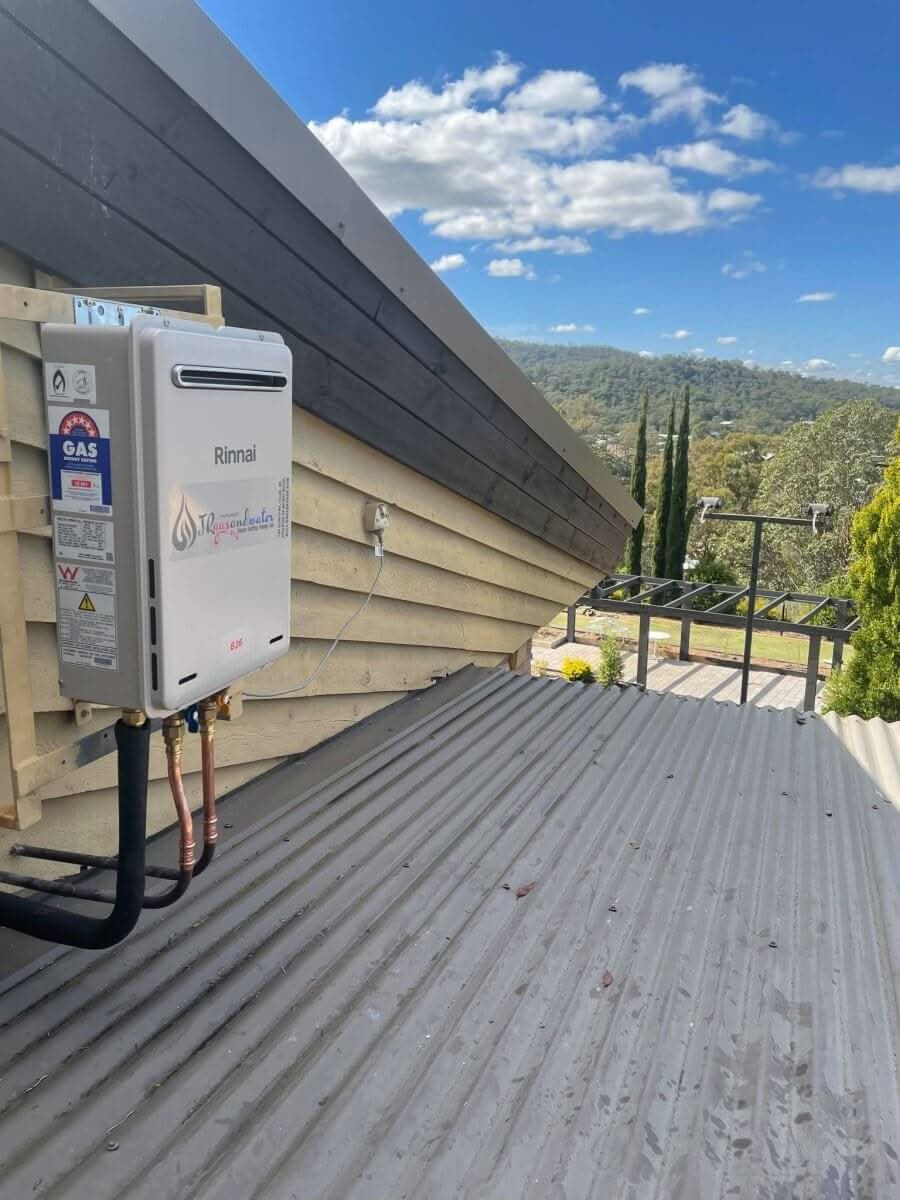
Rinnai Hot Water Systems are commonly compared for instant gas hot water.
Rinnai may suit:
-
Continuous flow gas replacement
-
Compact outdoor hot water
-
16L, 20L or 26L comparisons depending on model range
-
Homes already using gas
-
Customers wanting a recognised gas appliance brand
-
Two-bathroom homes where gas supply supports the unit
Cost may depend on flow rate, gas type, gas pipe sizing, water pressure, controller requirements, access and old unit removal.
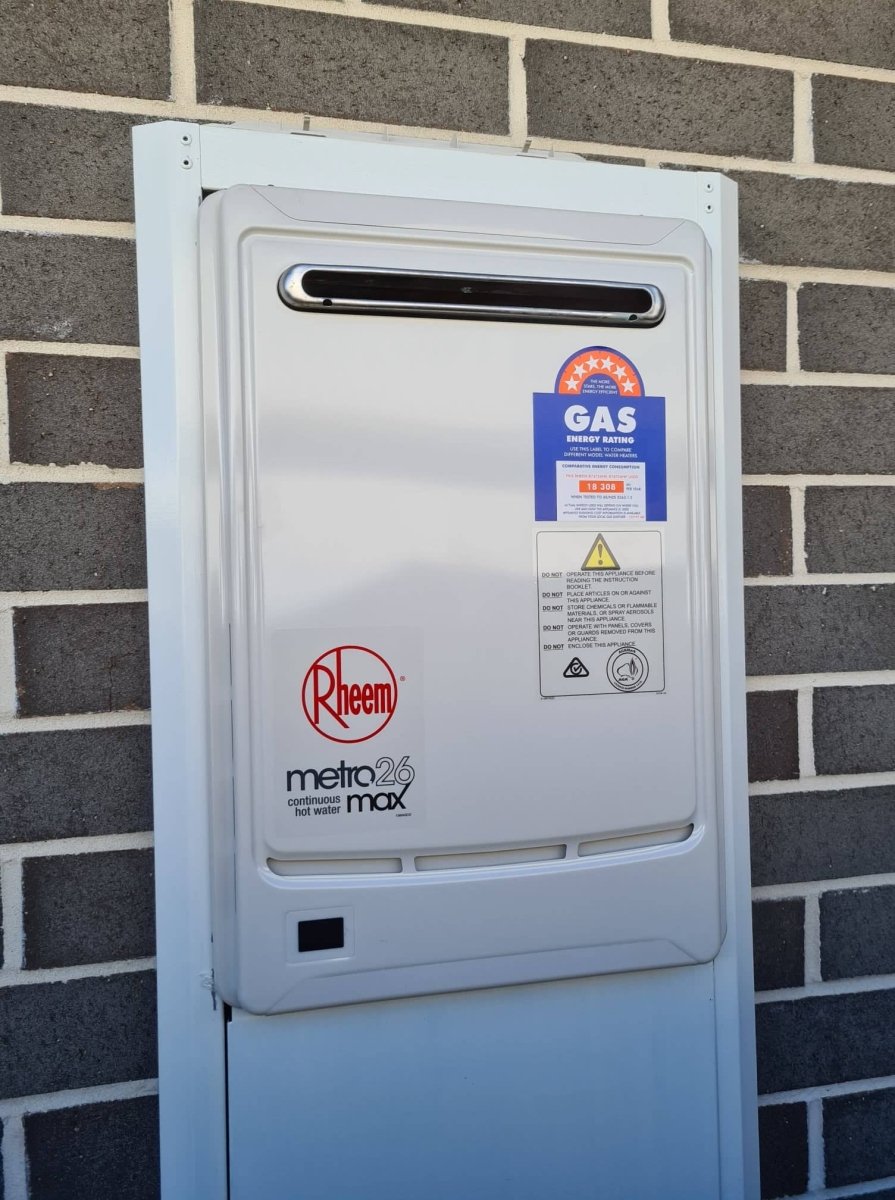
Rheem instant gas replacement cost factors
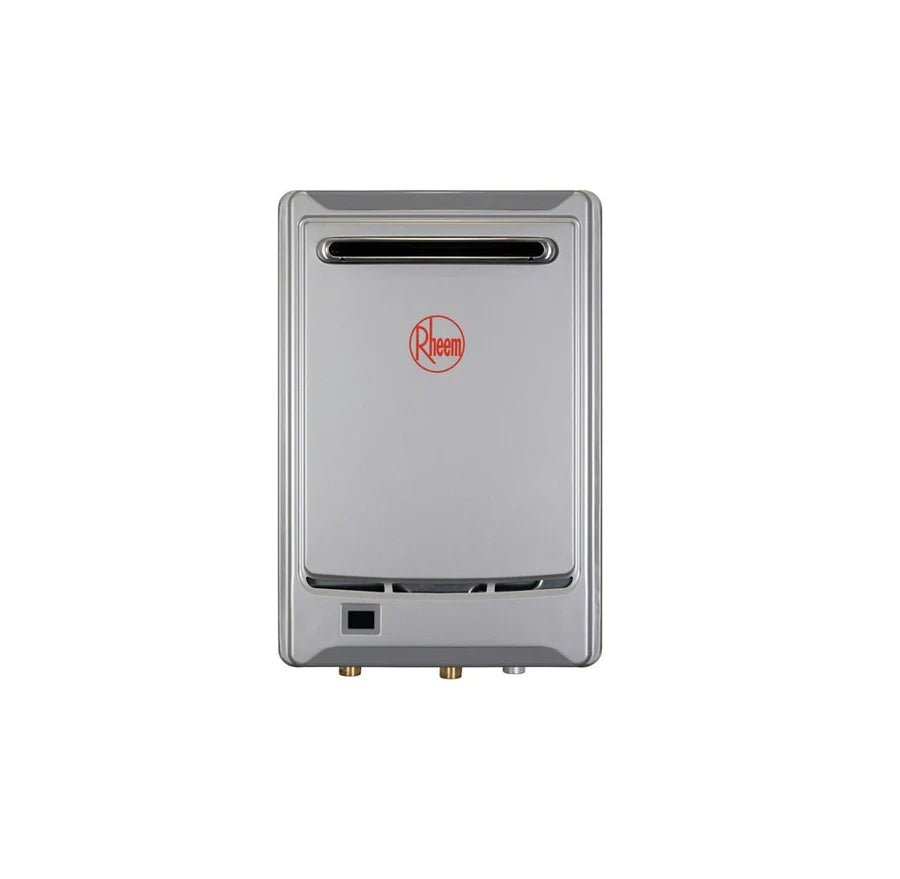
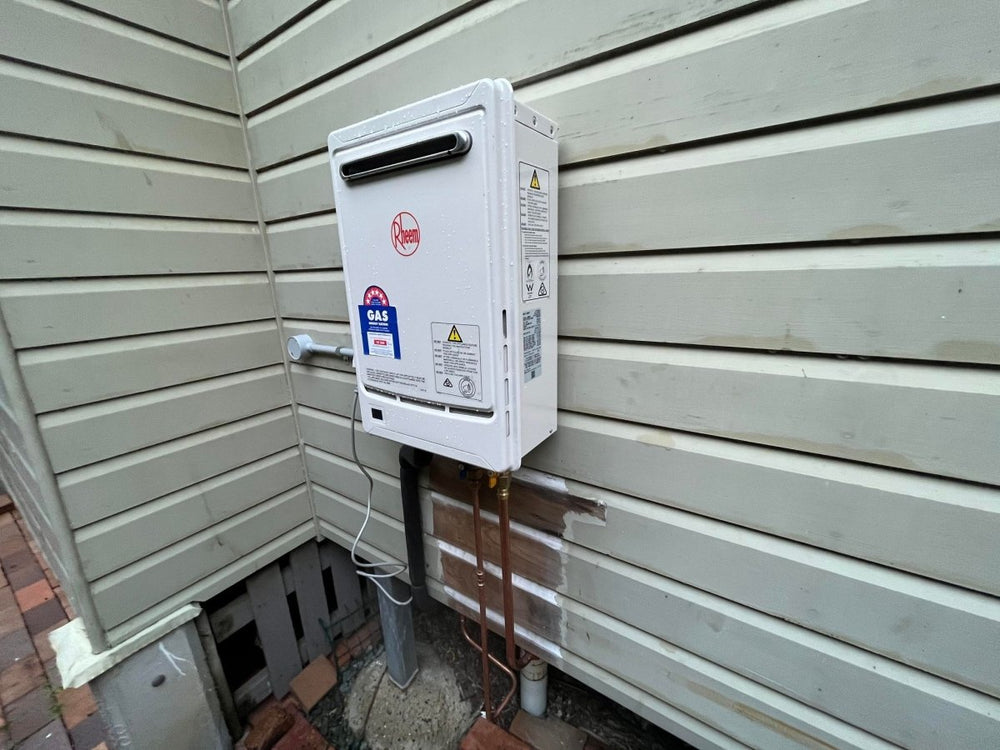
Rheem Hot Water Systems are often compared by customers wanting a major hot water brand across gas storage, instant gas, electric and heat pump options.
Rheem may suit:
-
Instant gas replacement
-
Gas storage vs instant gas comparison
-
Customers comparing multiple hot water types
-
Homes with suitable gas and water supply
-
Customers wanting a recognised hot water brand
Check gas type, flow rate, dimensions, warranty terms and installation requirements before ordering.
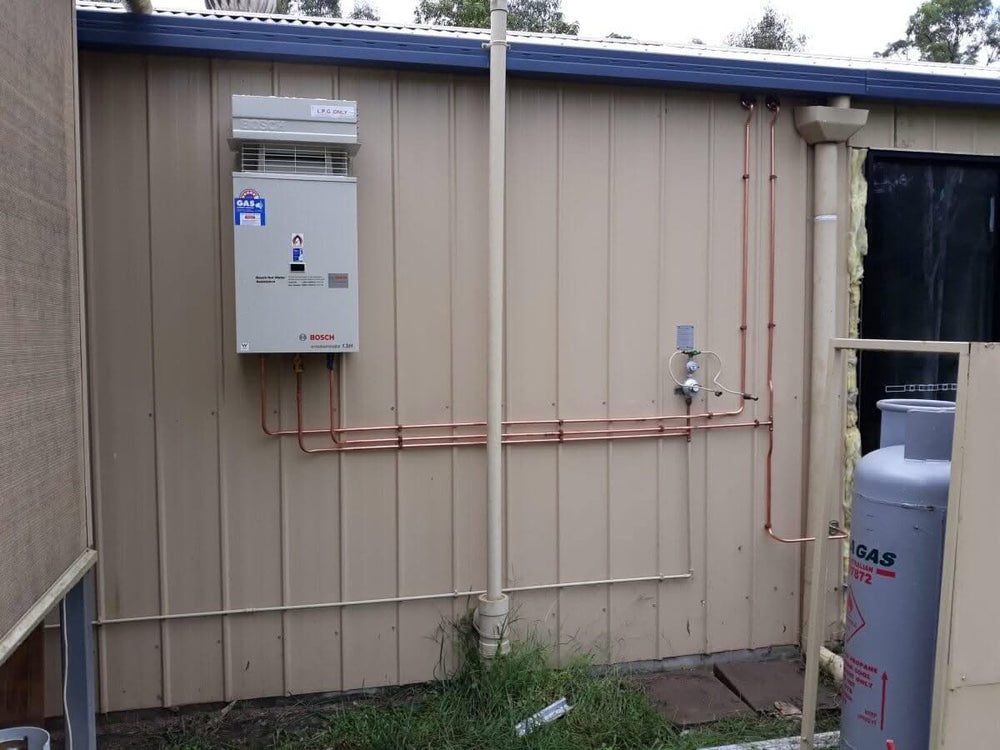
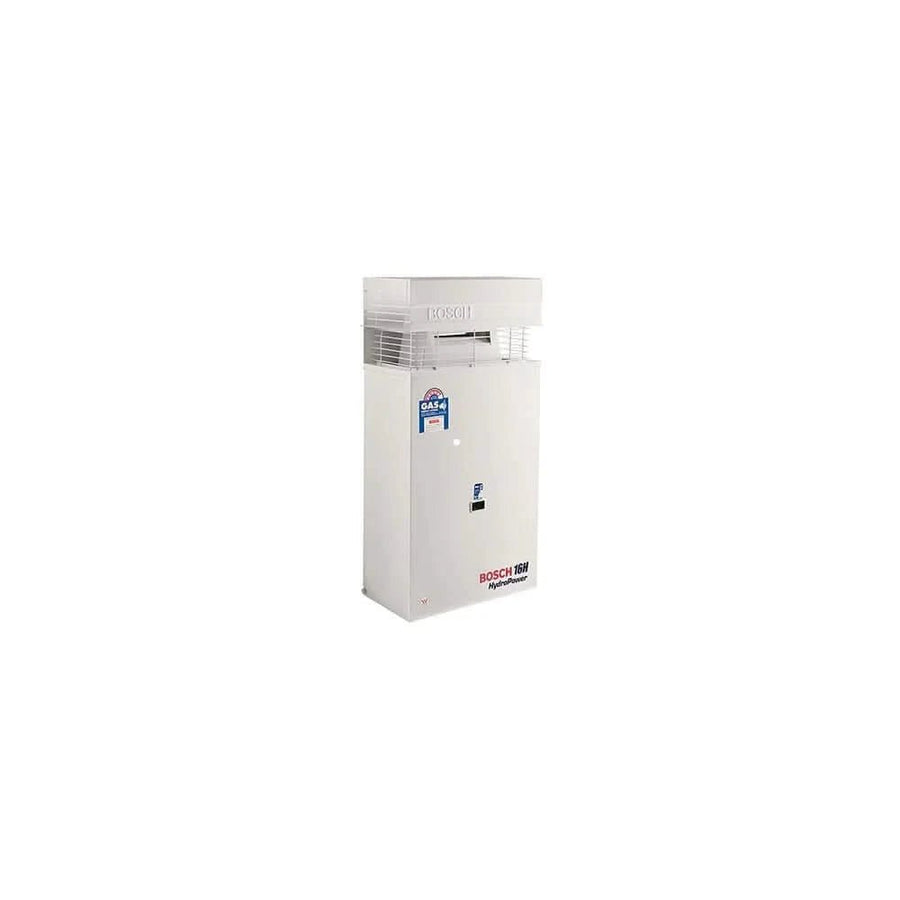
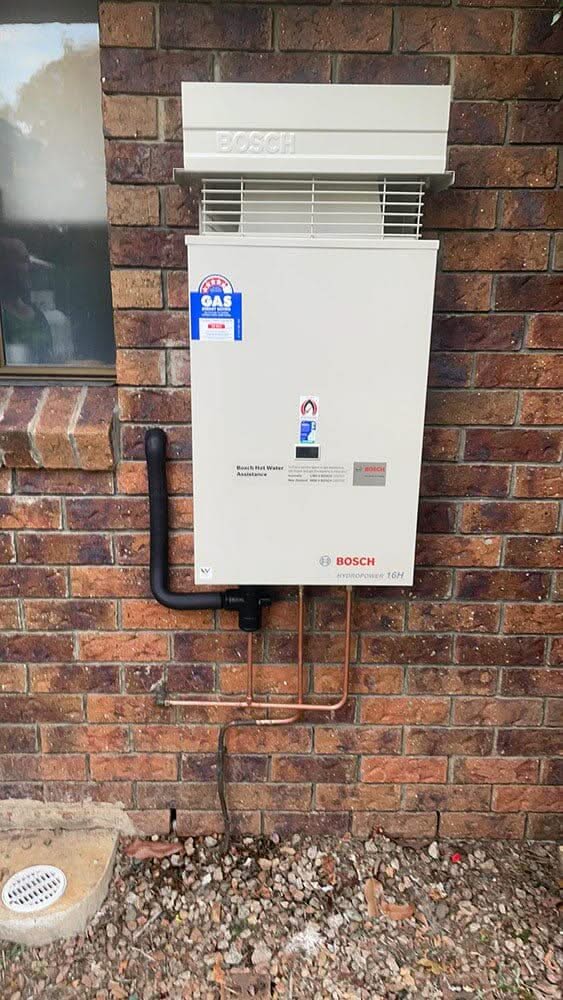
Bosch instant gas replacement cost factors
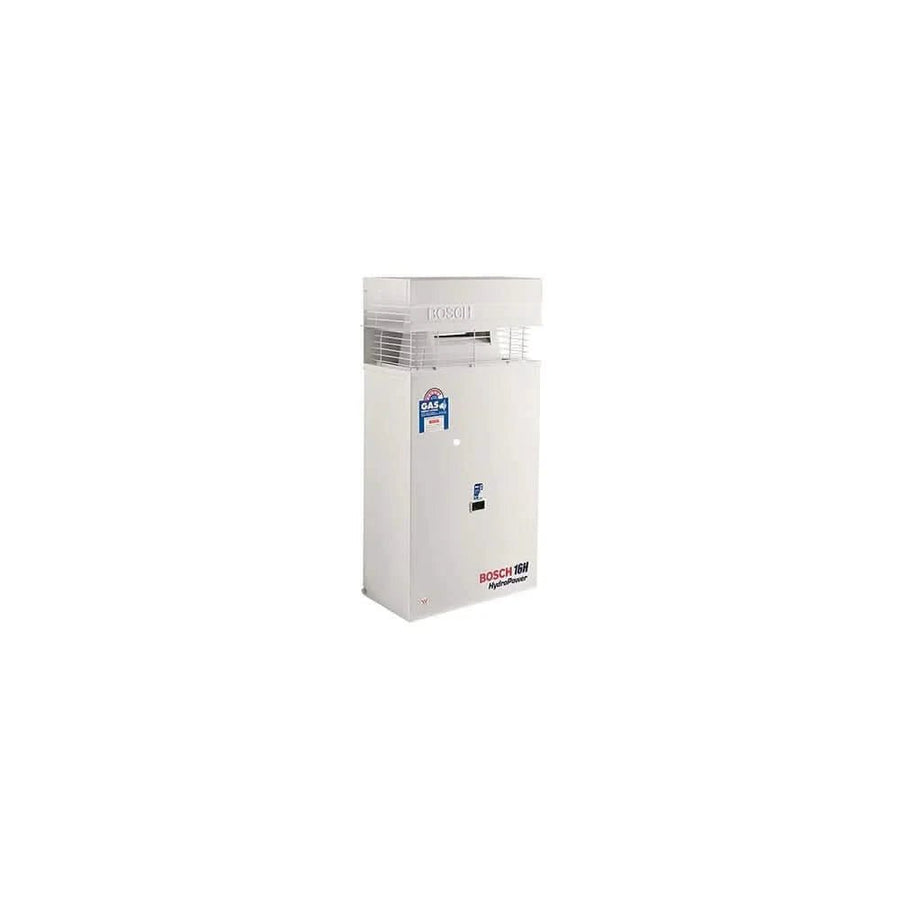
Bosch Hot Water Systems are often compared for gas hot water and continuous flow systems.
Bosch may suit:
-
Gas hot water replacement
-
Compact instant gas comparisons
-
Homes with suitable gas supply
-
Customers comparing natural gas and LPG options where available
-
Properties where model compatibility is confirmed
Before choosing Bosch, confirm gas type, flow rate, ignition requirements, water pressure and installation suitability.
Instant gas vs electric storage replacement cost
Instant gas and electric storage suit different homes.
Instant gas may suit:
-
Homes already using natural gas or LPG
-
Customers wanting compact wall-mounted hot water
-
Homes replacing continuous flow gas
-
Properties with suitable gas pipe sizing
-
Homes with suitable water pressure
Electric storage may suit:
-
Homes without gas
-
Units and townhouses
-
Simple electric replacement jobs
-
Properties with suitable electrical supply
-
Customers wanting stored hot water
Compare Electric Hot Water Systems if gas installation would be too complex or the property does not have gas.
Instant gas vs heat pump replacement cost
Instant gas and heat pump hot water have very different installation requirements.
Instant gas may suit:
-
Homes already connected to natural gas or LPG
-
Customers wanting compact continuous flow hot water
-
Properties with suitable gas pipe sizing
-
Homes where a storage tank is not preferred
-
Customers replacing existing instant gas
Heat pump hot water may suit:
-
Homes replacing electric storage
-
Homes with rooftop solar
-
Customers wanting efficient electric hot water
-
Properties with suitable outdoor airflow
-
Properties with suitable condensate drainage
-
Customers moving away from gas
Compare Heat Pump Hot Water Systems if long-term efficient electric hot water is the goal and the property suits heat pump installation.
What may be included in instant gas replacement?
Inclusions vary by product, selected option and installation pathway.
Possible inclusions may include:
-
Instant gas hot water unit
-
Standard connection to existing pipework
-
Basic labour where an installed option is selected
-
Standard commissioning
-
Standard valves where included
-
Old unit removal where included
-
Disposal where included
Do not assume every job includes gas pipework upgrades, electrical work, controllers, relocation, drainage, removal, disposal or compliance upgrades.
Check the selected product and service details carefully.
What may not be included?
Extra costs may include:
-
Gas pipework upgrades
-
New power point
-
Controller supply and installation
-
Water pipework changes
-
Gas connection changes
-
Valve replacement
-
Old unit removal
-
Disposal
-
Wall mounting changes
-
Relocation
-
Difficult access
-
Compliance upgrades
-
LPG-specific setup
-
Indoor flue work
-
Additional materials
This is why two homes replacing the same instant gas unit can have different total costs.
Maintenance costs after replacement
Instant gas hot water systems need maintenance to support safe and reliable operation.
Maintenance may include:
-
Gas safety checks
-
Burner inspection
-
Heat exchanger checks
-
Water filter checks where applicable
-
Error code checks
-
Controller checks
-
Leak inspections
-
Flue and clearance checks where relevant
-
Water pressure checks
-
General system inspection
Maintenance requirements depend on the model, water quality, usage and manufacturer instructions.
Signs your instant gas system needs replacing
Replacement may be worth considering if the unit is:
-
Showing frequent error codes
-
Failing to ignite
-
Producing fluctuating water temperature
-
Struggling with demand
-
Requiring repeated repairs
-
Very old
-
Leaking
-
Corroded
-
Not compatible with current household demand
-
No longer compliant
-
Costly to repair
-
Wrong gas type for the property
If repairs are becoming frequent, replacement may be the better long-term decision.
Repair vs replacement cost
Repair may make sense if:
-
The unit is relatively new
-
The issue is minor
-
Parts are available
-
Warranty may apply
-
The gas supply and water pressure are suitable
-
The unit is still correctly sized
-
The installation is otherwise compliant
Replacement may make sense if:
-
The unit is old
-
Repairs are frequent
-
Parts are difficult to get
-
The unit is undersized
-
Household demand has changed
-
Gas pipework upgrades are needed anyway
-
The installation is no longer compliant
-
You want to change flow rate or system type
A licensed gas fitter can help determine whether repair or replacement is the better option.
Rebates and incentives
Some hot water systems may be eligible for rebates, certificates or incentives depending on product, location, installer, scheme rules and installation pathway.
However, rebate rules can change.
Before relying on any rebate, check:
-
Current eligibility
-
Product eligibility
-
Installer requirements
-
State or territory rules
-
Documentation requirements
-
Whether the price includes the incentive
-
Whether the incentive is applied upfront or claimed later
-
Whether the old system type affects eligibility
Do not choose a system only because of a rebate. It still needs to suit the home.
Supply-only instant gas hot water systems
Supply-only ordering can suit customers who already have their own licensed gas fitter or plumber arranged.
Supply only may suit:
-
Builders
-
Renovators
-
Landlords
-
Property managers
-
Trade customers
-
Homeowners managing their own installation
-
Customers outside supplied-and-installed service areas
Supply-only product pricing generally does not include installation, valves, old unit removal, disposal, gas work, pipework changes, electrical work, controller wiring, drainage, access upgrades or compliance upgrades unless clearly selected or included.
Before ordering supply only, your licensed installer should confirm the instant gas hot water system suits the property.
Supplied-and-installed instant gas hot water systems
Supplied-and-installed options may be available on selected products in eligible Brisbane and Gold Coast service areas where shown.
This can suit customers who want the product and installation pathway arranged together.
Before ordering supplied and installed, check:
-
Service area eligibility
-
Existing system type
-
Installation inclusions
-
Natural gas or LPG
-
Gas pipe sizing
-
Water pressure
-
Electrical work where relevant
-
Controller requirements
-
Valve requirements
-
Old unit removal
-
Disposal
-
Pipework changes
-
Access
-
Compliance upgrades
-
Product suitability
Do not assume every possible site requirement is included. Check the selected product and installation options carefully.
How to reduce instant gas replacement surprises
Before ordering, collect:
-
Photos of the existing unit
-
Existing model number
-
Existing flow rate
-
Gas type
-
Photos of gas pipework
-
Photos of water pipework
-
Photos of power point or electrical supply
-
Installation location photos
-
Access photos
-
Number of bathrooms
-
Number of people in the home
-
Whether two showers run at once
-
Whether the old unit struggled
-
Whether controllers are needed
-
Whether you want supply only or installed where available
Better information makes it easier to choose the right unit and avoid surprises.
Common mistake: choosing by flow rate only
A larger L/min rating is not always better.
The home must have suitable gas supply and water pressure to support the unit.
Common mistake: choosing the wrong gas type
Natural gas and LPG are different.
Always confirm the correct gas type before ordering any gas hot water system.
Common mistake: ignoring gas pipe sizing
Instant gas units often need more gas supply than older systems.
If the gas pipework is undersized, the system may not perform properly.
Common mistake: ignoring water pressure
Instant gas systems need suitable water pressure and flow.
Poor pressure should be diagnosed before choosing a replacement.
Common mistake: assuming storage-to-instant is a simple swap
Changing from gas storage to instant gas may need gas pipework, electrical power, wall mounting, pipework changes and compliance checks.
Common mistake: assuming instant gas means instant hot water at the tap
Instant gas means the unit heats water on demand. It does not mean hot water reaches every tap instantly.
Pipe length still affects wait time.
Common mistake: comparing only the product price
The product price is not the total replacement cost.
Gas pipework, electrical work, controllers, pipework changes, removal, disposal and compliance work can all affect the final cost.
Common mistake: DIY instant gas installation
Instant gas hot water installation must be completed by a licensed gas fitter or suitable licensed professional.
DIY gas work can create:
-
Gas leaks
-
Carbon monoxide risk
-
Fire risk
-
Water leaks
-
Scalding risks
-
Warranty problems
-
Insurance issues
-
Non-compliant work
-
Poor performance
-
Serious safety hazards
Use the right licensed professional.
Final verdict: how much should you budget for instant gas hot water replacement?
Instant gas hot water replacement cost depends on the unit, gas type, flow rate, gas pipe sizing, water pressure, electrical requirements, controllers, pipework changes, old unit removal, disposal, access and compliance requirements.
A like-for-like instant gas replacement can be relatively straightforward where the existing setup is suitable.
Changing from gas storage, electric storage or heat pump hot water to instant gas can involve more work and should be assessed carefully.
Start by comparing Instant Gas Hot Water Systems, Gas Hot Water Systems, Hot Water Systems, Electric Hot Water Systems and Heat Pump Hot Water Systems.
The best replacement is not always the largest flow rate or cheapest product. It is the instant gas system that matches your gas type, water pressure, household demand, installation location and total replacement budget.
Long-tail FAQs
How much does it cost to replace an instant gas hot water system?
Instant gas replacement cost depends on brand, flow rate, gas type, gas pipe sizing, water pressure, electrical requirements, controller options, access, old unit removal, disposal and compliance needs.
Is instant gas cheaper to replace than gas storage?
It depends on the existing setup. Like-for-like instant gas replacement can be straightforward, but changing from gas storage to instant gas may require extra gas, electrical and pipework changes.
What size instant gas hot water system do I need?
The right size depends on bathrooms, shower use, whether multiple outlets run at once, water pressure, gas pipe sizing and household demand. Common sizes include 16L, 20L and 26L classes.
Is 26L instant gas worth it?
A 26L instant gas unit can suit many higher-demand or two-bathroom homes, but only where gas supply and water pressure support it.
Can I replace gas storage with instant gas?
Yes, where the property is suitable. Gas pipe sizing, water pressure, electrical power, wall mounting, pipework and compliance requirements need to be checked.
Can I replace electric hot water with instant gas?
Yes, but it can be more complex if the home does not already have suitable gas supply. Compare heat pump hot water as another electric upgrade option.
Is natural gas the same as LPG?
No. Natural gas and LPG are not interchangeable. The selected instant gas system must match the property’s gas type.
Why does instant gas need electrical power?
Many modern instant gas systems need power for ignition, fan operation, safety controls or controllers depending on model.
Does instant gas give instant hot water at the tap?
No. Instant gas heats water on demand at the unit, but pipe length still affects how long hot water takes to reach the tap.
Can I install an instant gas hot water system myself?
No. Instant gas hot water installation must be completed by a licensed gas fitter or suitable licensed professional.