
Rinnai Gas Heater Guide: What to Know Before Choosing a Home Gas Heater
A Rinnai gas heater can be a practical option for home heating where the property has the right gas supply, ventilation, room size and installation conditions. Rinnai is a well-known name in gas appliances, with products commonly compared for home heating, hot water and gas comfort systems.
Before buying a gas heater, it is important to understand the difference between portable gas heaters, flued gas heaters, gas log fires and Rinnai gas hot water systems. A room heater is not the same as a gas hot water system, and the installation, ventilation and safety requirements are different.
Installed Today focuses on supply-only ordering for selected home water products, including Rinnai hot water systems, gas hot water systems and instant gas hot water systems. If you are comparing Rinnai gas appliances more broadly, make sure you choose the correct product type for heating, hot water or both.
Quick Answer: Is a Rinnai Gas Heater Right for Your Home?
A Rinnai gas heater may suit your home if you have the correct gas supply, suitable room size, safe ventilation and the right appliance type for the space.
As a general guide:
-
Portable gas heaters can suit flexible room heating where the home has a suitable gas bayonet and ventilation
-
Flued gas heaters vent combustion gases outside and may suit more permanent heating setups
-
Gas log fires can provide heating with a fireplace-style appearance
-
Natural gas and LPG heaters are different
-
Gas heaters must be used according to manufacturer instructions
-
Gas installation work must be completed by a licensed gas fitter
-
Unflued gas heaters require strict ventilation and room suitability checks
-
A gas room heater is different from a Rinnai gas hot water system
Before choosing a Rinnai gas heater, confirm gas type, room size, ventilation, flue requirements, safety clearances and installation requirements with a licensed gas fitter or qualified appliance specialist.
What Is a Rinnai Gas Heater?
A Rinnai gas heater is a room heating appliance designed to provide warmth using natural gas or LPG. Rinnai gas heaters may include portable gas heaters, flued heaters and gas log fire-style heaters depending on the product range available.
Gas room heaters are used for space heating. They are not designed to heat household tap water.
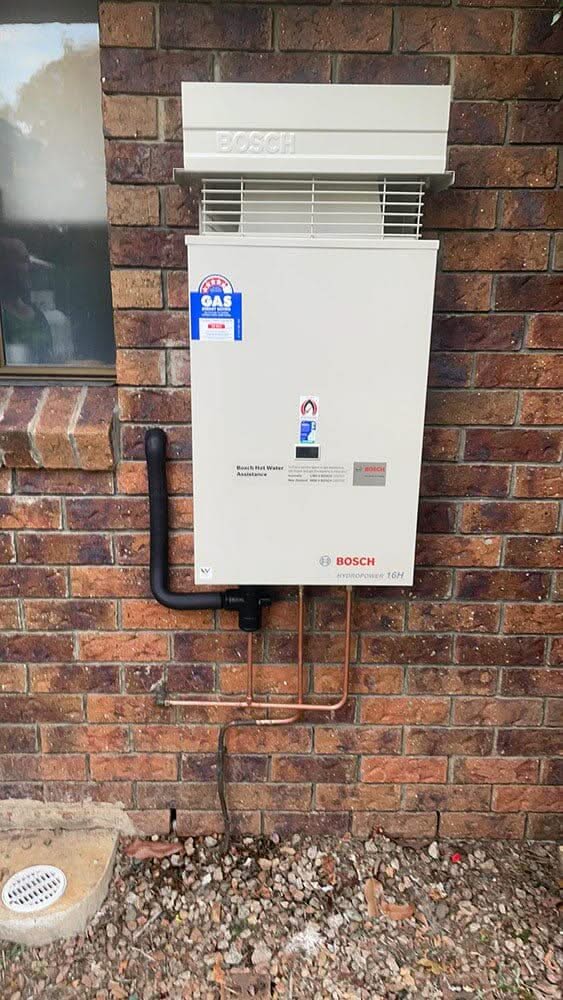
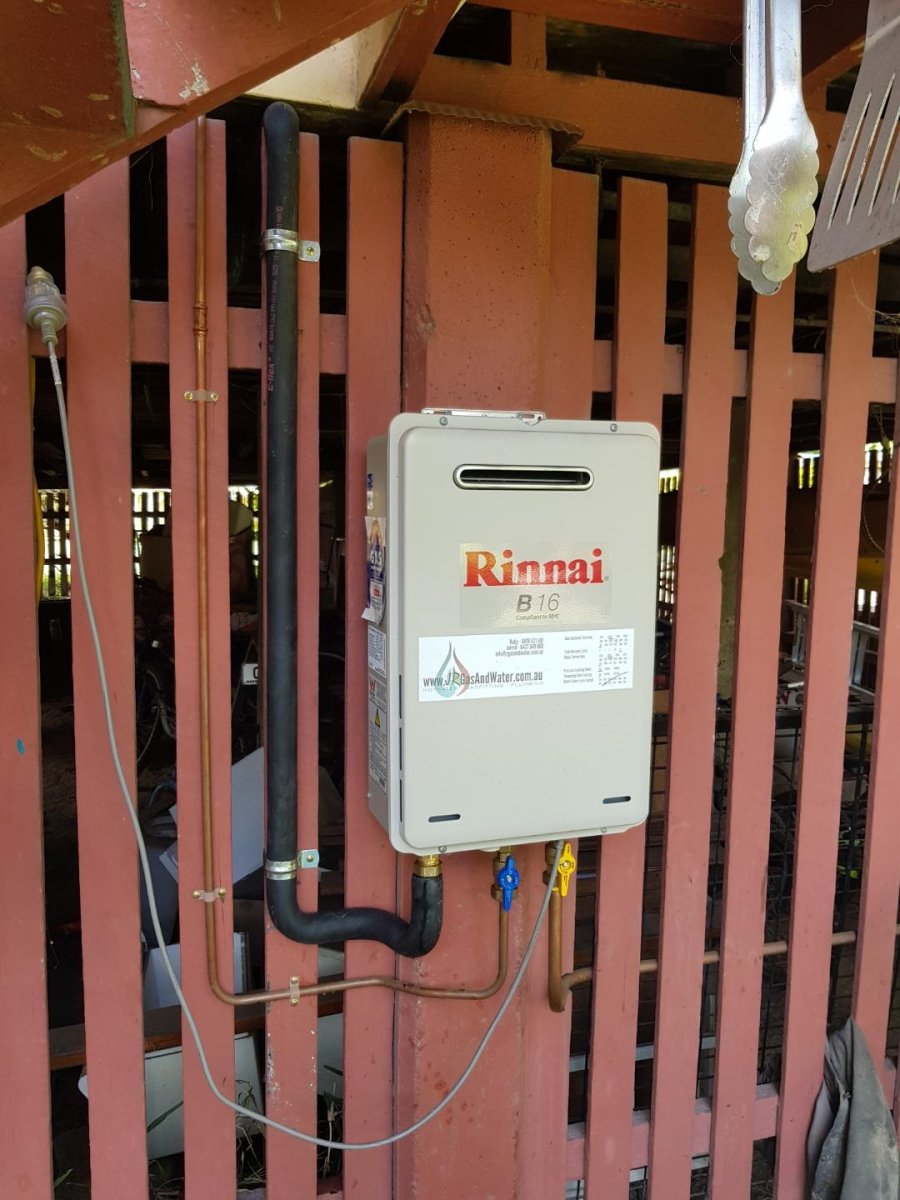
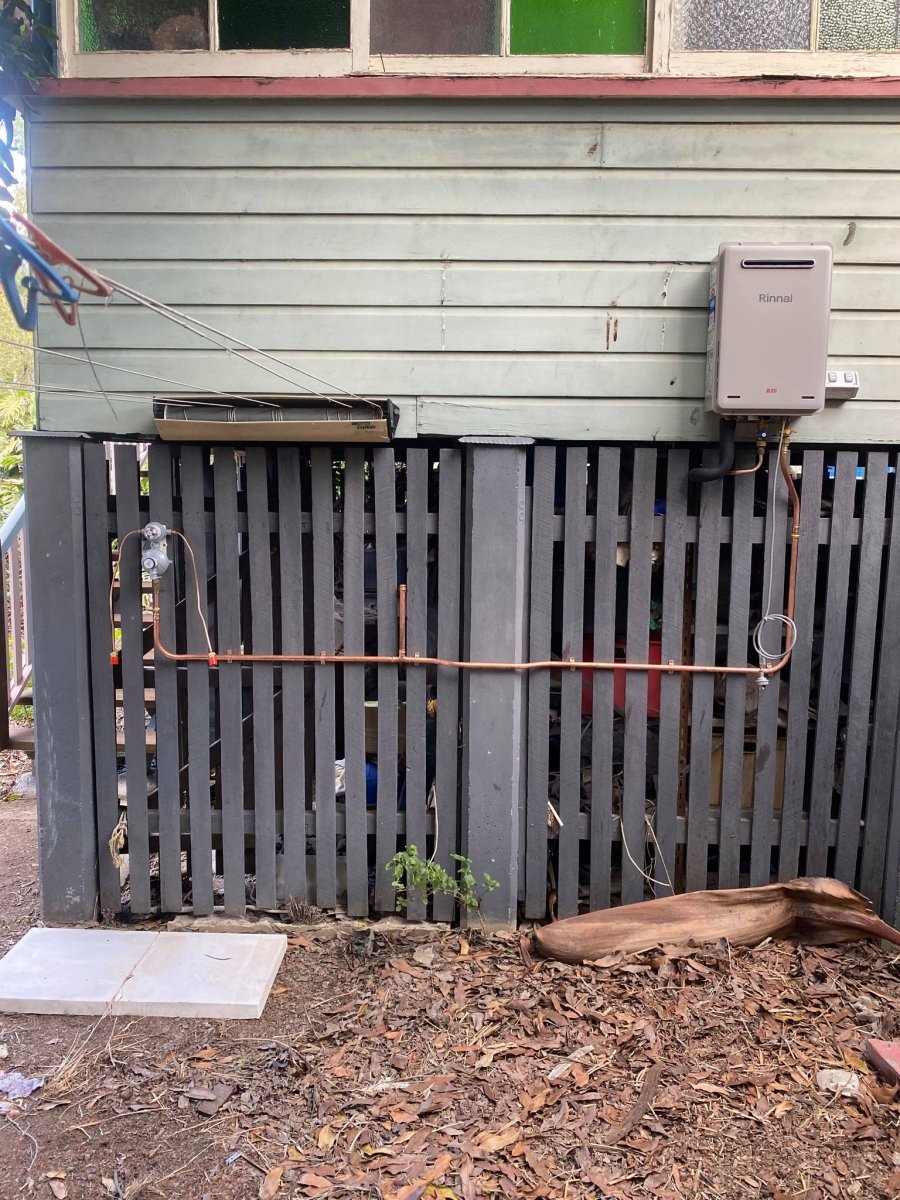
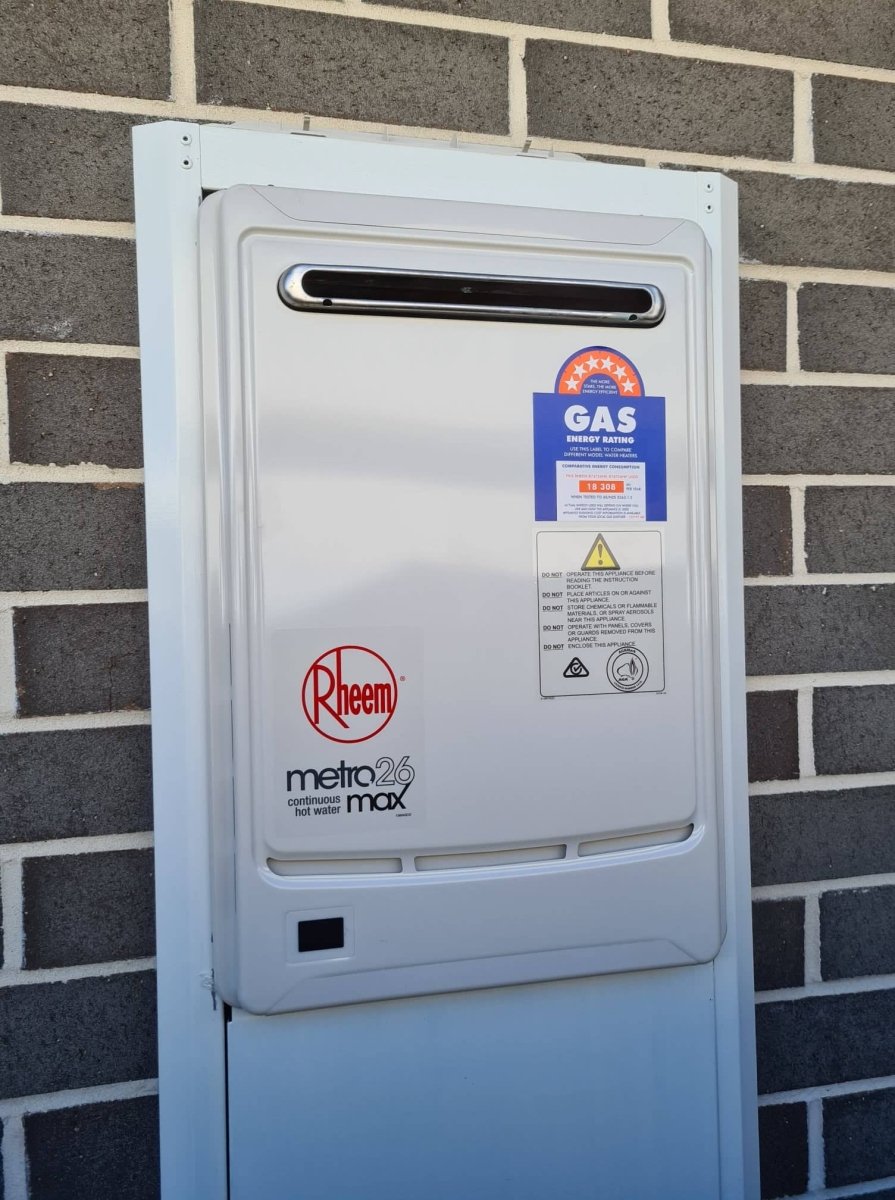
This is different from products such as Rinnai gas hot water systems, which are designed to heat water for showers, kitchens, laundries and bathrooms.
Rinnai Gas Heater vs Rinnai Gas Hot Water System
Rinnai makes different types of gas appliances, so it is important to choose the correct category.
| Appliance Type | What It Does | Common Use |
|---|---|---|
| Rinnai gas heater | Heats a room or living area | Home space heating |
| Rinnai gas log fire | Provides room heating with fireplace-style appearance | Living rooms and feature heating |
| Rinnai gas hot water system | Heats water for household taps and showers | Bathrooms, kitchens and laundries |
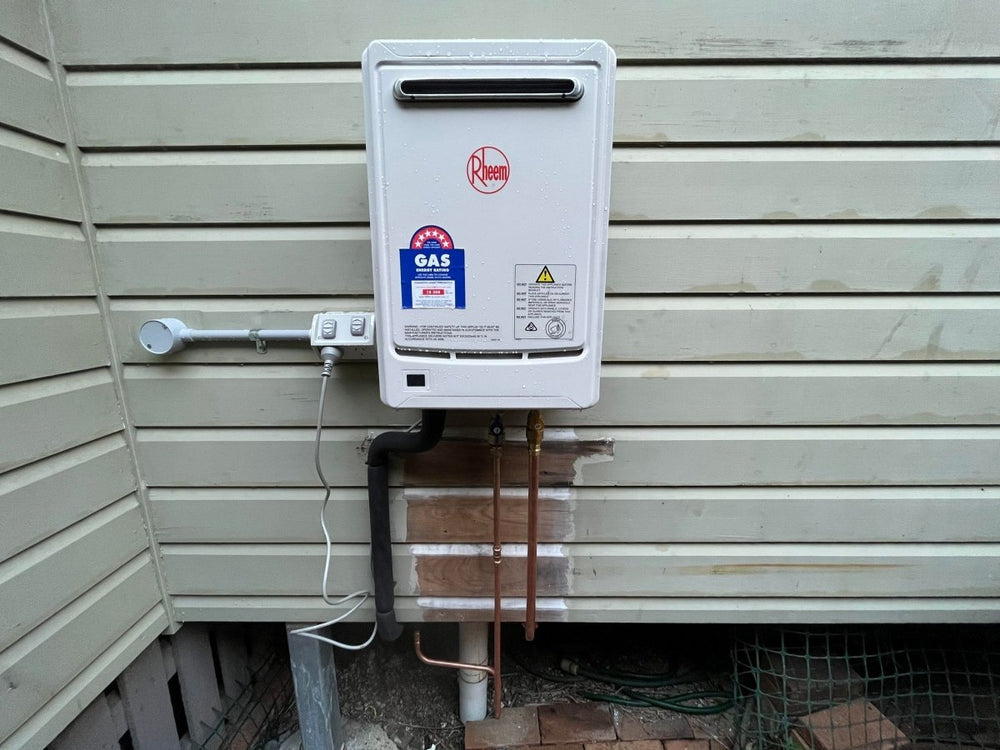
| Rinnai instant gas hot water | Heats water as it flows through the unit | Continuous flow hot water |
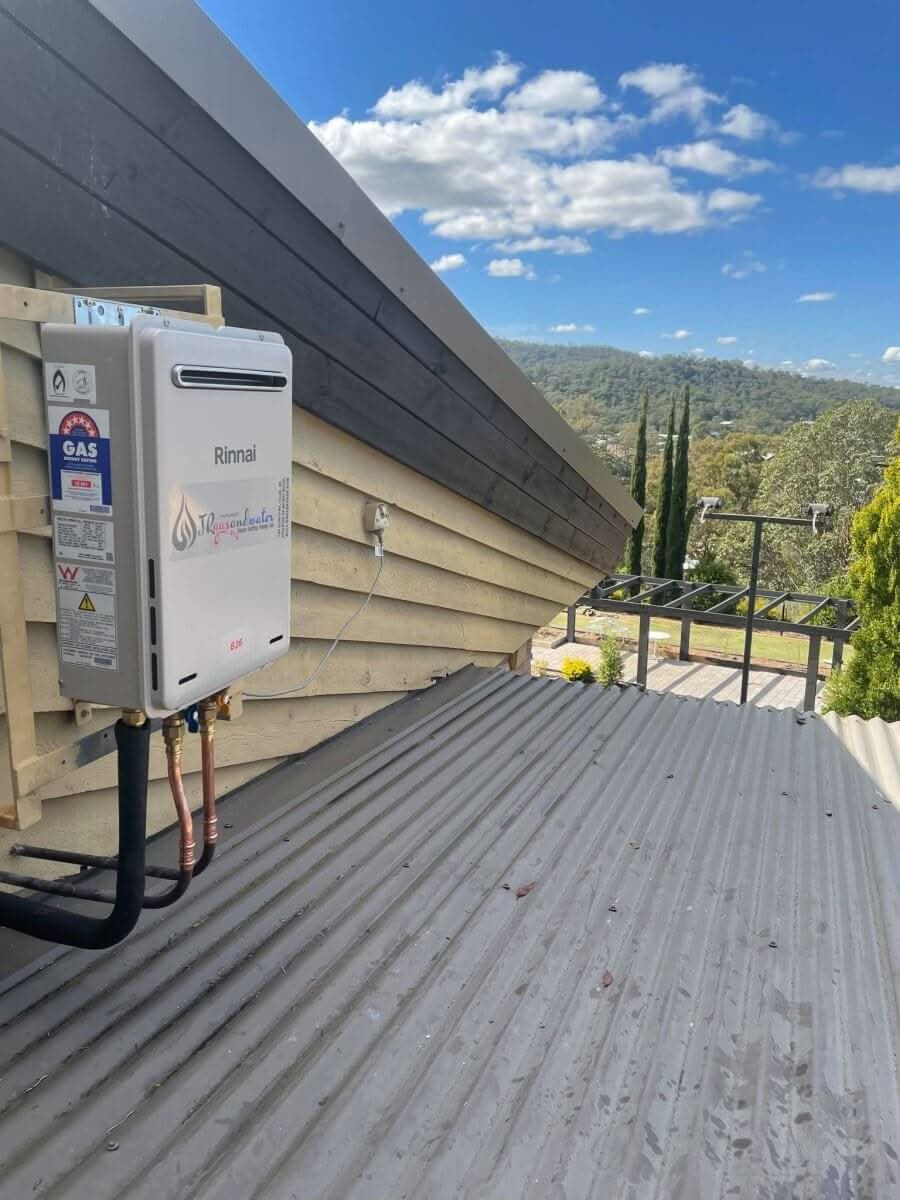
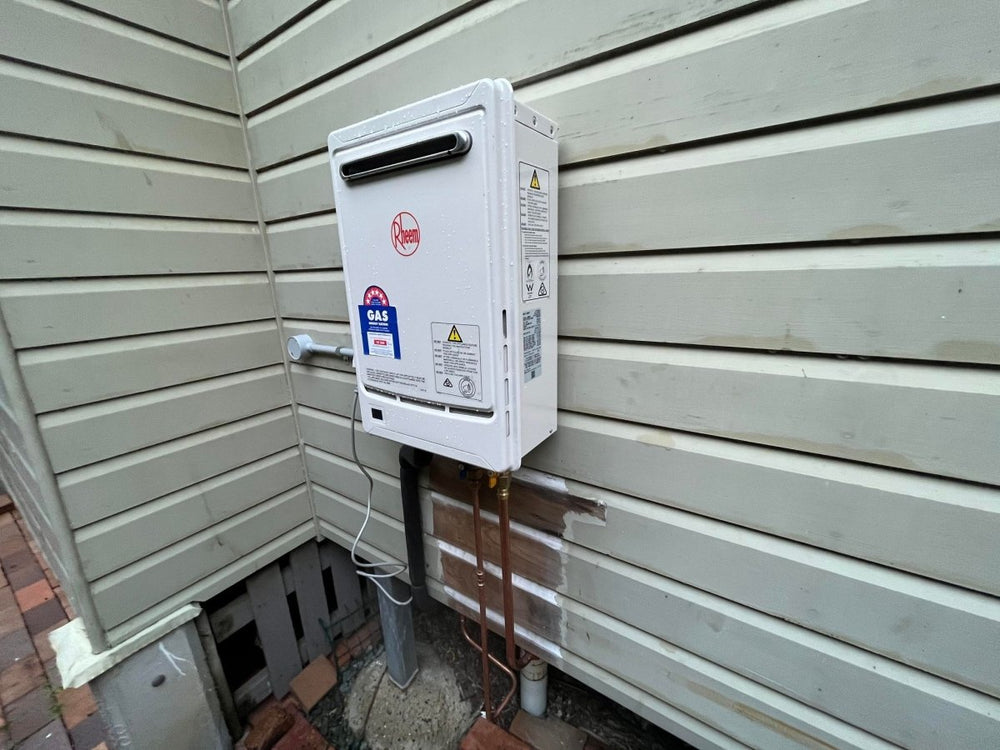
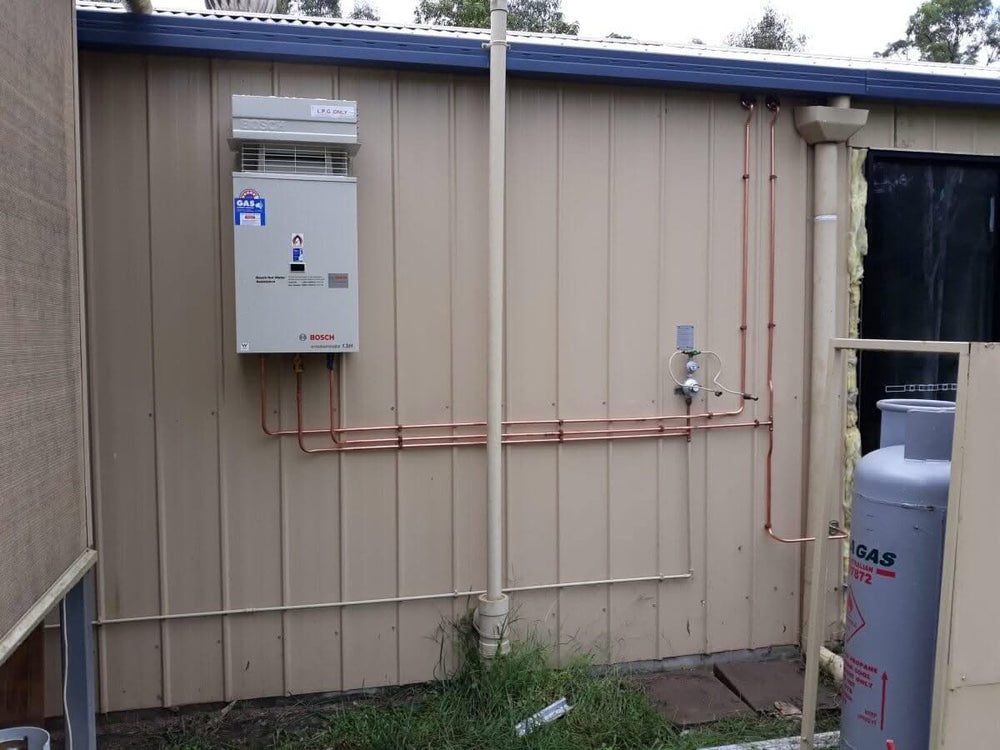
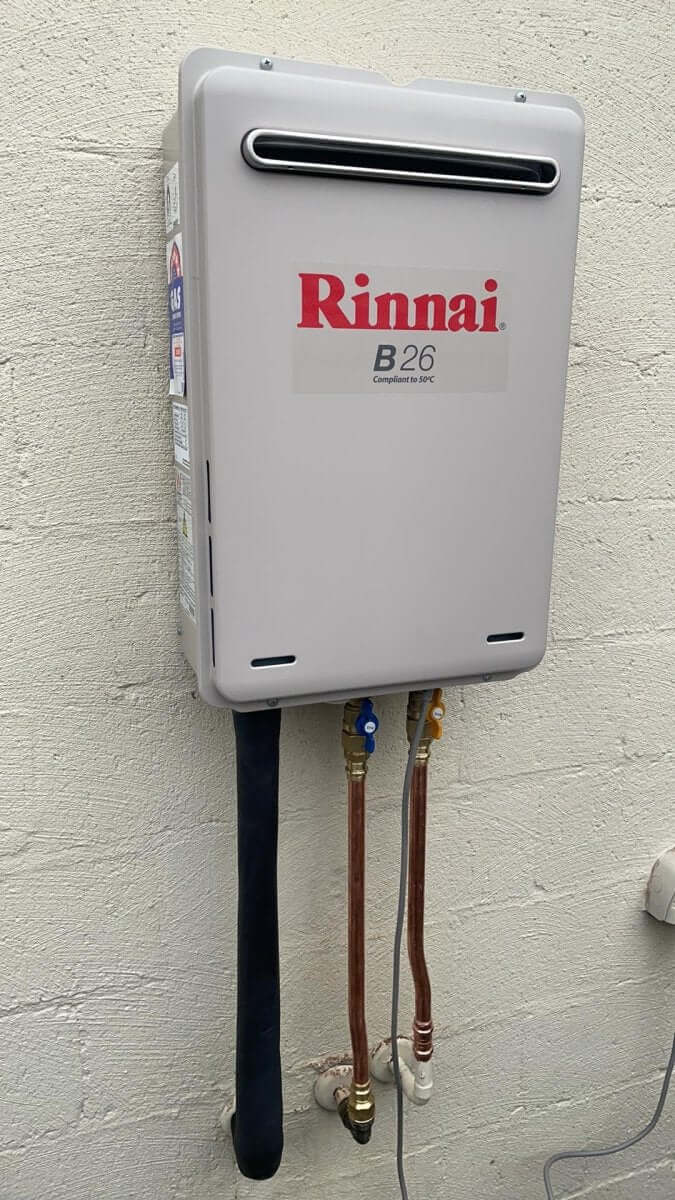
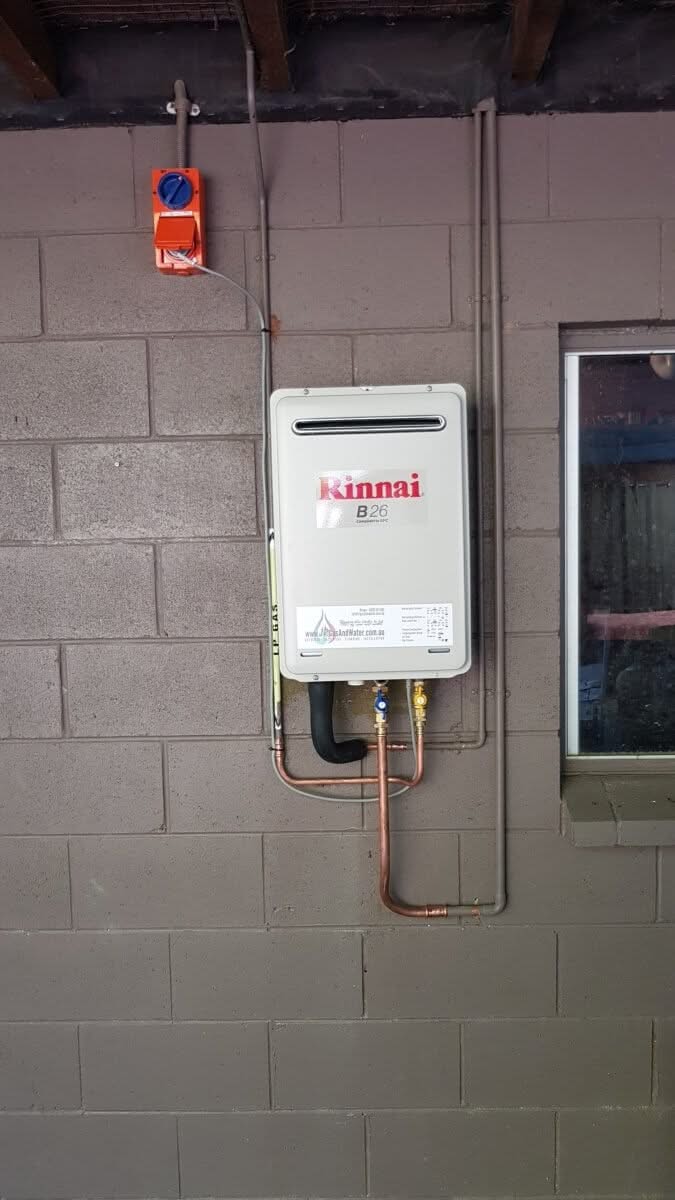
If you need hot water rather than room heating, compare Rinnai hot water systems, including instant gas hot water systems.
Main Types of Rinnai Gas Heaters
Rinnai gas heaters generally fall into three broad categories:
-
Portable gas heaters
-
Flued gas heaters
-
Gas log fire-style heaters
Each type has different safety, installation and ventilation requirements.
Portable Rinnai Gas Heaters
Portable gas heaters are designed to heat a specific room or area and can be moved where suitable gas bayonet points are available.
Portable gas heaters may suit:
-
Living rooms
-
Open-plan areas
-
Homes with natural gas bayonet points
-
People wanting flexible room heating
-
Homes where permanent heater installation is not preferred
Important checks include:
-
Correct gas type
-
Suitable gas bayonet
-
Room size
-
Ventilation
-
Minimum clearances
-
Manufacturer instructions
-
Appliance condition
-
Whether the model is approved for the intended use
Portable gas heaters should never be used in unsuitable rooms, enclosed spaces or areas without required ventilation.
Flued Rinnai Gas Heaters
Flued gas heaters are designed to discharge combustion gases outside the home through a flue system. This can make them suitable for more permanent installations where the property can support the flue requirements.
Flued gas heaters may suit:
-
More permanent room heating
-
Larger living areas
-
Homes wanting a fixed heating appliance
-
Rooms where a flue route is possible
-
Households wanting combustion gases vented outside
Before choosing a flued gas heater, check:
-
Flue route
-
Wall or roof penetration requirements
-
Gas type
-
Clearances
-
Room size
-
Installation cost
-
Compliance requirements
-
Access for servicing
Flued gas heaters must be installed by appropriately licensed professionals.
Rinnai Gas Log Fires
Gas log fires combine room heating with a fireplace-style appearance. They are often chosen for living spaces where both warmth and visual appeal matter.
Gas log fires may suit:
-
Lounge rooms
-
Open-plan living spaces
-
Homes wanting a fireplace look
-
Renovations where a feature heater is planned
-
Rooms with suitable flue and gas access
Before choosing a gas log fire, confirm:
-
Gas type
-
Flue requirements
-
Fireplace cavity requirements
-
Heat output
-
Room size
-
Clearances
-
Ventilation
-
Installation access
-
Ongoing servicing requirements
Gas log fires are not simple plug-in appliances. They need proper product selection and installation planning.
Natural Gas vs LPG Rinnai Gas Heaters
Natural gas and LPG gas heaters are different. They are not interchangeable.
Before choosing any gas heater, confirm:
-
Whether the property uses natural gas or LPG
-
Whether the heater model matches the gas type
-
Whether a conversion is permitted by the manufacturer
-
Whether gas pipe sizing is suitable
-
Whether the property has compliant gas connection points
-
Whether a licensed gas fitter has confirmed suitability
Using the wrong gas type can create serious safety and performance issues.
Unflued vs Flued Gas Heaters
One of the most important decisions is whether the heater is unflued or flued.
Unflued Gas Heaters
Unflued gas heaters release combustion byproducts into the room and rely on ventilation and correct room sizing. They are not suitable for every space.
They may require:
-
Minimum room size
-
Permanent ventilation
-
Restrictions on bedroom or bathroom use
-
Correct gas bayonet placement
-
Careful operation according to instructions
-
Ongoing safety checks
Flued Gas Heaters
Flued gas heaters discharge combustion gases outside through a flue. They still need correct installation, servicing and clearances.
They may require:
-
Wall flue or vertical flue
-
Suitable installation location
-
Building work
-
Licensed gas fitting
-
Manufacturer clearance compliance
-
Professional servicing
For safety, always follow the manufacturer’s instructions and local gas regulations.
Safety Considerations for Gas Heaters
Gas heaters must be selected, installed and used safely.
Important safety considerations include:
-
Correct gas type
-
Licensed gas fitting where required
-
Adequate ventilation
-
Room size suitability
-
Flue condition
-
Clearances from furniture and curtains
-
No blocked vents
-
No use in unsuitable enclosed rooms
-
Regular servicing
-
Carbon monoxide safety
-
Manufacturer operating instructions
-
Keeping children and pets away from hot surfaces
If you smell gas, feel unwell while using a heater, notice soot marks or suspect a fault, turn the appliance off where safe and contact a licensed gas fitter or emergency service.
Carbon Monoxide and Gas Heater Safety
Carbon monoxide is a serious risk with faulty, poorly maintained or incorrectly used gas appliances. It cannot be seen or smelled.
Warning signs of a gas heater issue may include:
-
Headaches while the heater is running
-
Dizziness
-
Nausea
-
Tiredness
-
Soot marks
-
Yellow or unusual flame where not normal for the appliance
-
Condensation build-up
-
Heater cutting out
-
Unusual smells
-
Poor ventilation
Gas heaters should be serviced according to manufacturer guidance and local safety recommendations.
Choosing the Right Rinnai Gas Heater Size
The correct gas heater size depends on the room and usage pattern.
Consider:
-
Room size
-
Ceiling height
-
Open-plan layout
-
Insulation
-
Window area
-
Draughts
-
Local climate
-
How often the room is used
-
Whether doors stay open
-
Whether the heater is primary or supplementary heating
-
Gas type
-
Ventilation needs
A heater that is too small may struggle to warm the room. A heater that is too large may be uncomfortable, inefficient or unsuitable for the space.
Energy Efficiency Ratings
Gas heater efficiency matters because it affects running costs and comfort.
When comparing models, check:
-
Energy rating
-
Heat output
-
Room size suitability
-
Thermostat controls
-
Timer functions
-
Fan-assisted heating
-
Flued or unflued design
-
Standby power requirements
-
Gas consumption
-
Operating modes
A higher-efficiency heater can be beneficial, but the appliance must still suit the room, gas supply and installation conditions.
Features to Compare in Rinnai Gas Heaters
Useful features may include:
-
Thermostat control
-
Timer settings
-
Remote control
-
Child lock
-
Overheat protection
-
Tilt switch on portable models
-
Flame failure safety device
-
Oxygen depletion sensor on some unflued models
-
Fan-assisted heat distribution
-
Economy mode
-
Filter indicator
-
Easy-clean filters
-
Compact design
-
Low-profile appearance
-
Flued installation options
Safety features do not replace correct installation, ventilation and servicing.
Rinnai Gas Heaters for Small Rooms
For smaller rooms, it is especially important to check whether a gas heater is suitable. Some gas heaters have minimum room size and ventilation requirements.
Small-room checks include:
-
Whether the heater is approved for that room size
-
Whether the room has enough ventilation
-
Whether the room is a bedroom or enclosed space
-
Heat output
-
Clearances
-
Gas bayonet location
-
Whether an electric heater or reverse-cycle air conditioner may be more suitable
Do not use a gas heater in a room that does not meet the manufacturer’s requirements.
Rinnai Gas Heaters for Large Living Areas
Large open-plan spaces may need higher heat output and better air circulation.
Large-room checks include:
-
Total room volume
-
Ceiling height
-
Open-plan layout
-
Insulation
-
Window and door area
-
Draughts
-
Heat output
-
Fan assistance
-
Gas consumption
-
Heater location
-
Flued or unflued suitability
A licensed gas fitter or appliance specialist can help confirm what size heater is suitable.
Portable Gas Heater vs Gas Log Fire
| Option | Best Suited To | Key Checks |
|---|---|---|
| Portable gas heater | Flexible room heating | Gas bayonet, ventilation, room size |
| Flued gas heater | Permanent room heating | Flue route, installation, clearances |
| Gas log fire | Feature heating and fireplace appearance | Flue, cavity, room size, installation |
| Reverse-cycle air conditioning | Electric heating and cooling | Electrical supply, room size, energy use |
The best option depends on whether you want flexibility, appearance, permanent installation or year-round heating and cooling.
Rinnai Gas Heating vs Rinnai Gas Hot Water
If your main concern is heating rooms, you need a gas heater. If your concern is showers, kitchens and laundries, you need a hot water system.
Installed Today’s relevant Rinnai product range is focused on hot water, including:
Do not confuse a Rinnai room gas heater with a Rinnai instant gas hot water system. They serve different purposes and have different installation requirements.
Installation Requirements for Rinnai Gas Heaters
Gas heater installation requirements depend on the heater type.
Before buying, confirm:
-
Gas type
-
Gas supply availability
-
Gas bayonet suitability for portable heaters
-
Gas pipe sizing
-
Appliance location
-
Room size
-
Ventilation
-
Flue route for flued models
-
Clearances
-
Electrical requirements where applicable
-
Access for installation
-
Access for servicing
-
Local compliance requirements
Gas installation work must be carried out by a licensed gas fitter.
Maintenance for Rinnai Gas Heaters
Gas heaters need regular maintenance to operate safely and efficiently.
General maintenance may include:
-
Cleaning filters where applicable
-
Checking vents are not blocked
-
Keeping the heater free from dust
-
Inspecting visible gas connections
-
Checking for unusual smells
-
Watching for soot marks
-
Following manufacturer servicing intervals
-
Having the appliance serviced by a licensed gas fitter
-
Checking flues where applicable
-
Replacing damaged components with approved parts
Do not attempt gas repairs yourself.
Signs a Gas Heater Needs Attention
A gas heater should be checked if you notice:
-
Gas smell
-
Soot marks
-
Yellow or unusual flame
-
Heater cutting out
-
Error codes
-
Poor heat output
-
Unusual noise
-
Headaches or nausea while operating
-
Excess condensation
-
Dust build-up
-
Damaged hose or connection
-
Fan not working
-
Remote or controls failing
Stop using the heater if you suspect a safety issue.
Supply-Only Considerations
If buying any gas appliance supply only, make sure you understand what is and is not included.
Supply-only pricing generally does not include:
-
Installation labour
-
Licensed gas fitting
-
Gas bayonet installation
-
Gas pipe upgrades
-
Flue kit installation
-
Electrical work
-
Wall penetrations
-
Building work
-
Old heater removal
-
Disposal
-
Compliance upgrades
-
Carbon monoxide testing
-
Servicing
-
Site assessment
Before ordering, confirm the correct product, gas type, installation requirements and compliance needs with a licensed gas fitter.
Common Mistakes When Choosing a Rinnai Gas Heater
Confusing Gas Heaters With Gas Hot Water Systems
A gas heater warms a room. A gas hot water system heats water for taps and showers.
Choosing the Wrong Gas Type
Natural gas and LPG appliances are different. Always choose the correct model.
Ignoring Ventilation
Gas heaters need correct ventilation and safe use according to the manufacturer’s instructions.
Choosing by Room Size Guesswork
A heater should match the room size, insulation, ceiling height and layout.
Assuming Portable Means Suitable Anywhere
Portable gas heaters still have strict gas connection, ventilation and room suitability requirements.
Forgetting Flue Requirements
Flued gas heaters and gas log fires need correct flue planning and installation.
Skipping Servicing
Gas heaters should be serviced according to the manufacturer’s requirements and local safety advice.
Before Buying Checklist
Before choosing a Rinnai gas heater, confirm:
-
Whether you need room heating or hot water
-
Heater type
-
Natural gas or LPG
-
Room size
-
Ceiling height
-
Insulation
-
Ventilation
-
Gas bayonet availability
-
Flue requirements
-
Clearances
-
Electrical needs
-
Heating capacity
-
Energy rating
-
Noise level
-
Safety features
-
Servicing requirements
-
Licensed gas fitter confirmation
-
Whether supply-only suits your situation
Frequently Asked Questions
What is a Rinnai gas heater?
A Rinnai gas heater is a room heating appliance that uses natural gas or LPG to provide warmth. It is different from a Rinnai gas hot water system.
Are Rinnai gas heaters efficient?
Many Rinnai gas heaters are designed for efficient home heating, but efficiency depends on the model, room size, insulation, ventilation and how the heater is used.
What is the difference between flued and unflued gas heaters?
A flued gas heater vents combustion gases outside. An unflued gas heater releases combustion byproducts into the room and requires strict ventilation and room suitability.
Can I use a portable gas heater in any room?
No. Portable gas heaters must only be used in suitable rooms with correct ventilation, gas connection and manufacturer-approved conditions.
Do gas heaters need servicing?
Yes. Gas heaters should be serviced according to manufacturer requirements and local gas safety recommendations.
Can I install a gas heater myself?
No. Gas installation work must be completed by a licensed gas fitter.
Is LPG the same as natural gas?
No. LPG and natural gas are different. Appliances must match the correct gas type unless the manufacturer allows approved conversion by a licensed gas fitter.
Does Installed Today sell Rinnai gas heaters?
Installed Today’s provided product focus is hot water, water filters and pumps. For Rinnai hot water, compare Rinnai hot water systems. For room gas heaters, check the relevant heater product category or retailer before purchasing.
What Rinnai products are available for hot water?
Installed Today lists Rinnai hot water options such as Rinnai Infinity B16, B20 and B26 models in natural gas or LPG variants where available.
What should I check before buying a gas heater?
Check gas type, room size, ventilation, flue requirements, clearances, safety features, installation needs and licensed gas fitter advice.
Final Word
A Rinnai gas heater can be a practical home heating option where the appliance suits the room, gas type, ventilation and installation requirements. Portable gas heaters, flued heaters and gas log fires all have different uses and safety considerations.
The most important step is confirming whether you need a room heater or a hot water system. If you need hot water, compare Rinnai gas hot water products such as Rinnai hot water systems through Installed Today. If you need a room gas heater, confirm the correct heater type, gas type and installation requirements with a licensed gas fitter or heating specialist before buying.