
Solar Hot Water Systems: How They Work, When They Suit and What to Compare Before You Buy
A solar hot water system uses roof-mounted collectors to capture heat from the sun and transfer it into stored hot water. In the right home, solar hot water can reduce reliance on electricity or gas for water heating, especially where the roof has strong sun exposure, minimal shading and a suitable booster setup.
Solar is not automatically the best hot water system for every property. Roof orientation, pitch, shading, roof structure, access, tank location, booster type, household demand and installation cost all matter. If the roof is shaded, difficult to access or unsuitable for collectors, a heat pump hot water system may be a more practical efficient alternative.
Installed Today helps customers compare hot water systems, including electric hot water systems, gas hot water systems, instant gas hot water systems and heat pump hot water systems. Supply-only ordering is available across major Australian metro areas, with selected supplied-and-installed options available on eligible products in Brisbane and Gold Coast service areas where shown.
Quick Answer
A solar hot water system may suit your home if you have:
-
Good roof sun exposure
-
Suitable roof orientation
-
Minimal shading
-
Suitable roof pitch
-
Safe roof access
-
Enough roof space for collectors
-
A suitable tank location
-
Correct electric or gas booster setup
-
Household hot water demand that matches the system size
-
Budget for a more involved installation
-
A roof and structure that can support the selected system
Solar hot water may not be suitable if the roof is shaded, difficult to access, poorly oriented, structurally unsuitable or already crowded with solar PV panels.
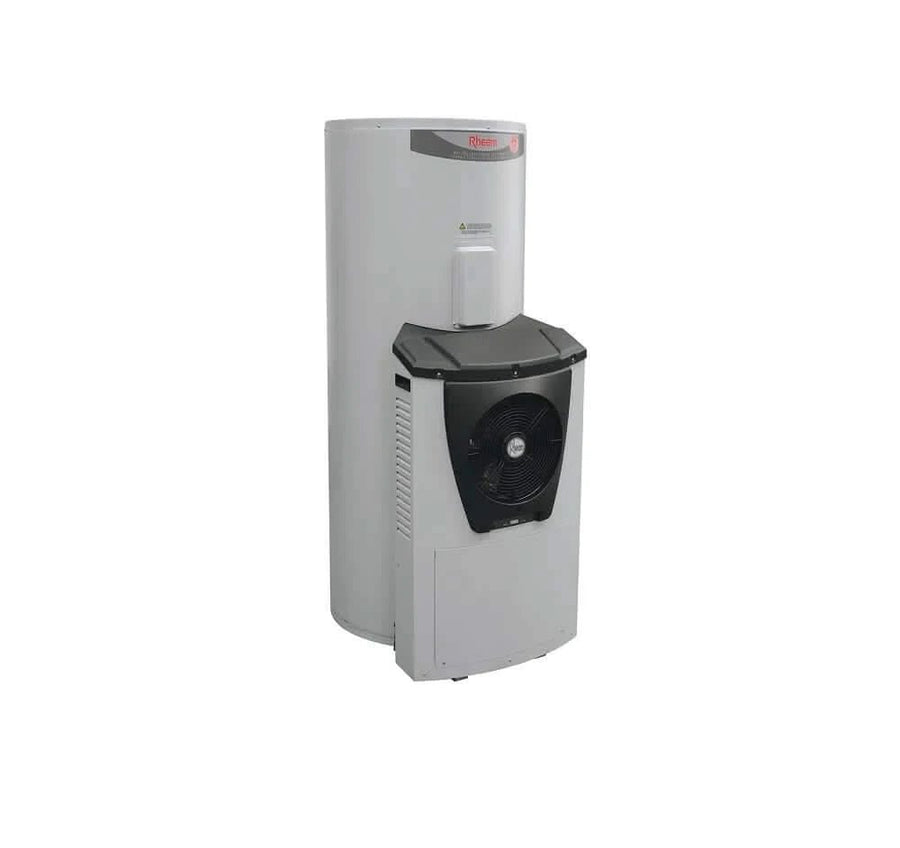
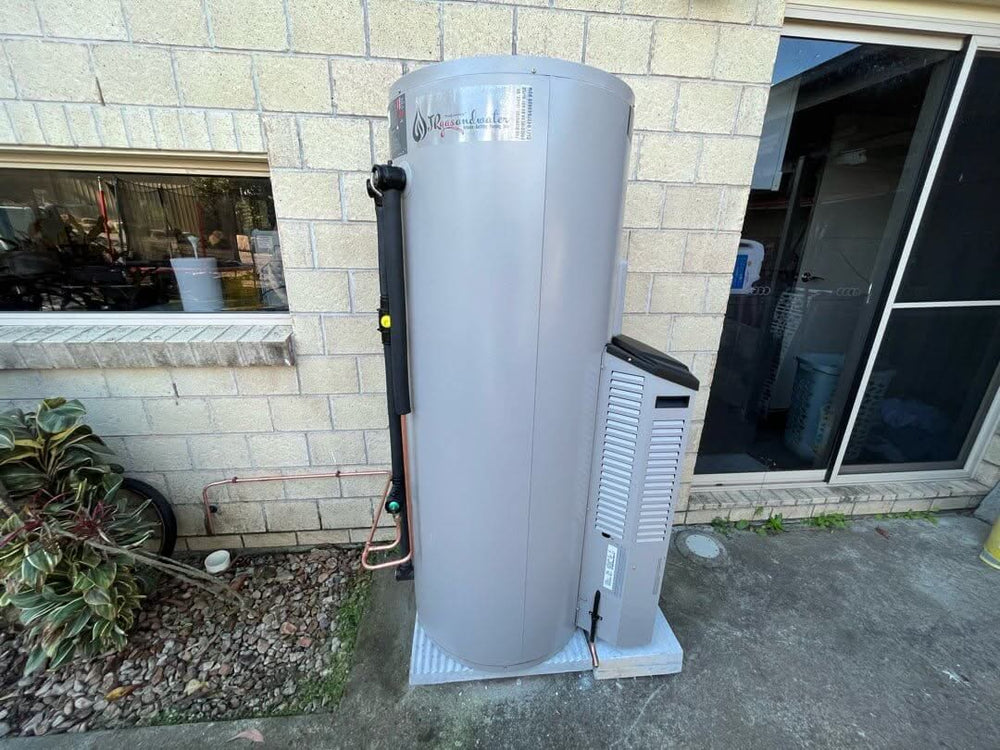
If solar hot water does not suit the property, compare heat pump hot water systems, including medium heat pump hot water systems from 200L to 280L and large heat pump hot water systems over 280L.
What Is a Solar Hot Water System?
A solar hot water system uses solar collectors to absorb heat from sunlight. That heat is transferred into water stored in a hot water tank.
Most domestic solar hot water systems include:
-
Roof-mounted solar collectors
-
A storage tank
-
A circulation method
-
Pipework between the collectors and tank
-
Electric or gas boosting
-
Valves and temperature control
-
Plumbing connections
-
Roof flashings and mounting hardware
-
Controls, pumps or sensors depending on system type
Solar hot water is different from solar PV. Solar PV creates electricity. Solar hot water directly heats water using solar collectors.
Some homes use both solar PV and a hot water system, but they are separate technologies.
How Does Solar Hot Water Work?
Solar hot water systems use collectors to capture heat from the sun.
The basic process is:
-
Sunlight heats the solar collectors
-
Heat is transferred into the water or heat-transfer fluid
-
Hot water is stored in an insulated tank
-
A booster helps maintain hot water when solar input is low
-
The stored hot water is delivered to fixtures when needed
The booster is important. Even in sunny regions, solar hot water usually needs electric or gas boosting during cloudy weather, cooler periods, high-demand days or when household usage exceeds solar recovery.
Roof-Mounted vs Split Solar Hot Water Systems
Solar hot water systems are commonly available in roof-mounted or split configurations.
Roof-Mounted Solar Hot Water
A roof-mounted system usually has both the collectors and storage tank on the roof.
It may suit:
-
Homes with suitable roof structure
-
Properties with enough roof space
-
Installations where roof loading is acceptable
-
Homes with good sun exposure
-
Customers wanting a traditional solar hot water layout
The roof must be able to support the system, including the weight of the tank when full. Roof access, roof condition and structural suitability should be checked before choosing this type.
Split Solar Hot Water
A split solar hot water system usually has collectors on the roof and a storage tank at ground level.
It may suit:
-
Homes where a roof-mounted tank is not practical
-
Properties with suitable ground-level tank space
-
Roofs that can support collectors but not a full tank
-
Homes where service access to the tank is easier at ground level
Split systems may involve pumps, sensors and more pipework, depending on the design.
Solar Collectors: Panels vs Evacuated Tubes
Solar hot water systems commonly use either flat plate collectors or evacuated tube collectors.
Flat Plate Collectors
Flat plate collectors are a common solar hot water collector type. They sit on the roof and absorb solar heat through a flat collector surface.
They may suit many Australian homes where roof orientation, sun exposure and installation conditions are suitable.
Evacuated Tube Collectors
Evacuated tube systems use glass tubes designed to capture solar heat efficiently.
They may be considered in some installations where collector performance, roof layout or climate suitability makes them a good fit.
The best collector type depends on climate, roof layout, budget, household usage and product availability.
Electric Booster vs Gas Booster
Most solar hot water systems need boosting.
Electric Boosted Solar Hot Water
An electric booster uses electricity to heat water when solar input is not enough.
It may suit homes that:
-
Do not have gas
-
Have suitable electrical supply
-
Want a simpler booster setup
-
Are replacing an existing electric boosted solar system
Gas Boosted Solar Hot Water
A gas booster uses natural gas or LPG to boost water temperature when needed.
It may suit homes that:
-
Already have natural gas or LPG
-
Have suitable gas pipe sizing
-
Have suitable outdoor installation space
-
Want gas boosting where the setup is practical
Natural gas and LPG are not interchangeable. Gas work must be completed by a licensed gas fitter.
Benefits of Solar Hot Water
Solar hot water may provide several benefits where the home and roof are suitable.
Potential benefits include:
-
Reduced reliance on electricity or gas for water heating
-
Use of solar energy for part of the home’s hot water demand
-
Electric or gas boosting for lower-sun periods
-
Suitability for some high hot water demand households
-
Potential eligibility for STCs or incentives depending on current rules
-
A long-term efficient option in the right property
Actual results depend on roof conditions, system size, household usage, booster settings, climate, maintenance and installation quality.
Solar Hot Water Limitations
Solar hot water is not always the best fit.
Limitations can include:
-
Higher upfront installation complexity
-
Roof access requirements
-
Roof orientation and shading limitations
-
Possible roof structure concerns
-
Booster still required
-
Maintenance access needed
-
Potentially higher repair complexity
-
Less suitable for heavily shaded roofs
-
Not always ideal where roof space is already used by solar PV
-
STCs, rebates and incentives can change
A solar hot water system should be chosen based on site suitability, not just the promise of savings.
Solar Hot Water vs Heat Pump Hot Water
Solar hot water and heat pump hot water are often compared by homeowners looking for efficient alternatives to standard electric storage.
Solar Hot Water May Suit:
-
Homes with excellent roof sun exposure
-
Suitable roof orientation and pitch
-
Minimal shading
-
Safe roof access
-
Suitable roof structure
-
Customers who want roof-mounted solar collectors
-
Homes where electric or gas boosting is suitable
Heat Pump Hot Water May Suit:
-
Homes with unsuitable roof conditions
-
Shaded roofs
-
Properties where roof access is difficult
-
Homes with outdoor space at ground level
-
Customers replacing older electric storage systems
-
Homes with solar PV where timer operation suits daytime use
-
Properties with clear airflow and condensate drainage
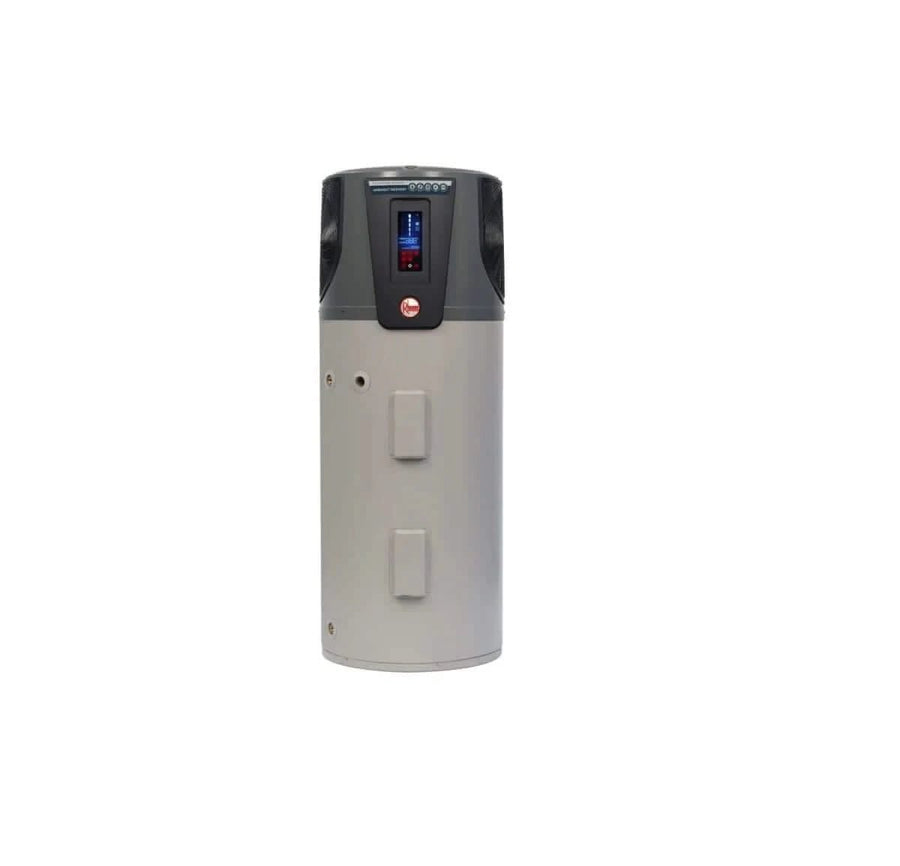
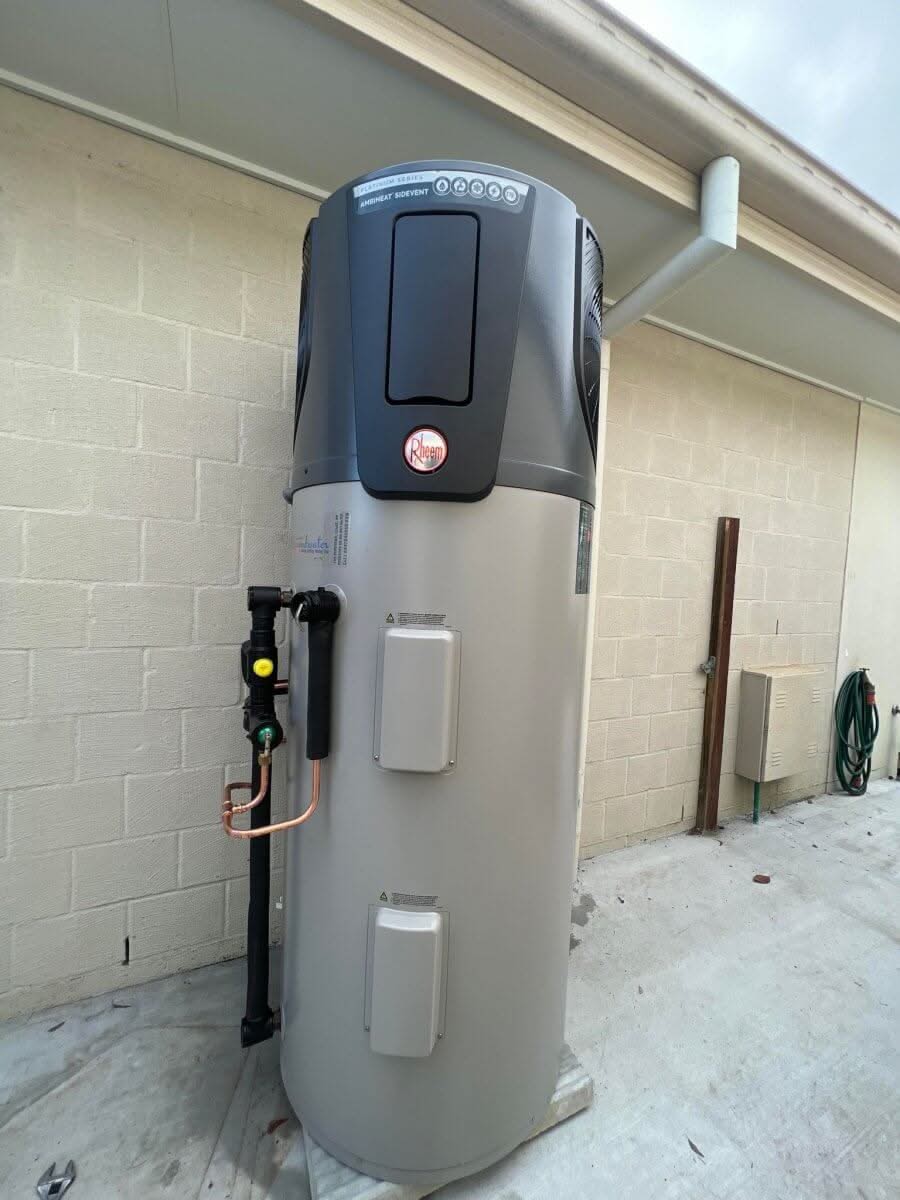
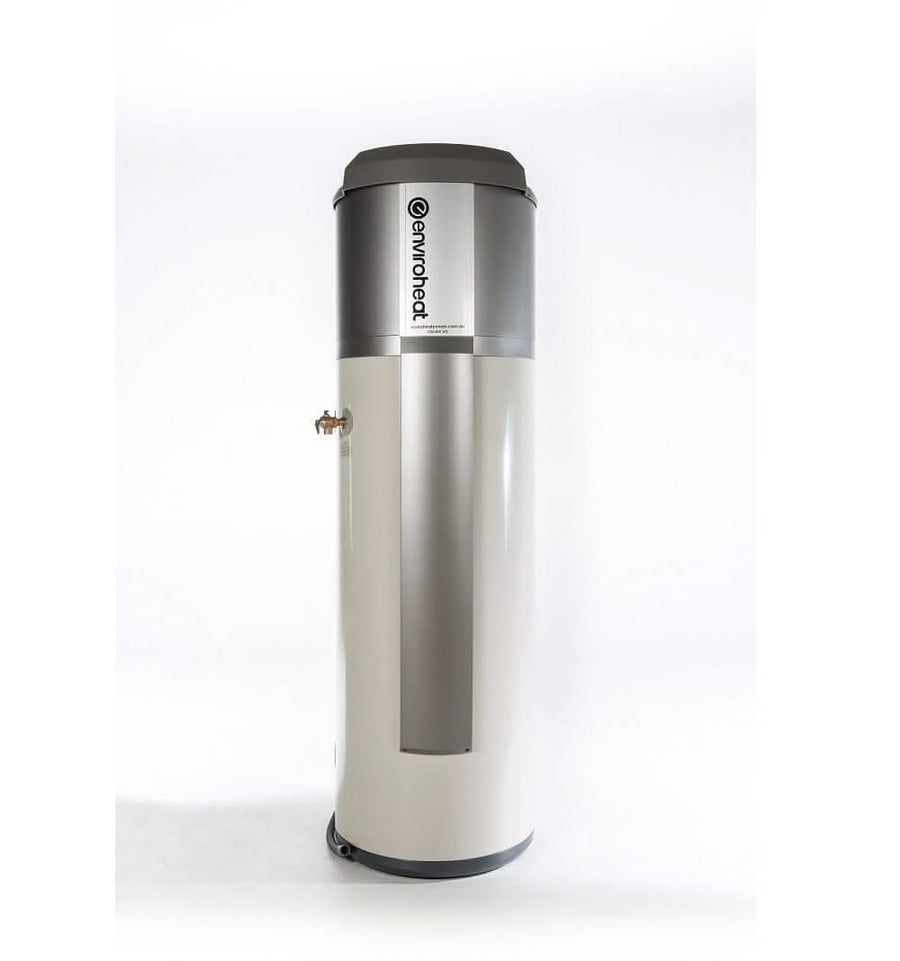
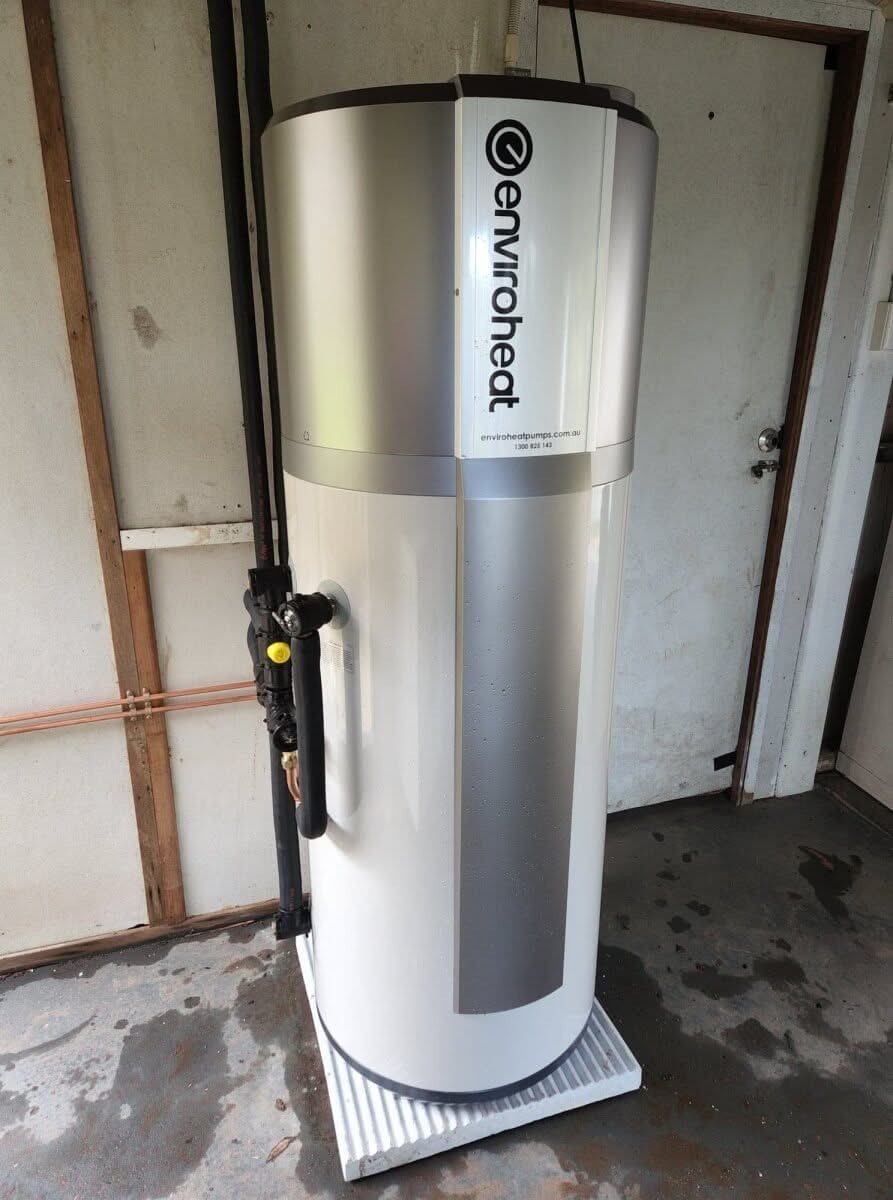
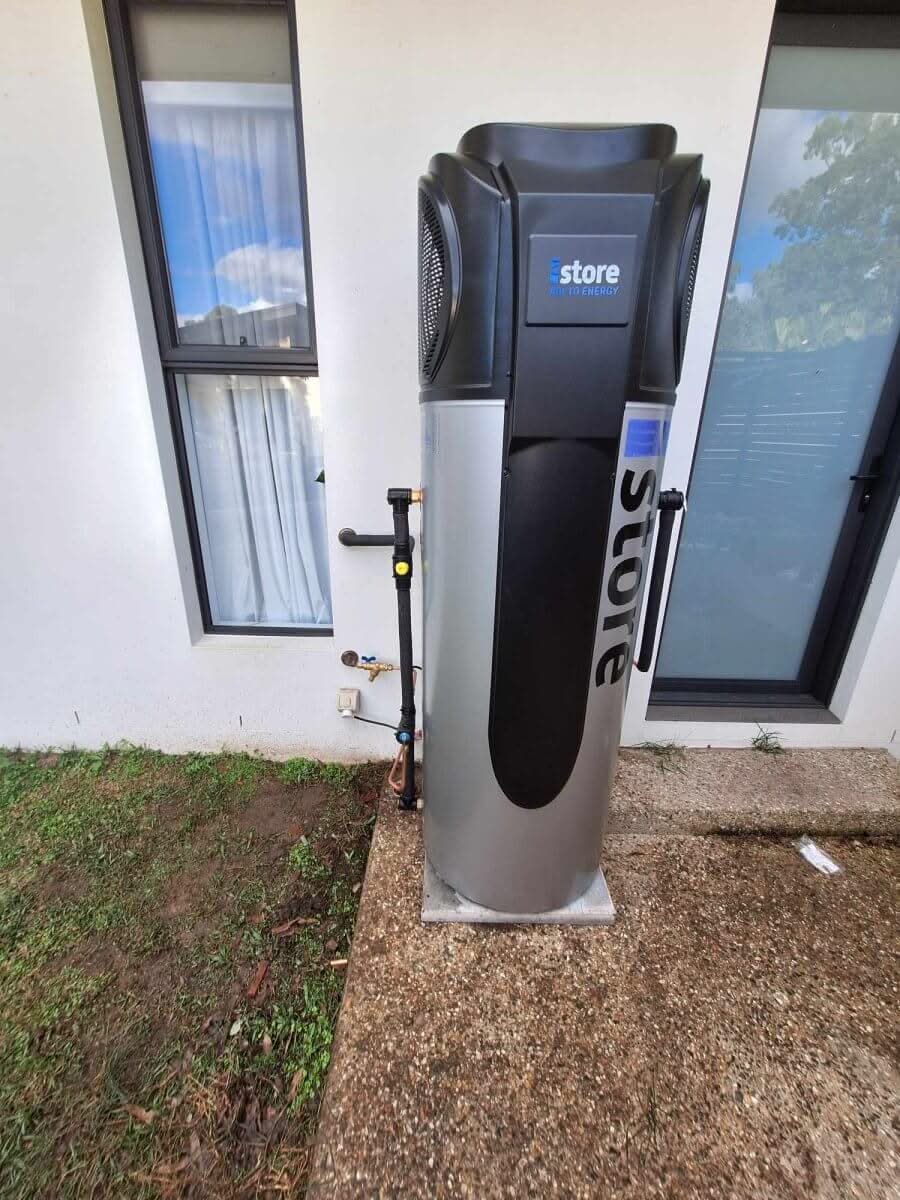
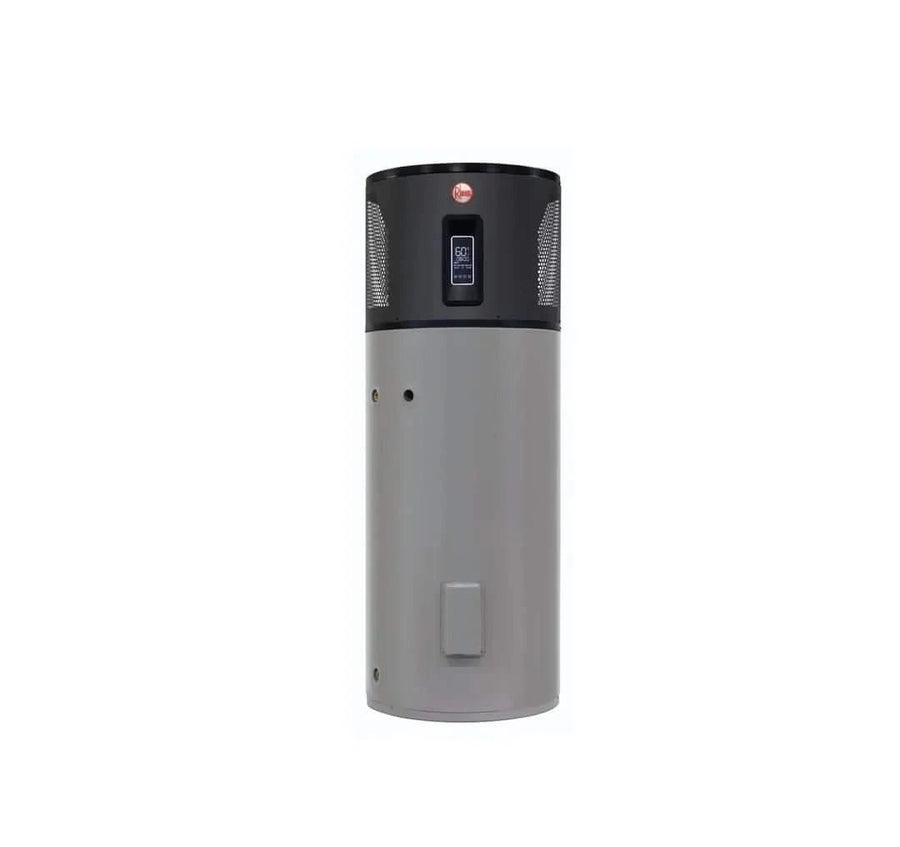
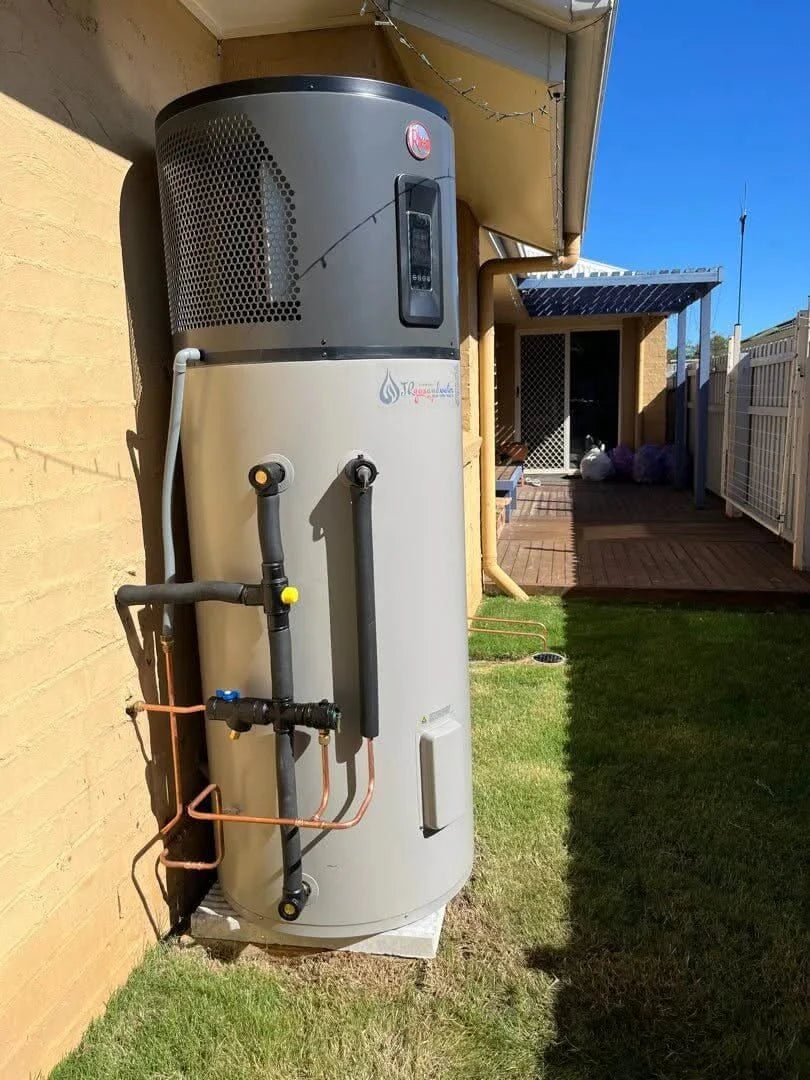
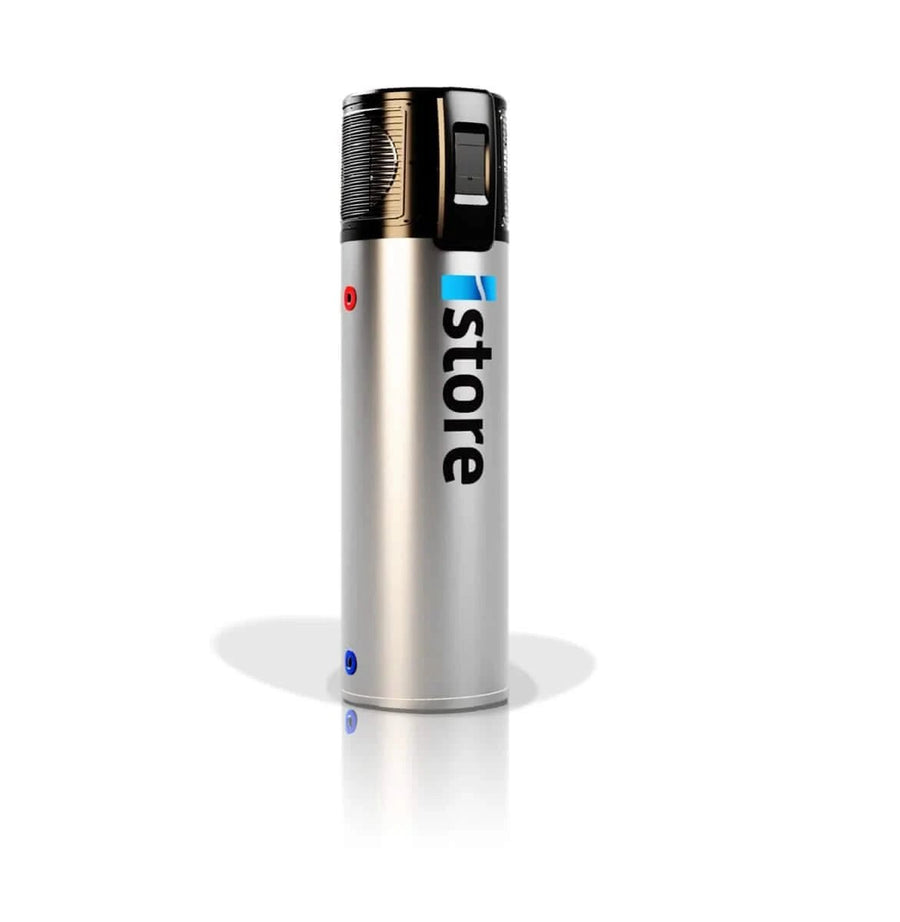
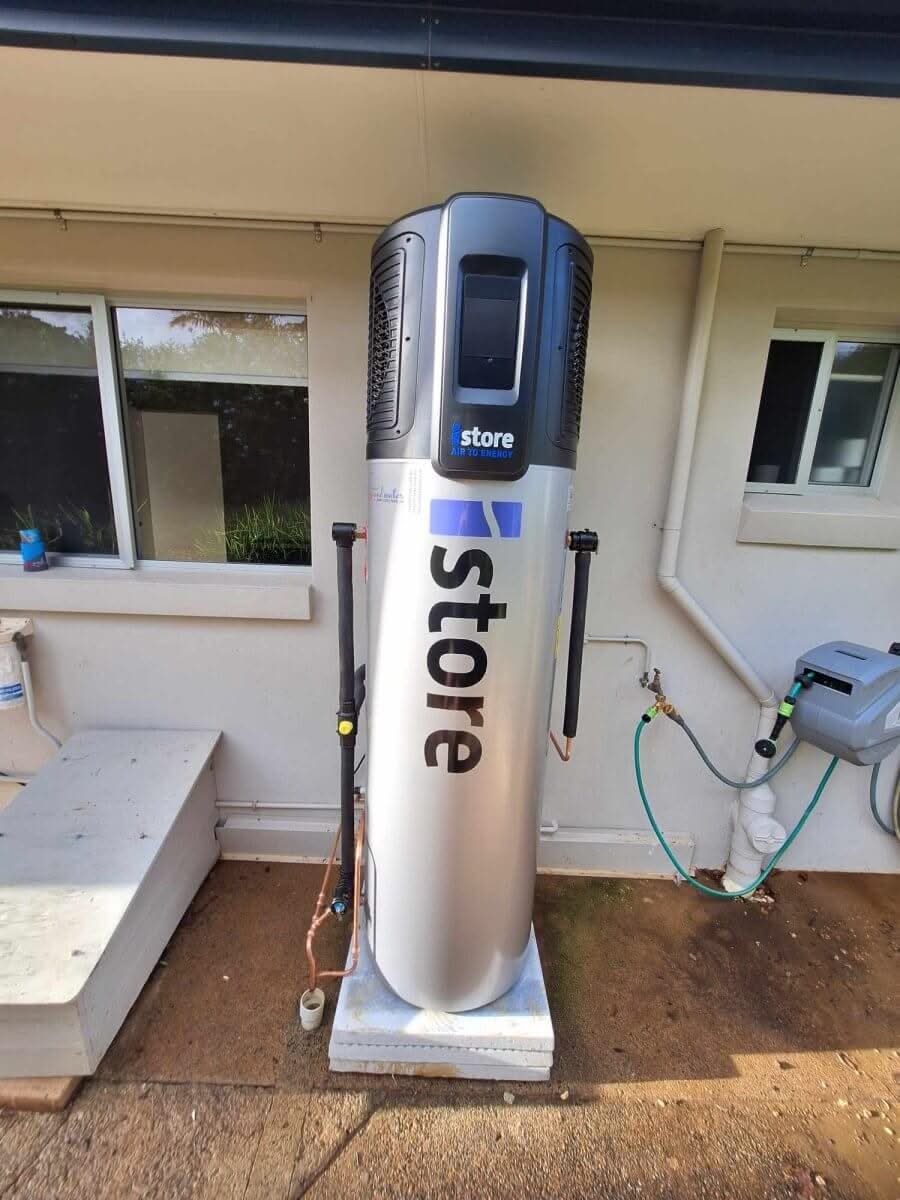
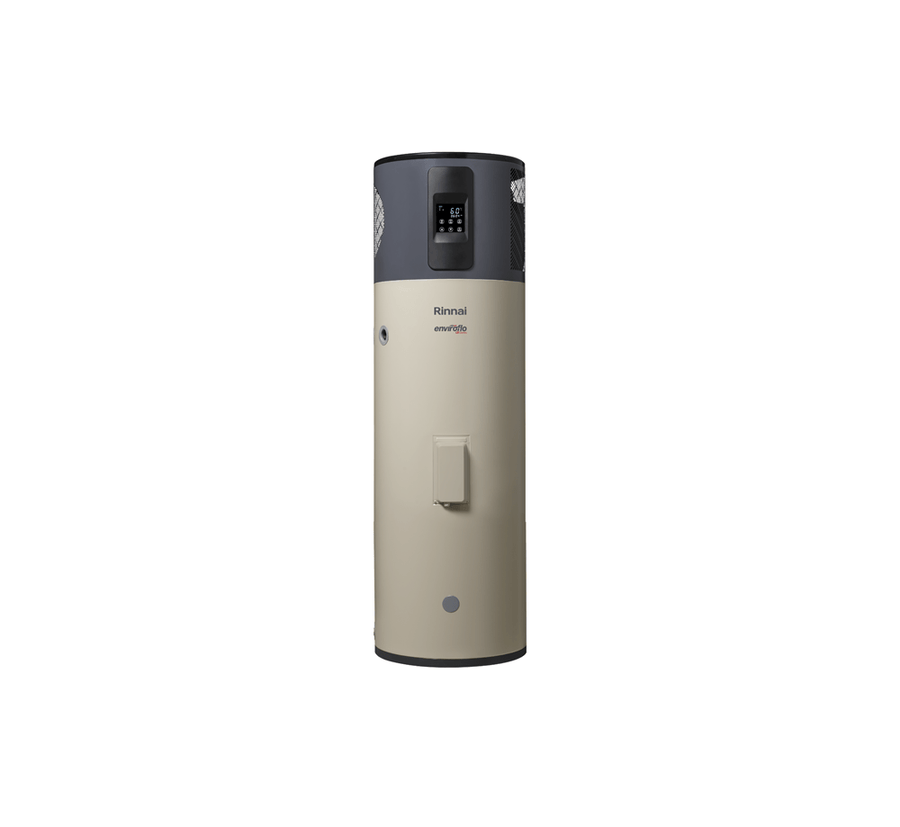
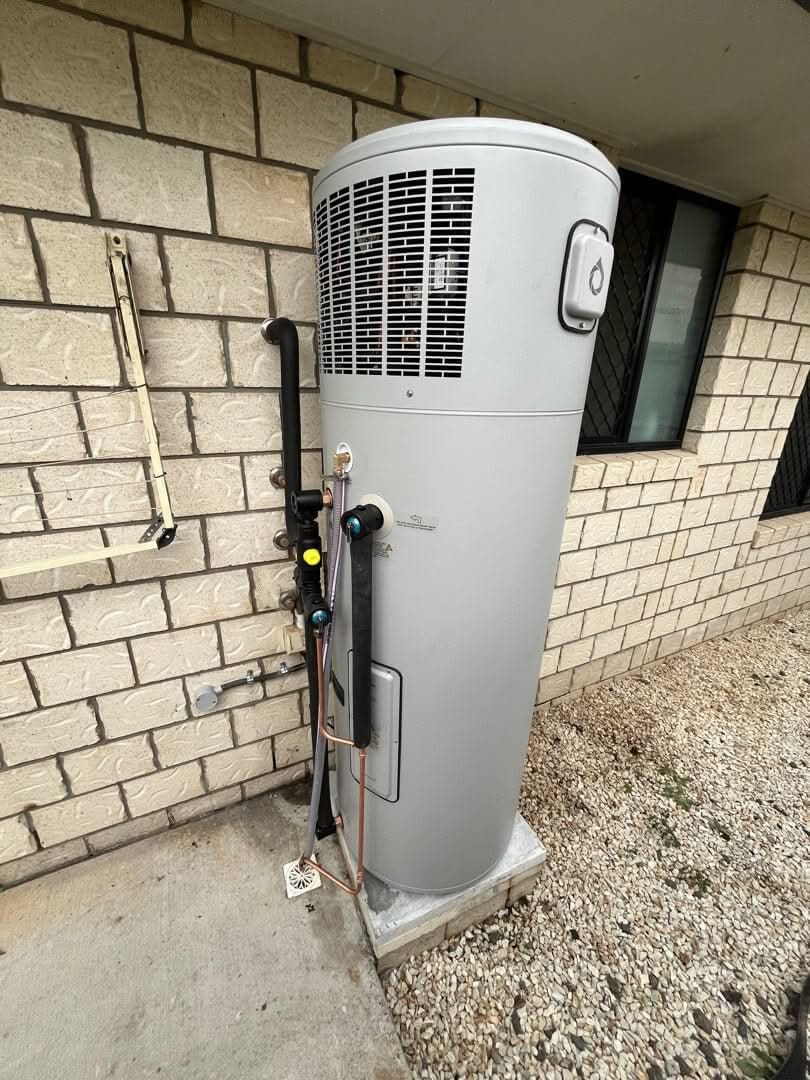
Heat pump options available through Installed Today include the iStore 270L Heat Pump Hot Water System, Rheem AmbiHeat 270L Heat Pump Hot Water System, Rinnai Enviroflo V2 250L Heat Pump Hot Water System, Rinnai Enviroflo GR-Series 280L Heat Pump Hot Water System, Rinnai Enviroflo GR-Series 300L Heat Pump Hot Water System and Enviroheat 250L Heat Pump Hot Water System.
Solar Hot Water vs Electric Storage
Electric storage is usually simpler than solar hot water, but it relies on electricity to heat the tank.
Electric Storage May Suit:
-
Simple like-for-like replacements
-
Homes without suitable roof conditions
-
Customers wanting a familiar storage tank
-
Properties where lower upfront complexity matters
-
Homes where heat pump or solar placement is not suitable
Customers comparing electric options can browse electric hot water systems, including 250L electric hot water systems, 315L electric hot water systems and 400L electric hot water systems.
Solar Hot Water May Suit:
-
Homes with suitable roof space
-
Customers wanting solar thermal water heating
-
Properties with minimal shading
-
Homes where booster setup is suitable
-
Customers planning for long-term efficiency
If the old electric storage system ran out of hot water, do not simply choose the same storage capacity. Household demand should be reviewed first.
Solar Hot Water vs Gas Hot Water
Gas hot water systems use natural gas or LPG to heat water. Solar hot water uses roof collectors with gas or electric boosting.
Gas Hot Water May Suit:
-
Homes with existing natural gas or LPG
-
Customers wanting gas storage or instant gas
-
Properties with suitable gas pipe sizing
-
Homes with suitable water pressure
-
Customers wanting a compact continuous flow option
Customers can compare gas hot water systems, instant gas hot water systems and 26L instant gas hot water systems.
Solar Hot Water May Suit:
-
Homes with suitable roof exposure
-
Customers wanting to use solar energy for water heating
-
Properties where collector and tank placement work
-
Homes with suitable electric or gas booster setup
For gas boosted solar systems, natural gas and LPG must be correctly matched. Gas work must be completed by a licensed gas fitter.
Is Solar Hot Water “Endless”?
Solar hot water should not be described as endless.
A solar hot water system stores hot water in a tank. If demand exceeds the stored hot water and recovery, the booster may need to operate or the system may struggle to keep up.
Hot water availability depends on:
-
Tank size
-
Solar collector size
-
Weather
-
Booster type
-
Number of occupants
-
Shower length
-
Bath use
-
Simultaneous use
-
Recovery time
-
System settings
A correctly sized system with a suitable booster can provide reliable hot water, but it is not unlimited.
How Much Can Solar Hot Water Save?
Solar hot water may reduce energy use for water heating where the system and home are suitable.
Savings depend on:
-
Household hot water use
-
System size
-
Collector performance
-
Roof orientation
-
Shading
-
Local climate
-
Booster type
-
Booster settings
-
Energy tariffs
-
Maintenance condition
-
Existing hot water system
-
Installation quality
Avoid relying on generic savings claims. A household with heavy evening use, shading or poor roof orientation may see different results from a home with ideal roof exposure and well-matched usage.
Solar Hot Water Rebates, STCs and Incentives
Solar hot water systems may be eligible for STCs, rebates or incentives depending on the product, installation location, installation details and current program rules.
These programs can change.
Before choosing a system based on incentives, check:
-
Current STC eligibility
-
Product eligibility
-
Installation location
-
Installer requirements
-
Whether incentives are already included in pricing
-
Current state or federal program rules
-
Documentation requirements
Do not choose solar hot water based only on a possible rebate. The system must still suit the roof, household and installation location.
How Much Does Solar Hot Water Cost?
Solar hot water cost can vary significantly.
The total cost may depend on:
-
System type
-
Tank size
-
Collector type
-
Roof-mounted or split design
-
Electric or gas booster
-
Roof access
-
Roof pitch
-
Roof material
-
Structural requirements
-
Crane or lifting access
-
Pipework changes
-
Electrical work
-
Gas work
-
Valve upgrades
-
Old unit removal
-
Disposal
-
Compliance requirements
-
STCs or incentives where eligible
For many homes, solar hot water is more complex than a like-for-like electric or gas storage replacement. A site-specific installer check is important before choosing a product.
Choosing the Right Solar Hot Water System Size
Sizing depends on household demand and property conditions.
Consider:
-
Number of people in the home
-
Number of bathrooms
-
Shower habits
-
Bath use
-
Kitchen and laundry use
-
Whether showers run at the same time
-
Local climate
-
Solar collector size
-
Tank size
-
Booster type
-
Roof sun exposure
-
Existing system performance
-
Whether the old system ran out
A larger tank may provide more stored hot water, but it also needs suitable space, roof or ground location and correct system design.
Roof Suitability Checklist
Before choosing solar hot water, check:
-
Does the roof receive strong sun?
-
Is the roof shaded by trees or buildings?
-
Is the roof orientation suitable?
-
Is the roof pitch suitable?
-
Is there enough roof space?
-
Is the roof structure suitable?
-
Is roof access safe?
-
Is there already solar PV on the roof?
-
Is the roof material suitable?
-
Is maintenance access practical?
-
Is there space for a tank if roof-mounted?
-
Is a split system more practical?
A licensed installer should confirm roof suitability before purchase.
Brisbane and Gold Coast Considerations
Solar hot water can suit some Brisbane and Gold Coast homes, but local property conditions still matter.
Common considerations include:
-
Strong sun exposure
-
Summer storm exposure
-
Roof pitch and orientation
-
Tree shading
-
Existing solar PV panels
-
Older roof structures
-
Coastal exposure on the Gold Coast
-
Access for roof work
-
Tank location
-
Booster type
-
Household hot water demand
-
Maintenance access
Where the roof is shaded, difficult to access or already full of solar PV, a heat pump may be a better option to compare.
Installation Requirements
Solar hot water installation can involve plumbing, roofing, electrical and sometimes gas work.
Licensed trades may be required for:
-
Plumbing connections
-
Collector installation
-
Tank installation
-
Electrical booster wiring
-
Gas booster connection
-
Roof penetrations and flashings
-
Valves
-
Temperature control devices
-
Drainage
-
Compliance documentation
Gas work must be completed by a licensed gas fitter. Electrical work must be completed by a licensed electrician where required. Plumbing work should be completed by a licensed plumber where required.
Do not attempt to install or modify a solar hot water system yourself where licensed work is required.
Maintenance Requirements
Solar hot water systems need periodic maintenance to keep operating properly.
Maintenance may include:
-
Checking valves
-
Checking booster operation
-
Inspecting collectors
-
Inspecting pipe insulation
-
Checking for leaks
-
Checking roof fittings
-
Checking pump operation in split systems
-
Checking sacrificial anodes where applicable
-
Cleaning or inspecting collectors where needed
-
Following manufacturer service guidance
Maintenance access should be considered before choosing the system.
Supply-Only vs Supplied-and-Installed
Installed Today offers supply-only ordering across major Australian metro areas for selected hot water products. This can suit customers who already have a licensed installer organised and want to order online.
Selected supplied-and-installed options are available on eligible products in Brisbane and Gold Coast service areas. Availability depends on the product, address and installation requirements.
For supply-only hot water products, the listed product price generally covers the product only.
It does not usually include:
-
Installation labour
-
Plumbing alterations
-
Electrical work
-
Gas work
-
Roof work
-
Collector installation
-
New valves
-
Pipework changes
-
Drainage changes
-
Tempering valve upgrades
-
Pressure limiting valve upgrades
-
Expansion control valves
-
Old unit removal
-
Disposal
-
Compliance upgrades
-
Concrete bases or slab work
-
Crane or lifting equipment
-
Roof repairs
-
Structural work
-
Flue kits unless listed
-
Rebate administration
-
Site assessment
For solar hot water, confirm roof suitability, tank location, booster type, access, plumbing, gas and electrical requirements with a licensed installer before ordering.
Common Solar Hot Water Mistakes
Assuming Every Roof Is Suitable
Roof orientation, shading, pitch, structure and access can all affect suitability.
Ignoring Booster Setup
Solar hot water still needs boosting for cloudy weather, cooler conditions or high-demand periods.
Expecting Endless Hot Water
Solar systems store water in a tank and can still run out if demand exceeds capacity and recovery.
Choosing Based Only on Rebates
STCs and rebates can change. Suitability should come first.
Forgetting Maintenance Access
Collectors, tanks, valves and boosters need access for servicing.
Comparing Solar Only to Product Price
Solar installation can involve roofing, plumbing, electrical and gas requirements. Total installed cost can vary.
Not Comparing Heat Pumps
If the roof is unsuitable, a heat pump may offer a more practical efficient option for many homes.
Before Ordering Checklist
Before choosing solar hot water, check:
-
How many people live in the home?
-
How many bathrooms are used daily?
-
Are showers used at the same time?
-
Is there a bath?
-
Did the old system run out of hot water?
-
Is the roof orientation suitable?
-
Is the roof shaded?
-
Is the roof pitch suitable?
-
Is the roof structure suitable?
-
Is roof access safe?
-
Is there enough roof space?
-
Is a roof-mounted or split system better?
-
Is an electric or gas booster needed?
-
Is natural gas or LPG available if using gas boost?
-
Is electrical supply suitable?
-
Is maintenance access practical?
-
Are STCs or rebates currently available?
-
Would a heat pump be more suitable?
-
Is the product supply-only or supplied-and-installed?
-
Has a licensed installer confirmed suitability?
Frequently Asked Questions
What is a solar hot water system?
A solar hot water system uses roof-mounted collectors to absorb heat from the sun and transfer it into stored hot water. Most systems also use an electric or gas booster when solar input is not enough.
Is solar hot water worth it?
Solar hot water can be worth considering where the roof has good sun exposure, minimal shading, suitable orientation and safe access. It may not suit shaded roofs, difficult access or properties where roof space is already limited.
Does solar hot water work on cloudy days?
Solar input is lower on cloudy days, so most systems rely on an electric or gas booster when needed.
Can solar hot water run out?
Yes. Solar hot water systems store water in a tank, and that stored hot water can run out if demand is higher than the system capacity and recovery.
Is solar hot water better than a heat pump?
Not always. Solar hot water may suit homes with suitable roof conditions. Heat pumps may suit homes with outdoor space, clear airflow and drainage, especially where the roof is shaded or unsuitable.
Do solar hot water systems get rebates?
Some systems may be eligible for STCs, rebates or incentives depending on current rules, product type, location and installation details. Eligibility can change and should be checked before purchase.
Does solar hot water need electricity?
Many systems use electricity for boosting, pumps or controls depending on the system type. Some systems may use gas boosting instead. Electrical and gas requirements should be confirmed before ordering.
Does supply-only pricing include installation?
No. Supply-only pricing generally covers the product only. It does not usually include plumbing work, electrical work, gas work, roof work, collector installation, valves, old unit removal, disposal or compliance upgrades unless clearly listed.
What is the best alternative to solar hot water?
For many homes with unsuitable roofs, a heat pump hot water system may be the best alternative to compare. Electric, gas and instant gas systems may also suit depending on the property.
Final Word
Solar hot water can be a smart option for homes with the right roof, suitable sun exposure and a correctly matched booster setup. It can reduce reliance on electricity or gas for water heating, but it is not automatically the best system for every property.
Before choosing solar, check roof orientation, shading, access, tank location, booster type, household demand and installation cost. If the roof is unsuitable, compare heat pump hot water systems as a practical efficient alternative.
Installed Today makes it easy to compare hot water systems, electric hot water systems, gas hot water systems, instant gas hot water systems and heat pump hot water systems online.
For supply-only orders, confirm product suitability, roof conditions and installation requirements with a licensed installer before purchasing.