
Instantaneous Hot Water Systems: Gas vs Electric Instant Hot Water Guide
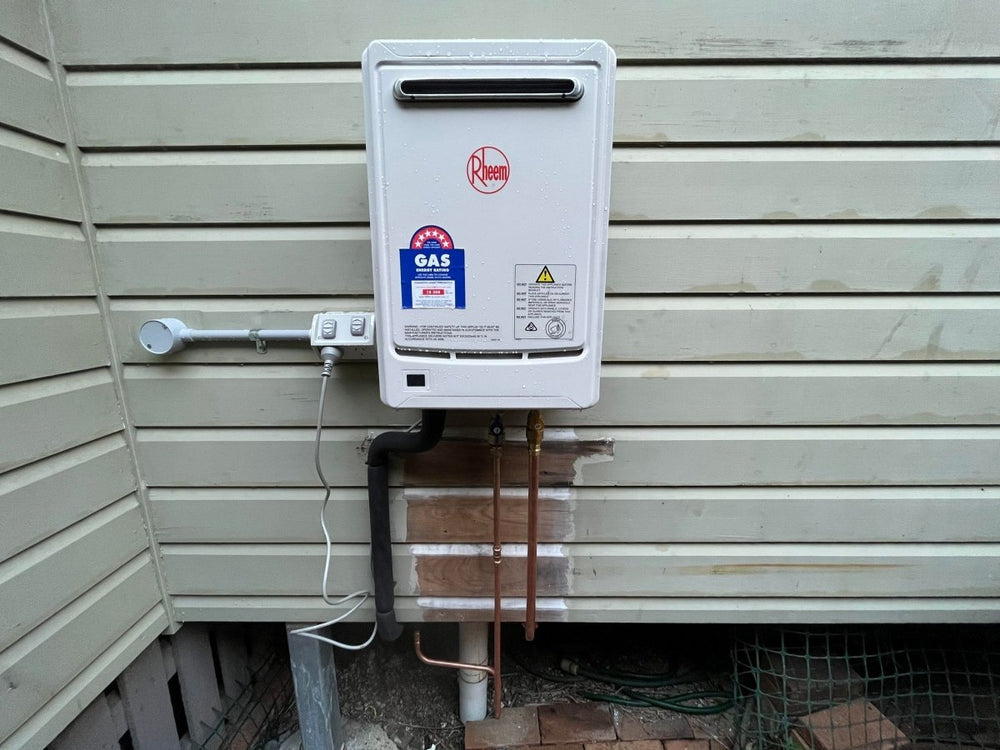
An instantaneous hot water system heats water only when you turn on a hot tap. Instead of storing hot water in a tank, it heats water as it flows through the unit. This can save space, reduce standby heat loss and provide continuous flow hot water when the system is correctly sized for the home.
The best option depends on your household size, number of bathrooms, water pressure, available energy source, gas type, electrical capacity and installation location. For most whole-home applications, instant gas hot water systems are the more common choice. Instant electric hot water systems can be useful for small point-of-use applications, but they are not always suitable for whole-home shower demand.
Installed Today makes it easy to compare and order hot water systems online, with supply-only ordering available across major Australian metro areas and selected supplied-and-installed options available on eligible products in Brisbane and Gold Coast service areas.
Quick Answer: Is an Instantaneous Hot Water System Worth It?
An instantaneous hot water system can be worth it if you want continuous flow hot water, a compact wall-mounted unit and no large storage tank. It can suit homes with suitable gas supply, water pressure and outdoor installation space.
As a general guide:
-
Instant gas hot water can suit whole-home hot water where natural gas or LPG supply is suitable
-
26L instant gas systems are commonly compared for larger households and multiple-bathroom homes
-
20L instant gas systems may suit smaller-to-medium households
-
16L instant gas systems may suit lower-demand homes or smaller applications
-
Instant electric systems are usually better suited to small point-of-use hot water needs
-
Gas pipe sizing, water pressure and gas type must be checked before ordering
-
Natural gas and LPG models are not interchangeable
Before ordering supply only, confirm the correct model, flow rate, gas type, water pressure, gas pipe sizing, electrical requirements, access and installation location with your licensed installer.
What Is an Instantaneous Hot Water System?
An instantaneous hot water system, also called a continuous flow hot water system or tankless hot water system, heats water as it is needed.
When you turn on a hot tap, cold water flows through the unit. The system detects the flow and heats the water as it passes through. When you turn the tap off, the unit stops heating.
This is different from a storage hot water system, which heats and stores a full tank of water ready for use.
Instantaneous systems can be powered by gas or electricity. For whole-home hot water, gas continuous flow systems are more common because they can deliver higher flow rates where the gas supply and water pressure are suitable.
How Instant Gas Hot Water Works
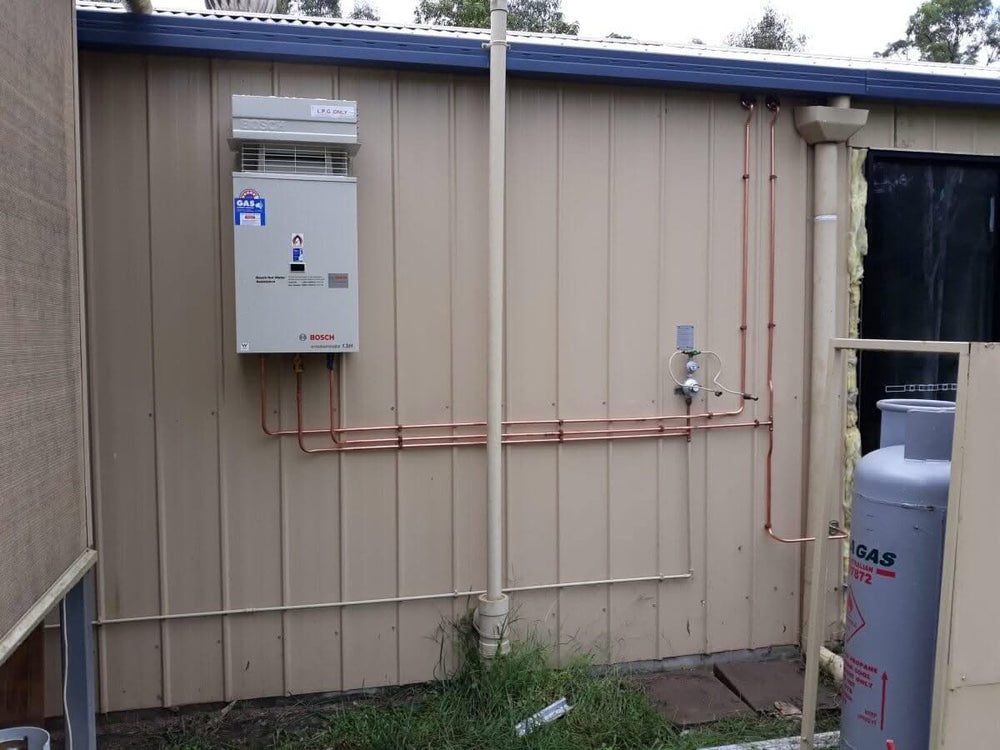
An instant gas hot water system uses a gas burner to heat water as it flows through the unit.
The basic process is:
-
A hot tap is turned on
-
Water flow is detected by the unit
-
The gas burner ignites
-
Water passes through a heat exchanger
-
Hot water flows to the tap
-
The burner turns off when hot water demand stops
Because the system only heats water while it is being used, it does not need to keep a large tank hot all day.
Installed Today stocks a range of instant gas hot water systems, including natural gas and LPG options from major brands.
How Instant Electric Hot Water Works
An instant electric hot water system uses electric heating elements to heat water as it flows through the unit.
These systems can be useful for:
-
Small sinks
-
Compact kitchens
-
Offices
-
Granny flats
-
Low-demand fixtures
-
Point-of-use hot water
-
Space-limited applications
However, instant electric systems can require significant electrical capacity. They are not always suitable for whole-home hot water or multiple showers. A licensed electrician or installer should confirm whether the property can support the electrical load before ordering.
Instant Gas vs Instant Electric Hot Water
| Option | Best Suited To | Key Considerations |
|---|---|---|
| Instant gas hot water | Whole-home hot water, family homes, outdoor continuous flow systems | Requires suitable natural gas or LPG, gas pipe sizing, water pressure and licensed gas fitting |
| Instant electric hot water | Small point-of-use applications, sinks, compact spaces | Electrical demand can be high and may not suit whole-home use |
| Gas storage hot water | Homes wanting stored gas hot water | Requires correct gas type and outdoor/location suitability |
| Electric storage hot water | Simple storage replacement, homes without gas | Larger tank required for family use and running costs depend on tariff |
| Heat pump hot water | Efficiency-focused homes with suitable outdoor space | Needs airflow, drainage, access and noise planning |
For most homes wanting continuous flow hot water for showers and bathrooms, instant gas is usually the main category to compare.
Natural Gas vs LPG Instant Hot Water
This is one of the most important parts of choosing an instantaneous gas hot water system.
Natural gas and LPG units are not interchangeable. You must choose the correct model for the gas supply at the property.
-
Natural gas is supplied through a gas network connection
-
LPG is supplied from gas bottles or cylinders
-
A natural gas unit must not be connected to LPG unless the manufacturer allows a correct licensed conversion
-
An LPG unit must not be connected to natural gas unless approved and correctly converted
-
Gas work must be completed by a licensed gas fitter
Installed Today stocks separate natural gas and LPG models, including products such as the Rinnai Infinity B26 Natural Gas Hot Water System, Rinnai Infinity B26 LPG Gas Hot Water System, Rheem 26L Natural Gas Hot Water System and Rheem 26L LPG Gas Hot Water System.
What Size Instant Gas Hot Water System Do You Need?
Instant gas systems are commonly compared by litres per minute. Common sizes include 16L, 20L and 26L.
The right size depends on:
-
Number of people in the home
-
Number of bathrooms
-
Number of showers
-
Whether multiple showers run at once
-
Shower flow rates
-
Kitchen and laundry hot water demand
-
Incoming water temperature
-
Gas pipe sizing
-
Water pressure
-
Distance from the unit to fixtures
-
Natural gas or LPG availability
Bigger is not always better. A larger unit may not perform properly if the gas supply or water pressure cannot support it.
16L Instant Gas Hot Water Systems
A 16L instant gas system may suit smaller homes, lower-demand households or properties with fewer hot water fixtures.
It may be considered for:
-
Smaller homes
-
Units or townhouses
-
One-bathroom homes
-
Lower shower demand
-
Replacing a smaller existing continuous flow unit
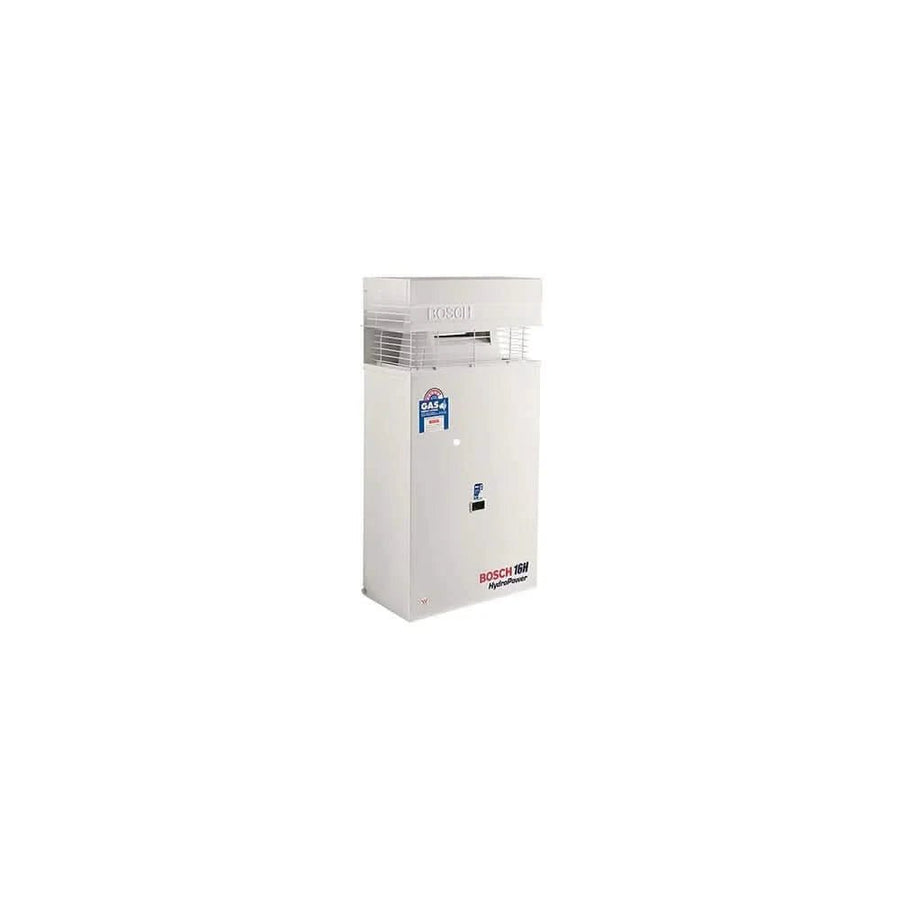
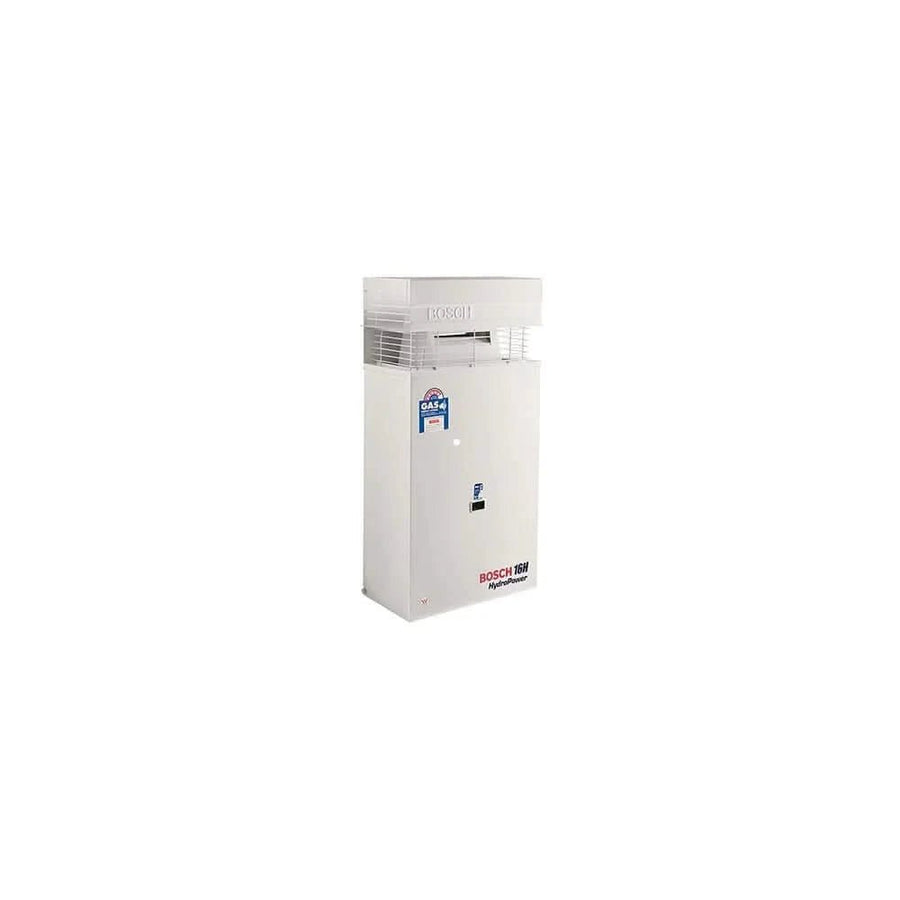
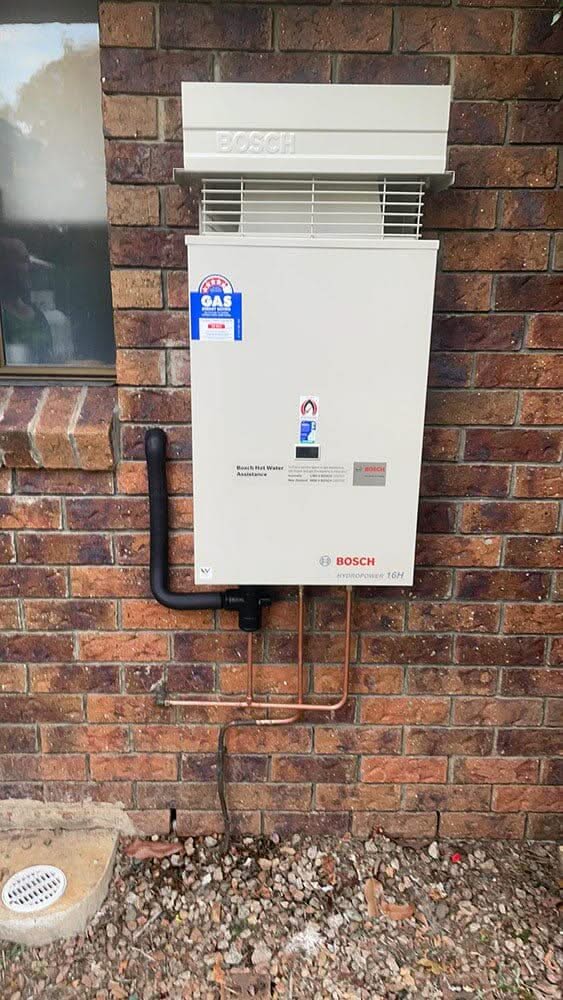
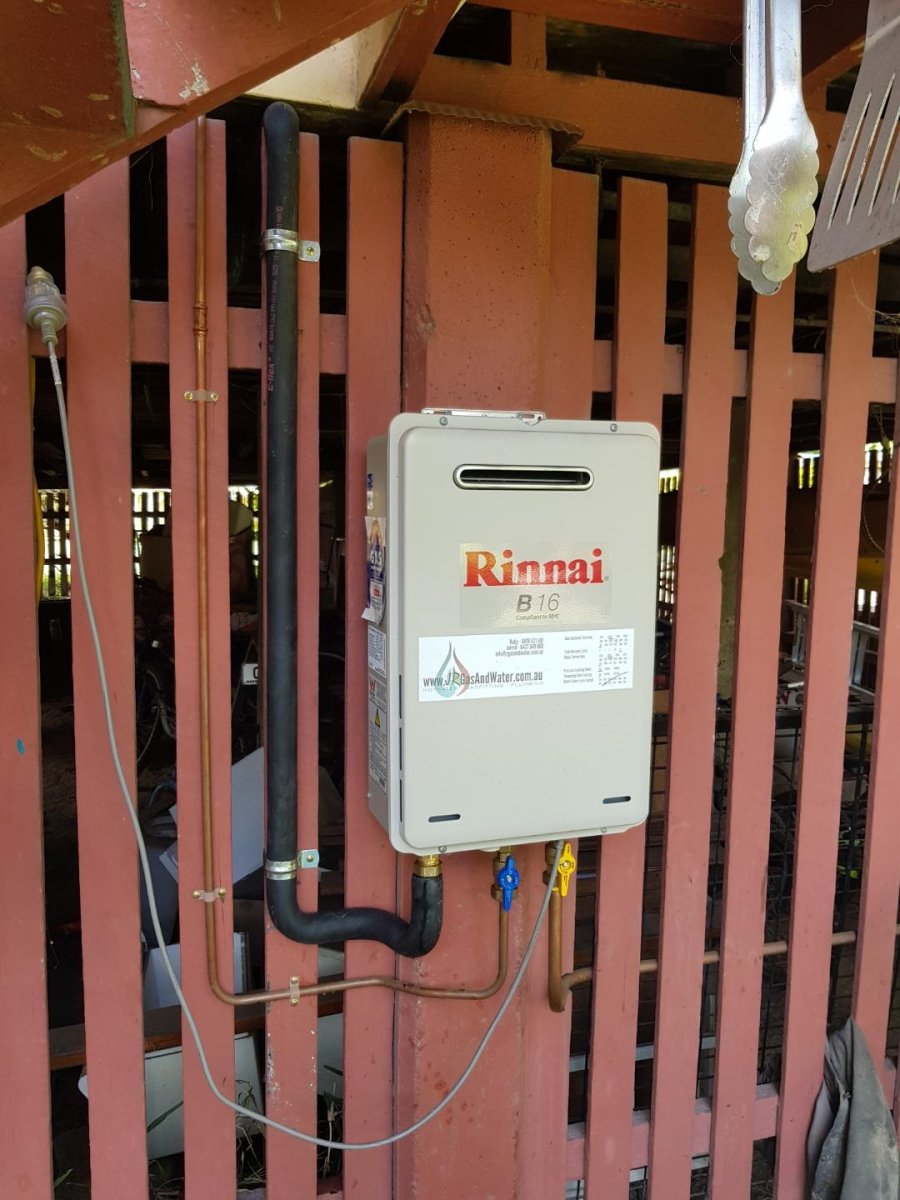
Product options include the Rinnai Infinity B16 Natural Gas Hot Water System, Rinnai Infinity B16 LPG Gas Hot Water System, Rheem 16L Natural Gas Hot Water System, Bosch 16H Natural Gas Hot Water System and Bosch 16H LPG Gas Hot Water System.
20L Instant Gas Hot Water Systems
A 20L instant gas system may suit small-to-medium households with moderate hot water demand.
It may be considered for:
-
Two-to-three-person households
-
Homes with moderate shower use
-
One-to-two bathroom homes depending on fixtures
-
Replacing an existing 20L continuous flow unit
-
Properties where a 26L unit is not required or not supported by site conditions
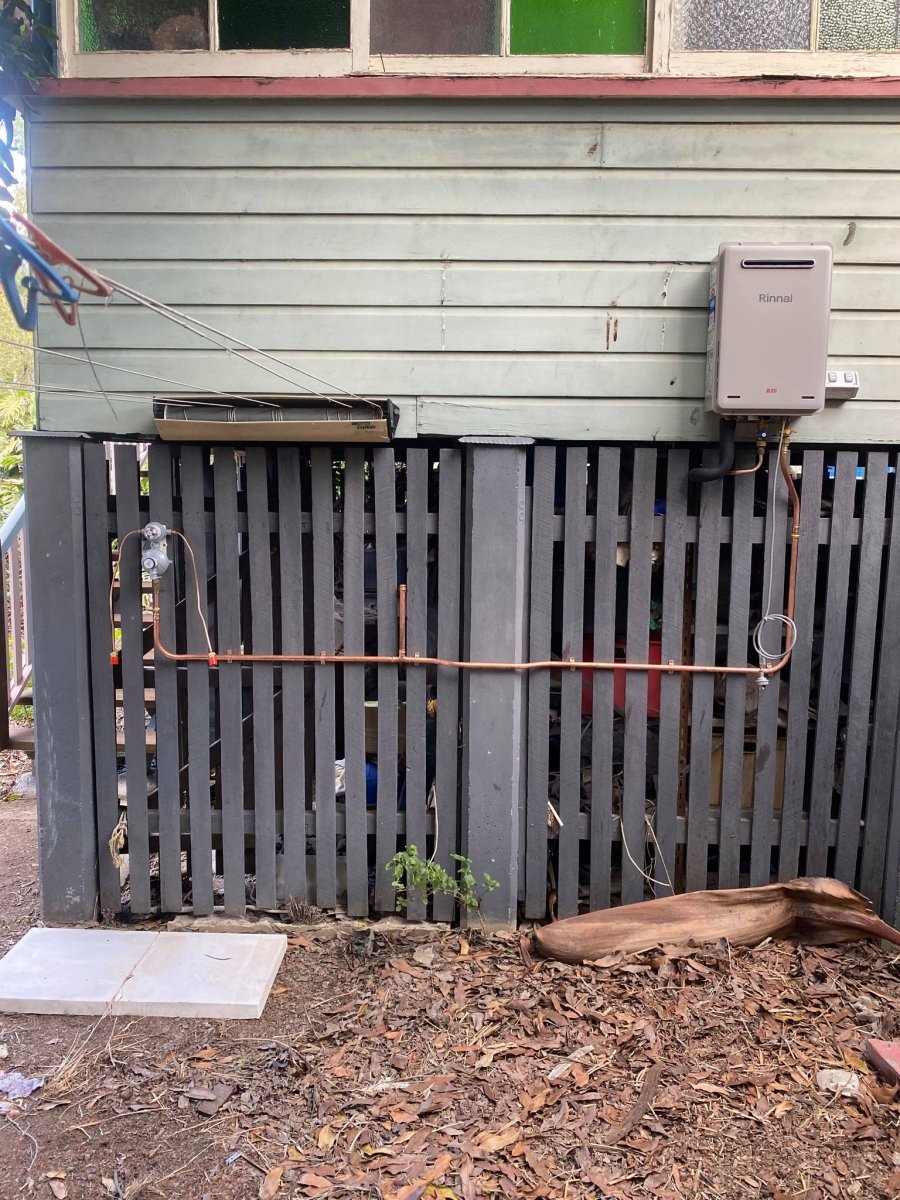
Product options include the Rheem 20L Natural Gas Hot Water System, Rheem 20L LPG Gas Hot Water System and Rinnai Infinity B20 LPG Gas Hot Water System.
26L Instant Gas Hot Water Systems
A 26L instant gas hot water system is commonly compared for larger households or homes with higher hot water demand.
It may suit:
-
Family homes
-
Two-bathroom homes
-
Higher shower demand
-
Larger households
-
Homes replacing an older continuous flow unit
-
Properties where water pressure and gas supply support the unit
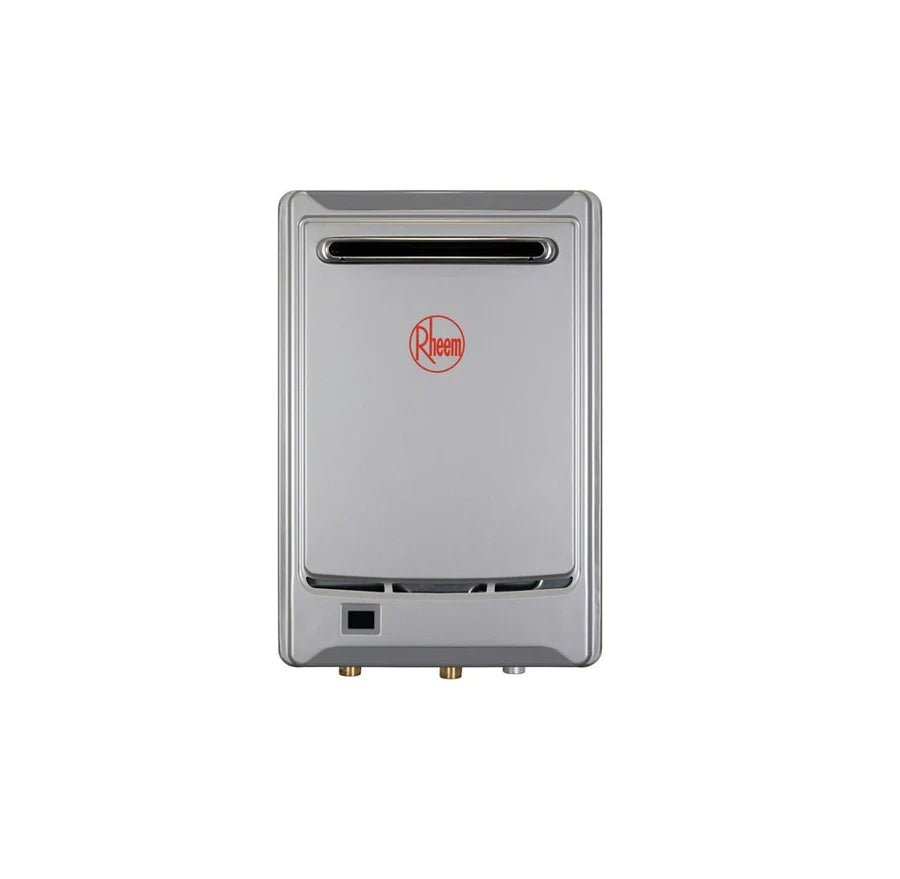
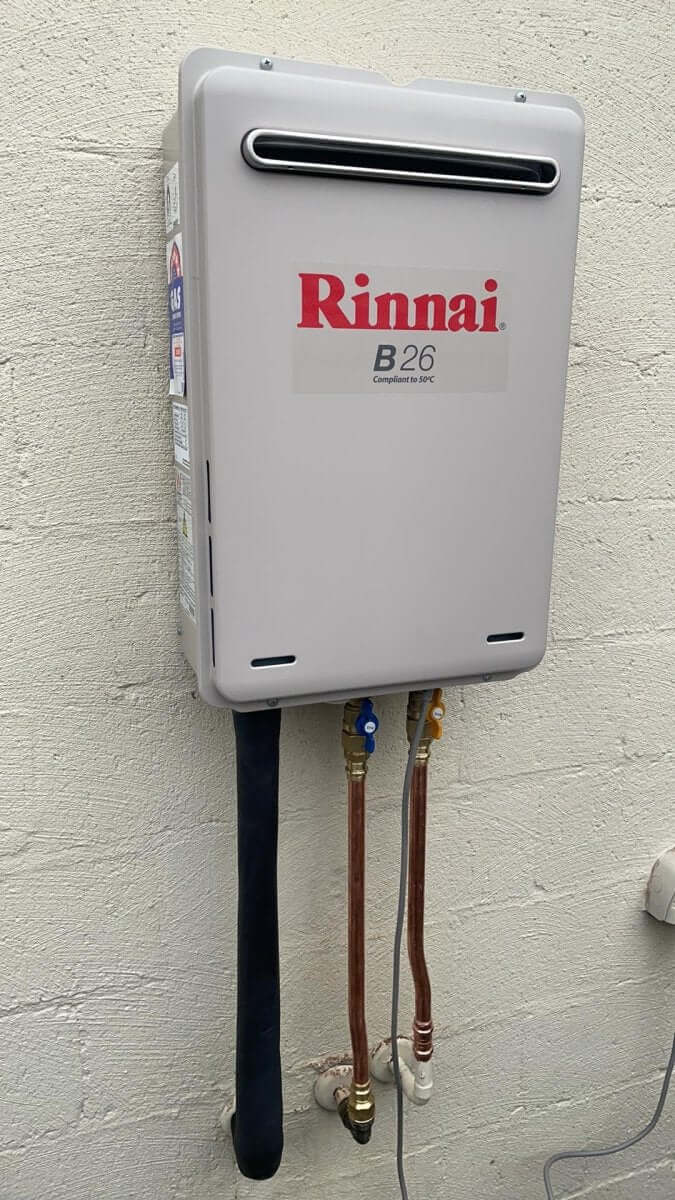
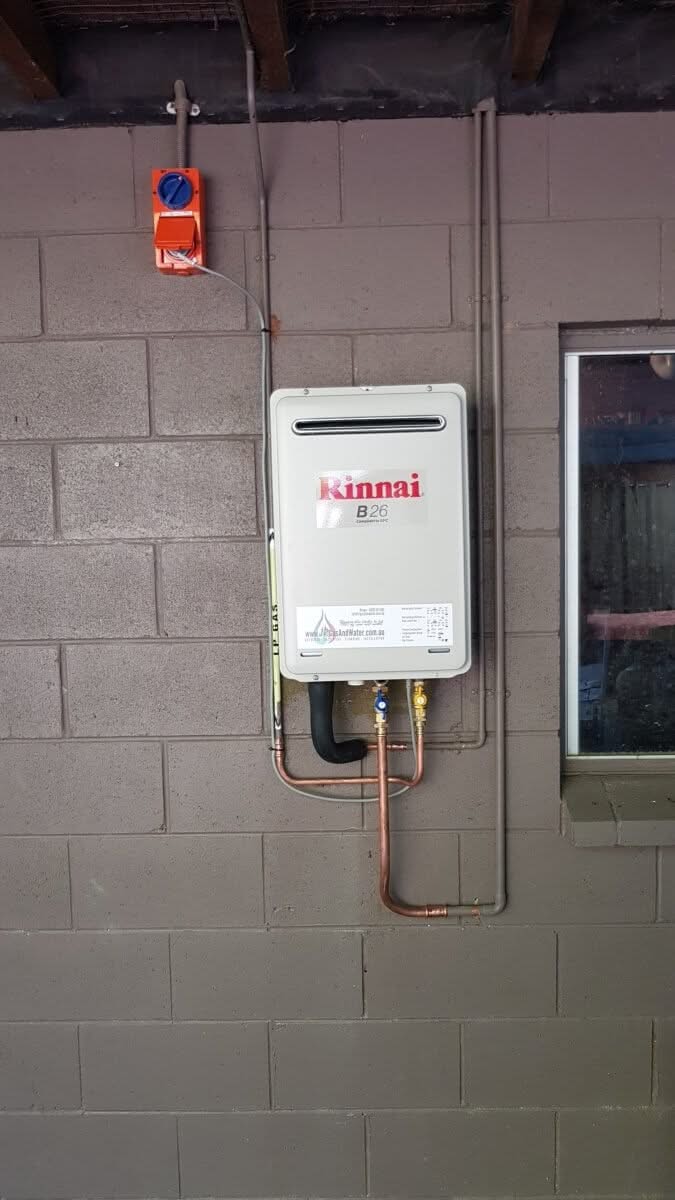
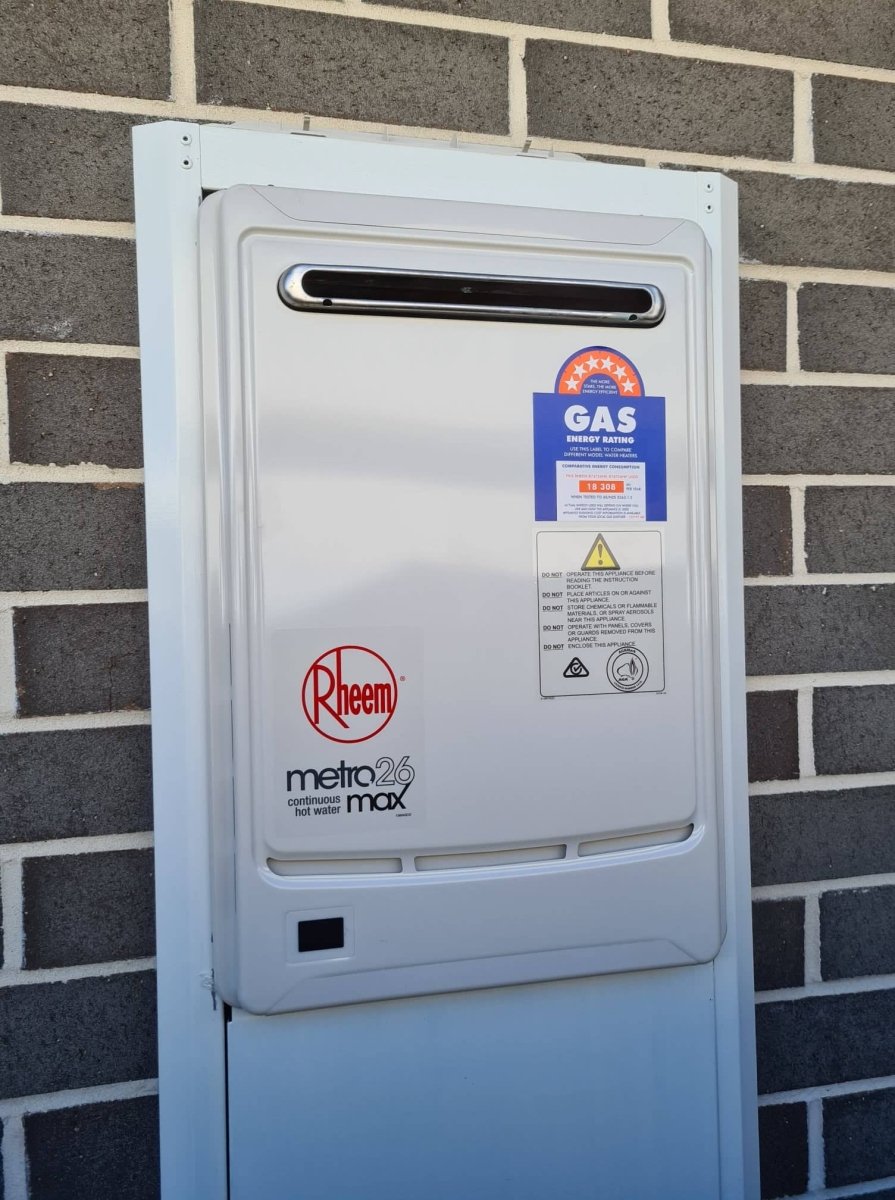
Popular 26L options include the Rinnai Infinity B26 Natural Gas Hot Water System, Rinnai Infinity B26 LPG Gas Hot Water System, Rheem 26L Natural Gas Hot Water System and Rheem 26L LPG Gas Hot Water System.
Before choosing a 26L system, confirm gas pipe sizing and water pressure. A 26L unit will not deliver its expected performance if the property cannot support the required flow and gas input.
Instantaneous Hot Water vs Storage Hot Water
Instantaneous hot water and storage hot water solve the same problem in different ways.
| System Type | How It Works | Best For |
|---|---|---|
| Instant gas | Heats water as it flows through the unit | Continuous flow hot water, compact outdoor installations |
| Gas storage | Heats and stores water in a tank | Homes wanting stored gas hot water |
| Electric storage | Heats and stores water using an electric element | Simple replacements and homes without gas |
| Heat pump | Uses air heat to help heat stored water | Efficiency-focused homes with suitable outdoor location |
If you already have an electric storage system, you may compare electric hot water systems, 250L electric hot water systems, 315L electric hot water systems or 400L electric hot water systems.
If you want a more efficient electric-style upgrade, compare heat pump hot water systems.
Instant Gas vs Gas Storage Hot Water
Gas hot water systems include both gas storage and instant gas options.
Gas storage systems heat water and keep it stored in a tank. Instant gas systems heat water only when a hot tap is running.
Instant gas may suit homes that:
-
Want continuous flow hot water
-
Want to avoid a large storage tank
-
Have suitable gas supply and water pressure
-
Have a suitable outdoor wall location
-
Want a compact replacement option
Gas storage may suit homes that:
-
Prefer stored hot water
-
Already have a gas storage setup
-
Want a familiar replacement type
-
Have a suitable outdoor location for a tank
-
Have usage patterns that suit storage hot water
Common gas storage categories include 130/135L gas hot water systems, 160/170L gas hot water systems and 5-star gas hot water systems.
Benefits of Instantaneous Hot Water Systems
Continuous Flow Hot Water
The main benefit of an instantaneous system is that it heats water as needed. When correctly sized and supported by the property, it can provide continuous hot water without waiting for a storage tank to reheat.
Compact Wall-Mounted Design
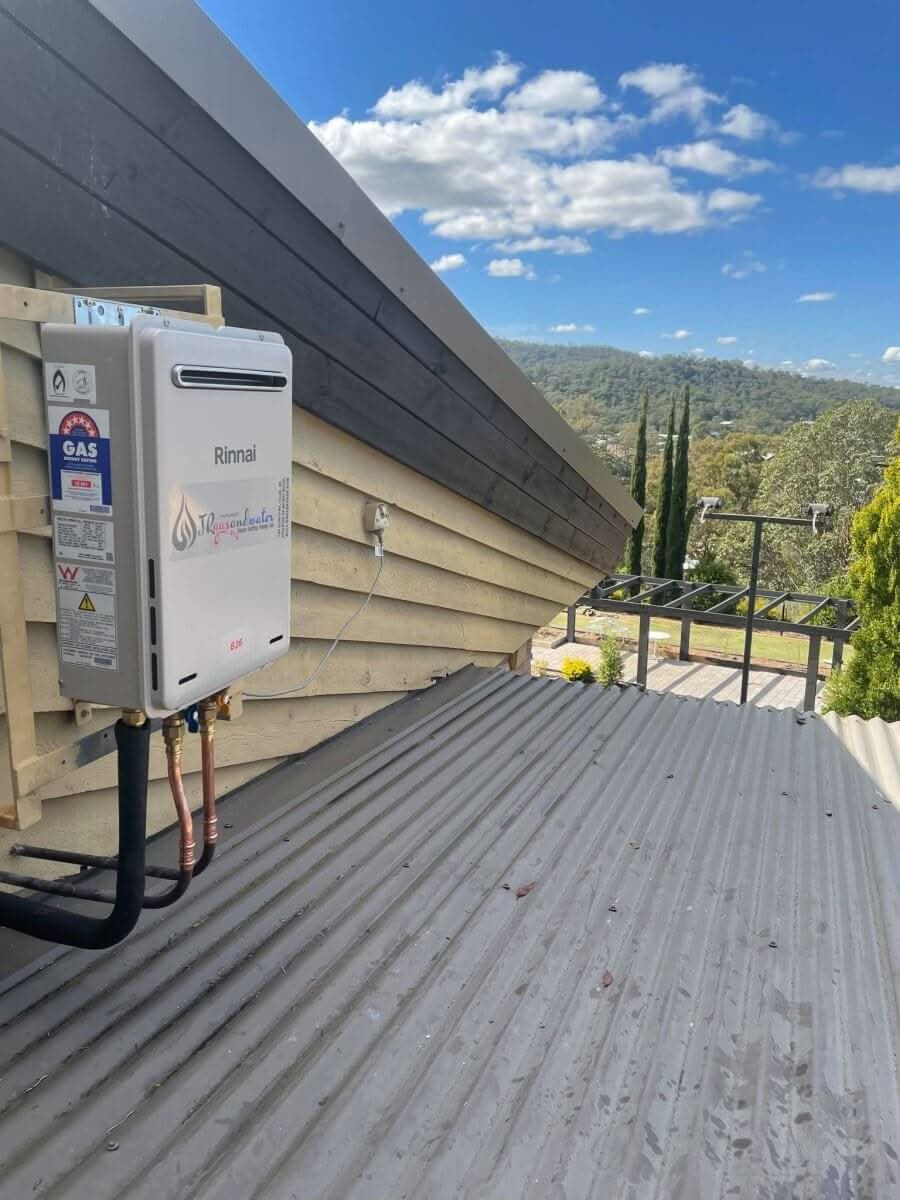
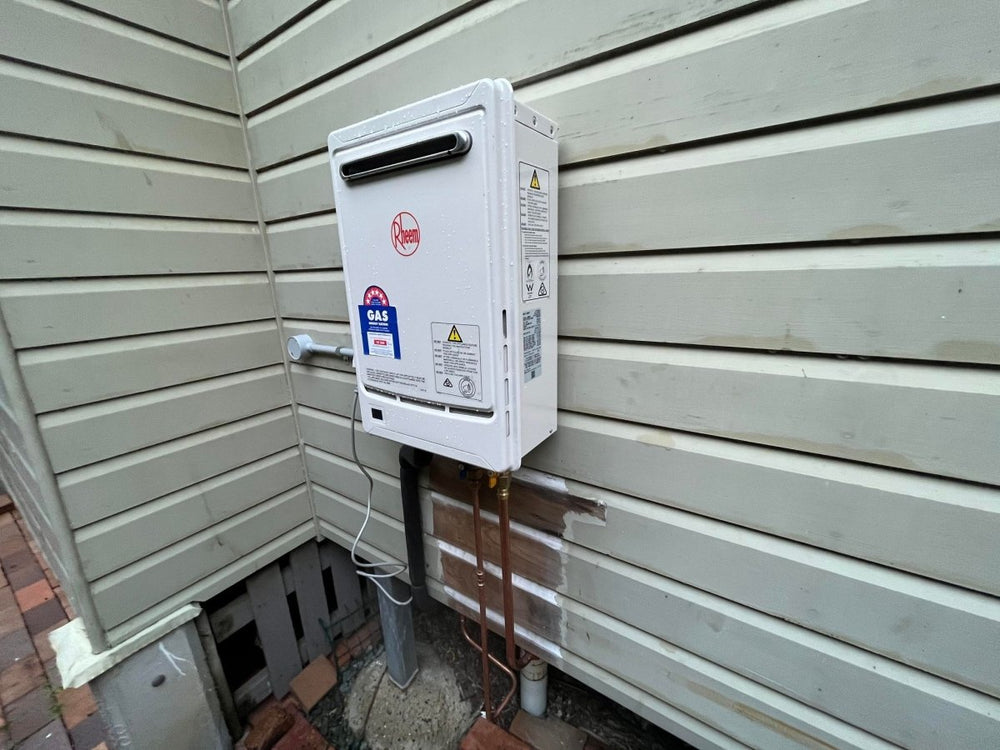
Instant gas systems are usually compact and wall-mounted. This can free up space compared with a large storage tank.
No Stored Tank of Hot Water
Because there is no large tank constantly holding hot water, instantaneous systems avoid some standby heat loss associated with storage tanks.
Suitable for Outdoor Installations
Many gas instantaneous systems are designed for external outdoor installation. External gas units must not be installed indoors unless the specific manufacturer model is approved for internal flued use.
Good for Gas Homes
If the property already has suitable natural gas or LPG, instant gas can be a practical replacement option.
Limitations of Instantaneous Hot Water Systems
Instantaneous hot water is not perfect for every home.
Potential limitations include:
-
Gas pipe sizing may need checking
-
Water pressure must support the unit
-
Flow rate must match household demand
-
Natural gas and LPG models must be selected correctly
-
Temperature controllers may be an optional extra depending on model
-
Some homes may need electrical power for ignition or controls
-
Long pipe runs can still cause a delay at distant taps
-
Instant electric may not suit whole-home demand
-
Installation conditions can affect the final cost
A licensed installer should confirm these requirements before ordering.
Installation Requirements for Instant Gas Hot Water
Before buying an instant gas hot water system, your installer should check:
-
Natural gas or LPG supply
-
Correct gas type
-
Gas pipe sizing
-
Water pressure
-
Water flow rate
-
Outdoor installation location
-
Clearances around the unit
-
Ventilation and flue requirements where applicable
-
Pipework route
-
Electrical requirements for ignition or controls
-
Access for installation and future servicing
-
Drainage and overflow requirements
-
Existing valves and compliance requirements
Gas work must be completed by a licensed gas fitter.
Installation Requirements for Instant Electric Hot Water
Before buying an instant electric hot water system, your installer or electrician should check:
-
Electrical supply capacity
-
Circuit requirements
-
Switchboard capacity
-
Cable sizing
-
Water pressure
-
Flow rate
-
Intended application
-
Distance to fixture
-
Compliance requirements
-
Whether the unit suits whole-home or point-of-use demand
Instant electric systems can be useful, but they should not be treated as a simple replacement for whole-home hot water without checking electrical requirements.
Brisbane and Gold Coast Considerations
For Brisbane and Gold Coast homes, instant gas hot water can be a practical option where the property has suitable natural gas or LPG, outdoor wall space and water pressure.
Common local considerations include:
-
Natural gas vs LPG availability
-
Older gas pipework
-
Gas pipe sizing for 26L systems
-
Water pressure
-
Outdoor unit location
-
Side access
-
Distance to bathrooms
-
Existing valve condition
-
Whether the old unit was gas storage or continuous flow
-
Whether a heat pump or electric storage system may be a better fit
Installed Today offers supply-only ordering across major Australian metro areas, with selected supplied-and-installed options available on eligible products in Brisbane and Gold Coast service areas.
Supply-Only vs Supplied-and-Installed
Installed Today offers supply-only ordering across major Australian metro areas. This can suit customers who already have a licensed installer organised and want to order the product online.
Supply-only may suit you if:
-
Your installer has confirmed the correct model
-
The correct gas type has been selected
-
Gas pipe sizing has been checked
-
Water pressure has been checked
-
Electrical requirements are understood
-
Access and installation location are suitable
-
You understand what is not included in the product price
Selected supplied-and-installed options are available on eligible products in Brisbane and Gold Coast service areas. Availability depends on the product, location and installation requirements.
For supply-only products, the listed product price generally does not include installation, valves, electrical work, gas work, pipework changes, drainage, old unit removal, disposal or compliance upgrades unless selected or clearly shown.
Running Costs and Efficiency
Instantaneous hot water systems can reduce wasted heat because they do not keep a large tank hot all day. Running costs still depend on the energy source, household usage, gas tariffs, electricity tariffs, system size and installation quality.
Gas instant systems can be efficient where the home has suitable natural gas or LPG and the system is correctly sized. Instant electric may be efficient for small point-of-use demand, but whole-home electric instantaneous systems may have high electrical requirements.
If lower running cost is the main goal and the home has suitable outdoor space, also compare heat pump hot water systems, including medium heat pump hot water systems 200L–280L.
Brand Options to Compare
Installed Today stocks a range of major hot water brands, including:
For instant gas, Rinnai, Rheem and Bosch are commonly compared across different sizes and gas types. Brand matters, but the correct size, gas type, water pressure and installation suitability matter more.
Common Mistakes When Buying Instantaneous Hot Water
Choosing a 26L Unit Without Checking Gas Pipe Sizing
A 26L system can suit some family homes, but it needs enough gas supply. If gas pipe sizing is not suitable, performance may suffer.
Ordering the Wrong Gas Type
Natural gas and LPG systems are different. Do not assume they are interchangeable.
Assuming Instant Electric Can Run the Whole Home
Instant electric systems can require significant electrical capacity. They are often better suited to point-of-use applications.
Ignoring Water Pressure
Instant systems need suitable water pressure and flow to perform properly.
Expecting Instant Hot Water at Every Tap Immediately
Instantaneous means the unit heats water on demand. It does not remove the delay caused by long pipe runs between the unit and the tap.
Installing an External Gas Unit Indoors
External gas units are outdoor units unless the specific model is designed and approved for internal flued installation.
Assuming Supply-Only Includes Installation
Supply-only generally means product only unless installation is selected or clearly shown.
Before Ordering Checklist
Before ordering an instantaneous hot water system, confirm:
-
Whether you need gas or electric
-
Whether the property has natural gas or LPG
-
Correct gas type
-
Required flow rate
-
Number of bathrooms
-
Number of people in the home
-
Peak shower demand
-
Gas pipe sizing
-
Water pressure
-
Electrical requirements
-
Outdoor installation location
-
Clearances and access
-
Whether temperature controllers are required
-
Whether new valves may be needed
-
Whether drainage or pipework changes are needed
-
Whether a storage or heat pump system may suit better
-
Installer confirmation before buying supply only
Frequently Asked Questions
What is an instantaneous hot water system?
An instantaneous hot water system heats water as it flows through the unit. It does not store a full tank of hot water. It is also called a tankless or continuous flow hot water system.
Is instant gas hot water better than electric storage?
It depends on the home. Instant gas can suit properties with suitable natural gas or LPG, water pressure and outdoor installation space. Electric storage can suit homes without gas or those wanting a simple storage replacement.
Is instant electric hot water good for a whole house?
Instant electric hot water is often better suited to small point-of-use applications. Whole-home use can require significant electrical capacity, so a licensed electrician should confirm suitability before ordering.
What size instant gas hot water system do I need?
The right size depends on household size, bathrooms, shower habits, gas supply and water pressure. Common sizes include 16L, 20L and 26L.
Is a 26L instant gas hot water system good for a family?
A 26L instant gas system can suit some family homes, but only where gas pipe sizing and water pressure support the unit. A licensed gas fitter should confirm suitability.
Can I use LPG with a natural gas hot water system?
No. Natural gas and LPG units are not interchangeable unless the manufacturer allows an approved conversion by a licensed gas fitter. Always order the correct gas type.
Can an external instant gas unit be installed indoors?
No. External gas units are designed for outdoor installation unless the specific model is approved for internal flued installation.
Does instantaneous hot water mean no waiting?
It means the system heats water on demand. There may still be a short delay while hot water travels through the pipework to the tap.
Can I install an instantaneous hot water system myself?
No. Hot water systems involve plumbing, gas, electrical work, water pressure, valves and compliance requirements. Use licensed trades.
What is not included in supply-only pricing?
Supply-only pricing generally excludes installation, valves, electrical work, gas work, pipework changes, drainage, old unit removal, disposal and compliance upgrades unless selected or clearly shown.
Final Word
An instantaneous hot water system can be a smart choice for homes that want continuous flow hot water, a compact wall-mounted unit and no large storage tank. For whole-home use, instant gas is usually the main category to compare, especially in 16L, 20L and 26L sizes.
The right system depends on more than litres per minute. Gas type, gas pipe sizing, water pressure, household demand, installation location and electrical requirements all matter.
Before ordering supply only, get your licensed installer to confirm the correct model, gas type, flow rate and site requirements. That way, your instantaneous hot water system is matched properly to the home rather than chosen on product size alone.