
Instant Electric Hot Water System: Is It Right for Your Home?
An instant electric hot water system heats water as it flows through the unit, instead of storing hot water in a tank. This can make instant electric hot water useful for small point-of-use applications, compact spaces, offices, granny flats, kitchenettes and selected low-demand fixtures.
For whole-home hot water, instant electric is not always the best choice. It can have high electrical demand, may require significant electrical upgrades and may not suit multiple showers or high-flow fixtures. Before buying one, it is important to compare instant electric with electric storage, gas hot water, instant gas and heat pump hot water.
Installed Today makes it easy to compare instant electric hot water systems, electric hot water systems, gas hot water systems, instant gas hot water systems, heat pump hot water systems and broader hot water systems online. Supply-only ordering is available across major Australian metro areas, with selected supplied-and-installed options available on eligible products in Brisbane and Gold Coast service areas.
Quick Answer: Are Instant Electric Hot Water Systems Worth It?
An instant electric hot water system may be worth it for small, targeted hot water use where the electrical supply, flow rate and fixture demand suit the unit.
As a general guide:
-
Instant electric hot water is best suited to point-of-use applications
-
It can be useful for small sinks, kitchenettes, offices, workshops and low-demand fixtures
-
It does not need a large storage tank
-
Whole-home instant electric can require substantial electrical capacity
-
It may not suit multiple showers or high-flow household use
-
Electrical requirements must be checked before ordering
-
A licensed electrician may be required
-
Supply-only pricing generally covers the product only
-
Electric storage, heat pump, gas storage or instant gas may be better for full-home hot water
Before ordering supply only, confirm the selected model, power requirements, flow rate, water pressure, installation location and electrical suitability with your licensed installer or electrician.
What Is an Instant Electric Hot Water System?
An instant electric hot water system heats water only when hot water is being used. When a tap is turned on, water flows through the unit and an electric heating element heats the water as it passes through.
This is different from an electric storage hot water system, which heats and stores a tank of water ready for use later.
Instant electric systems are also called:
-
Electric instantaneous hot water systems
-
Electric continuous flow hot water systems
-
Tankless electric hot water systems
-
Point-of-use electric hot water units
-
On-demand electric hot water systems
The key difference is that instant electric systems do not store a large volume of hot water.
How Instant Electric Hot Water Works
An instant electric hot water system generally works like this:
-
A hot tap or fixture is turned on
-
The unit detects water flow
-
The electric heating element activates
-
Cold water passes through the heating chamber
-
Water is heated as it flows through the unit
-
Hot water is delivered to the fixture
-
The unit stops heating when the tap is turned off
This means the unit only heats water when there is demand. However, the amount of hot water it can deliver depends on electrical power, water flow rate and incoming water temperature.
Instant Electric vs Electric Storage Hot Water
Electric hot water systems are commonly storage systems. They use an electric element to heat water inside a tank.
| System Type | How It Works | Best Suited To |
|---|---|---|
| Instant electric | Heats water as it flows through the unit | Small point-of-use applications or selected low-demand fixtures |
| Electric storage | Stores heated water in a tank | Whole-home hot water, simple replacements and homes without gas |
Electric storage may suit:
-
Family homes
-
Rental properties
-
Whole-home hot water
-
Homes without gas
-
Like-for-like electric replacements
-
Homes needing a larger stored volume of hot water
Instant electric may suit:
-
Small sinks
-
Kitchenettes
-
Offices
-
Workshops
-
Low-demand fixtures
-
Compact spaces
-
Point-of-use hot water
For most full-home hot water replacements, electric storage is often easier to compare than instant electric.
Common electric storage categories include:
Popular electric storage options include:
Instant Electric vs Instant Gas Hot Water
Instant electric and instant gas systems both heat water on demand, but they use different energy sources and suit different homes.
Instant gas hot water systems use natural gas or LPG. Instant electric systems use electricity.
| Option | Energy Source | Common Use |
|---|---|---|
| Instant electric | Electricity | Small point-of-use applications, compact spaces, low-demand fixtures |
| Instant gas | Natural gas or LPG | Whole-home continuous flow hot water where gas supply suits |
Instant gas may suit:
-
Homes with natural gas or LPG
-
Homes wanting continuous flow hot water
-
Homes with suitable gas pipe sizing
-
Homes with suitable water pressure
-
Homes with outdoor wall space
-
Some family homes when correctly sized
Instant electric may suit:
-
Small under-sink applications
-
Kitchenettes
-
Office sinks
-
Workshops
-
Granny flats with low demand
-
Selected point-of-use fixtures
For whole-home hot water, instant gas is often more practical than instant electric where the home already has suitable gas supply.
Relevant instant gas categories include:
Popular instant gas options include:
Natural gas and LPG models are different and not interchangeable.
Instant Electric vs Heat Pump Hot Water
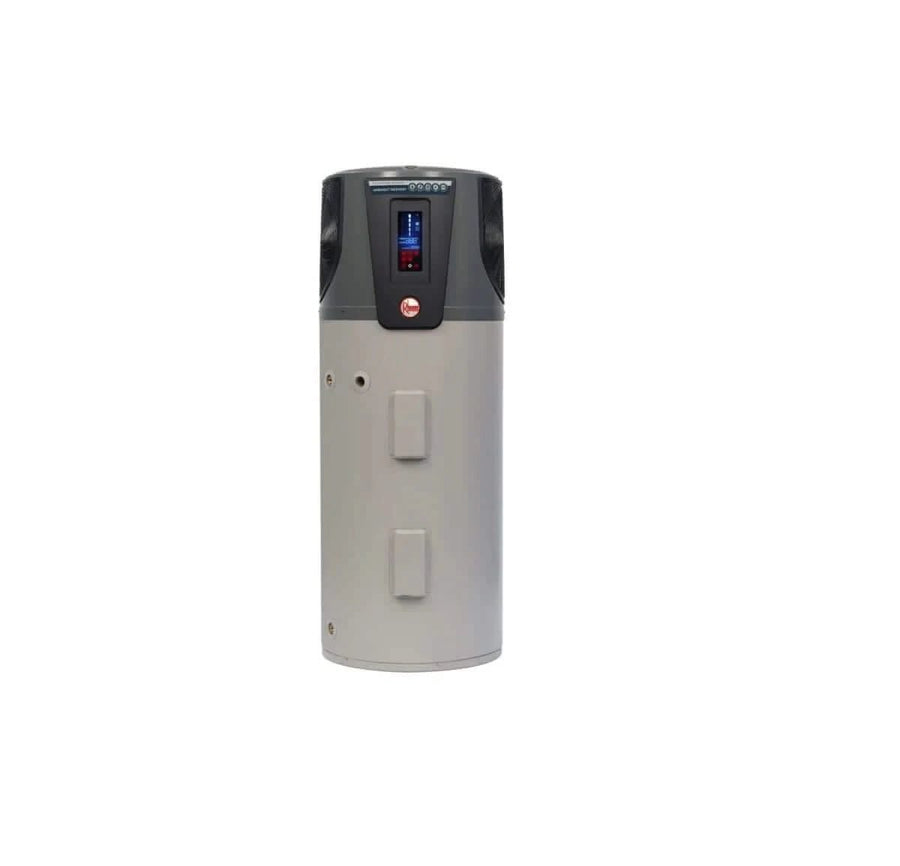
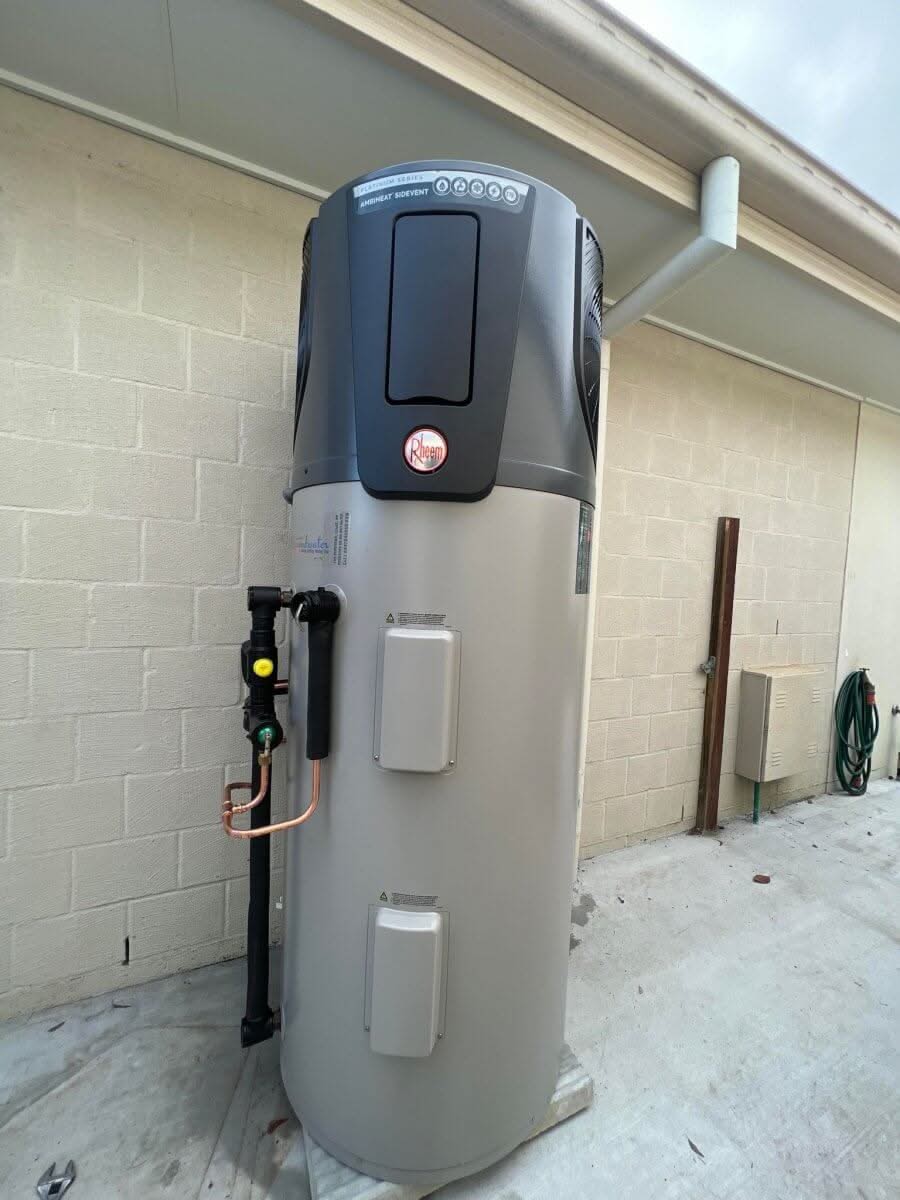
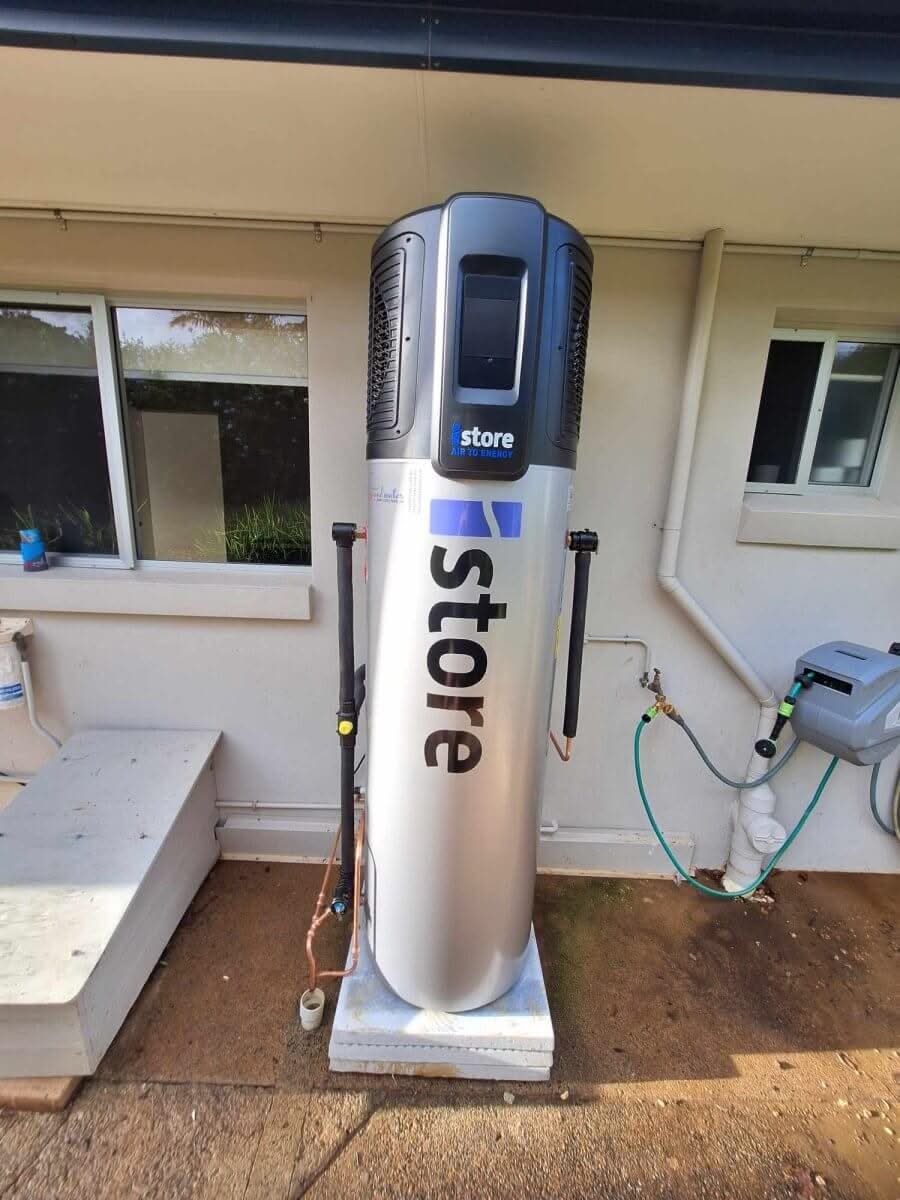
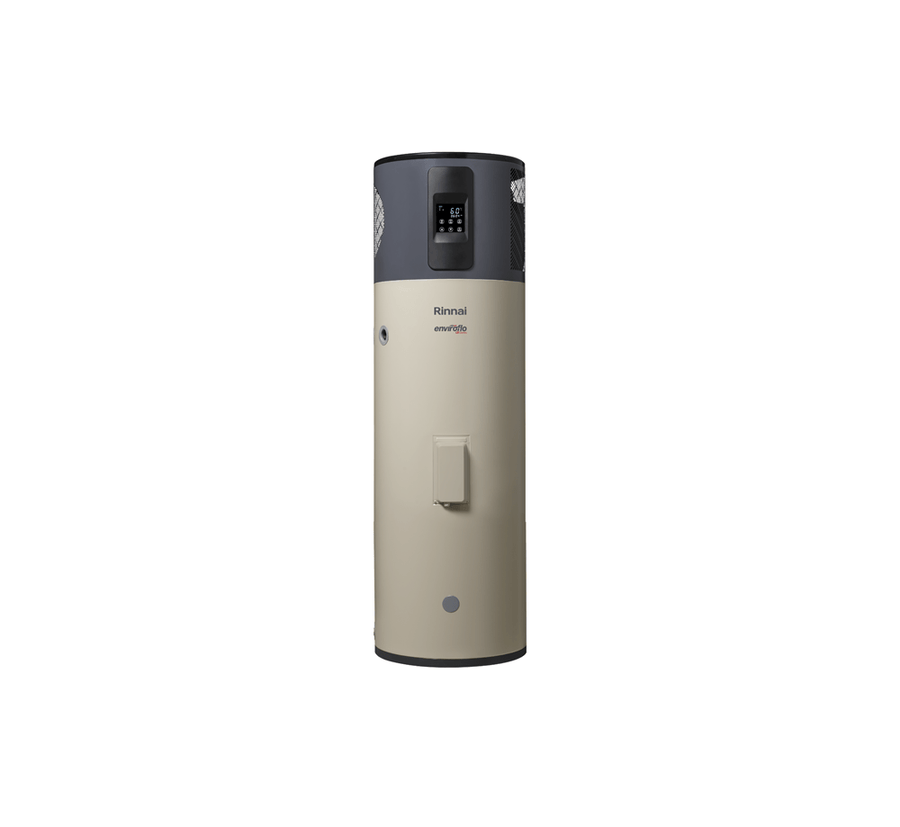
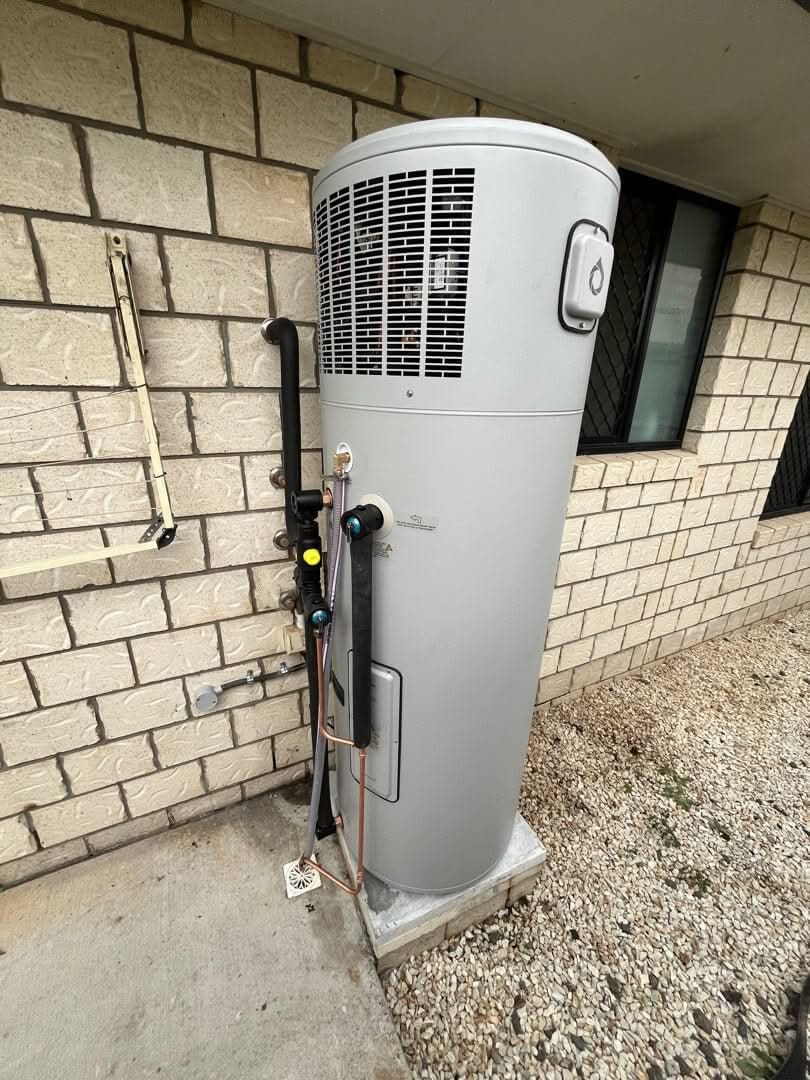
A heat pump hot water system is an electric-style storage system that uses heat from the surrounding air to help heat stored water.
Heat pumps are very different from instant electric systems.
| Option | How It Works | Best Suited To |
|---|---|---|
| Instant electric | Heats water instantly at the fixture or unit | Small point-of-use hot water |
| Heat pump | Stores water and heats it using air-source heat pump technology | Whole-home hot water where outdoor space suits |
Heat pump hot water may suit:
-
Homes replacing older electric storage
-
Energy-focused households
-
Homes with suitable outdoor space
-
Homes with clear airflow around the unit
-
Homes with suitable condensate drainage
-
Homes with suitable electrical supply
-
Homes where noise placement is acceptable
-
Homes with rooftop solar where timer operation may suit
Instant electric may suit:
-
Small sinks
-
Low-flow fixtures
-
Compact applications
-
Point-of-use locations
-
Situations where a storage tank is not practical
A heat pump is not automatically the best option for every home, but it is often more relevant than instant electric for whole-home electric hot water.
Relevant heat pump categories include:
Popular heat pump options include:
Best Uses for Instant Electric Hot Water
Instant electric hot water can be useful when hot water is needed at one small location rather than across a whole house.
Good use cases can include:
-
Office sinks
-
Kitchenettes
-
Small commercial sinks
-
Workshop handwashing
-
Garages
-
Sheds
-
Granny flats with low demand
-
Outdoor utility sinks, where the unit is suitable
-
Point-of-use bathroom basins
-
Small apartments with limited demand
-
Remote fixtures far from the main hot water unit
The best use is usually low-flow, short-duration hot water close to the point of use.
When Instant Electric May Not Be the Best Choice
Instant electric hot water may not be the right choice for every home.
It may not suit:
-
Whole-home hot water in larger households
-
Multiple bathrooms
-
Multiple showers running at once
-
High-flow showers
-
Homes with limited electrical capacity
-
Homes where switchboard upgrades would be expensive
-
Long hot water runs
-
High-demand family use
-
Properties better suited to storage hot water
-
Homes with natural gas where instant gas is more practical
If you need hot water for an entire family home, compare electric storage, heat pump, gas storage and instant gas before choosing instant electric.
Electrical Requirements Matter
Electrical capacity is one of the biggest checks for instant electric hot water.
Depending on the model and intended use, an instant electric unit may require:
-
Dedicated circuit
-
Suitable cable size
-
Switchboard capacity
-
Safety switch protection
-
High electrical load allowance
-
Single-phase or three-phase power, depending on the unit
-
Licensed electrician installation
-
Compliance with electrical rules
A small under-sink unit may have different requirements from a higher-output unit. Do not assume your existing power point or circuit can support the unit.
Before ordering, confirm:
-
Voltage
-
Amperage
-
Phase requirements
-
Circuit requirements
-
Switchboard capacity
-
Cable route
-
Isolation requirements
-
Whether electrical upgrades are needed
Electrical work must be completed by a licensed electrician where required.
Flow Rate and Temperature Rise
Instant electric hot water performance depends on flow rate and temperature rise.
Flow rate is how much water moves through the unit. Temperature rise is how much the unit needs to heat the incoming water to reach the desired outlet temperature.
For example, if the incoming water is cooler, the unit needs to work harder to reach the same hot water temperature. This can reduce available flow.
Important checks include:
-
Required flow rate
-
Incoming cold water temperature
-
Desired outlet temperature
-
Fixture type
-
Shower vs basin use
-
Flow restrictors
-
Electrical capacity
-
Distance from unit to tap
A unit that suits a hand basin may not suit a shower.
Can Instant Electric Run a Shower?
Some instant electric systems are designed for shower use, but this depends heavily on the model, electrical supply and required flow rate.
Before using instant electric for a shower, confirm:
-
Whether the unit is rated for shower use
-
Required power supply
-
Flow rate at the desired temperature
-
Incoming water temperature
-
Water pressure
-
Cable and circuit requirements
-
Compliance requirements
-
Whether a licensed electrician is needed
-
Whether the household demand is realistic
For many homes, electric storage, heat pump or instant gas may be more practical for shower use.
Can Instant Electric Run a Whole House?
Whole-house instant electric hot water can be challenging because the electrical demand can be high.
It may require:
-
Large electrical capacity
-
Dedicated circuits
-
Switchboard upgrades
-
Three-phase power in some situations
-
Careful fixture flow planning
-
Correct unit sizing
-
Licensed electrical work
-
Water pressure checks
This does not mean whole-home instant electric is impossible, but it should be assessed carefully before purchase. For many family homes, storage hot water or instant gas may be more practical.
Point-of-Use Instant Electric Systems
Point-of-use instant electric systems are installed close to the fixture they serve. This can reduce the delay caused by long pipe runs from a distant hot water system.
Point-of-use units may suit:
-
A single basin
-
A kitchenette
-
A staff room
-
A small handwashing sink
-
A remote bathroom basin
-
A low-demand workshop sink
Benefits can include:
-
Compact size
-
No large tank
-
Less waiting at the fixture
-
Targeted hot water
-
Space-saving design
However, the unit still needs the correct electrical supply and flow rating.
Space-Saving Benefits
One major reason people compare instant electric hot water systems is space.
Because they do not use a large storage tank, they may suit:
-
Apartments
-
Small offices
-
Kitchenettes
-
Under-sink areas
-
Tight service cupboards
-
Sheds
-
Compact bathrooms
-
Granny flats
Space-saving can be useful, but it should not override electrical suitability or flow requirements.
Running Costs and Efficiency
Instant electric systems heat water only when hot water is being used. This can reduce standby heat loss compared with a storage tank.
However, running cost depends on:
-
Electricity tariff
-
Water usage
-
Flow rate
-
Incoming water temperature
-
Unit efficiency
-
Household habits
-
Electrical demand
-
Whether the unit is point-of-use or whole-home
-
Whether another system type would be more suitable
Instant electric is not automatically cheaper to run than gas, heat pump or electric storage. The best option depends on usage and site conditions.
Instant Electric and Solar Power
Some households compare instant electric hot water because they have rooftop solar PV. This can sound appealing, but it needs careful assessment.
Important checks include:
-
When hot water is used
-
Solar generation timing
-
Electrical load of the unit
-
Whether the system can operate effectively during solar production
-
Whether battery storage is involved
-
Whether heat pump hot water would pair better with solar
-
Whether switchboard capacity suits the unit
For many homes with rooftop solar, heat pump hot water or controlled electric storage may be more practical than high-demand instant electric. The best option depends on the household setup.
Installation Considerations
Instant electric hot water installation can involve plumbing and electrical work.
Before ordering, check:
-
Installation location
-
Water pressure
-
Flow requirements
-
Distance to fixture
-
Electrical supply
-
Switchboard capacity
-
Cable route
-
Circuit protection
-
Ventilation where required
-
Access for servicing
-
Indoor or outdoor suitability
-
Manufacturer clearance requirements
-
Compliance requirements
Do not install an indoor-only unit outdoors, and do not install an outdoor-only product indoors unless the product is specifically approved for that use.
What Is Not Included in Supply-Only Instant Electric Pricing?
For supply-only products, the listed product price generally covers the product only.
It does not usually include:
-
Installation labour
-
Plumbing alterations
-
Electrical work
-
Switchboard upgrades
-
Dedicated circuits
-
New wiring
-
New valves
-
Pipework changes
-
Drainage changes
-
Tempering valve upgrades
-
Pressure limiting valve upgrades
-
Old unit removal
-
Disposal
-
Compliance upgrades
-
Wall mounting changes
-
Site assessment
Always check the product page and confirm full site requirements with your licensed installer or electrician before ordering supply only.
Supply-Only vs Supplied-and-Installed
Installed Today offers supply-only ordering across major Australian metro areas. This can suit customers who already have a licensed installer or electrician organised and want to order the product online.
Supply-only may suit you if:
-
Your installer has confirmed the correct product
-
Your electrician has checked electrical requirements
-
The system suits the intended fixture
-
Flow rate has been checked
-
Water pressure has been reviewed
-
Installation location is suitable
-
You understand what is not included in the product price
Selected supplied-and-installed options are available on eligible products in Brisbane and Gold Coast service areas. Availability depends on the product, address and installation requirements.
Before choosing a supplied-and-installed option, check exactly what is included and what may be extra.
Brisbane and Gold Coast Considerations
For Brisbane and Gold Coast homes, instant electric hot water may be considered for small point-of-use applications, offices, kitchenettes, sheds and compact fixtures.
Common local considerations include:
-
Existing electrical capacity
-
Switchboard condition
-
Whether three-phase power is available where required
-
Water pressure
-
Fixture flow rate
-
Distance from main hot water system
-
Apartment or townhouse space limits
-
Outdoor vs indoor installation location
-
Whether electric storage or heat pump is more practical
-
Whether supplied-and-installed options are available for the selected product
For full-home hot water, many Brisbane and Gold Coast homes compare electric storage, heat pump and gas hot water before choosing instant electric.
Maintenance for Instant Electric Hot Water
Instant electric systems need maintenance according to the manufacturer’s instructions and water quality conditions.
Maintenance may include:
-
Checking for leaks
-
Monitoring outlet temperature
-
Inspecting visible fittings
-
Checking for error codes
-
Descaling where required
-
Cleaning inlet strainers where fitted
-
Checking flow performance
-
Having electrical faults checked by a licensed electrician
-
Following manufacturer service intervals
Hard water, sediment or poor water quality can affect performance. Pre-filtration may be needed in some situations.
Signs an Instant Electric System Needs Attention
An instant electric hot water system may need inspection if you notice:
-
No hot water
-
Water not hot enough
-
Hot water cutting in and out
-
Low flow
-
Tripping circuit breaker
-
Error codes
-
Leaks
-
Burning smell
-
Unit overheating
-
Electrical buzzing or unusual noises
-
Reduced performance over time
Turn the unit off if it appears unsafe, leaking badly or creating electrical concerns.
Common Mistakes When Choosing Instant Electric Hot Water
Assuming It Suits Whole-Home Use
Instant electric is often better for point-of-use applications than full-home hot water.
Ignoring Electrical Requirements
Electrical capacity is a major factor. A unit may need dedicated wiring, switchboard capacity or three-phase power.
Comparing It Only Against Storage Tanks
Instant electric should also be compared with heat pump and instant gas options.
Choosing Based on Size Alone
The right unit depends on flow rate, temperature rise, fixture type and electrical supply.
Using a Small Unit for a Shower
A unit that suits a basin may not suit a shower.
Assuming Supply-Only Includes Installation
Supply-only generally means product only unless installation is selected or clearly shown.
Forgetting Maintenance
Scale, sediment and water quality can affect performance over time.
Before Ordering Checklist
Before ordering an instant electric hot water system, confirm:
-
Intended use
-
Point-of-use or whole-home requirement
-
Fixture type
-
Required flow rate
-
Desired outlet temperature
-
Incoming water temperature
-
Water pressure
-
Installation location
-
Indoor or outdoor suitability
-
Electrical voltage
-
Amperage
-
Single-phase or three-phase requirements
-
Dedicated circuit needs
-
Switchboard capacity
-
Cable route
-
Whether a licensed electrician is required
-
Whether a licensed plumber is required
-
Whether new valves may be needed
-
Whether the unit is suitable for showers
-
Whether electric storage, heat pump or gas hot water is more practical
-
Installer confirmation before buying supply only
Frequently Asked Questions
What is an instant electric hot water system?
An instant electric hot water system heats water as it flows through the unit instead of storing hot water in a tank.
Is instant electric hot water good?
It can be good for small point-of-use applications, low-demand fixtures and compact spaces. It may not be the best option for whole-home family hot water.
Does instant electric hot water use a lot of power?
Instant electric units can have high electrical demand, especially larger models. Electrical requirements must be checked before ordering.
Can instant electric hot water run a shower?
Some models may be designed for shower use, but electrical supply, flow rate, temperature rise and water pressure must be checked carefully.
Can instant electric hot water run a whole house?
Sometimes, but whole-home instant electric can require significant electrical capacity. Electric storage, heat pump or instant gas may be more practical for many homes.
Is instant electric cheaper than electric storage?
Not always. Instant electric may reduce standby heat loss, but running cost depends on usage, tariff, electrical demand and whether the system suits the application.
Is instant electric better than instant gas?
It depends on the home. Instant gas may suit whole-home hot water where gas supply is available. Instant electric may suit small point-of-use hot water where electrical supply suits.
Does instant electric need three-phase power?
Some larger instant electric units may require three-phase power. Smaller point-of-use units may have different requirements. Always check the product specifications.
Can I install instant electric hot water myself?
No. Instant electric systems can involve plumbing and electrical work. Use licensed trades where required.
Does supply-only instant electric pricing include installation?
No. Supply-only generally means product only unless installation is selected or clearly shown. Installation, plumbing work, electrical work, wiring, switchboard upgrades, valves, removal and compliance upgrades are usually separate.
Final Word
An instant electric hot water system can be a practical solution for small point-of-use hot water where space is limited and electrical supply is suitable. It can work well for sinks, kitchenettes, offices, workshops and selected low-demand fixtures.
For full-home hot water, compare instant electric with electric storage, heat pump, gas storage and instant gas systems before ordering. Electrical requirements, flow rate, water pressure and fixture demand are the key checks.
Before ordering supply only through Installed Today, confirm the selected product with your licensed installer or electrician. If choosing a supplied-and-installed option in an eligible Brisbane or Gold Coast service area, check exactly what is included before placing the order.