
Hot Water System Install: What to Check Before Ordering or Replacing Your Unit
A hot water system install is not just a matter of buying a new unit and connecting a few pipes. The right system needs to suit your household size, energy source, installation location, access, water pressure, electrical requirements, gas type, drainage, valves and compliance requirements.
Electric storage, gas storage, instant gas, instant electric, heat pump and solar hot water systems all have different installation needs. A simple like-for-like replacement can be very different from changing system type, moving the unit, upgrading to heat pump hot water or switching from storage to instant gas.
Installed Today makes it easy to compare and order hot water systems online, including electric hot water systems, gas hot water systems, instant gas hot water systems and heat pump hot water systems. Supply-only ordering is available across major Australian metro areas, with selected supplied-and-installed options available on eligible products in Brisbane and Gold Coast service areas.
Quick Answer: What Should You Know Before a Hot Water System Install?
Before installing a hot water system, confirm the system type, size, energy source, access, valves, drainage and compliance requirements.
As a general guide:
-
Electric storage systems need the right tank size, electrical supply, valves and drainage
-
Gas systems need the correct gas type, licensed gas fitting, ventilation, clearances and water pressure checks
-
Instant gas systems need gas pipe sizing and flow rate checks, especially for 26L units
-
Heat pump systems need outdoor airflow, condensate drainage, access, electrical suitability and sensible noise placement
-
Solar hot water systems need roof suitability, collector placement, booster planning and installer confirmation
-
Instant electric systems need electrical capacity checks before ordering
-
Supply-only pricing usually covers the product only
-
Supplied-and-installed options are only available on selected eligible products and locations
Hot water systems involve plumbing, gas, electrical work, pressure, valves, drainage and compliance. Use licensed trades where required.
Choosing the Right Hot Water System Before Installation
The best hot water system install starts with choosing the right system for the home. A unit that is too small may run out of hot water. A unit that is too large may cost more than needed. A unit with the wrong gas type, poor airflow or unsuitable electrical requirements can create installation problems.
Before choosing a system, consider:
-
Number of people in the home
-
Number of bathrooms
-
Shower length
-
Bath use
-
Kitchen and laundry use
-
Morning and evening peak demand
-
Existing system type
-
Existing system size
-
Whether the old system ran out of hot water
-
Electric, natural gas or LPG availability
-
Water pressure
-
Gas pipe sizing where relevant
-
Installation location
-
Access for delivery
-
Access for future servicing
-
Drainage and overflow
-
Electrical requirements
-
Rebate or STC eligibility where relevant
Do not choose a system based on product price alone. The right install depends on the product and the site.
Main Hot Water System Types to Install
The main hot water system types are:
-
Electric storage hot water
-
Gas storage hot water
-
Instant gas hot water
-
Heat pump hot water
-
Solar hot water
-
Instant electric hot water
Each system has different installation requirements.
Electric Hot Water System Install
Electric hot water systems are common in Australian homes and are often chosen for like-for-like replacements.
Electric storage systems use an electric element to heat water inside a tank. They may suit homes without gas, rental properties, simple replacements and households wanting a familiar storage-style system.
Electric hot water installation checks include:
-
Correct tank size
-
Existing electrical supply
-
Element size
-
Indoor or outdoor model suitability
-
Access for delivery
-
Base or slab condition
-
Valve requirements
-
Drainage and overflow
-
Tempering valve requirements
-
Pressure limiting valve requirements
-
Expansion control valve requirements
-
Old unit removal and disposal
-
Compliance upgrades
Common electric storage categories include:
Popular electric storage options include:
If the old electric system regularly ran out of hot water, replacing it with the same size may repeat the problem. Confirm sizing before ordering.
Gas Hot Water System Install
Gas hot water systems can suit homes already using natural gas or LPG. Gas systems may be gas storage or instant gas.
Gas hot water installation checks include:
-
Natural gas or LPG supply
-
Correct gas model
-
Gas pipe sizing
-
Water pressure
-
Outdoor or internal-flued suitability
-
Required clearances
-
Ventilation and flue requirements where applicable
-
Electrical connection for ignition or controls
-
Existing valves
-
Drainage and overflow
-
Access for installation and servicing
-
Compliance requirements
Gas work must be completed by a licensed gas fitter. Natural gas and LPG systems are not interchangeable.
Gas Storage Hot Water Install
Gas storage systems heat and store water in a tank. They can suit homes already using gas that want a storage-style replacement.
Common gas storage categories include:
Popular gas storage options include:
Gas storage may be practical where the old system worked well and the installation location is still suitable.
Instant Gas Hot Water Install
Instant gas hot water systems, also called continuous flow gas hot water systems, heat water as it flows through the unit.
Instant gas installation checks include:
-
Flow rate
-
Natural gas or LPG model
-
Gas pipe sizing
-
Water pressure
-
Outdoor wall location
-
Clearances around windows, doors and openings
-
Electrical requirements for ignition or controls
-
Temperature controller options
-
Existing system type
-
Whether pipework changes are required
-
Access for future servicing
Common instant gas sizes include 16L, 20L and 26L.
A 26L instant gas hot water system may suit some higher-demand homes, but it needs suitable gas pipe sizing and water pressure.
Popular instant gas options include:
External gas hot water units are outdoor units unless the specific manufacturer model is approved for internal flued installation.
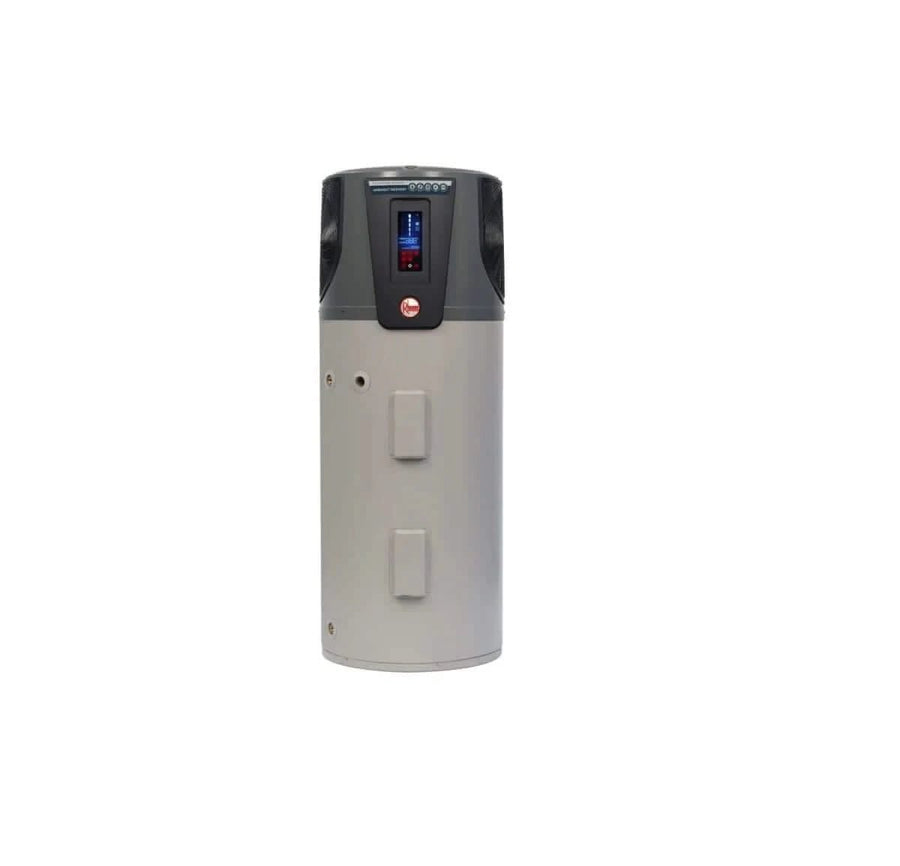
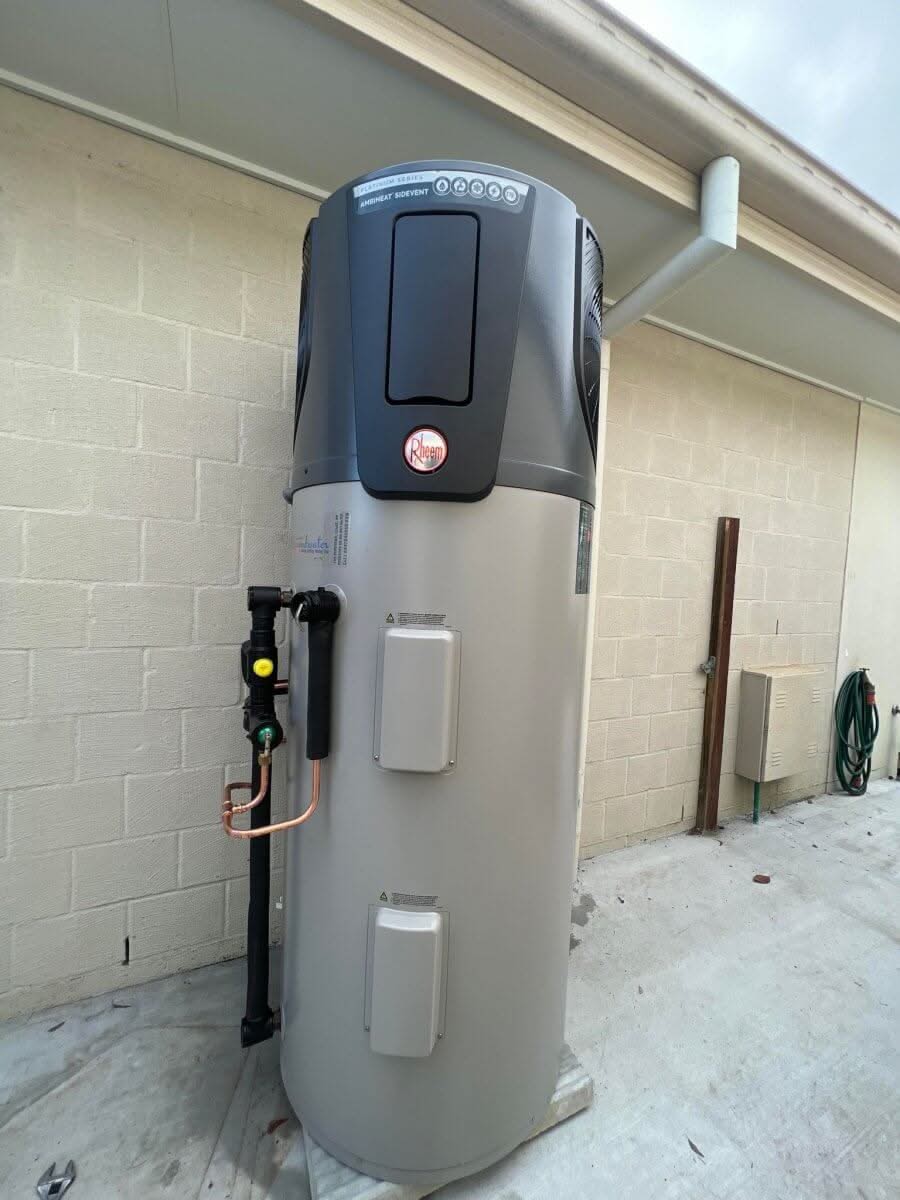
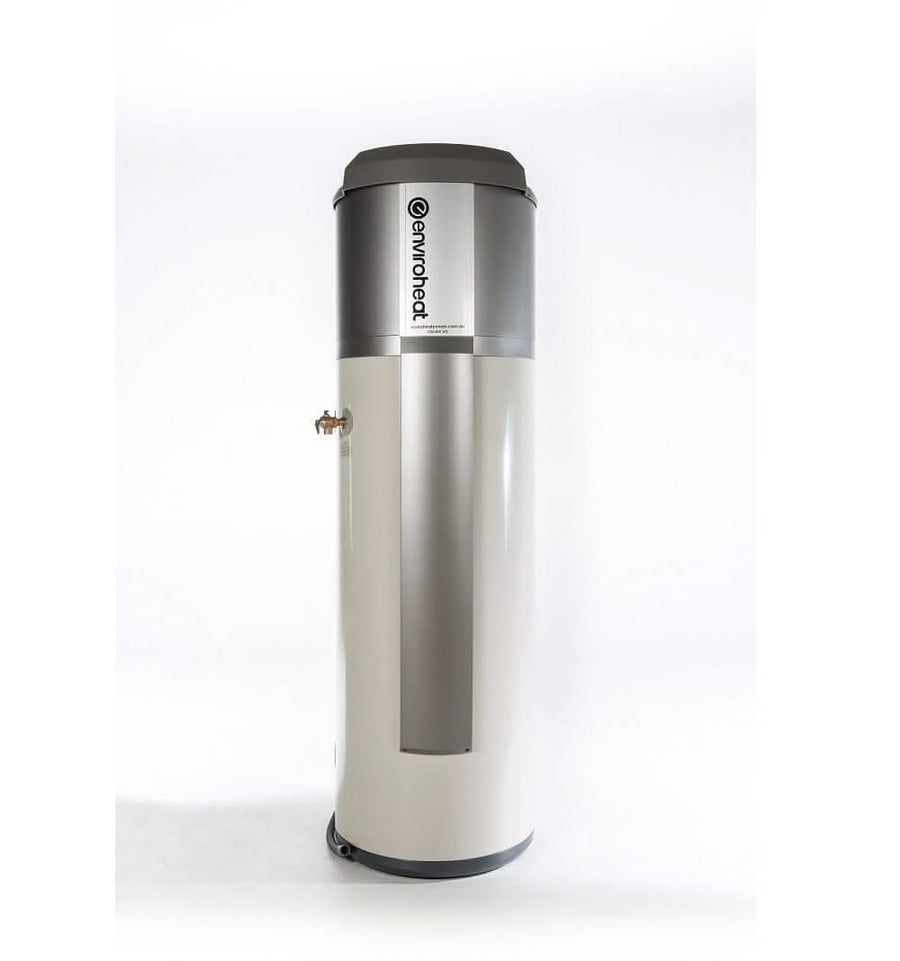
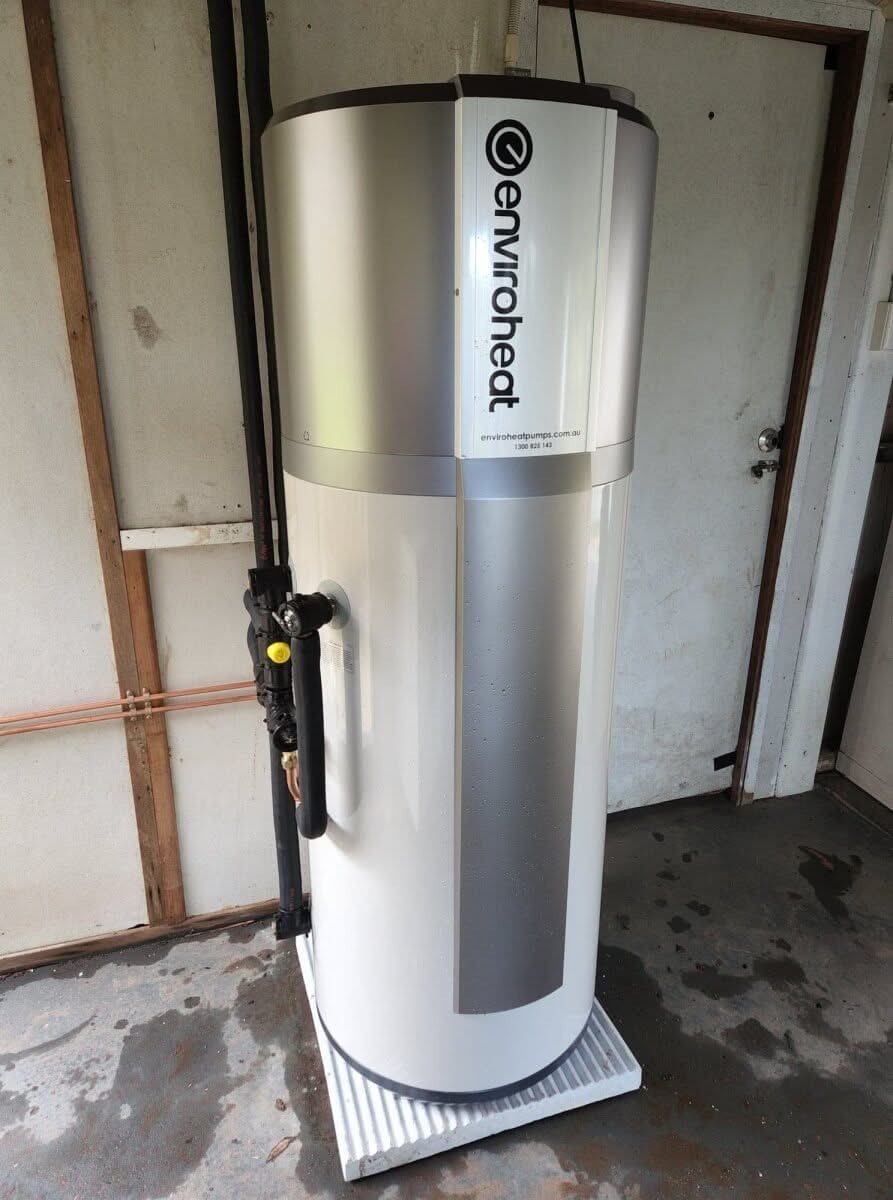
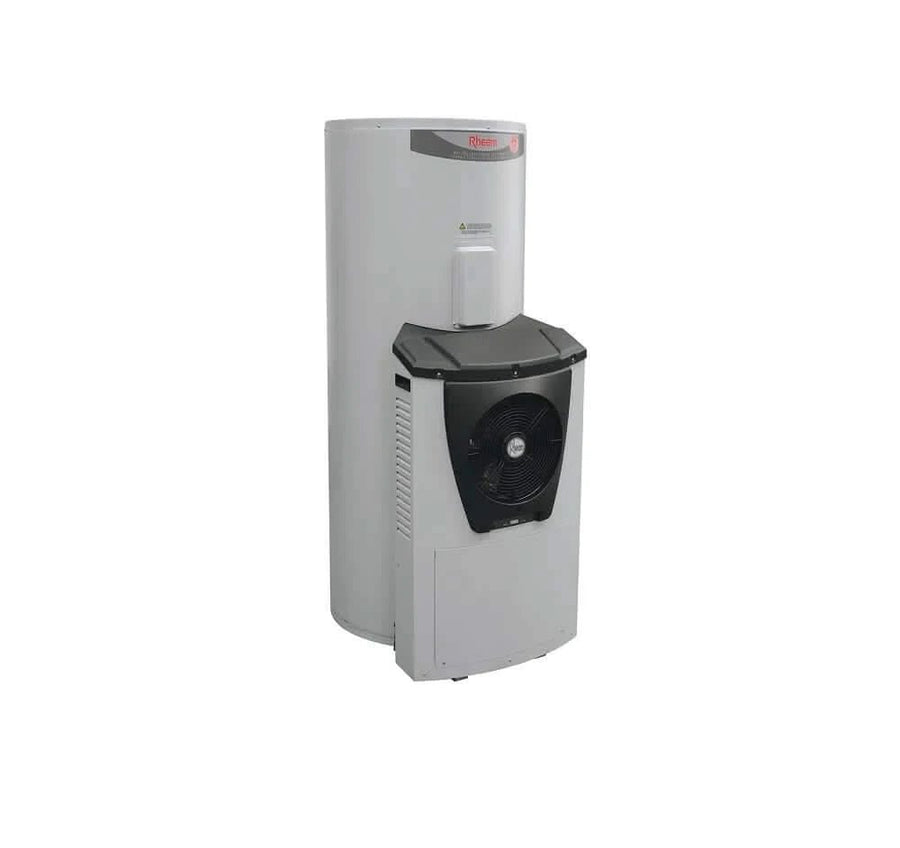
Heat Pump Hot Water Install
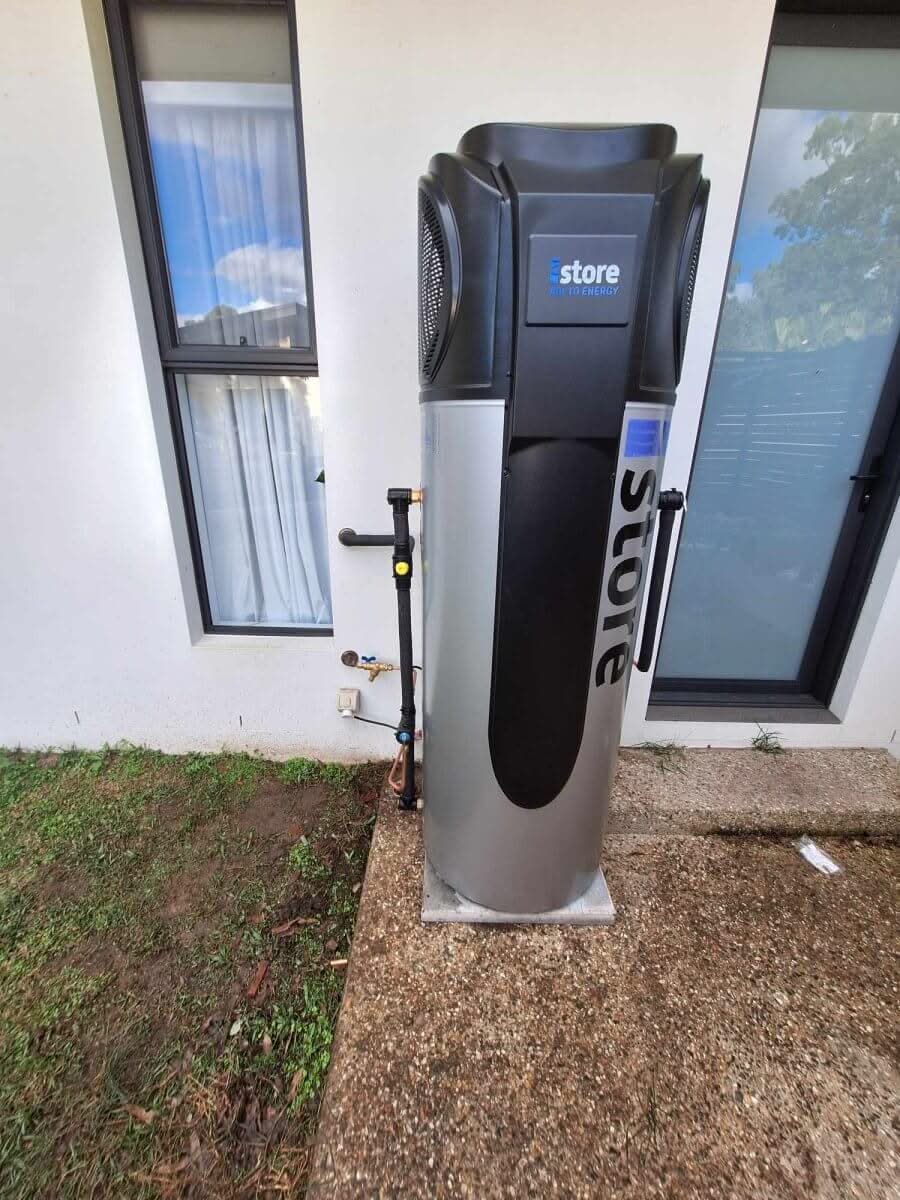
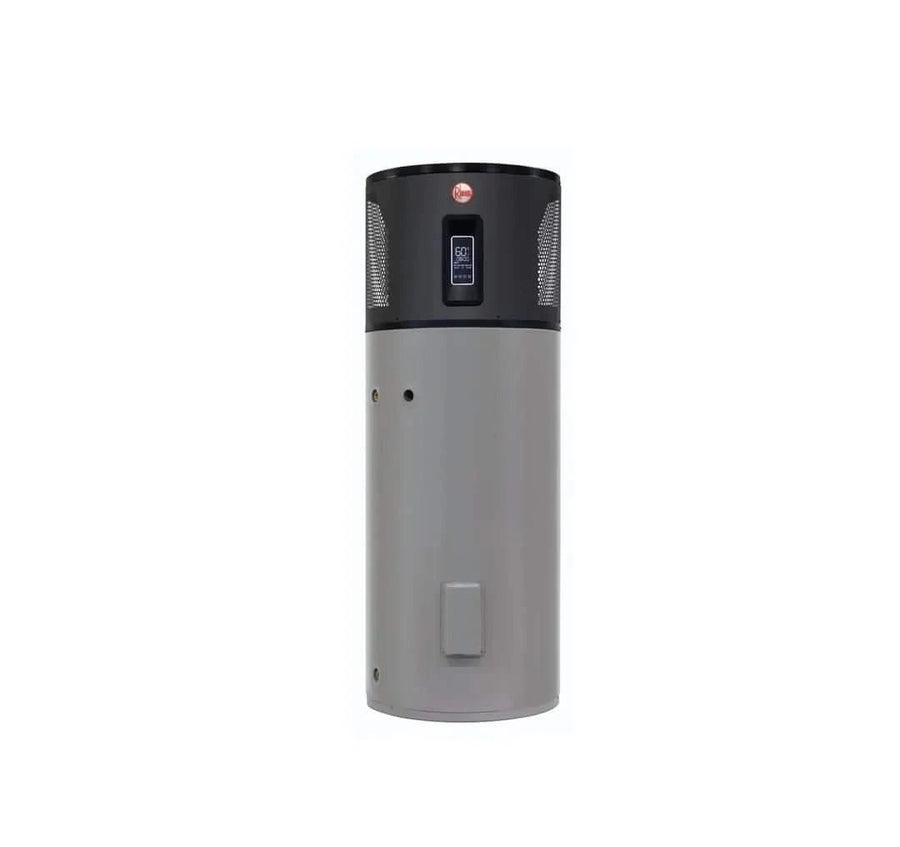
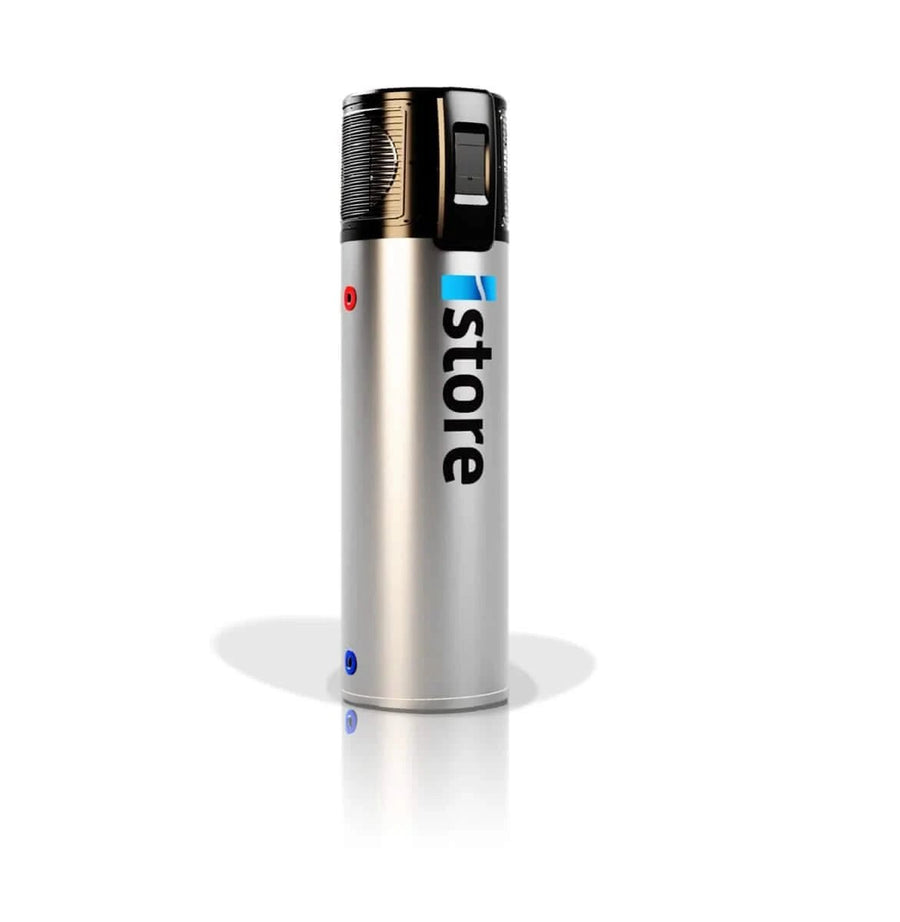
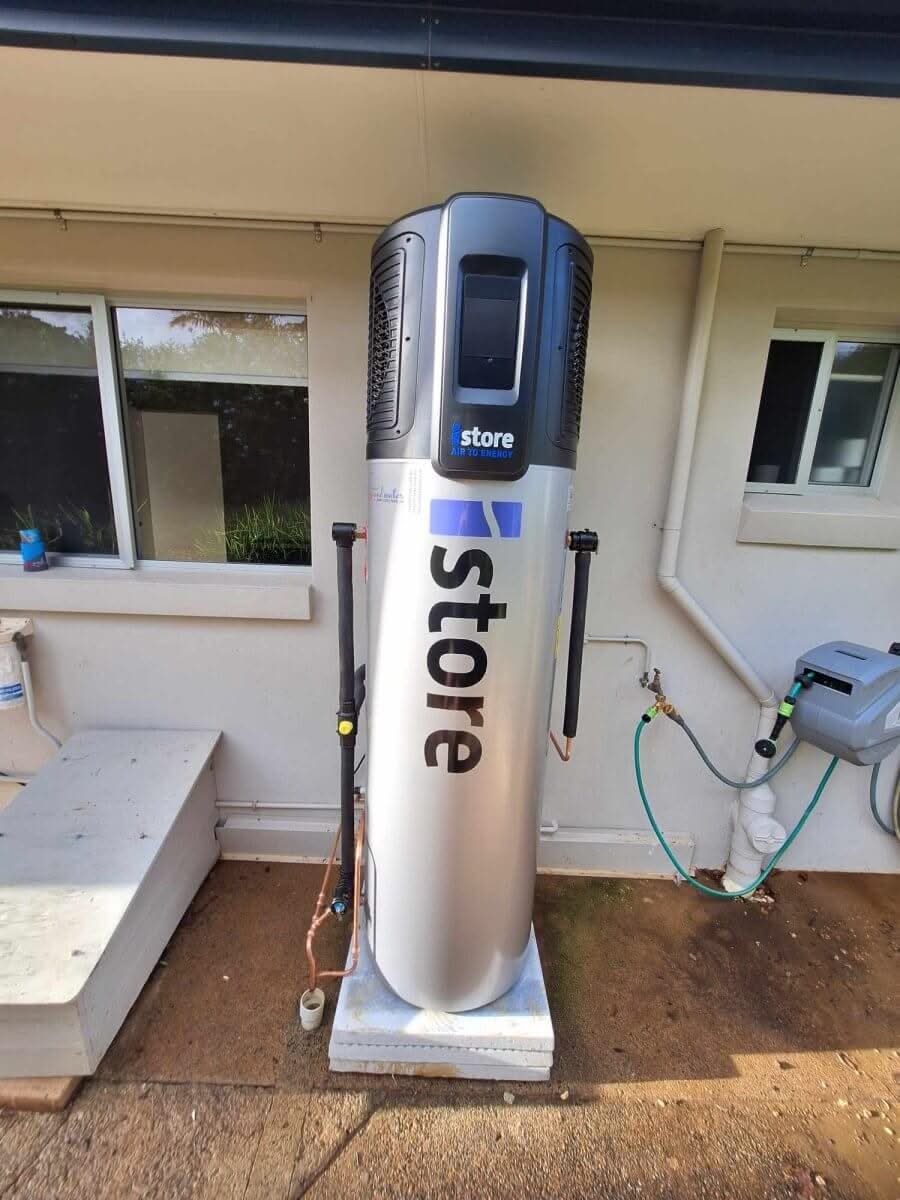
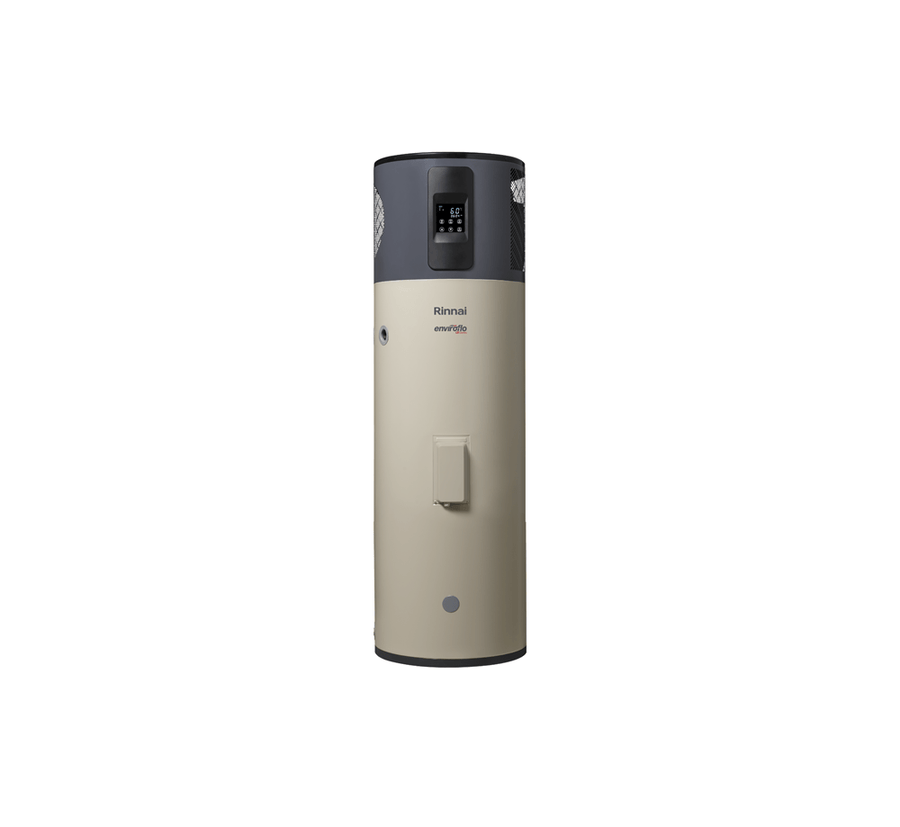
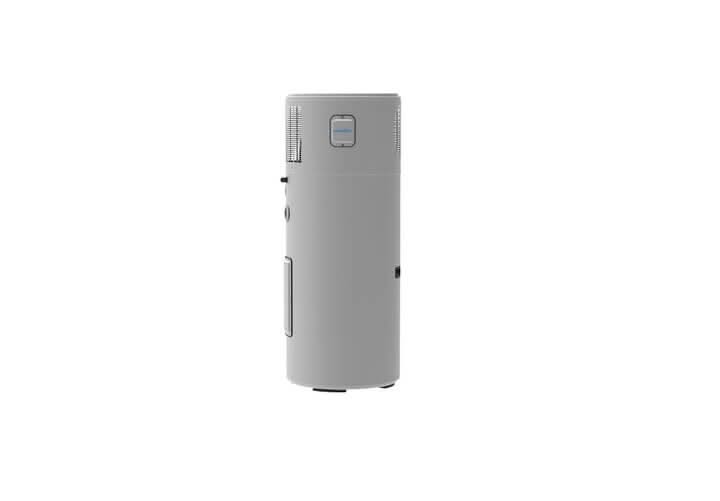
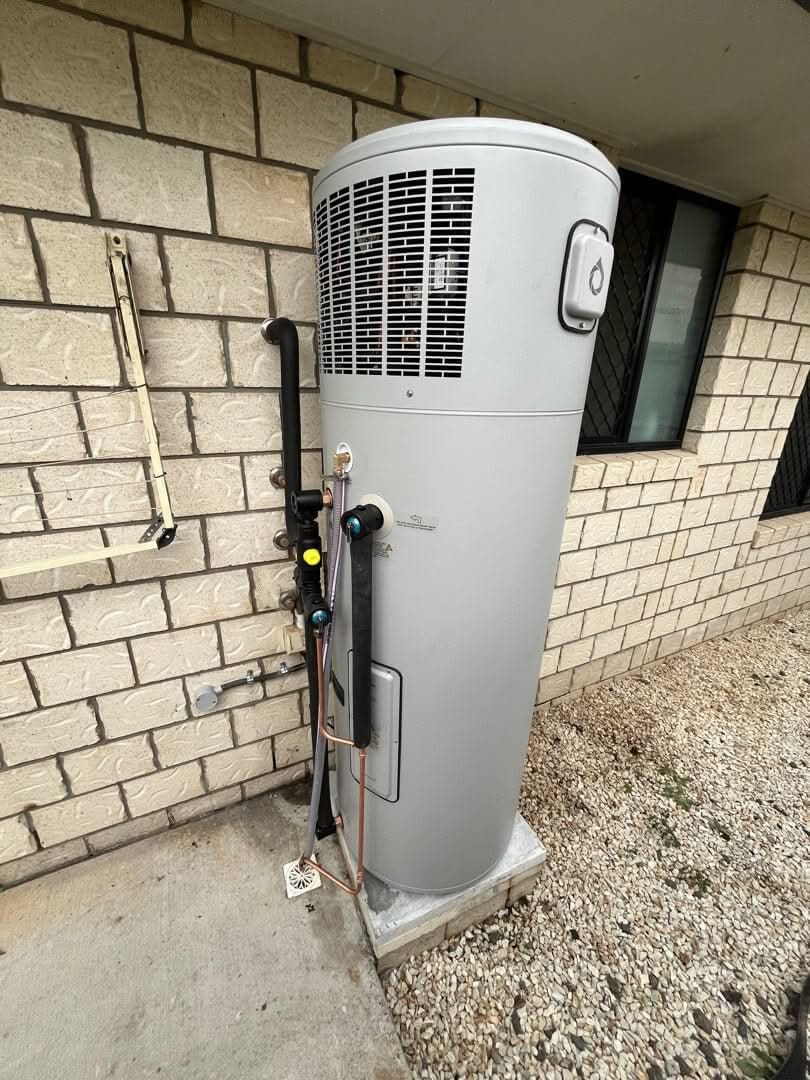
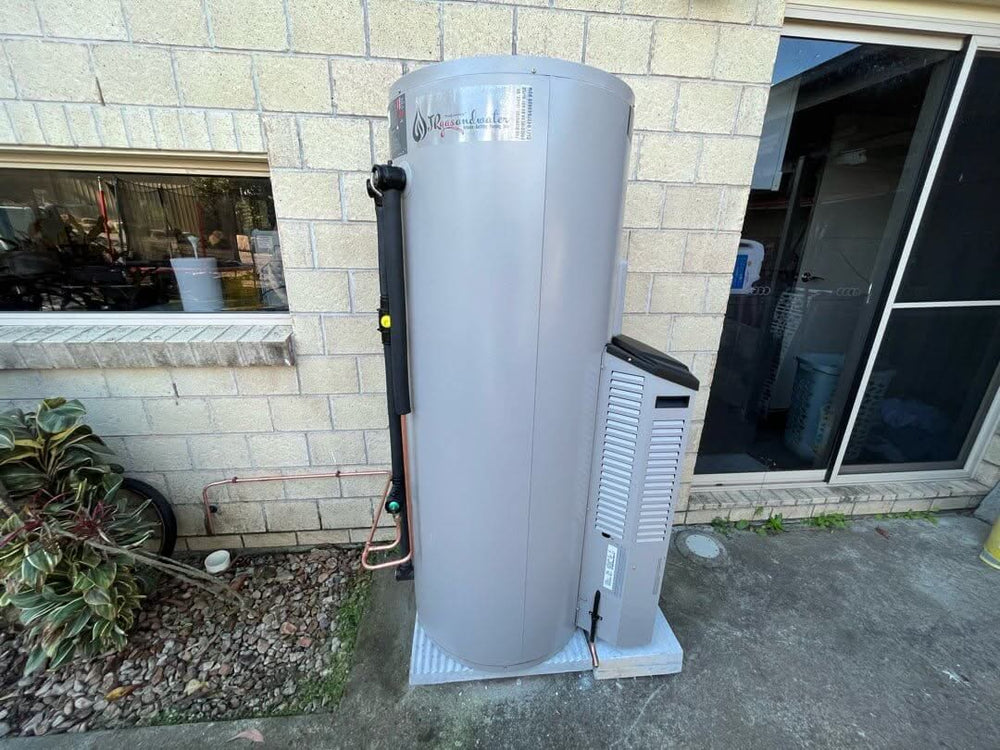
A heat pump hot water system uses heat from the surrounding air to help heat stored water. Heat pumps are often compared by households replacing older electric storage systems or wanting a more energy-focused electric hot water option.
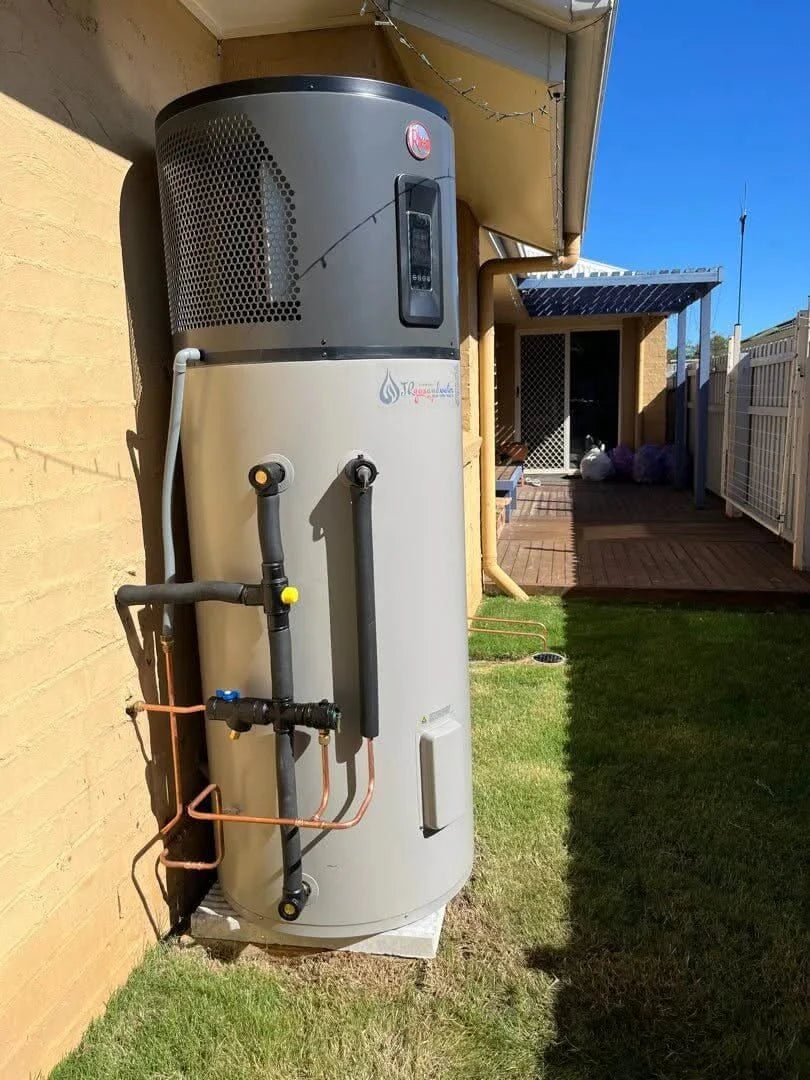
Heat pump installation checks include:
-
Outdoor location
-
Clear airflow
-
Manufacturer clearances
-
Condensate drainage
-
Electrical requirements
-
Base or slab condition
-
Access for delivery
-
Access for servicing
-
Noise placement
-
Distance from bedrooms and neighbouring windows
-
Existing system type
-
Existing valve condition
-
Old unit removal and disposal
-
Rebate or STC eligibility where relevant
Heat pumps should not be boxed into tight enclosed spaces. Poor airflow can reduce performance.
Many households compare:
Popular heat pump options include:
Solar Hot Water Install
Solar hot water systems use roof-mounted collectors to capture heat from the sun and transfer it into stored water. Most solar systems include an electric or gas booster for cloudy weather or high-demand periods.
Solar hot water installation checks include:
-
Roof orientation
-
Roof pitch
-
Shading
-
Collector placement
-
Roof access
-
Booster type
-
Tank location
-
Pipework route
-
Existing system type
-
Old collector removal where relevant
-
Electrical or gas requirements
-
Rebate or incentive eligibility where relevant
Solar can suit homes with good roof conditions, but it is not always the simplest replacement. For some homes, heat pump hot water may be easier to compare because it does not require roof-mounted collectors.
Instant Electric Hot Water Install
Instant electric hot water systems heat water on demand using electric heating elements.
They may suit:
-
Small sinks
-
Offices
-
Kitchenettes
-
Granny flats
-
Low-demand fixtures
-
Point-of-use hot water
-
Space-limited applications
Instant electric installation checks include:
-
Electrical capacity
-
Circuit requirements
-
Switchboard suitability
-
Flow rate
-
Intended fixture use
-
Plumbing location
-
Water pressure
-
Whether a dedicated circuit is required
-
Whether a licensed electrician is needed
Instant electric hot water is not always suitable for whole-home shower demand. Electrical requirements can be high, so installer confirmation is important before ordering.
Like-for-Like Replacement vs System Change
A hot water system install is usually simpler when replacing like-for-like, but that does not mean every like-for-like replacement is automatically the best choice.
Like-for-Like Replacement
This may involve replacing:
-
Electric storage with electric storage
-
Gas storage with gas storage
-
Instant gas with instant gas
-
Heat pump with heat pump
Like-for-like may be practical when the old system worked well, the household’s needs have not changed and the existing location remains suitable.
System Change
This may involve changing:
-
Electric storage to heat pump
-
Gas storage to instant gas
-
Electric storage to gas
-
Solar hot water to heat pump
-
Storage hot water to instant hot water
-
Indoor system to outdoor system
System changes can involve extra plumbing, electrical, gas, drainage, access or compliance work. Always confirm with licensed trades before ordering.
What Can Add Cost to a Hot Water System Install?
Installation costs can vary because every property is different.
Common cost factors include:
-
System type
-
New system size
-
Existing system type
-
Like-for-like replacement vs relocation
-
Indoor vs outdoor location
-
Tight access
-
Stairs or difficult delivery path
-
Existing valve condition
-
Tempering valve requirements
-
Pressure limiting valve requirements
-
Expansion control valve requirements
-
Drainage and overflow points
-
Electrical supply
-
Gas pipe sizing
-
Water pressure
-
Pipework route
-
Condensate drainage for heat pumps
-
Roof access for solar
-
Old unit removal
-
Disposal
-
Non-compliant existing installation
-
Base or slab condition
This is why a product-only price should not be treated as a complete installed price.
What Is Not Included in Supply-Only Hot Water Pricing?
For supply-only products, the listed product price generally covers the product only.
It does not usually include:
-
Installation labour
-
Plumbing alterations
-
Electrical work
-
Gas work
-
New valves
-
Pipework changes
-
Gas pipe upgrades
-
Drainage changes
-
Condensate drainage for heat pumps
-
Tempering valve upgrades
-
Pressure limiting valve upgrades
-
Expansion control valves
-
Old unit removal
-
Disposal
-
Compliance upgrades
-
Concrete bases or slab work
-
Flue kits unless listed
-
Temperature controllers unless listed
-
Relocation of the system
-
Rebate administration
-
Site assessment
Always check the product page and confirm full site requirements with your licensed installer before ordering supply only.
Supply-Only vs Supplied-and-Installed Hot Water Systems
Installed Today offers supply-only ordering across major Australian metro areas. This can suit customers who already have a licensed installer organised and want to order the product online.
Supply-only may suit you if:
-
Your installer has confirmed the correct product
-
The system size suits your household
-
The correct gas type has been selected where relevant
-
Electrical requirements have been checked
-
Water pressure has been reviewed
-
Access and drainage are suitable
-
You understand what is not included in the product price
Selected supplied-and-installed options are available on eligible products in Brisbane and Gold Coast service areas. Availability depends on the product, address and installation requirements.
Before choosing a supplied-and-installed option, check:
-
Whether the product is eligible
-
Whether your address is eligible
-
Whether the installation is like-for-like
-
Whether valves are included or extra
-
Whether electrical work is included or extra
-
Whether gas work is included or extra
-
Whether old unit removal is included
-
Whether disposal is included
-
Whether pipework changes are included
-
Whether drainage changes are included
-
Whether compliance upgrades may be extra
-
Whether rebates or STCs are included, excluded or handled separately
Do not assume every product or every location has an installed option.
Can You Install a Hot Water System Yourself?
No. A hot water system install can involve plumbing, gas fitting, electrical work, water pressure, valves, drainage and compliance requirements.
DIY installation can create serious risks, including:
-
Water leaks
-
Electrical hazards
-
Gas leaks
-
Incorrect temperature control
-
Non-compliant installation
-
Poor performance
-
Voided warranty
-
Damage to property
-
Unsafe hot water delivery
-
Insurance or compliance issues
Use licensed trades where required. Gas work must be completed by a licensed gas fitter. Electrical work must be completed by a licensed electrician where required. Plumbing work should be completed by a licensed plumber where required.
Professional Hot Water Installation Checks
A licensed installer may check:
-
Existing system type and size
-
New system suitability
-
Correct gas type where relevant
-
Water pressure
-
Electrical requirements
-
Gas pipe sizing
-
Existing valves
-
Drainage and overflow
-
Safe tray requirements where relevant
-
Tempering valve requirements
-
Access
-
Base or mounting requirements
-
Manufacturer clearances
-
Heat pump airflow and condensate drainage
-
Solar roof suitability
-
Old unit removal and disposal requirements
-
Compliance upgrades
The goal is not just to make the system fit. The goal is to make sure it can operate safely, reliably and legally.
Brisbane and Gold Coast Hot Water System Install Considerations
For Brisbane and Gold Coast homes, hot water system installs often depend on the existing unit, access, drainage, energy source and installation pathway.
Common local considerations include:
-
Replacing older electric storage systems
-
Comparing electric storage with heat pump upgrades
-
Natural gas vs LPG availability
-
Outdoor wall space for instant gas
-
Gas pipe sizing for 26L systems
-
Heat pump airflow and noise placement
-
Condensate drainage
-
Tight side access
-
Existing valve condition
-
Old unit removal and disposal
-
Whether the selected product is eligible for supplied-and-installed options
Installed Today offers selected supplied-and-installed options on eligible products in Brisbane and Gold Coast service areas, with supply-only ordering available across major Australian metro areas.
Rebates, STCs and Incentives
Some hot water systems, especially heat pumps and solar-style upgrades, may be eligible for rebates, STCs or other incentives depending on the product, location, supplier pathway and current program rules.
These incentives can change.
Before relying on a rebate or discount, confirm:
-
Whether the selected product qualifies
-
Whether your property qualifies
-
Whether the old system type matters
-
Whether supply-only purchases are eligible
-
Whether an approved provider or installer is required
-
Whether pre-approval is needed
-
Whether the incentive is applied upfront or claimed later
-
Whether the rebate or STC value is already included in the price
A rebate can improve value, but the system still needs to suit the home.
Maintenance After Installation
After a hot water system install, ongoing maintenance helps the system perform safely and reliably.
General maintenance considerations include:
-
Keeping the area around the unit clear
-
Checking for visible leaks
-
Watching for rust or corrosion
-
Monitoring hot water temperature
-
Checking for unusual noises
-
Keeping heat pump airflow clear
-
Checking heat pump condensate drainage
-
Checking valves where required
-
Following manufacturer servicing guidance
-
Using a licensed gas fitter for gas faults
-
Using a licensed electrician for electrical faults
Do not attempt plumbing, gas or electrical repairs yourself.
Common Installation Mistakes to Avoid
Choosing the Wrong Size
A system that is too small may run out of hot water. A system that is too large may cost more than needed.
Replacing Like-for-Like Without Checking Demand
If the old system struggled, the same size may repeat the problem.
Ordering the Wrong Gas Type
Natural gas and LPG systems are different. Always choose the correct model.
Choosing 26L Instant Gas Without Checking the Site
A 26L instant gas system needs suitable gas pipe sizing and water pressure.
Choosing Heat Pump Without Checking Location
Heat pumps need airflow, condensate drainage, access, electrical suitability and sensible noise placement.
Comparing Product-Only and Installed Pricing Incorrectly
Supply-only pricing is not the same as installed pricing.
Ignoring Valves and Drainage
Valves, overflow points and drainage can affect installation cost and compliance.
Attempting DIY Installation
Hot water systems require licensed trades where plumbing, gas or electrical work is involved.
Before Ordering Checklist
Before ordering a hot water system, confirm:
-
Current system type
-
Current system size
-
Whether the old system ran out of hot water
-
Number of people in the home
-
Number of bathrooms
-
Shower habits
-
Peak hot water demand
-
Electric, natural gas or LPG availability
-
Correct gas type where relevant
-
Electrical requirements
-
Gas pipe sizing for instant gas
-
Water pressure
-
Heat pump airflow and drainage
-
Solar roof suitability where relevant
-
Outdoor or indoor suitability
-
Access for delivery and installation
-
Drainage and overflow requirements
-
Whether new valves may be needed
-
Whether old unit removal is included
-
Whether disposal is included
-
Whether rebates or STCs may apply
-
Whether supply-only affects rebate eligibility
-
Whether supply-only or supplied-and-installed is the right option
-
Installer confirmation before buying supply only
Frequently Asked Questions
What is involved in a hot water system install?
A hot water system install may involve removing the old system, positioning the new unit, connecting water pipework, checking valves, connecting electrical or gas services where required, managing drainage and testing the system for safe operation.
Can I install a hot water system myself?
No. Hot water systems involve plumbing, gas, electrical work, water pressure, valves, drainage and compliance requirements. Use licensed trades where required.
Does supply-only hot water pricing include installation?
No. Supply-only generally means the product only unless installation is selected or clearly shown. Installation, valves, electrical work, gas work, pipework, drainage, removal, disposal and compliance upgrades are usually separate.
What is the easiest hot water system to install?
A like-for-like replacement is often simpler than changing system type, but the existing location, valves, access, drainage and compliance still need to be checked.
What adds cost to a hot water system install?
Common cost factors include access, old valves, electrical work, gas pipe sizing, drainage, pipework changes, relocation, old unit removal, disposal and compliance upgrades.
Can I replace electric storage with a heat pump?
Yes, in some homes. A heat pump needs suitable outdoor space, airflow, condensate drainage, electrical suitability, access and sensible noise placement.
Can I replace gas storage with instant gas?
Yes, in some homes. Gas pipe sizing, water pressure, outdoor wall location, clearances and correct gas type must be checked first.
Do heat pumps need special installation?
Heat pumps need clear airflow, condensate drainage, electrical suitability, access, base support and suitable noise placement. They should not be installed in tight enclosed spaces.
Do instant gas hot water systems need electricity?
Some instant gas systems need electricity for ignition, controls or operation. Check the specific model before ordering.
Are hot water rebates available for installation?
Some heat pump and solar-style systems may be eligible for rebates, STCs or incentives depending on product, location and current program rules. Eligibility can change, so confirm before ordering.
Final Word
A hot water system install should start with the right product choice, not just the cheapest unit. Electric, gas, instant gas, heat pump, solar and instant electric systems all have different installation requirements and suitability checks.
Supply-only ordering can be a good option when you already have a licensed installer organised and the product has been confirmed as suitable. Selected supplied-and-installed options are available on eligible Installed Today products in Brisbane and Gold Coast service areas, but inclusions and eligibility should always be checked before ordering.
Before buying, confirm the system size, energy source, gas type, electrical requirements, water pressure, access, drainage, valves, removal, disposal and compliance requirements with your licensed installer.