
Hot Water System Pricing: What Affects the Cost Before You Buy
Hot water system pricing can vary widely depending on the system type, brand, size, energy source, installation location and whether you are ordering supply only or choosing an eligible supplied-and-installed option. A standard electric storage system will not cost the same as an instant gas unit, heat pump, solar hot water system or compact point-of-use water heater.
The cheapest hot water system upfront is not always the best value. The right system needs to suit your household size, number of bathrooms, shower habits, energy source, gas type, electrical requirements, water pressure, access, drainage and long-term running cost goals.
Installed Today makes it easy to compare and order hot water systems online, including electric hot water systems, gas hot water systems, instant gas hot water systems and heat pump hot water systems. Supply-only ordering is available across major Australian metro areas, with selected supplied-and-installed options available on eligible products in Brisbane and Gold Coast service areas.
Quick Answer: What Affects Hot Water System Pricing?
Hot water system pricing depends on the product, household demand and installation pathway.
As a general guide:
-
Electric storage hot water systems are often one of the lower upfront product-cost options
-
Gas storage hot water systems can suit homes already set up for natural gas or LPG
-
Instant gas hot water systems are usually priced by brand, flow rate and gas type
-
Heat pump hot water systems usually cost more upfront than basic electric storage but may reduce electricity use in suitable homes
-
Solar hot water systems can involve higher upfront and installation costs due to roof collectors, booster setup and access
-
Supply-only pricing usually covers the product only
-
Supplied-and-installed pricing is only available on selected eligible products and locations
-
Valves, electrical work, gas work, pipework, drainage, old unit removal, disposal and compliance upgrades may be extra unless clearly selected or shown
Before ordering, check the current product page price and confirm site requirements with your licensed installer.
Main Types of Hot Water Systems and Their Pricing Differences
The type of hot water system is one of the biggest pricing factors. Each system works differently and has different product costs, installation requirements and long-term running cost potential.
The main hot water system types are:
-
Electric storage hot water systems
-
Gas storage hot water systems
-
Instant gas hot water systems
-
Instant electric hot water systems
-
Heat pump hot water systems
-
Solar hot water systems
A system that is cheap to buy may cost more to run. A system that costs more upfront may reduce energy use over time where the home suits the technology. The goal is not just to find the lowest price, but to find the best match for the home.
Electric Hot Water System Pricing
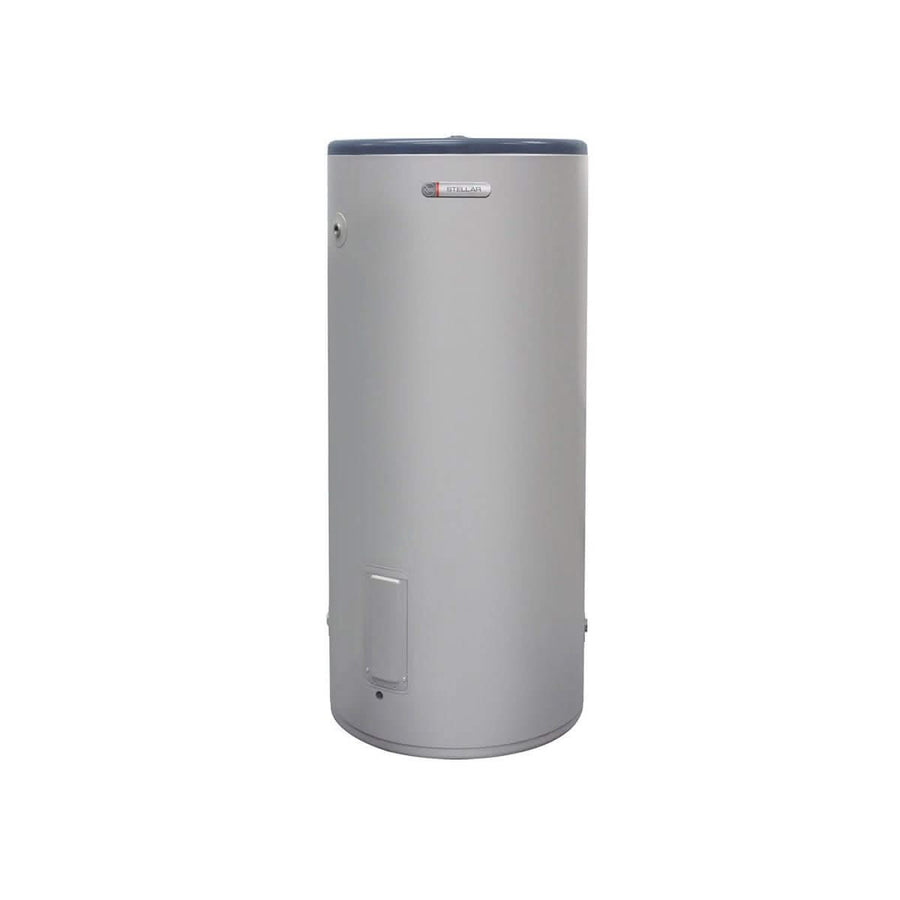
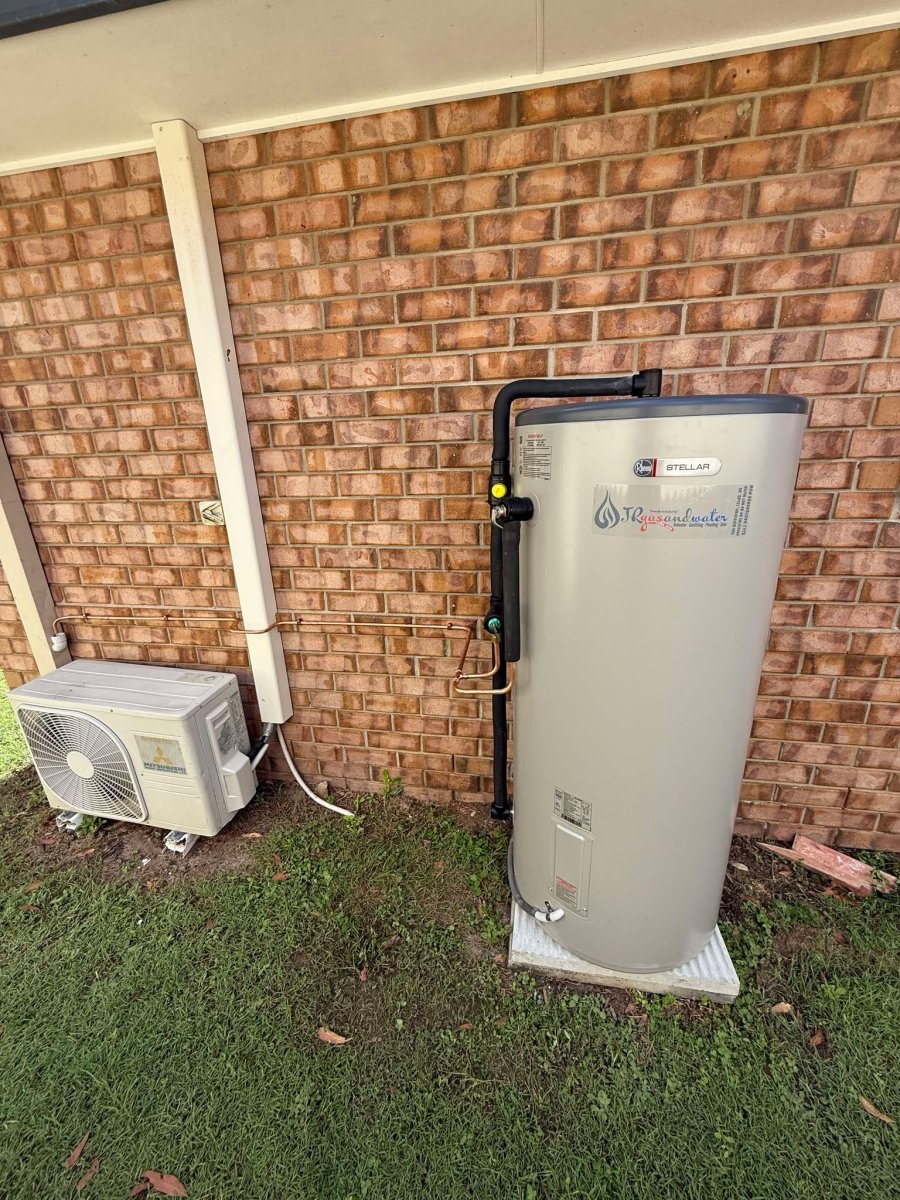
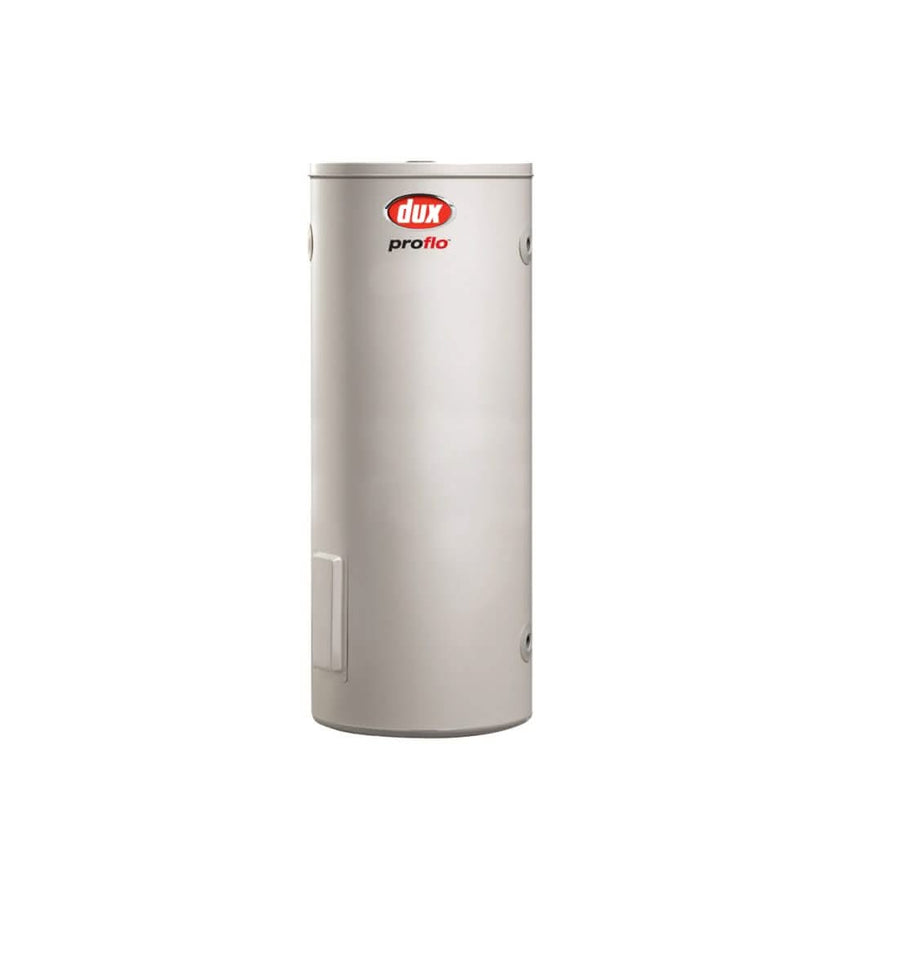
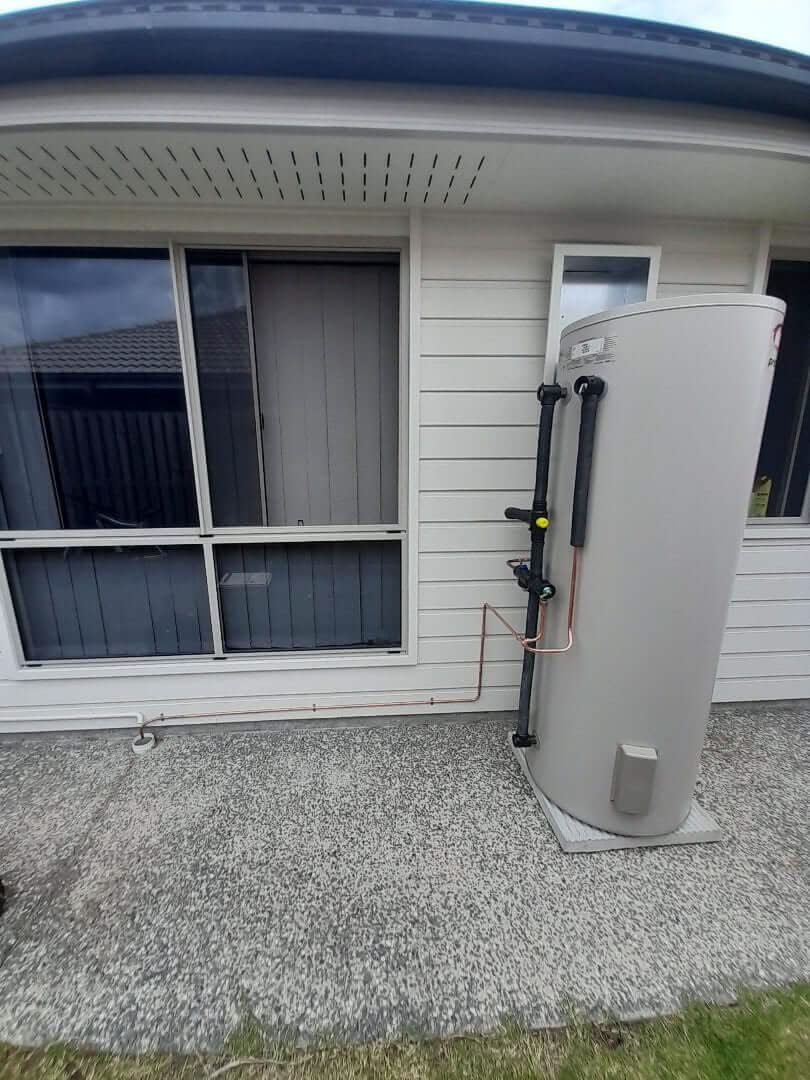
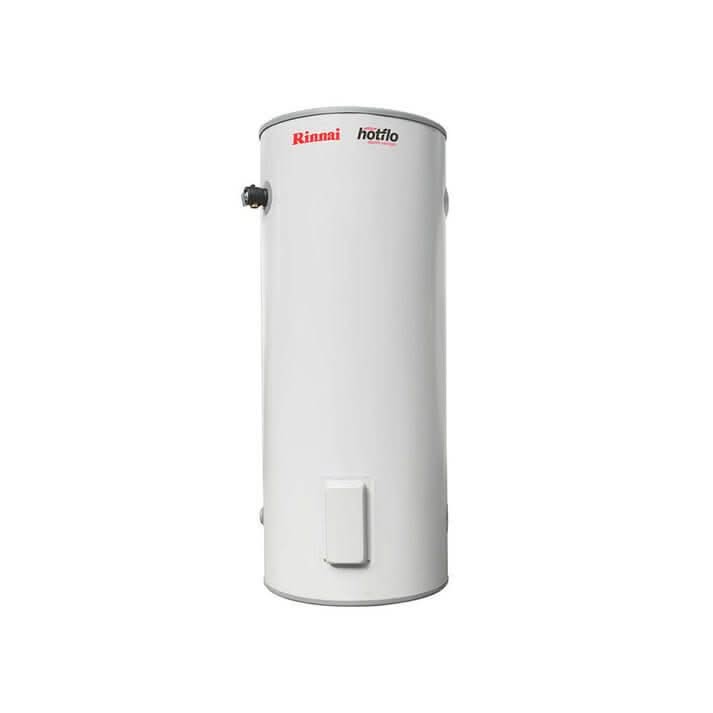
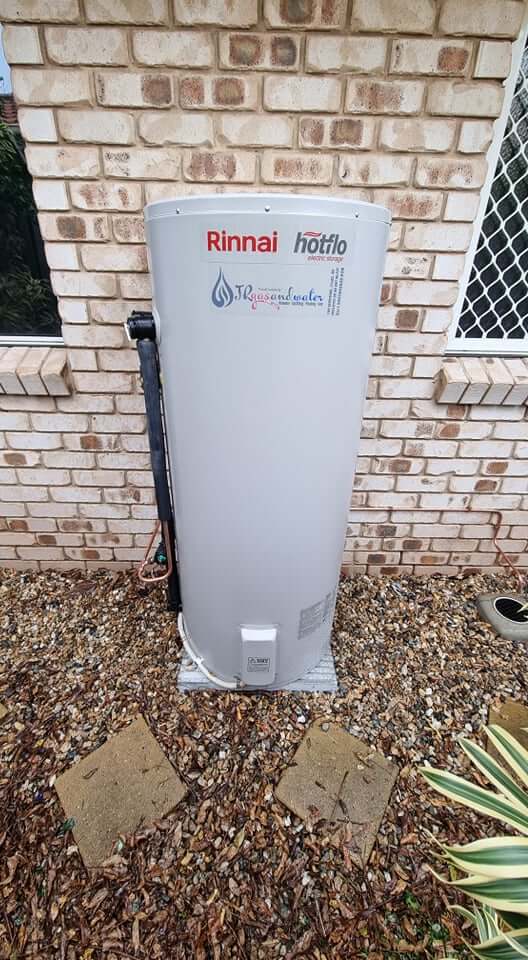
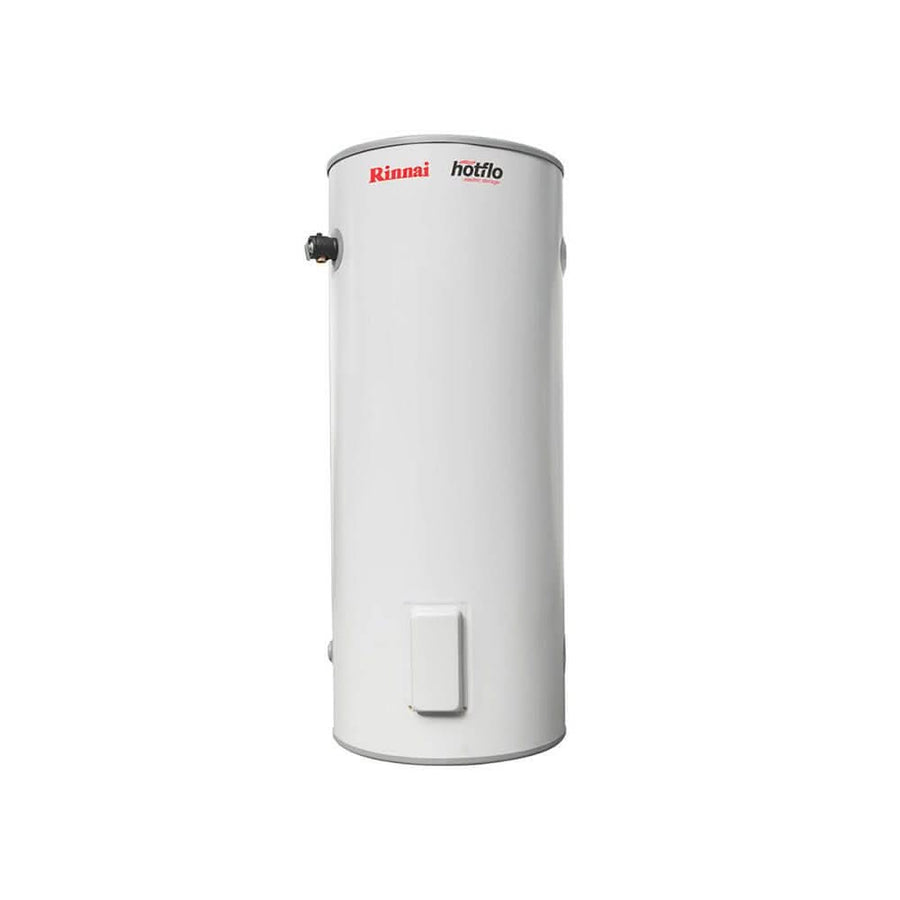
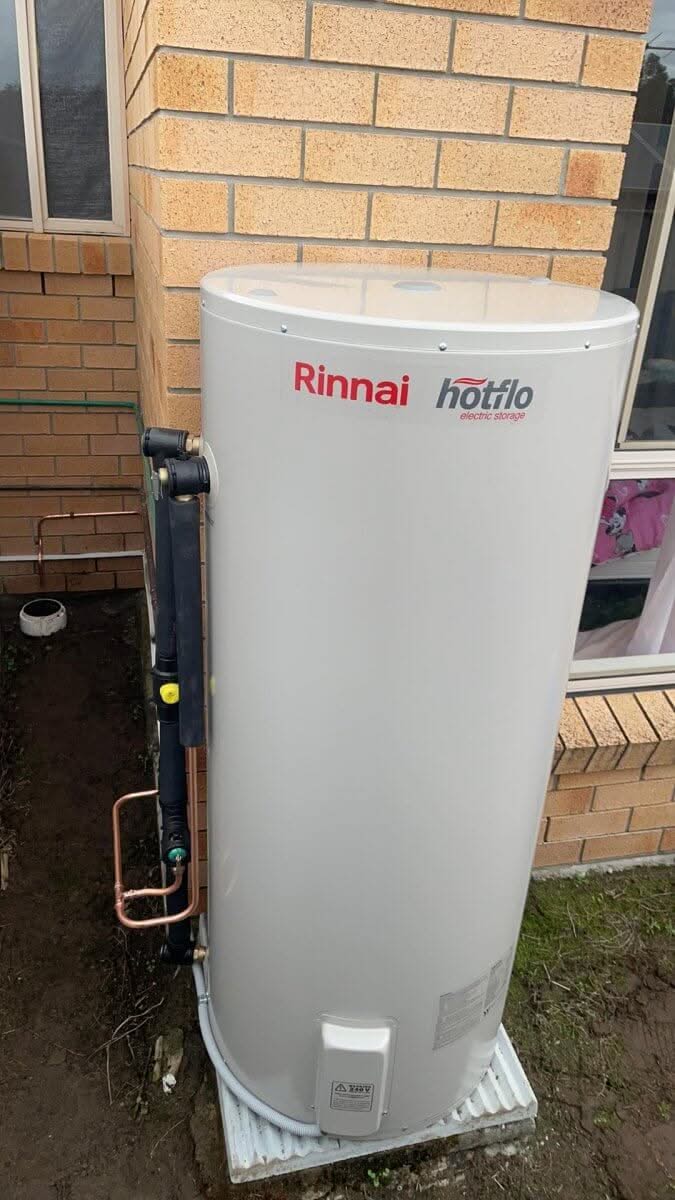
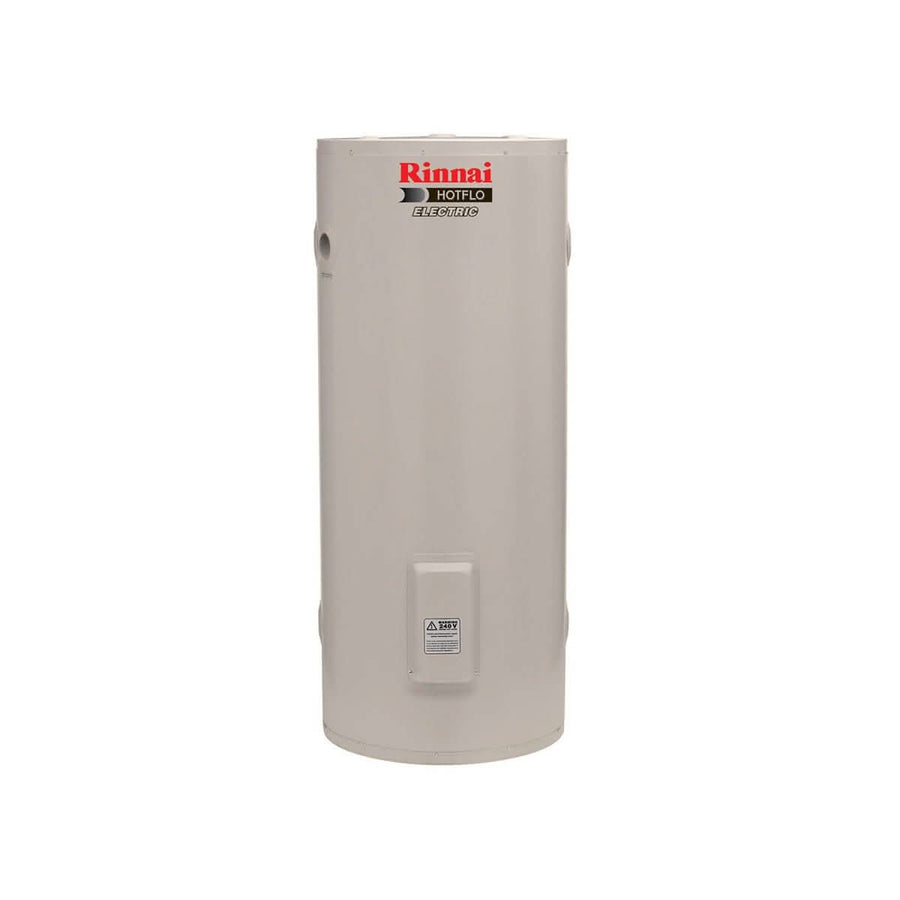
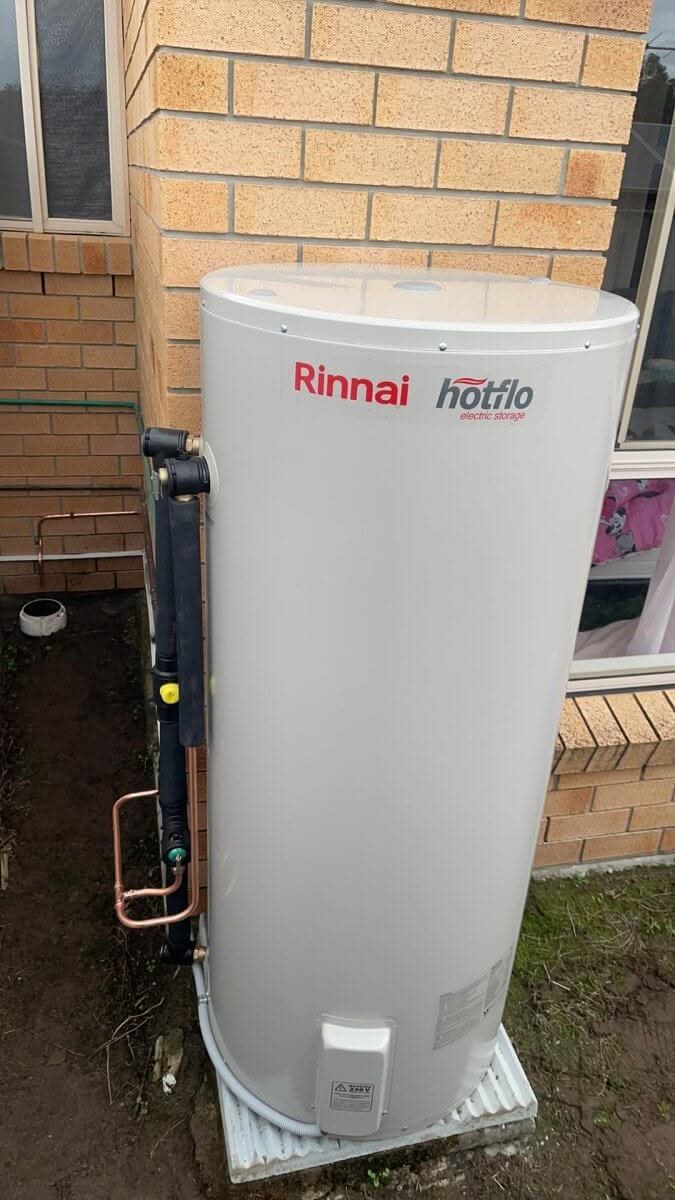
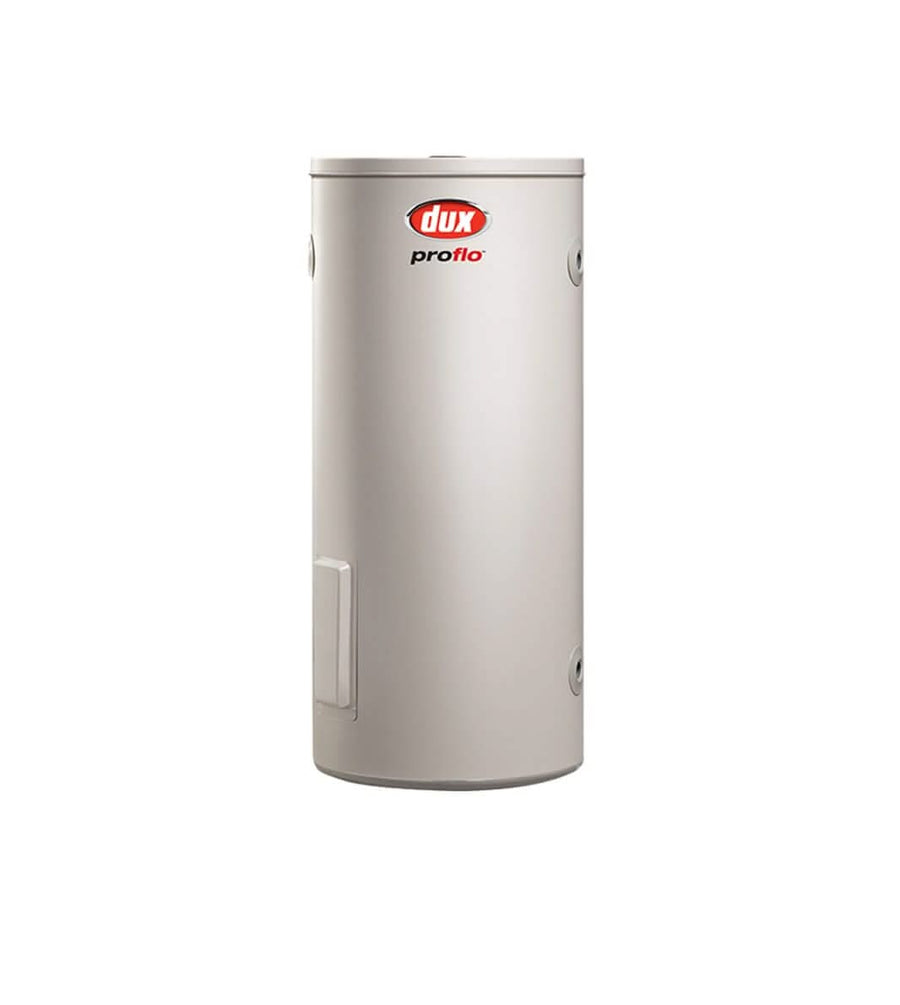
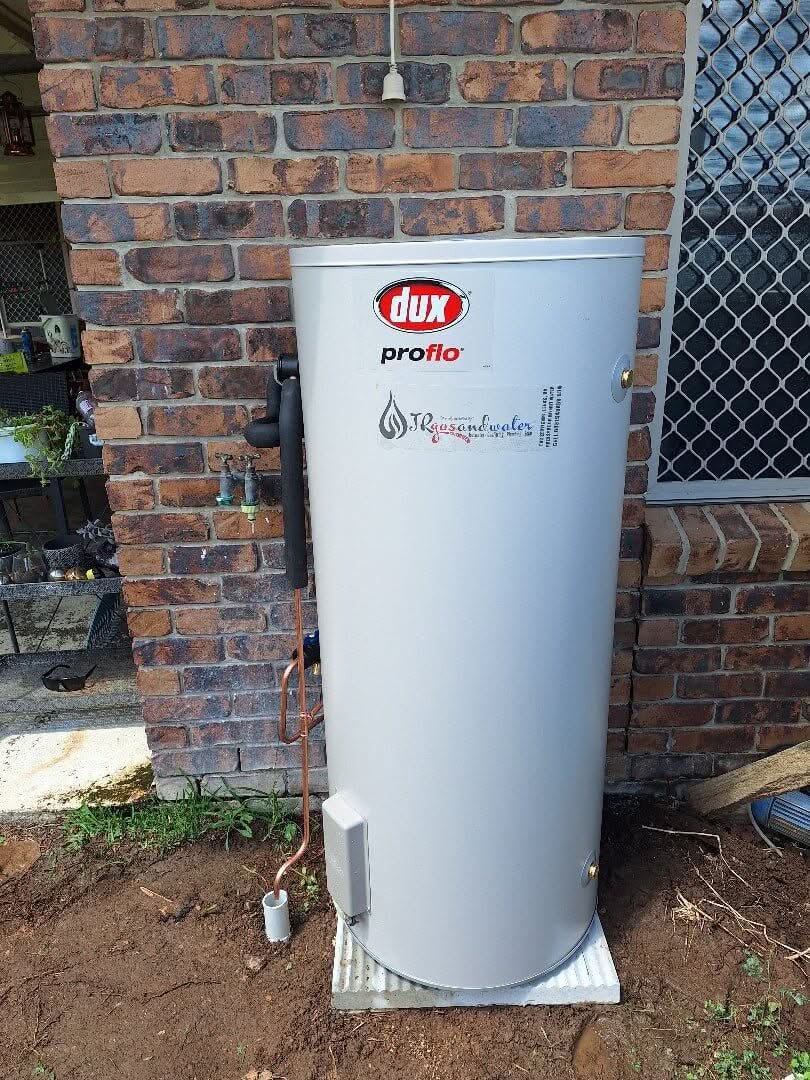
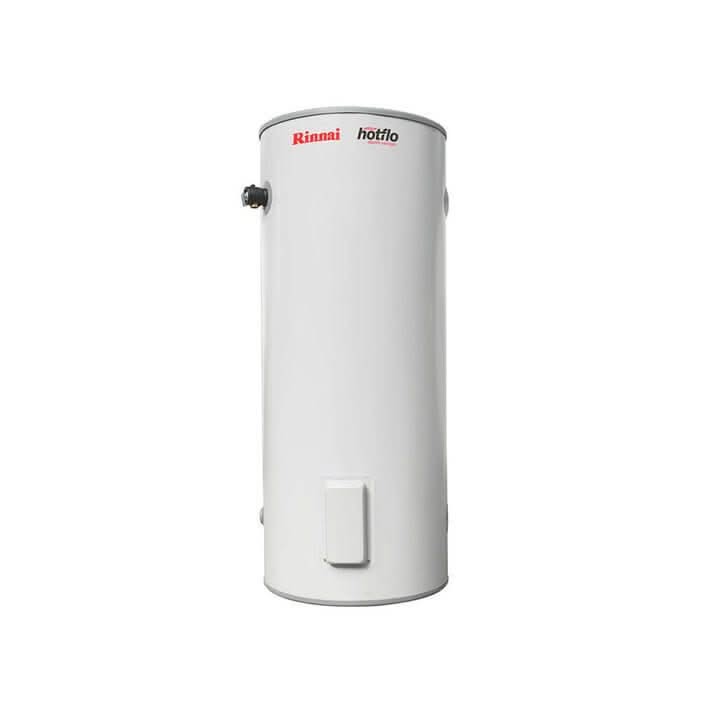
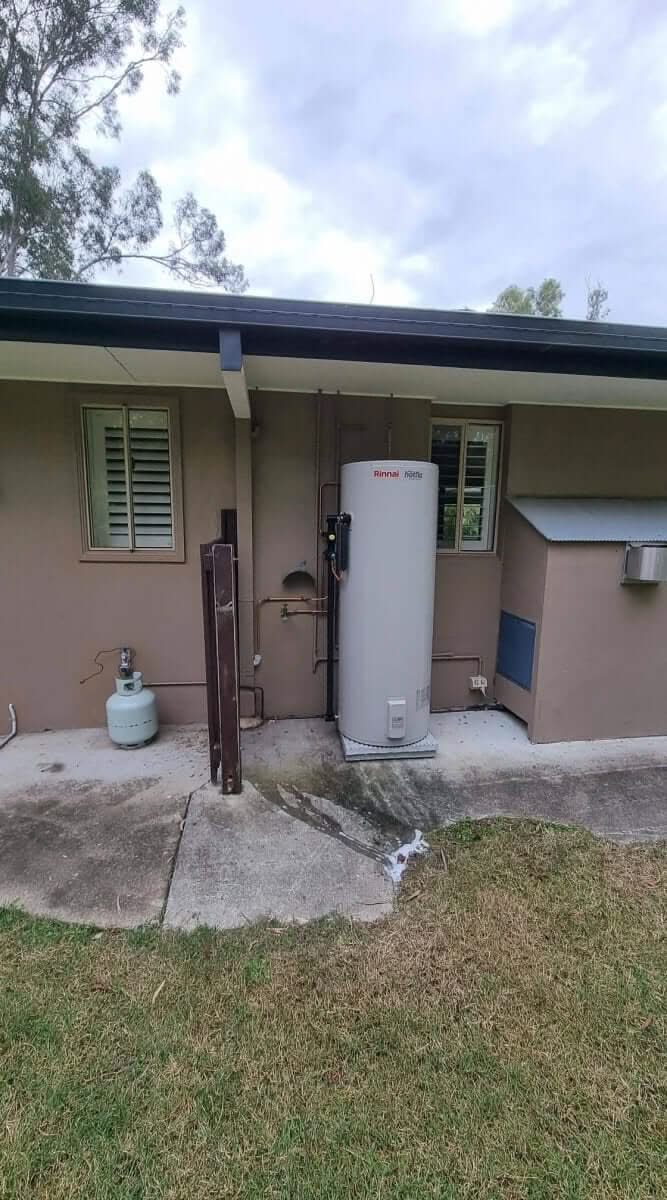
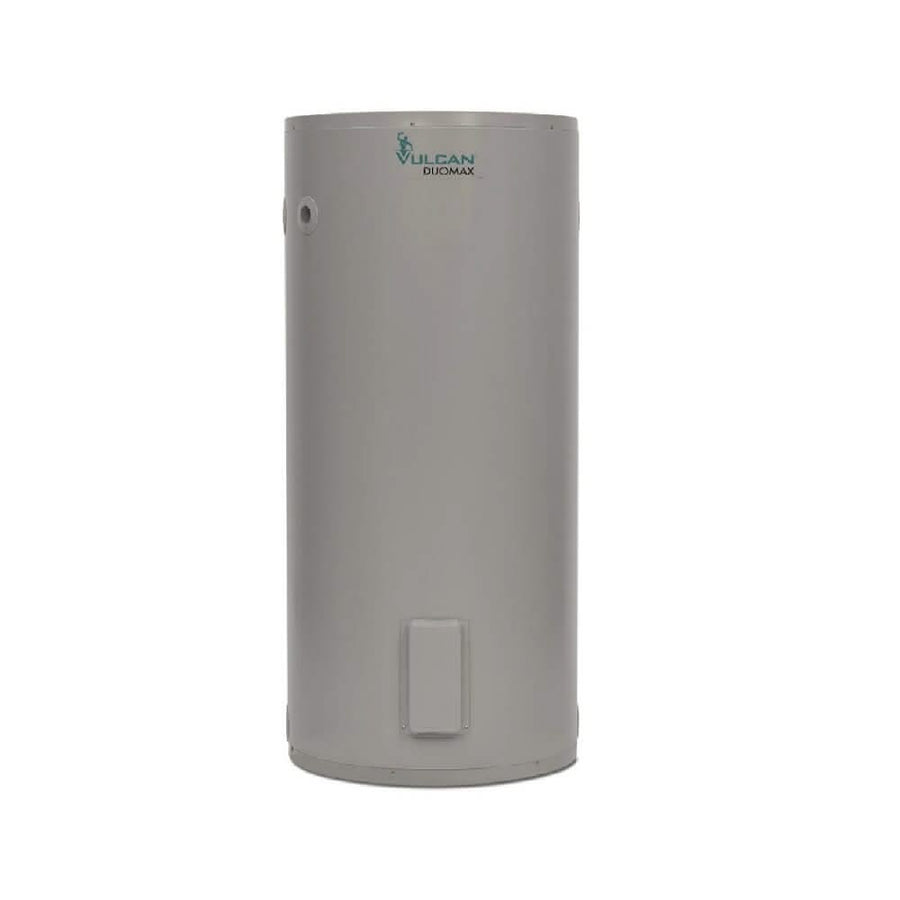
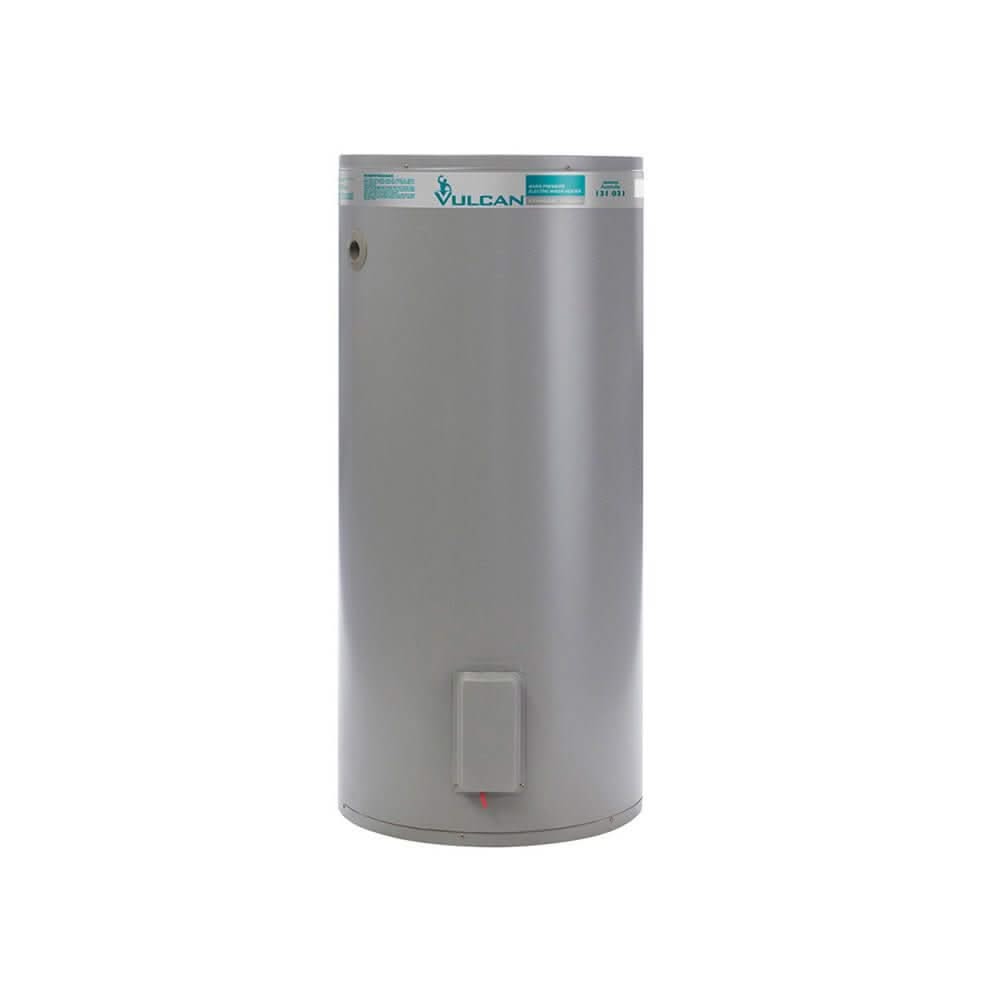
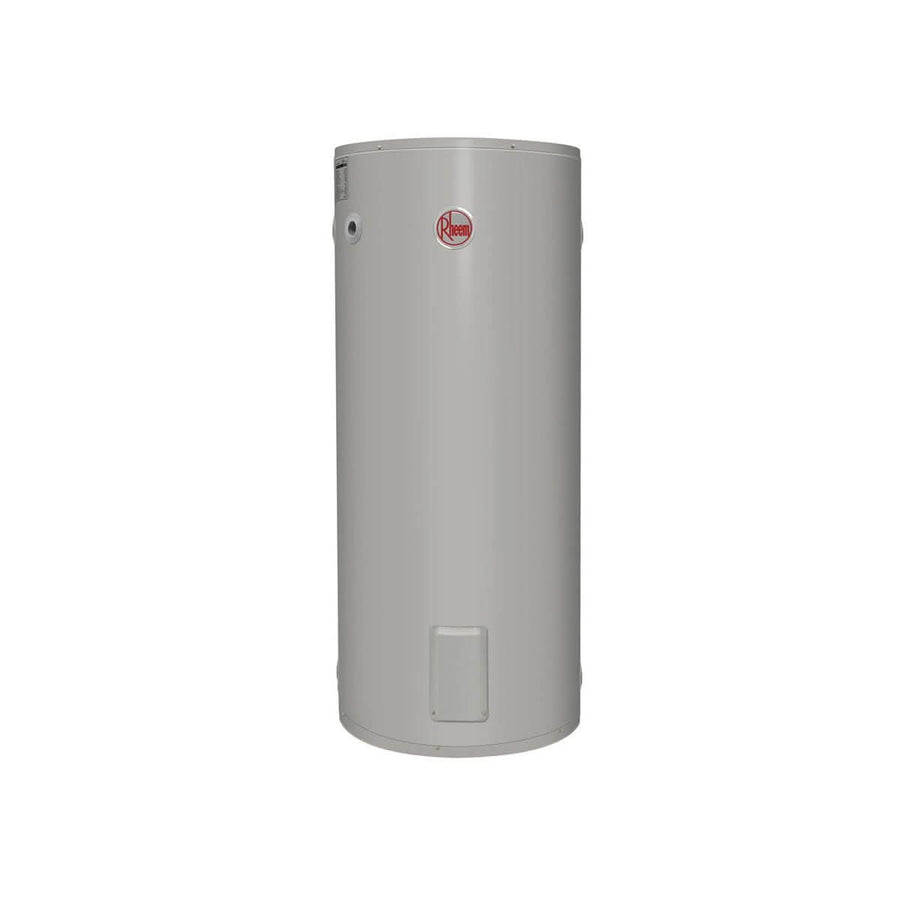
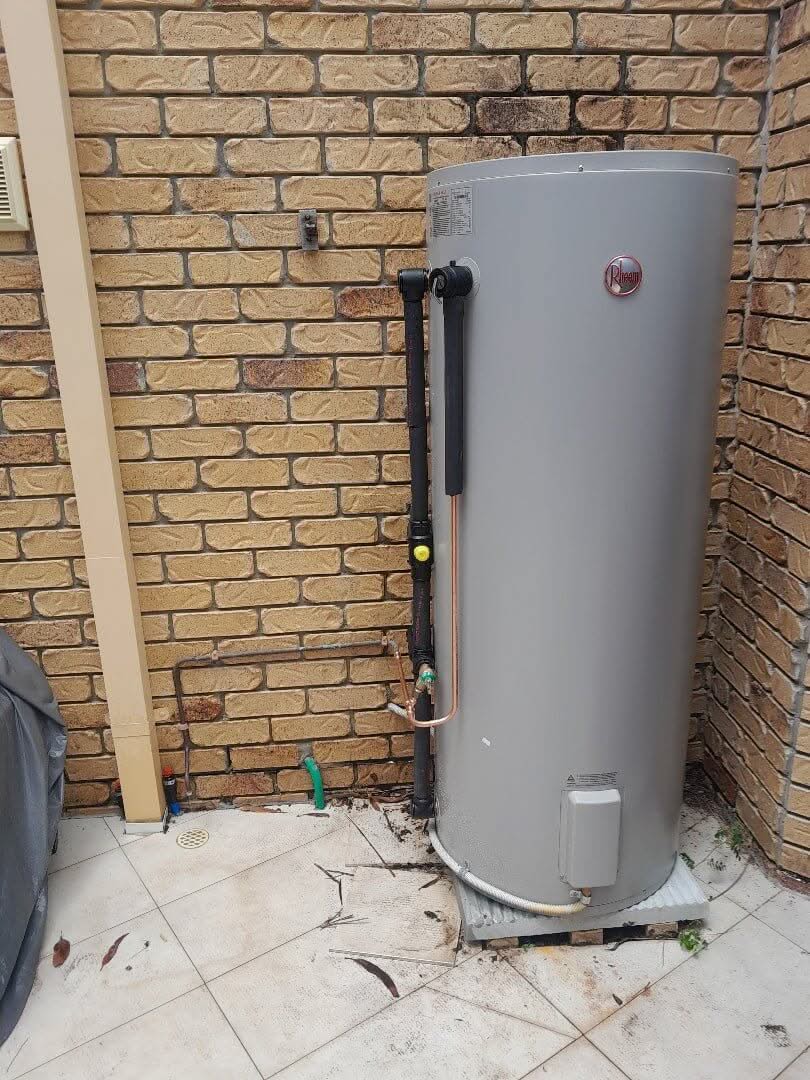
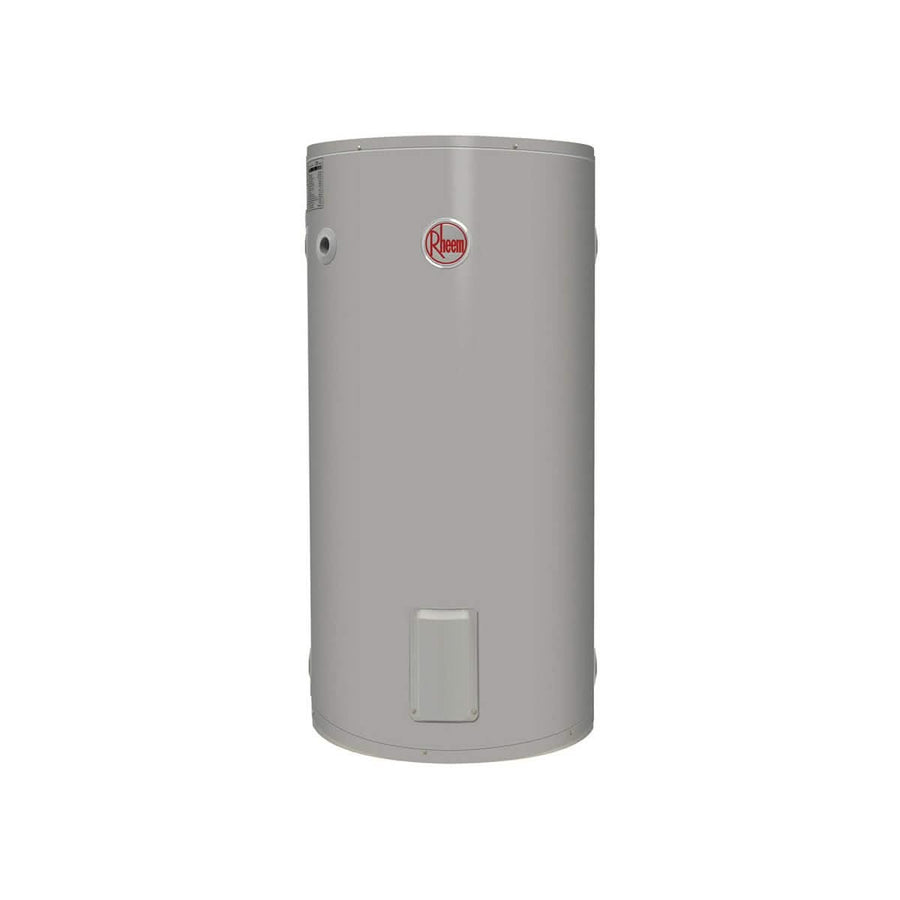
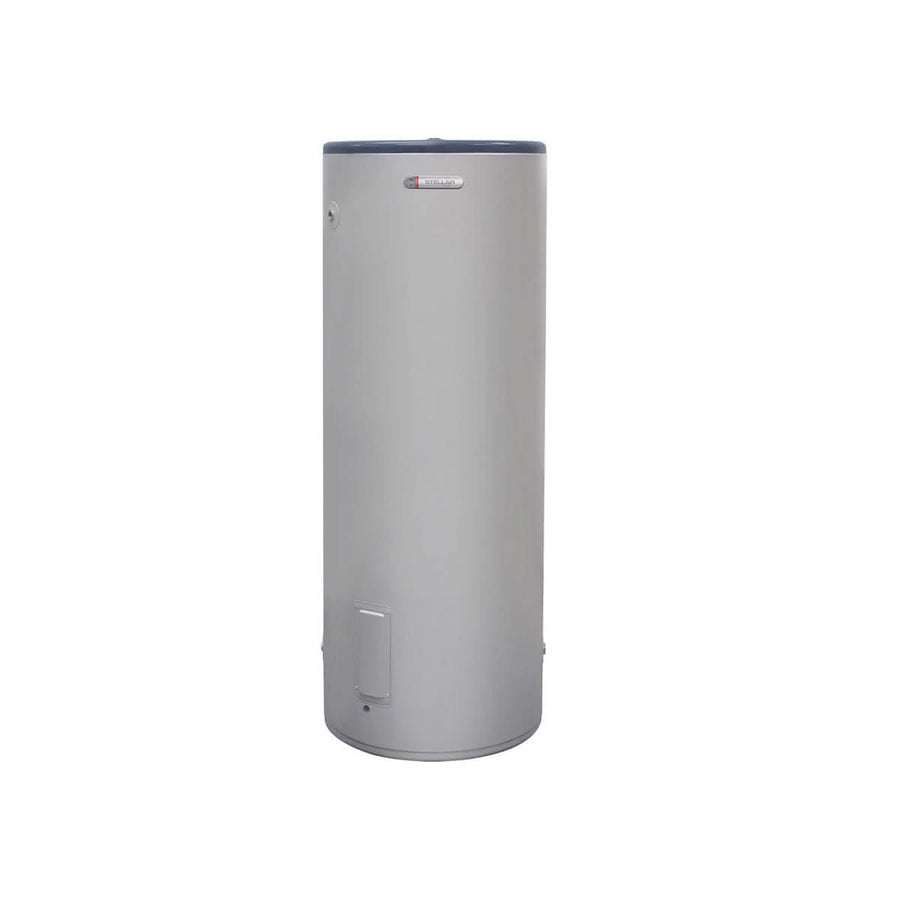
Electric hot water systems are common in Australian homes and are often compared for simple replacements. They use an electric element to heat water inside a storage tank.
Electric storage systems can suit:
-
Homes without natural gas or LPG
-
Like-for-like replacements
-
Rental properties
-
Small, medium and larger households
-
Homes already wired for electric storage hot water
-
Customers wanting a familiar tank-style system
Electric storage pricing is usually affected by:
-
Tank size
-
Brand
-
Element size
-
Indoor or outdoor suitability
-
Warranty details
-
Product availability
-
Delivery location
-
Installation access
-
Existing electrical supply
-
Valve and drainage requirements
Common size categories include 250L electric hot water systems, 315L electric hot water systems and 400L electric hot water systems.
Popular electric storage options include:
If the old electric system was already running out of hot water, do not automatically replace it with the same size. A cheap like-for-like replacement may repeat the same problem.
Gas Hot Water System Pricing
Gas hot water systems can suit homes already connected to natural gas or using LPG. Gas systems generally fall into two groups:
-
Gas storage hot water systems
-
Instant gas hot water systems
Gas hot water pricing is affected by:
-
Natural gas vs LPG model
-
Storage tank size
-
Instant gas flow rate
-
Brand
-
Efficiency rating
-
Outdoor or internal flued suitability
-
Gas pipe sizing
-
Water pressure
-
Existing gas connection
-
Electrical connection for ignition or controls
-
Valves, drainage and pipework condition
Gas work must be completed by a licensed gas fitter. Natural gas and LPG systems are not interchangeable, so the correct gas type must be selected before ordering.
Gas Storage Hot Water Pricing
Gas storage systems heat and store water in a tank. They can suit homes already using gas that want stored hot water ready for daily use.
Gas storage may suit homes that:
-
Already have natural gas or LPG
-
Prefer a tank-style system
-
Are replacing an existing gas storage unit
-
Want stored hot water ready for household use
-
Have suitable outdoor installation space
-
Have usage patterns that suit gas storage
Common gas storage categories include:
Popular gas storage options include:
Gas storage pricing can change depending on tank size, model, gas type, valve requirements and whether the installation is like-for-like.
Instant Gas Hot Water Pricing
Instant gas hot water systems, also called continuous flow hot water systems, heat water only when a hot tap is turned on. They do not store a full tank of hot water.
Instant gas pricing is usually affected by:
-
Flow rate
-
Brand
-
Natural gas or LPG model
-
Temperature controller options
-
Gas pipe sizing
-
Water pressure
-
Wall location
-
Outdoor clearance requirements
-
Whether the old unit was gas storage or instant gas
-
Whether electrical work is needed for ignition or controls
Instant gas systems are commonly compared in 16L, 20L and 26L sizes.
A larger unit is not automatically better. A 26L system can suit some higher-demand households, but only where gas pipe sizing and water pressure support the unit.
Popular instant gas options include:
External gas hot water units are designed for outdoor installation unless the specific manufacturer model is approved for internal flued installation.
Heat Pump Hot Water System Pricing
A heat pump hot water system is an electric hot water system that uses heat from the surrounding air to help heat stored water.
Heat pumps usually cost more upfront than basic electric storage systems, but they may reduce electricity use where the home suits the technology.
Heat pump pricing is affected by:
-
Brand
-
Tank capacity
-
Efficiency
-
Recovery rate
-
Noise level
-
Smart controls or Wi-Fi features
-
Product availability
-
Rebate or STC eligibility
-
Outdoor location
-
Airflow
-
Condensate drainage
-
Electrical requirements
-
Access and base condition
Heat pumps can suit homes that:
-
Are replacing older electric storage systems
-
Want to reduce hot water electricity use
-
Have suitable outdoor space
-
Have clear airflow around the unit
-
Can manage condensate drainage
-
Have suitable electrical supply
-
Want to pair hot water operation with rooftop solar where timing suits
A heat pump is not automatically the best option for every home. It needs airflow, drainage, access and sensible noise placement.
Many households compare medium heat pump hot water systems 200L–280L, while larger households may compare large heat pump hot water systems. Customers wanting smart features may also compare Wi-Fi enabled heat pump hot water systems.
Popular heat pump options include:
Solar Hot Water System Pricing
Solar hot water systems use roof-mounted collectors to capture heat from the sun and transfer it to stored water. Most systems include an electric or gas booster for cloudy days or high-demand periods.
Solar hot water pricing can be affected by:
-
Collector type
-
Tank size
-
Roof access
-
Roof orientation
-
Shading
-
Booster type
-
Pipework route
-
Existing system type
-
Old collector removal
-
Installation complexity
-
Maintenance requirements
-
Rebate or incentive eligibility
Solar hot water may suit homes with:
-
Suitable roof space
-
Good sun exposure
-
Minimal shading
-
Suitable roof orientation
-
Long-term energy efficiency goals
-
A suitable electric or gas booster setup
Solar can be efficient where roof conditions suit, but it is not always the simplest replacement. For some homes, heat pump hot water may be easier to compare because it does not require roof-mounted collectors.
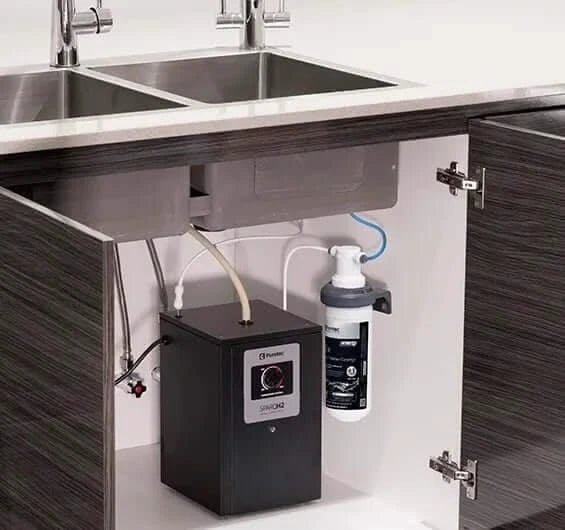
Instant Electric Hot Water Pricing
Instant electric hot water systems heat water on demand using electric heating elements.
They may suit:
-
Small sinks
-
Offices
-
Kitchenettes
-
Granny flats
-
Low-demand fixtures
-
Point-of-use hot water
-
Space-limited applications
Instant electric pricing can be affected by:
-
Unit size
-
Flow rate
-
Electrical capacity
-
Circuit requirements
-
Switchboard suitability
-
Intended use
-
Plumbing location
-
Whether a dedicated circuit is required
Instant electric systems can require significant electrical capacity. They are not always suitable for whole-home shower demand. A licensed electrician or installer should confirm whether the property can support the selected unit before ordering.
Product Price vs Installed Cost
When comparing hot water system pricing, separate the product price from the installed cost.
Product Price
The product price usually refers to the unit itself.
It may include:
-
The hot water system
-
Factory-supplied parts
-
Standard packaging
-
Delivery where shown or included
Installed Cost
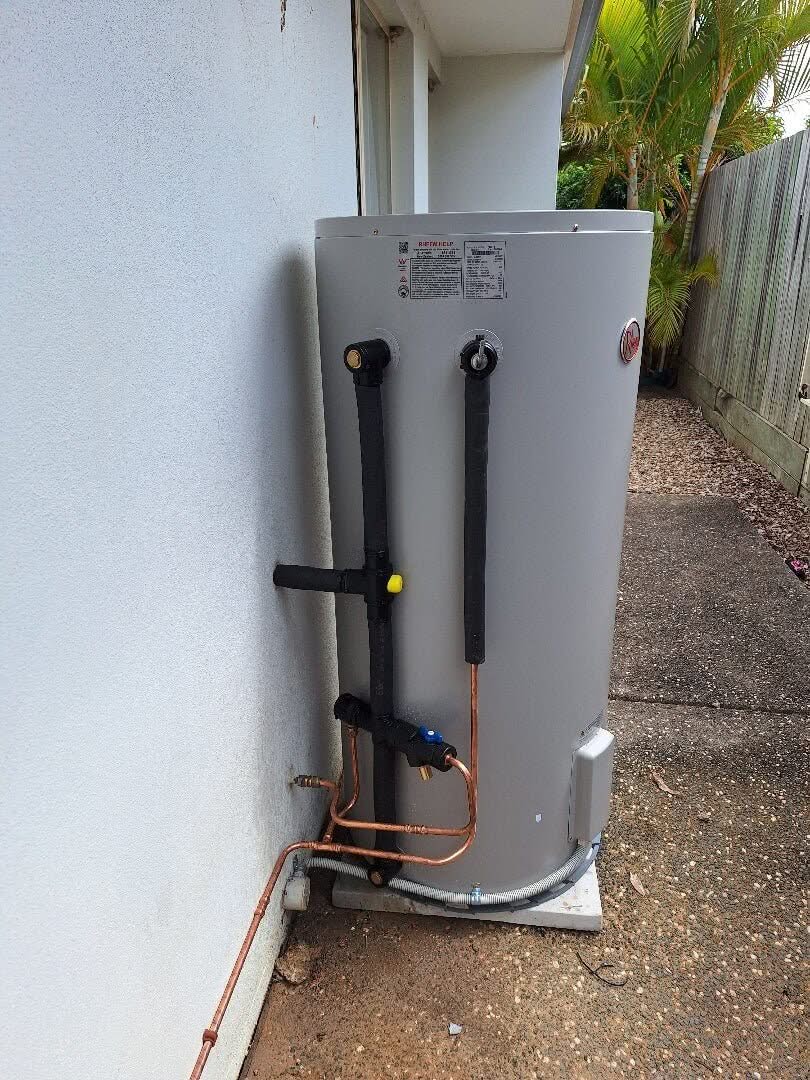
Installed cost may include:
-
Product
-
Labour
-
Plumbing work
-
Electrical work
-
Gas work
-
Valves
-
Pipework
-
Drainage
-
Condensate drainage for heat pumps
-
Old unit removal
-
Disposal
-
Compliance upgrades
-
Slab or base work
-
Rebate or STC processing where applicable
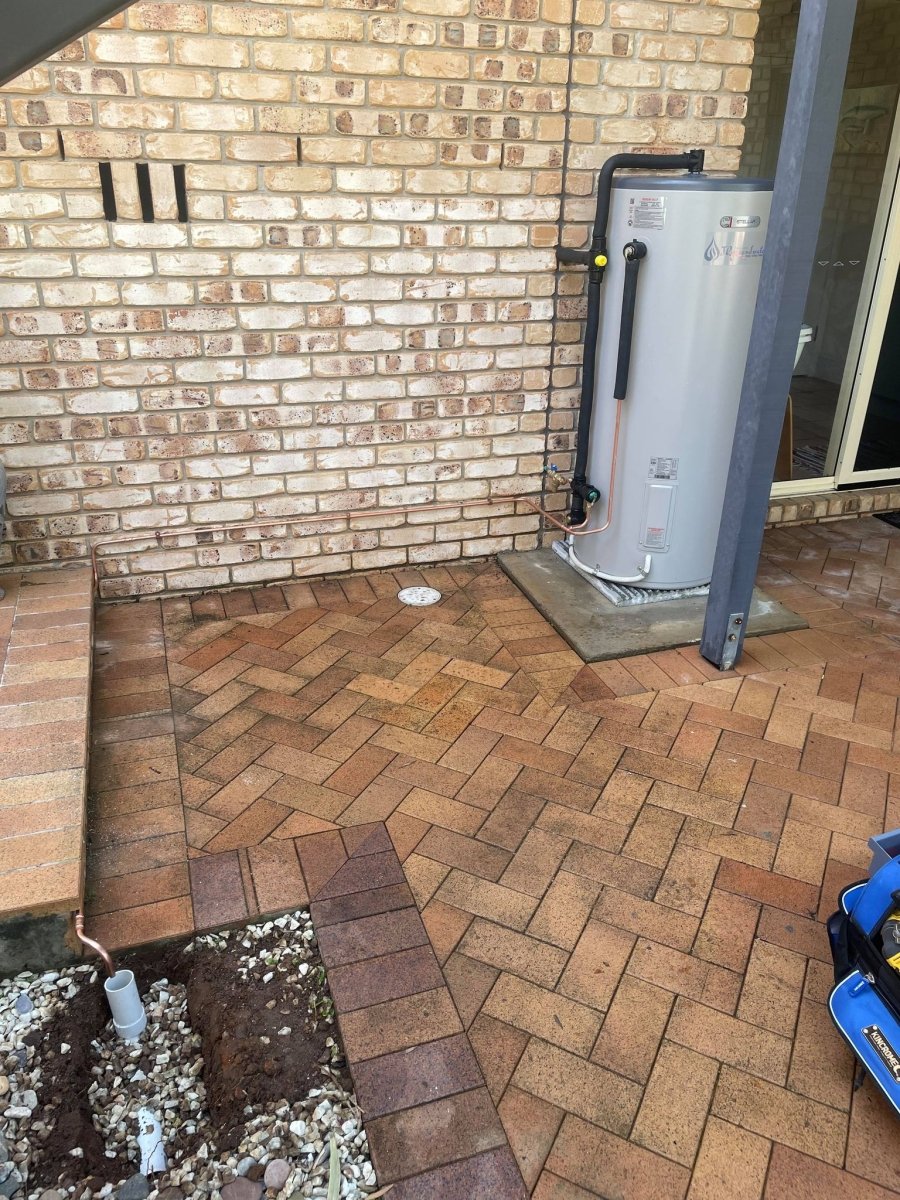
A low product price does not always mean a low final cost if the property needs extra work.
Supply-Only Hot Water System Pricing
Supply-only pricing generally means the listed price covers the product only. This can suit customers who already have a licensed installer organised and want to order online.
Supply-only may suit you if:
-
Your installer has confirmed the correct product
-
The system size suits your household
-
The correct gas type has been selected where relevant
-
Electrical requirements have been checked
-
Water pressure has been reviewed
-
Access and drainage are suitable
-
You understand what is not included in the product price
Supply-only pricing usually does not include:
-
Installation labour
-
New valves
-
Electrical work
-
Gas work
-
Plumbing alterations
-
Pipework changes
-
Drainage changes
-
Tempering valve upgrades
-
Pressure limiting valve upgrades
-
Expansion control valves
-
Condensate drainage for heat pumps
-
Old unit removal
-
Disposal
-
Compliance upgrades
-
Concrete bases or slab work
-
Relocation of the system
-
Rebate administration
-
Site assessment
Always confirm full site requirements before ordering supply only.
Supplied-and-Installed Hot Water System Pricing
Selected supplied-and-installed options are available on eligible products in Brisbane and Gold Coast service areas. Availability depends on the product, address and installation requirements.
Before choosing a supplied-and-installed option, check:
-
Whether your address is eligible
-
Whether the selected product is eligible
-
Whether the install is like-for-like
-
What valves are included or extra
-
Whether electrical work is included or extra
-
Whether gas work is included or extra
-
Whether old unit removal is included
-
Whether disposal is included
-
Whether pipework changes are included
-
Whether drainage changes are included
-
Whether compliance upgrades may be extra
-
Whether rebates or STCs are included, excluded or handled separately
Do not assume every product or every location has an installed option.
Installation Costs That Can Affect Hot Water System Pricing
Installation costs can change significantly depending on the property and system type.
Common installation price factors include:
-
Like-for-like replacement vs system change
-
Existing system type
-
New system type
-
Indoor vs outdoor location
-
Tight access
-
Stairs or difficult delivery path
-
Old valve condition
-
Tempering valve requirements
-
Pressure limiting valve requirements
-
Expansion control valve requirements
-
Drainage and overflow points
-
Electrical supply
-
Gas pipe sizing
-
Water pressure
-
Pipework route
-
Condensate drainage for heat pumps
-
Old unit removal
-
Disposal
-
Non-compliant existing installation
-
Base or slab condition
-
Relocation of the system
This is why supply-only customers should speak with their licensed installer before ordering.
Running Costs and Long-Term Value
Hot water system pricing is not just about the purchase price. Running cost can affect long-term value.
Running costs depend on:
-
Energy source
-
Household hot water use
-
Number of people in the home
-
Shower habits
-
System size
-
Tariff setup
-
Natural gas or LPG pricing
-
Heat pump location
-
Solar timing
-
Maintenance
-
Water temperature settings
-
Pipework distance
-
Installation quality
A lower upfront product price may not be the lowest-cost option over time. A heat pump or solar-style system may cost more upfront but may reduce energy use where the property suits the technology.
Electric vs Gas vs Heat Pump vs Solar Pricing
| System Type | Upfront Product Cost | Running Cost Potential | Best Suited To | Key Checks |
|---|---|---|---|---|
| Electric storage | Often lower | Depends on tariff and usage | Simple replacements and homes without gas | Tank size, electrical supply, drainage |
| Gas storage | Moderate | Depends on gas type and usage | Homes with natural gas or LPG wanting stored hot water | Correct gas type, outdoor location |
| Instant gas | Moderate | Can suit homes with suitable gas supply | Continuous flow hot water | Gas pipe sizing, water pressure, gas type |
| Instant electric | Varies | Depends on usage and electrical setup | Small point-of-use applications | Electrical capacity, circuit requirements |
| Heat pump | Usually higher | Can reduce electricity use in suitable homes | Energy-focused homes with suitable outdoor space | Airflow, drainage, noise, electrical supply |
| Solar hot water | Often higher | Can reduce grid energy use where roof conditions suit | Homes with suitable roof space | Roof orientation, shading, booster setup |
The best option depends on the home, not just the price tag.
Household Size and Hot Water Pricing
Household size affects the type and size of system needed.
Small Households
Small households may compare:
-
Smaller electric storage systems
-
16L instant gas systems where gas supply suits
-
Compact instant electric systems for point-of-use needs
-
Selected heat pumps if outdoor space and airflow suit
Avoid oversizing unless household demand is expected to increase.
Medium Households
Medium households may compare:
-
250L electric storage
-
315L electric storage
-
Medium heat pump systems
-
20L instant gas
-
26L instant gas where site supports it
-
Gas storage where natural gas or LPG is available
The right option depends on shower habits, bathrooms and peak demand.
Larger Households
Larger households may compare:
-
315L electric storage
-
400L electric storage
-
Larger heat pump systems
-
26L instant gas where gas pipe sizing and water pressure support it
-
Larger gas storage options
Do not choose the largest system automatically. The system must suit the property and household demand.
Tank Size and Pricing
For storage systems, tank size is a major price factor. Larger tanks usually cost more than smaller tanks, but size should be chosen based on demand.
When choosing tank size, consider:
-
Number of people in the home
-
Number of bathrooms
-
Shower length
-
Bath use
-
Laundry use
-
Kitchen use
-
Morning and evening peak demand
-
Whether multiple showers run at once
-
Existing system size
-
Whether the old system ran out of hot water
-
Recovery rate
-
Available installation space
For electric storage, common categories include 250L, 315L and 400L.
For heat pumps, common comparison ranges include 200L–280L and 280L-plus.
For gas storage, common categories include 130/135L and 160/170L.
Flow Rate and Instant Gas Pricing
For instant gas systems, pricing is often linked to flow rate. Common sizes include 16L, 20L and 26L.
A 16L system may suit lower-demand homes. A 20L system may suit moderate demand. A 26L system may suit some larger households, but only where gas pipe sizing and water pressure support the unit.
Before ordering instant gas, confirm:
-
Natural gas or LPG supply
-
Correct gas type
-
Required flow rate
-
Gas pipe sizing
-
Water pressure
-
Number of bathrooms
-
Peak shower demand
-
Outdoor wall location
-
Clearances around the unit
-
Electrical connection requirements where relevant
A larger flow rate can cost more and may create extra installation requirements.
Natural Gas vs LPG Pricing
Natural gas and LPG hot water systems are different. They are not interchangeable.
Pricing can vary between natural gas and LPG models depending on the brand, product availability and model type. Running costs can also vary depending on local gas pricing, bottle supply and household usage.
Before ordering any gas system, confirm:
-
Whether the property uses natural gas or LPG
-
Correct model for the gas type
-
Whether any conversion is manufacturer-approved
-
Whether a licensed gas fitter is available
-
Gas pipe sizing
-
Water pressure
-
Outdoor location and clearances
Ordering the wrong gas type can make the unit unsuitable.
Rebates, STCs and Incentives
Some hot water systems, especially heat pumps and solar-style upgrades, may be eligible for rebates, STCs or other incentives depending on the product, location, supplier pathway and current program rules.
These incentives can change.
Before relying on a rebate or discount, confirm:
-
Whether the selected product qualifies
-
Whether your property qualifies
-
Whether the old system type matters
-
Whether your state or territory has a relevant program
-
Whether supply-only purchases are eligible
-
Whether an approved provider or installer is required
-
Whether pre-approval is needed
-
Whether the incentive is applied upfront or claimed later
-
Whether the rebate or STC value is already included in the price
A rebate can improve value, but it should not be the only reason you choose a system. The system still needs to suit the home.
Maintenance Costs and Long-Term Performance
Hot water systems need maintenance to perform safely and reliably. Maintenance requirements vary by system type, water quality, model and installation location.
General maintenance considerations include:
-
Checking for leaks
-
Watching for rust or corrosion
-
Keeping the area around the unit clear
-
Following manufacturer servicing guidance
-
Checking valves where required
-
Checking the anode where applicable
-
Keeping heat pump airflow clear
-
Checking condensate drainage for heat pumps
-
Using a licensed gas fitter for gas systems
-
Using a licensed electrician for electrical faults
Ignoring maintenance can affect performance, lifespan and long-term cost.
Brand Differences and Pricing
Brand can affect hot water system pricing, but the right brand depends on the product type, household demand and installation conditions.
Installed Today stocks major hot water brands including:
Brand matters, but system type, size, energy source, water pressure, access and site suitability matter more than brand alone.
Brisbane and Gold Coast Hot Water Pricing Considerations
For Brisbane and Gold Coast homes, hot water pricing often depends on the existing system, access, drainage, energy source and installation pathway.
Common local considerations include:
-
Replacing older electric storage systems
-
Comparing electric storage with heat pump upgrades
-
Natural gas vs LPG availability
-
Outdoor wall space for instant gas
-
Heat pump airflow and noise placement
-
Condensate drainage
-
Tight side access
-
Existing valve condition
-
Old unit removal and disposal
-
Whether the selected product is eligible for supplied-and-installed options
Installed Today offers selected supplied-and-installed options on eligible products in Brisbane and Gold Coast service areas, with supply-only ordering available across major Australian metro areas.
How to Compare Hot Water System Pricing Properly
When comparing prices, avoid comparing product-only pricing against installed pricing.
A better comparison includes:
-
Product price
-
Delivery
-
Installation labour
-
Electrical work
-
Gas work
-
Plumbing alterations
-
Valves
-
Drainage
-
Old unit removal
-
Disposal
-
Rebate or STC handling
-
Running cost potential
-
Warranty terms
-
Maintenance requirements
-
Suitability for your household
The lowest product price may not be the lowest total cost.
Common Mistakes When Comparing Hot Water System Pricing
Comparing Supply-Only and Installed Pricing
A supply-only product price is not the same as a complete installed price.
Choosing the Cheapest Unit Only
A cheaper system may cost more long term if it is undersized, inefficient or unsuitable.
Replacing the Same Size Without Checking Demand
If the old system ran out of hot water, the same size may not be enough.
Ignoring Gas Type
Natural gas and LPG systems are different. Always choose the correct gas model.
Choosing 26L Instant Gas Without Checking the Site
A 26L system needs suitable gas pipe sizing and water pressure.
Choosing Heat Pump Without Checking Location
Heat pumps need clear airflow, condensate drainage, access, electrical suitability and sensible noise placement.
Assuming Rebates Are Guaranteed
Rebates, STCs and incentives can change and may depend on supplier, installer, product and location.
Forgetting About Valves and Drainage
Valve upgrades, overflow points and drainage changes can affect the final cost.
Before Ordering Checklist
Before ordering a hot water system, confirm:
-
Current system type
-
Current system size
-
Whether the old system ran out of hot water
-
Number of people in the home
-
Number of bathrooms
-
Shower habits
-
Peak hot water demand
-
Electric, natural gas or LPG availability
-
Correct gas type where relevant
-
Electrical requirements
-
Gas pipe sizing for instant gas
-
Water pressure
-
Heat pump airflow and drainage
-
Outdoor or indoor suitability
-
Access for delivery and installation
-
Drainage and overflow requirements
-
Whether new valves may be needed
-
Whether old unit removal is included
-
Whether disposal is included
-
Whether rebates or STCs may apply
-
Whether supply-only affects rebate eligibility
-
Whether supply-only or supplied-and-installed is the right option
-
Installer confirmation before buying supply only
Frequently Asked Questions
What affects hot water system pricing?
Hot water system pricing is affected by system type, size, brand, energy source, gas type, installation requirements, access, valves, drainage, electrical work, gas work, old unit removal, disposal and rebate eligibility.
What is the cheapest hot water system upfront?
Electric storage is often one of the lower upfront product-cost options, but running costs depend on tariff, household usage and tank size.
Are heat pump hot water systems more expensive?
Heat pumps usually cost more upfront than basic electric storage systems, but they may reduce electricity use in suitable homes with good outdoor airflow, drainage and electrical setup.
Is gas hot water cheaper than electric?
It depends on natural gas or LPG pricing, household usage, system type and installation conditions. Gas can suit homes already set up for gas, while electric or heat pump systems may suit homes without gas.
Does supply-only pricing include installation?
No. Supply-only generally means the product only unless installation is selected or clearly shown. Installation, valves, electrical work, gas work, pipework, drainage, removal, disposal and compliance upgrades are usually separate.
Why do hot water installation costs vary?
Installation costs vary because each property is different. Access, existing valves, electrical supply, gas pipe sizing, drainage, system relocation, old unit removal and compliance upgrades can all affect cost.
Are hot water system rebates available?
Some heat pump and solar-style systems may be eligible for rebates, STCs or incentives depending on product, location and current program rules. Eligibility can change, so check before ordering.
Do supply-only systems qualify for rebates?
Not always. Some rebate pathways require approved suppliers or installers. Confirm eligibility before buying supply only if a rebate is important to your budget.
What size hot water system do I need?
The right size depends on the number of people in the home, bathrooms, shower habits, bath use, peak demand and whether the old system ran out of hot water.
Can I install a hot water system myself?
No. Hot water systems involve plumbing, gas, electrical work, water pressure, valves, drainage and compliance requirements. Use licensed trades where required.
Final Word
Hot water system pricing depends on more than the product on the page. Electric, gas, instant gas, heat pump and solar systems all have different product costs, installation requirements and running cost potential.
The best-value system is the one that suits your household demand, energy source, installation location and long-term goals. A cheap product can become expensive if it is the wrong size, wrong gas type or unsuitable for the property. A more expensive system can be worthwhile if it reduces energy use and suits the home properly.
Before ordering supply only through Installed Today, confirm the selected system with your licensed installer. If choosing a supplied-and-installed option in an eligible Brisbane or Gold Coast service area, check exactly what is included before placing the order.