
Solar Water Heating System Cost: What to Budget Before Choosing Solar, Heat Pump, Electric or Gas Hot Water
Solar water heating system cost can vary significantly depending on the system type, roof layout, tank size, booster setup, installation access, plumbing requirements and whether an old system needs to be removed. Solar hot water can be a strong option for some homes, but it is not always the simplest or most cost-effective replacement.
Before choosing solar hot water, it is worth comparing it with heat pump hot water systems, electric hot water systems, gas hot water systems and instant gas hot water systems. The right option depends on your household size, bathrooms, roof conditions, sun exposure, energy source, budget and installation requirements.
Installed Today makes it easy to compare and order hot water systems online, with supply-only ordering available across major Australian metro areas and selected supplied-and-installed options available on eligible products in Brisbane and Gold Coast service areas.
Quick Answer: How Much Does a Solar Water Heating System Cost?
Solar water heating system cost depends on the type of system, storage tank, collectors, booster, roof access and installation complexity. Solar hot water usually costs more upfront than a simple like-for-like electric or gas storage replacement because it can involve roof-mounted collectors, additional pipework, booster connections and more complex installation.
As a general guide:
-
Solar hot water usually has a higher upfront cost than standard electric or gas storage
-
Flat-plate solar collectors can be simpler than evacuated tube systems
-
Evacuated tube systems can be more complex and may cost more
-
Split solar systems can cost more than roof-mounted close-coupled systems
-
Electric or gas boosting affects final cost and running cost
-
Roof access, shading, orientation and structural suitability matter
-
Old solar collector removal can add cost
-
Rebates, STCs and incentives can change
-
Heat pump hot water may be a practical alternative where solar roof conditions are poor
Before ordering any hot water system supply only, confirm product suitability, installation requirements and full site costs with your licensed installer.
What Is a Solar Water Heating System?
A solar water heating system uses roof-mounted collectors to capture heat from the sun and transfer that heat into water stored in a tank. Most solar hot water systems also include a booster so the home still has hot water during cloudy weather, high-demand periods or lower solar gain.
A solar hot water setup may include:
-
Solar collectors
-
Hot water storage tank
-
Electric or gas booster
-
Circulation pipework
-
Valves and controls
-
Roof mounting hardware
-
Tempering valve
-
Plumbing connections
-
Electrical or gas connection where required
Solar hot water is different from rooftop solar PV. Solar PV generates electricity. Solar hot water uses solar heat to heat water directly.
Main Solar Water Heating System Cost Factors
The final cost of a solar water heating system can depend on several site and product factors.
Common cost factors include:
-
Solar collector type
-
Tank size
-
Close-coupled vs split-system design
-
Electric booster vs gas booster
-
Roof type
-
Roof pitch
-
Roof access
-
Roof orientation
-
Shading
-
Distance between collectors and tank
-
Whether roof reinforcement is required
-
Pipework length
-
Electrical work
-
Gas work where a gas booster is used
-
Existing hot water system type
-
Old solar collector removal
-
Disposal
-
Valves and compliance upgrades
-
Whether rebates or STCs apply
-
Whether supply-only or supplied-and-installed is available
A product-only price should not be treated as a full installed solar hot water price.
Types of Solar Water Heating Systems
The main solar water heating options include:
-
Flat-plate collector systems
-
Evacuated tube collector systems
-
Close-coupled roof-mounted systems
-
Split solar hot water systems
-
Electric-boosted solar hot water
-
Gas-boosted solar hot water
Each option has different cost, installation and suitability considerations.
Flat-Plate Solar Hot Water Systems
Flat-plate solar collectors are one of the more common solar hot water collector types. They use a flat absorber panel to collect heat from the sun.
Flat-plate systems may suit:
-
Homes with good sun exposure
-
Moderate climates
-
Suitable roof space
-
Households wanting a more traditional solar hot water setup
-
Homes where roof-mounted collectors are practical
Cost considerations include:
-
Collector size
-
Tank capacity
-
Roof access
-
Mounting requirements
-
Booster type
-
Pipework route
-
Installation complexity
Flat-plate collectors may be simpler than some evacuated tube systems, but roof conditions still matter.
Evacuated Tube Solar Hot Water Systems
Evacuated tube solar collectors use rows of glass tubes designed to capture solar heat. They are often compared for performance in cooler or less ideal conditions, depending on the system design.
Evacuated tube systems may suit:
-
Homes with suitable roof space
-
Properties where higher collector performance is desired
-
Some cooler locations
-
Homes with specialist solar hot water requirements
-
Households comparing higher-performing solar options
Cost considerations include:
-
Collector system design
-
Tube quantity
-
Roof mounting
-
Installation complexity
-
Replacement tube availability
-
Booster setup
-
Maintenance requirements
Evacuated tube systems can cost more than simpler solar hot water options, so the performance benefit should be weighed against the upfront cost.
Close-Coupled Solar Hot Water Systems
A close-coupled solar hot water system usually has the tank and collectors mounted together on the roof. This can reduce some pipework complexity but places more weight on the roof.
Close-coupled systems may suit:
-
Suitable roof structures
-
Homes with good roof access
-
Properties with strong solar exposure
-
Households wanting a roof-mounted solar hot water setup
Cost considerations include:
-
Roof strength
-
Roof access
-
Lifting and mounting requirements
-
Tank weight
-
Collector position
-
Visual impact
-
Future maintenance access
A roof-mounted tank is not suitable for every home. Roof structure and access should be checked before choosing this type.
Split Solar Hot Water Systems
A split solar hot water system usually has collectors on the roof and the storage tank at ground level. A pump circulates water or heat-transfer fluid between the collectors and the tank.
Split systems may suit:
-
Homes where a roof-mounted tank is not ideal
-
Properties needing a ground-level tank
-
Homes with suitable roof collector space
-
Households wanting easier tank access
Cost considerations include:
-
Circulation pump
-
Controller
-
Longer pipe runs
-
Roof collector installation
-
Ground-level tank position
-
Electrical requirements
-
Maintenance access
Split solar systems can cost more than simpler setups because there are more components and installation steps.
Electric-Boosted Solar Hot Water
Electric-boosted solar hot water uses an electric element to heat water when solar energy is not enough.
Electric boosting may suit homes that:
-
Do not have gas
-
Already use electric hot water
-
Have suitable electrical supply
-
Want solar hot water with electric backup
-
Have roof conditions that support solar collectors
Cost considerations include:
-
Electrical supply
-
Booster control setup
-
Tariff arrangement
-
Tank size
-
Solar collector performance
-
Household hot water demand
Electric boosting can be practical, but it should be compared with electric hot water systems and heat pump hot water systems before making a decision.
Gas-Boosted Solar Hot Water
Gas-boosted solar hot water uses natural gas or LPG as backup heating when solar gain is not enough.
Gas boosting may suit homes that:
-
Already have natural gas or LPG
-
Want solar hot water with gas backup
-
Have suitable gas pipe sizing
-
Have suitable outdoor installation options
-
Want to compare gas hot water alternatives
Cost considerations include:
-
Natural gas vs LPG
-
Gas pipe sizing
-
Licensed gas fitting
-
Booster type
-
Outdoor installation location
-
Pipework and valves
-
Compliance requirements
Natural gas and LPG systems are different and not interchangeable. Gas work must be completed by a licensed gas fitter.
Solar Water Heating System Cost vs Heat Pump Hot Water
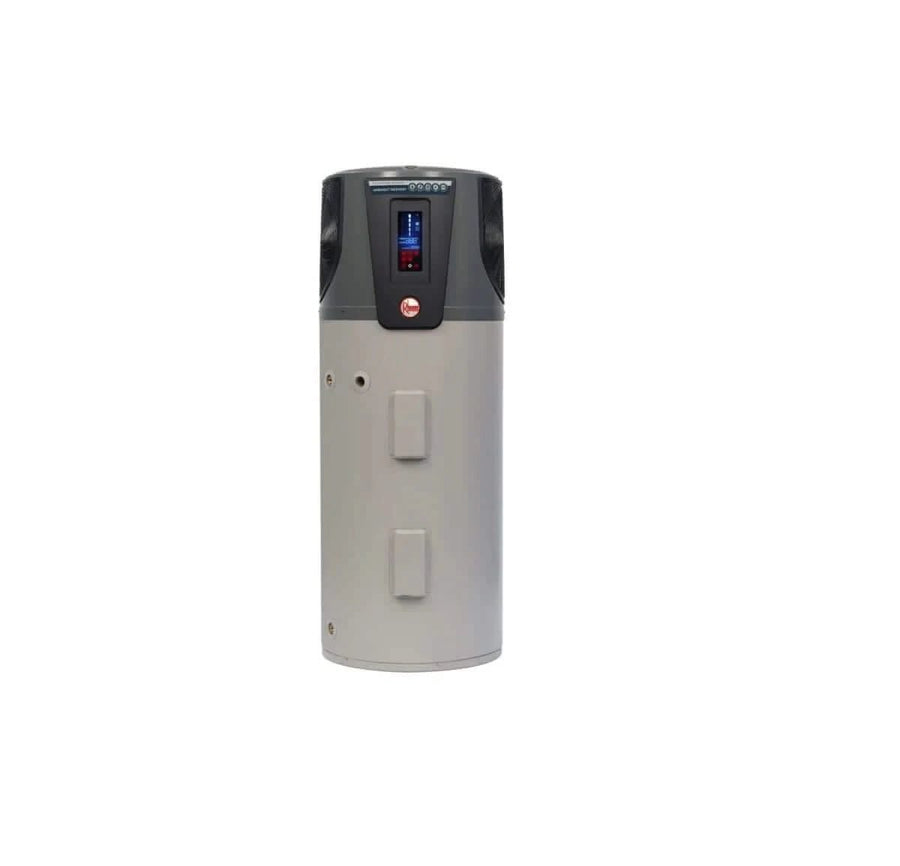
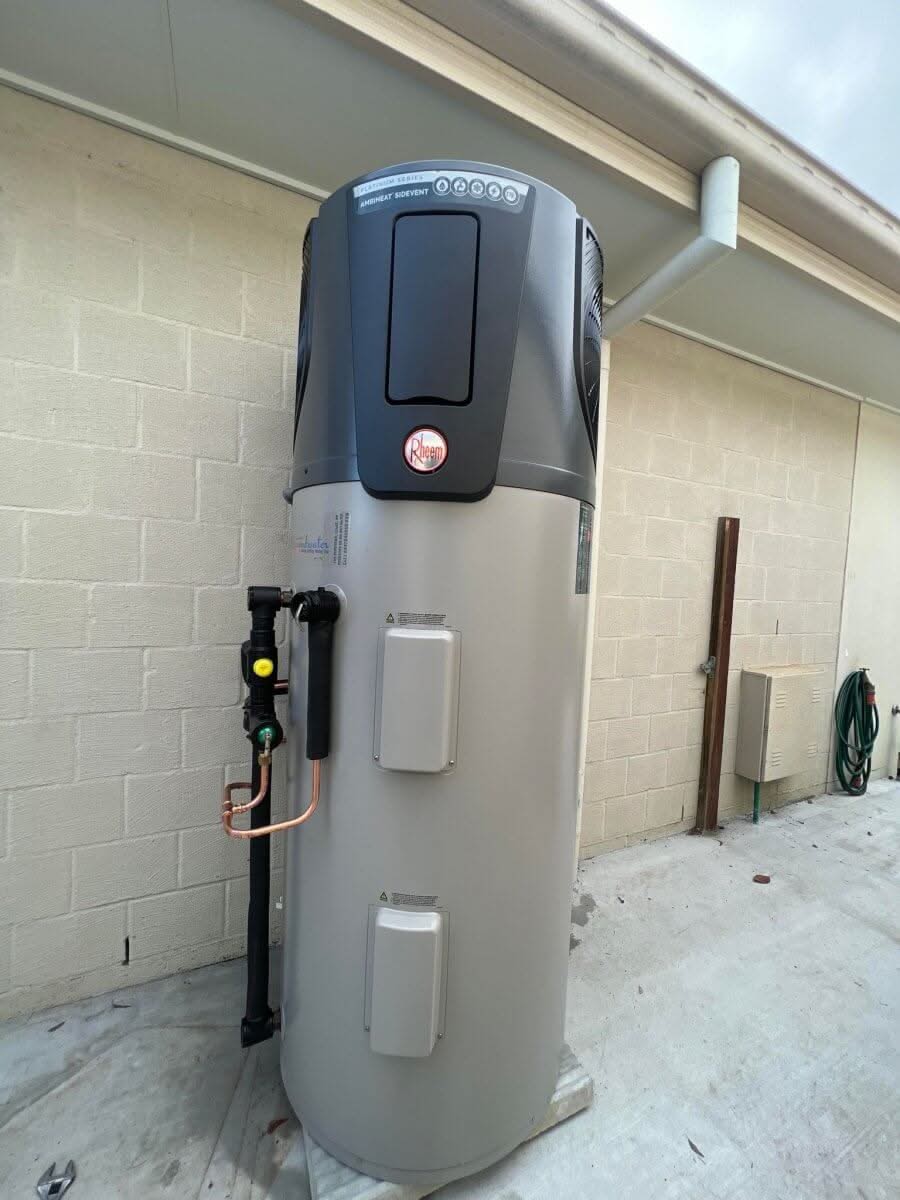
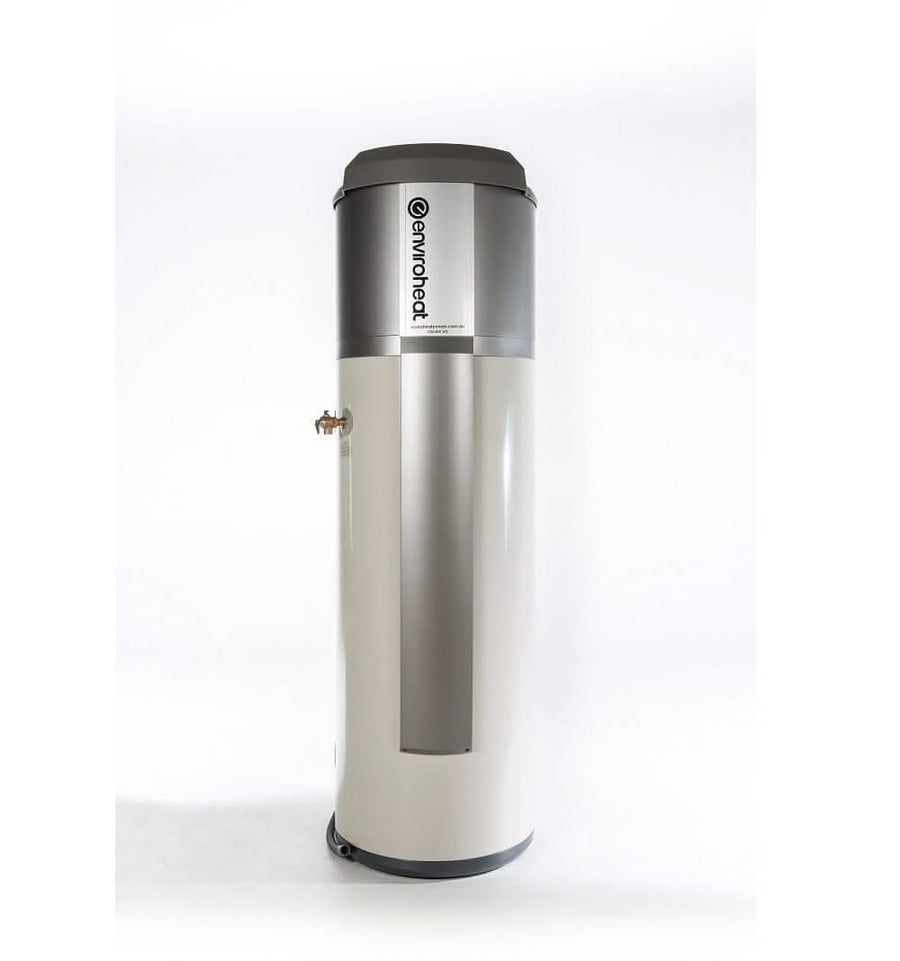
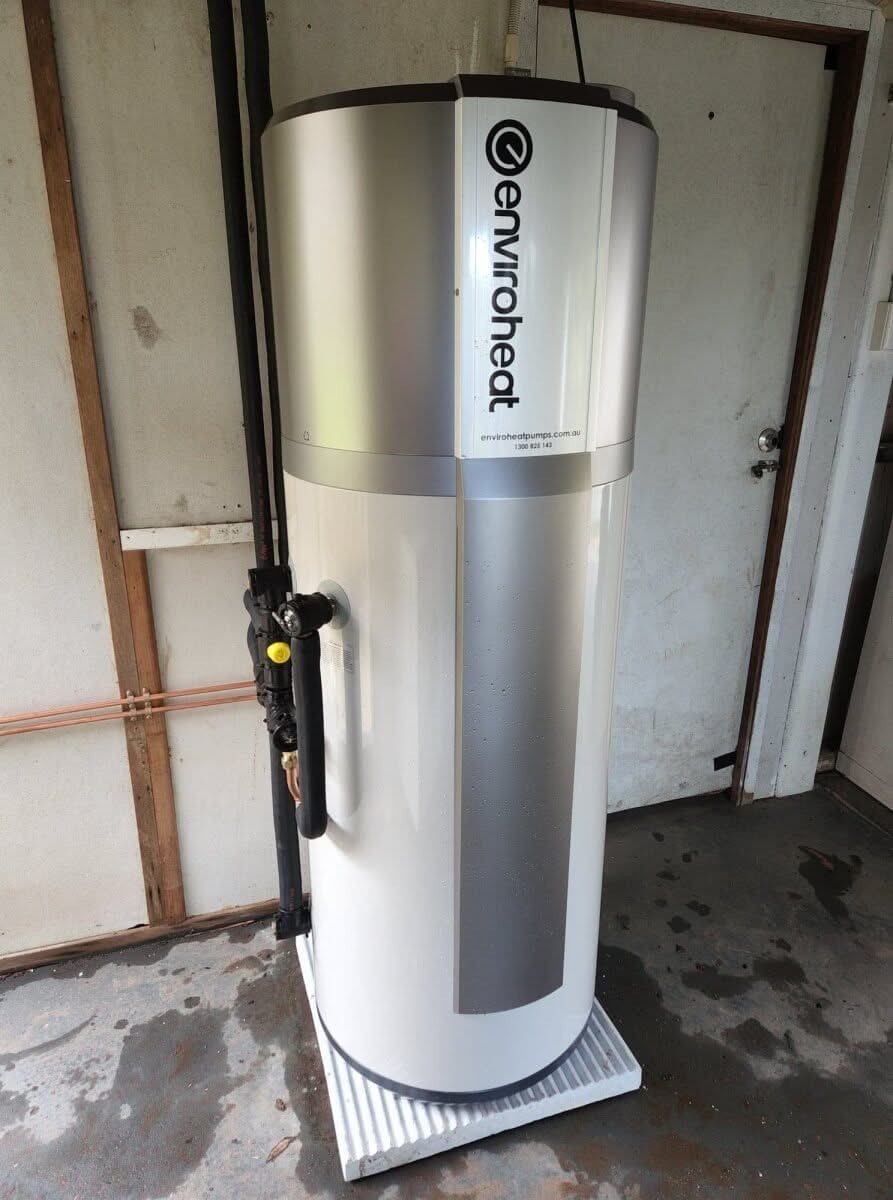
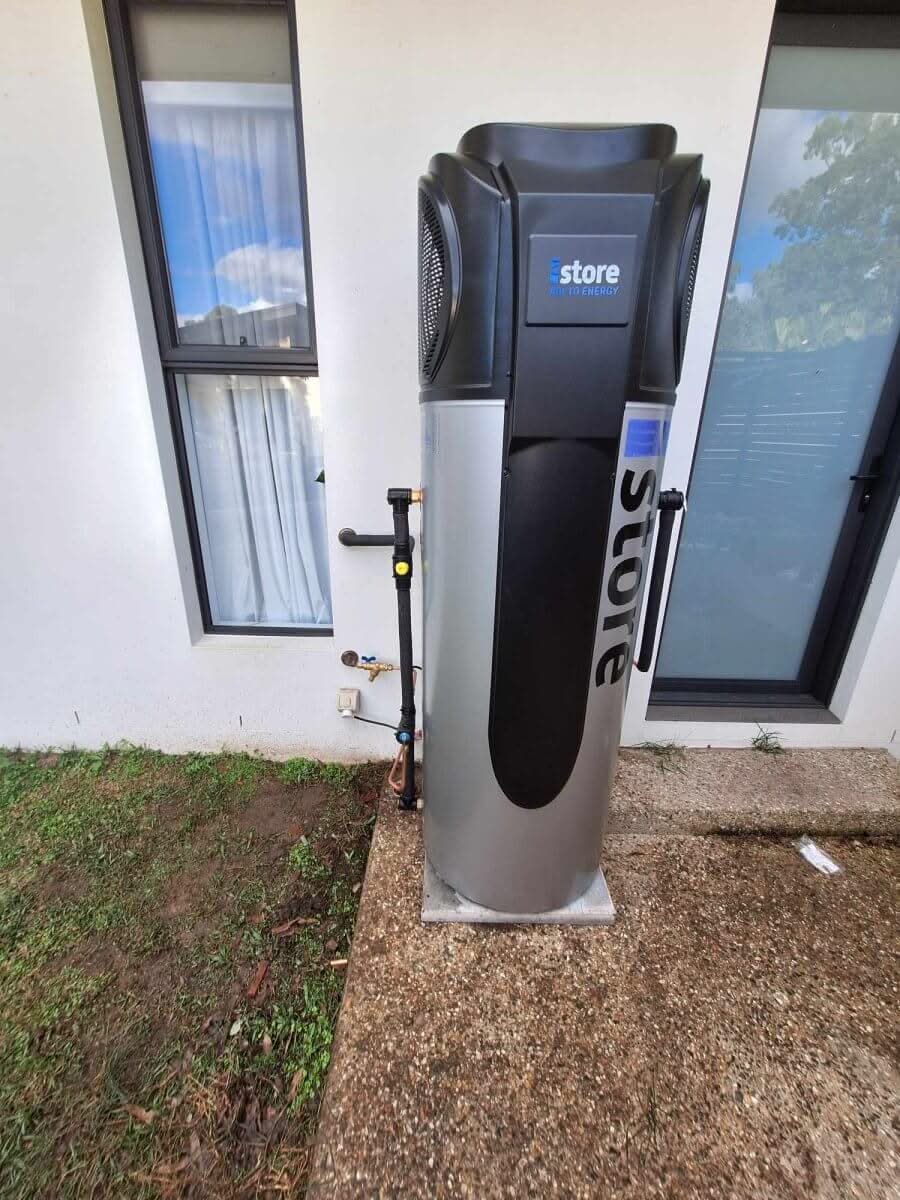
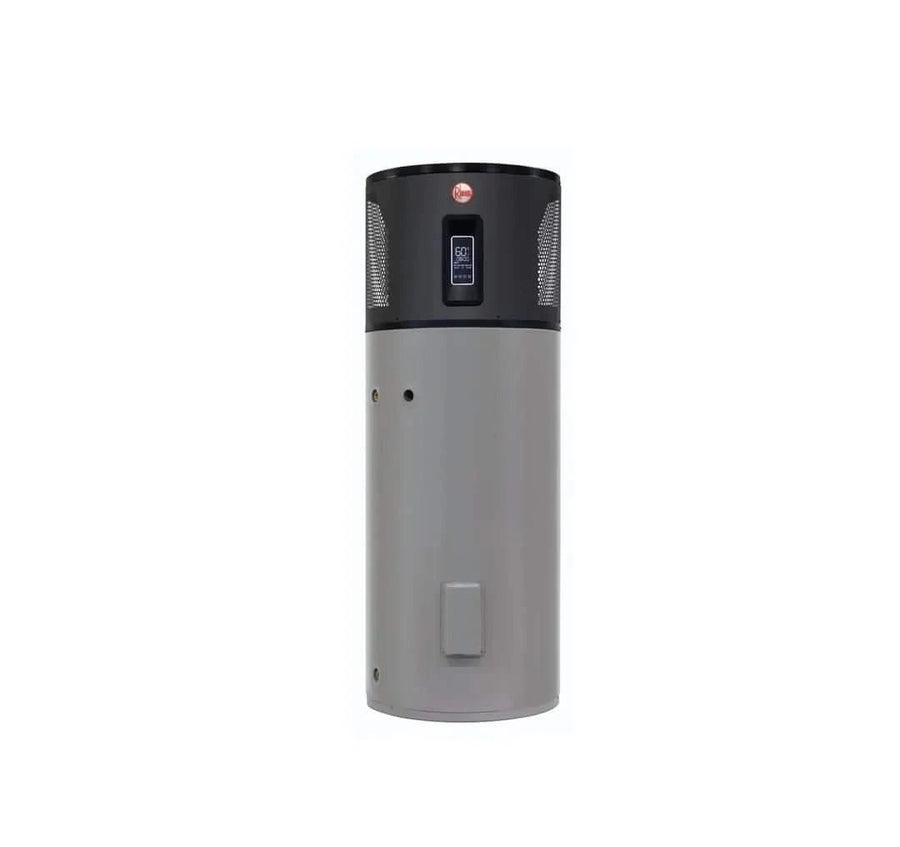
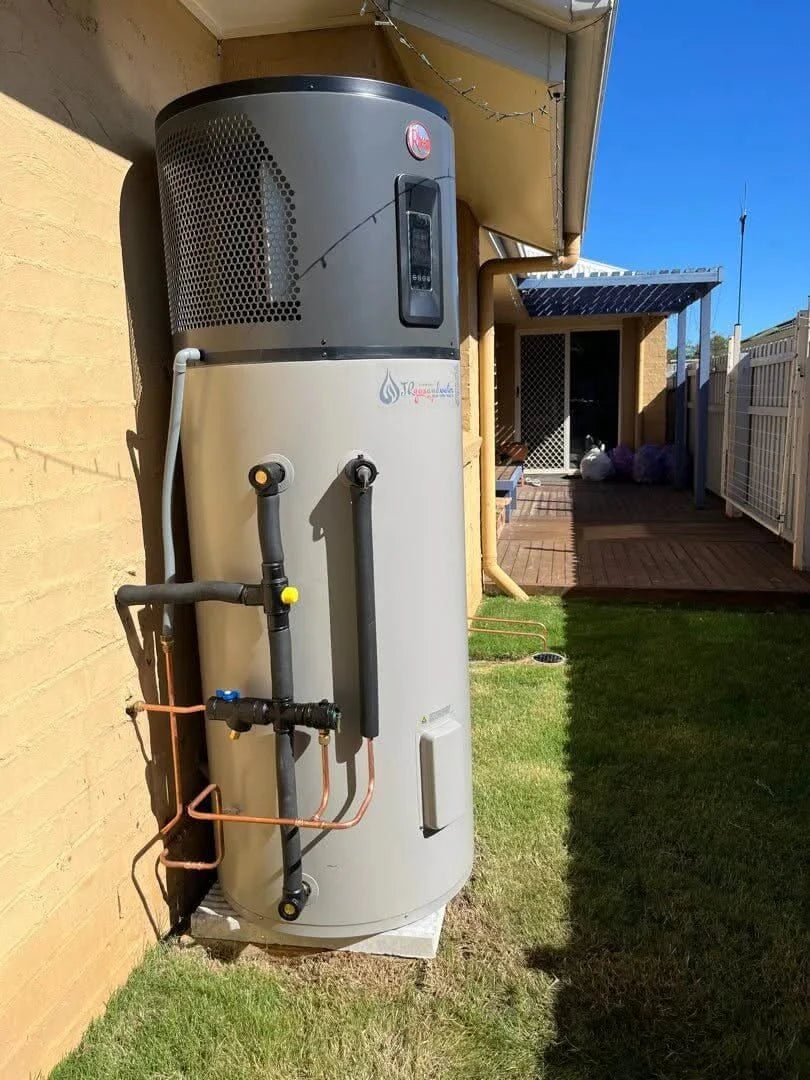
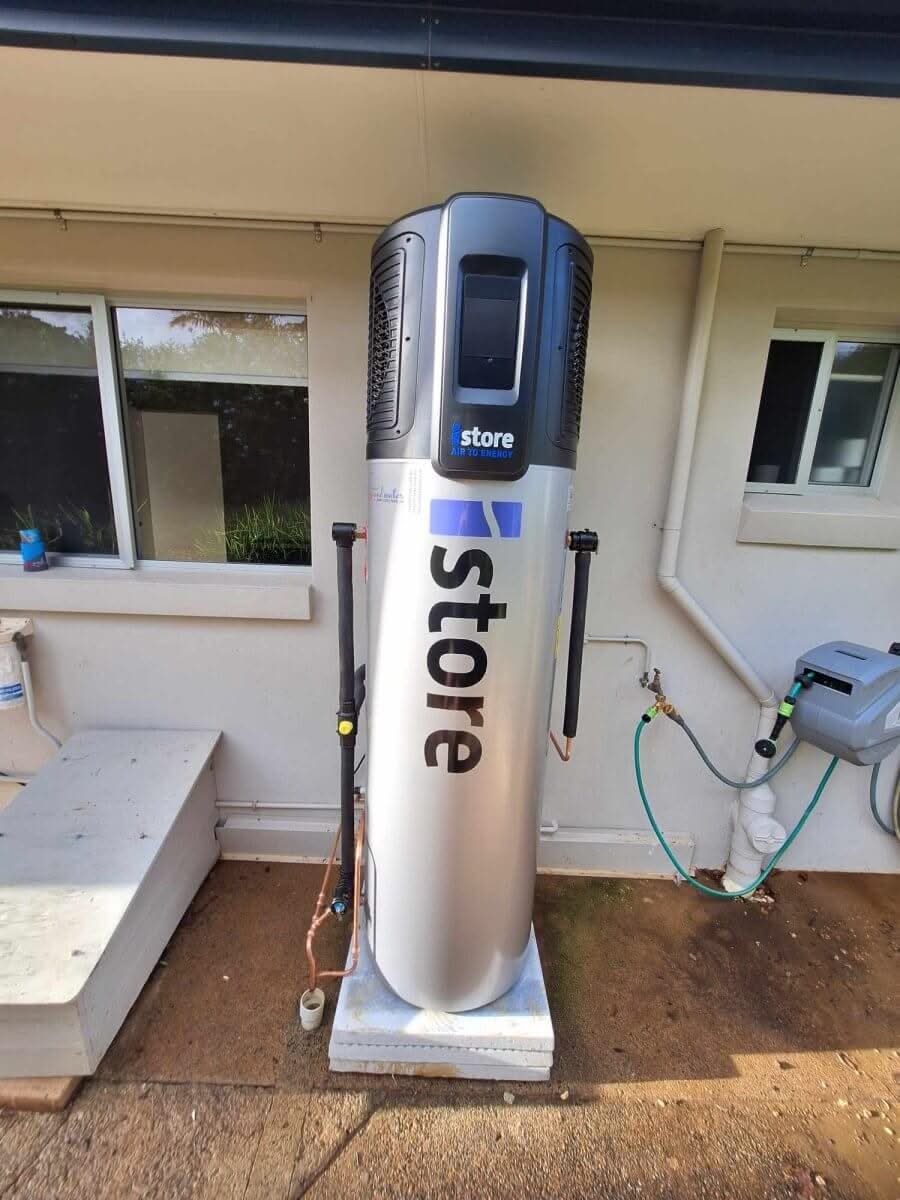
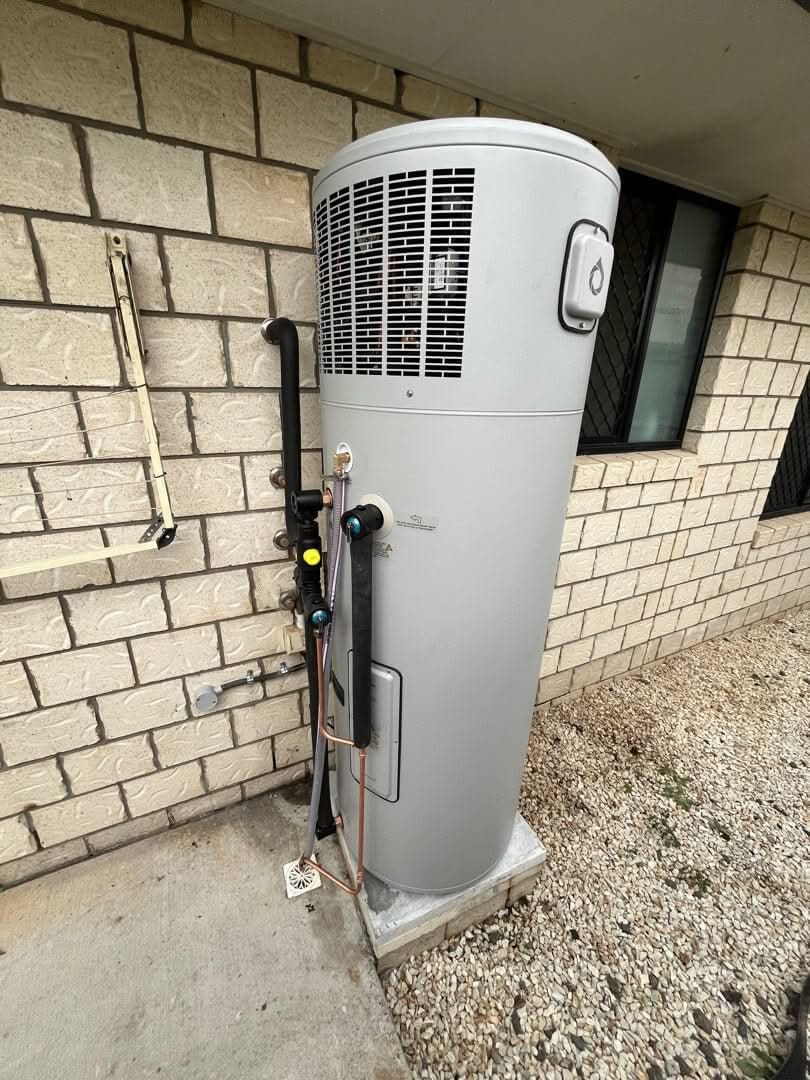
A heat pump hot water system is one of the main alternatives to solar hot water. It uses heat from the surrounding air to help heat stored water.
Heat pumps do not need roof-mounted solar collectors, which can make them a practical alternative where roof access, shading or collector placement is difficult.
| Option | Upfront Cost Factors | Best Suited To | Key Checks |
|---|---|---|---|
| Solar hot water | Collectors, tank, booster, roof work, pipework | Homes with suitable roof space and sun exposure | Roof orientation, shading, booster, roof access |
| Heat pump hot water | Tank, compressor, electrical setup, drainage | Homes with suitable outdoor space and airflow | Airflow, condensate drainage, noise, electrical supply |
| Electric storage | Tank, valves, electrical supply | Simple replacements and homes without gas | Tank size, access, drainage, electrical setup |
| Gas hot water | Tank or instant gas unit, gas fitting, pipe sizing | Homes with natural gas or LPG | Gas type, gas pipe sizing, water pressure |
Heat pump hot water may be worth comparing if the solar hot water cost is high or the roof is not suitable.
Relevant heat pump categories include:
Popular heat pump options to compare include:
Solar Water Heating System Cost vs Electric Storage
Electric hot water systems are usually simpler than solar hot water systems because they do not require roof-mounted collectors.
Electric storage may suit:
-
Simple like-for-like replacements
-
Homes without gas
-
Rental properties
-
Homes with suitable tank space
-
Customers wanting a lower-complexity system
-
Properties where solar roof conditions are poor
Common electric storage categories include:
Popular electric storage systems include:
If your old electric system regularly ran out of hot water, do not automatically replace it with the same size.
Solar Water Heating System Cost vs Gas Hot Water
Gas hot water systems can suit homes already using natural gas or LPG.
Gas hot water options include:
-
Gas storage hot water
-
Instant gas hot water
-
Gas-boosted solar hot water, where suitable
Gas storage may suit homes that want a tank-style system. Instant gas hot water systems may suit homes wanting continuous flow hot water without a large storage tank.
Common gas categories include:
Popular gas hot water options include:
Natural gas and LPG models are different. Always select the correct gas type.
What Can Add to Solar Hot Water Installation Cost?
Solar hot water can involve more site-specific installation work than a standard tank replacement.
Cost add-ons may include:
-
Difficult roof access
-
Steep roof pitch
-
Tile roof work
-
Roof reinforcement
-
Crane or lifting requirements
-
Long pipe runs
-
Split-system pump and controller setup
-
Electrical booster work
-
Gas booster work
-
Gas pipe upgrades
-
New valves
-
Tempering valve upgrades
-
Pressure limiting valve upgrades
-
Drainage changes
-
Old tank removal
-
Old collector removal
-
Disposal
-
Compliance upgrades
-
Relocation of the system
-
Non-standard access
-
Roof plumbing or flashing work
This is why a solar water heating system cost can vary from home to home.
Roof Suitability for Solar Hot Water
Roof conditions are one of the biggest factors in whether solar hot water makes sense.
Before choosing solar hot water, check:
-
Roof orientation
-
Roof pitch
-
Shading from trees or neighbouring buildings
-
Collector location
-
Available roof space
-
Roof age and condition
-
Roof material
-
Structural suitability
-
Access for installation
-
Access for future maintenance
-
Distance to the storage tank
-
Whether the roof can support a close-coupled tank if required
A shaded or unsuitable roof may make a heat pump, electric or gas hot water system more practical.
Solar Hot Water and Booster Costs
Solar hot water systems usually need a booster to provide hot water when solar energy is not enough.
Booster options may include:
-
Electric booster
-
Gas booster
-
In-tank booster
-
Inline booster
-
Manual or automatic boosting, depending on system design
Booster setup can affect both upfront and ongoing costs.
Before choosing a booster, confirm:
-
Energy source
-
Existing electrical or gas supply
-
Correct gas type where relevant
-
Booster location
-
Control method
-
Household hot water demand
-
Installation requirements
-
Running cost expectations
A solar hot water system without a suitable booster may not meet household demand during poor solar conditions.
Solar Hot Water System Size and Household Demand
The right solar water heating system size depends on the household.
Consider:
-
Number of people in the home
-
Number of bathrooms
-
Shower length
-
Bath use
-
Kitchen use
-
Laundry use
-
Morning and evening demand
-
Whether multiple showers run at once
-
Existing system size
-
Whether the old system ran out of hot water
-
Roof collector capacity
-
Tank size
-
Booster capacity
Oversizing can increase upfront cost. Undersizing can leave the household short on hot water.
Solar Water Heating System Payback
Solar hot water may reduce the amount of grid electricity or gas used for water heating, but payback depends on the home and usage pattern.
Payback can be affected by:
-
Upfront system cost
-
Installation cost
-
Energy prices
-
Household hot water use
-
Solar collector performance
-
Booster use
-
Maintenance costs
-
Rebates or STCs
-
Roof conditions
-
How long you stay in the home
-
Whether another system type would have been cheaper overall
Avoid choosing solar hot water based only on advertised savings. The numbers should make sense for your specific household.
Rebates, STCs and Incentives
Solar hot water, heat pump hot water and some energy-efficient upgrades may be eligible for rebates, STCs or other incentives depending on the product, location, supplier pathway and current program rules.
These incentives can change.
Before relying on any rebate or discount, confirm:
-
Whether the selected product qualifies
-
Whether your property qualifies
-
Whether the old system type matters
-
Whether supply-only purchases are eligible
-
Whether an approved supplier or installer is required
-
Whether pre-approval is needed
-
Whether the incentive is applied upfront or claimed later
-
Whether the rebate or STC value is already included in the price
A rebate can improve value, but the system still needs to suit the home.
Maintenance Costs for Solar Water Heating Systems
Solar hot water systems need maintenance like any hot water system. Maintenance requirements vary by model, water quality, roof exposure and installation conditions.
Maintenance may include:
-
Checking collectors
-
Checking roof-mounted components
-
Checking valves
-
Checking for leaks
-
Checking the booster
-
Inspecting pipe insulation
-
Checking the sacrificial anode where applicable
-
Checking the pump and controller on split systems
-
Cleaning collectors where safe and practical
-
Following manufacturer servicing requirements
Do not climb on the roof or attempt plumbing, gas or electrical repairs yourself.
Maintenance should be factored into the real cost of ownership.
What Is Not Included in Supply-Only Hot Water Pricing?
For supply-only products, the listed product price generally covers the product only.
It does not usually include:
-
Installation labour
-
Plumbing alterations
-
Electrical work
-
Gas work
-
New valves
-
Pipework changes
-
Gas pipe upgrades
-
Drainage changes
-
Condensate drainage for heat pumps
-
Tempering valve upgrades
-
Pressure limiting valve upgrades
-
Expansion control valves
-
Old unit removal
-
Disposal
-
Compliance upgrades
-
Concrete bases or slab work
-
Flue kits unless listed
-
Temperature controllers unless listed
-
Solar collector removal
-
Roof work
-
Relocation of the system
-
Rebate administration
-
Site assessment
Always check the product page and confirm full site requirements with your licensed installer before ordering supply only.
Supply-Only vs Supplied-and-Installed
Installed Today offers supply-only ordering across major Australian metro areas. This can suit customers who already have a licensed installer organised and want to order the product online.
Supply-only may suit you if:
-
Your installer has confirmed the correct product
-
The system size suits your household
-
The energy source has been checked
-
The correct gas type has been selected where relevant
-
Electrical requirements have been checked
-
Water pressure has been reviewed
-
Roof, access and drainage are suitable
-
You understand what is not included in the product price
Selected supplied-and-installed options are available on eligible products in Brisbane and Gold Coast service areas. Availability depends on the product, address and installation requirements.
Before choosing a supplied-and-installed option, check exactly what is included and what may be extra.
Brisbane and Gold Coast Considerations
For Brisbane and Gold Coast homes, solar hot water may be worth comparing, but heat pump, electric and gas systems can also be practical depending on the property.
Common local considerations include:
-
Strong sun exposure on suitable roofs
-
Shading from trees
-
Roof orientation
-
Roof pitch
-
Tight side access
-
Replacing older electric storage systems
-
Comparing heat pump upgrades
-
Natural gas vs LPG availability
-
Gas pipe sizing for instant gas
-
Heat pump airflow and noise placement
-
Condensate drainage
-
Old unit removal and disposal
-
Whether selected products are eligible for supplied-and-installed options
A solar water heating system may look appealing, but the final decision should be based on roof conditions, cost, installation complexity and household demand.
When Solar Hot Water May Be Worth It
Solar hot water may be worth considering where:
-
The roof has strong sun exposure
-
Shading is minimal
-
The home has enough hot water demand
-
Roof access is suitable
-
The booster setup is practical
-
The household plans to stay long term
-
The installed cost makes sense
-
Rebates or STCs improve the value
-
Maintenance access is practical
Solar hot water can be a strong long-term option in the right home.
When Heat Pump Hot Water May Be Better
Heat pump hot water may be better where:
-
Roof access is difficult
-
The roof is shaded
-
The roof structure is unsuitable
-
You want to avoid roof-mounted collectors
-
Outdoor ground-level space is available
-
Airflow is suitable
-
Condensate drainage is manageable
-
Electrical supply is suitable
-
Noise placement is acceptable
A heat pump is not automatically better than solar hot water, but it can be easier to install in many homes.
When Electric or Gas May Be Better
Electric storage may be better where:
-
You need a simple like-for-like replacement
-
There is no gas
-
The budget is limited
-
Roof conditions are poor
-
Heat pump location is unsuitable
Gas hot water may be better where:
-
The home already uses natural gas or LPG
-
Gas pipe sizing is suitable
-
Outdoor location is available
-
Instant gas or gas storage better suits the household
-
You want a gas-style replacement
The best system depends on site suitability, not just energy type.
Common Mistakes When Comparing Solar Water Heating System Cost
Looking Only at Product Price
Solar hot water cost includes more than the tank and collectors. Installation, roof work, booster setup and old system removal can all affect the final price.
Ignoring Roof Conditions
A shaded, steep or difficult roof can make solar hot water more expensive or less effective.
Forgetting Booster Costs
Solar hot water still needs backup heating during cloudy weather or higher demand.
Assuming Rebates Are Guaranteed
Rebates, STCs and incentives can change and may depend on product, location and installer pathway.
Comparing Solar With Electric Storage Incorrectly
Solar may cost more upfront but may use less grid energy. Electric storage may cost less upfront but could have different running costs.
Ignoring Heat Pump Alternatives
A heat pump may suit homes where roof-mounted solar collectors are not practical.
Forgetting Old Solar Collector Removal
Replacing an old solar hot water system can involve roof collector removal and disposal.
Buying Supply Only Before Installer Confirmation
Supply-only ordering should only happen once your installer confirms the product, site and installation requirements.
Before Ordering Checklist
Before choosing a solar water heating system or alternative hot water system, confirm:
-
Current system type
-
Current system size
-
Whether the old system ran out of hot water
-
Number of people in the home
-
Number of bathrooms
-
Shower habits
-
Peak hot water demand
-
Roof orientation
-
Roof shading
-
Roof pitch
-
Roof access
-
Roof structural suitability
-
Electric, natural gas or LPG availability
-
Booster type
-
Electrical requirements
-
Gas pipe sizing where relevant
-
Water pressure
-
Heat pump airflow and drainage if comparing heat pumps
-
Outdoor or indoor suitability
-
Access for delivery and installation
-
Drainage and overflow requirements
-
Whether new valves may be needed
-
Whether old unit removal is included
-
Whether solar collector removal is needed
-
Whether disposal is included
-
Whether rebates or STCs may apply
-
Whether supply-only affects rebate eligibility
-
Whether supply-only or supplied-and-installed is the right option
-
Installer confirmation before buying supply only
Frequently Asked Questions
How much does a solar water heating system cost?
Solar water heating system cost varies depending on the collector type, tank size, booster, roof access, installation complexity, old system removal and whether rebates or STCs apply.
Is solar hot water cheaper than heat pump hot water?
Not always. Solar hot water can cost more upfront because it may involve roof-mounted collectors and more complex installation. Heat pump hot water can be a practical alternative where outdoor space, airflow and drainage suit.
Is solar hot water cheaper than electric hot water?
Solar hot water may reduce grid energy use, but electric storage is often simpler and may cost less upfront. The better option depends on household demand, roof conditions and budget.
What is the cheapest hot water system to install?
A like-for-like replacement is often simpler than changing system type, but the cheapest upfront option is not always the best long-term choice.
Do solar hot water systems need a booster?
Yes, most solar hot water systems need an electric or gas booster for cloudy weather, high-demand use or lower solar gain periods.
Are solar hot water rebates available?
Rebates, STCs and incentives may be available depending on product, location and current program rules. Eligibility can change, so confirm before ordering.
Is solar hot water worth it?
Solar hot water may be worth it where the roof is suitable, the household uses enough hot water and the installed cost makes sense. It should be compared with heat pump, electric and gas options.
Can I install solar hot water myself?
No. Solar hot water systems involve plumbing, roof work, electrical or gas boosting, valves, water pressure and compliance requirements. Use licensed trades where required.
What is better, solar hot water or heat pump?
Solar hot water may suit homes with suitable roof space and sun exposure. Heat pump hot water may suit homes with outdoor space, airflow, drainage and electrical suitability.
Does supply-only hot water pricing include installation?
No. Supply-only generally means the product only unless installation is selected or clearly shown. Installation, valves, electrical work, gas work, pipework, drainage, removal, disposal and compliance upgrades are usually separate.
Final Word
Solar water heating system cost depends on more than the product. Roof access, collector type, tank size, booster setup, pipework, old unit removal, collector removal, valves, rebates and installation complexity can all change the final price.
Solar hot water may suit homes with good roof space and strong sun exposure, but heat pump, electric and gas hot water systems should also be compared. A heat pump may be more practical where the roof is shaded or difficult. Electric storage may suit simple replacements. Gas hot water may suit homes already using natural gas or LPG.
Before ordering supply only through Installed Today, confirm the selected product with your licensed installer. If choosing a supplied-and-installed option in an eligible Brisbane or Gold Coast service area, check exactly what is included before placing the order.