
Replacing a Hot Water System: How to Choose the Right Replacement Unit
Replacing a hot water system is not just a matter of buying the same model again. The right replacement depends on your household size, hot water usage, energy source, installation location, electrical or gas requirements, access, drainage, valves and long-term running cost goals.
For some homes, a standard electric storage system is the simplest replacement. For others, a gas storage system, instant gas unit or heat pump may be a better fit. The key is to compare the real cost and suitability before ordering, not just the product price.
Installed Today makes it easy to compare and order hot water systems online, with supply-only ordering available across major Australian metro areas and selected supplied-and-installed options available on eligible products in Brisbane and Gold Coast service areas.
Quick Answer: What Should You Replace Your Hot Water System With?
The best replacement hot water system is the one that matches your household demand, energy source and installation conditions.
As a general guide:
-
Electric storage hot water can suit straightforward replacements and homes without gas
-
Gas storage hot water can suit homes already set up for natural gas or LPG
-
Instant gas hot water can suit homes wanting continuous flow hot water where gas pipe sizing and water pressure are suitable
-
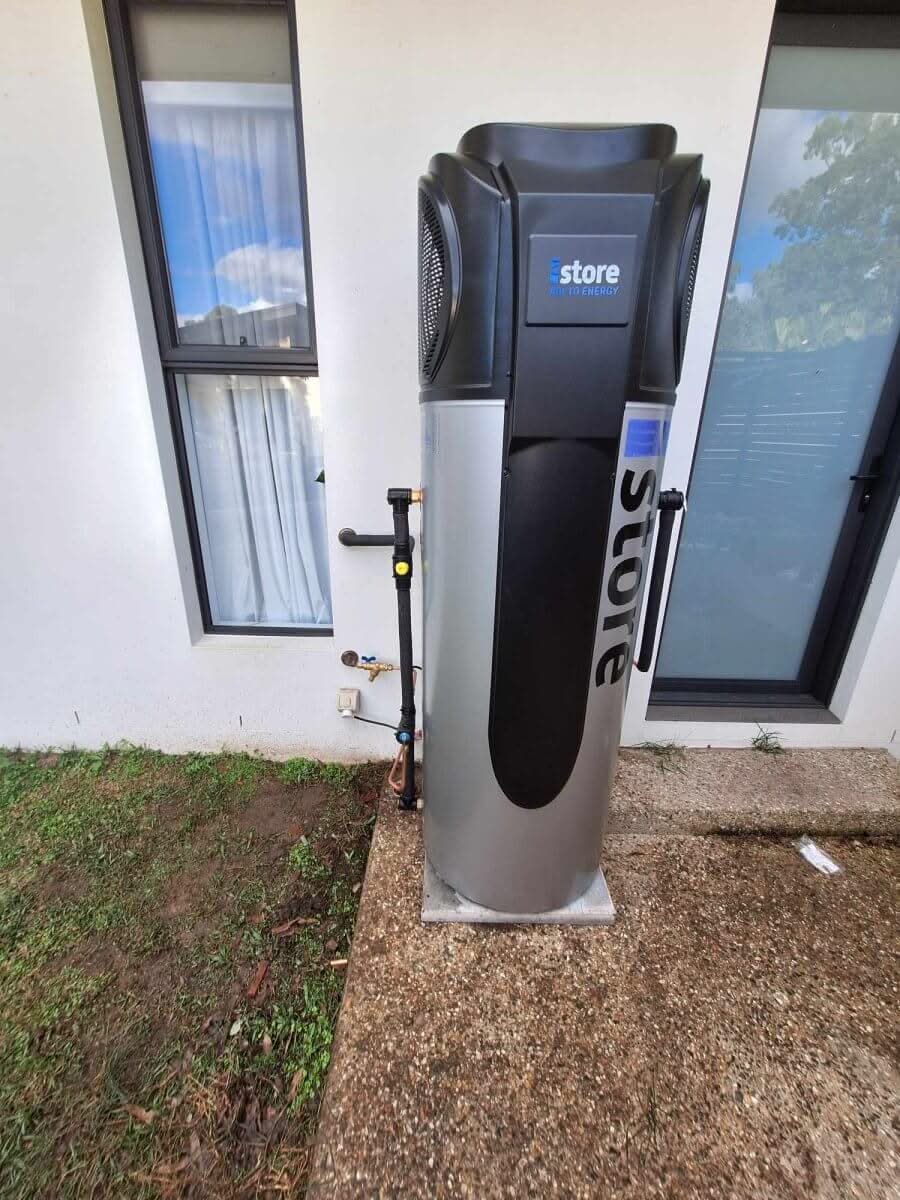
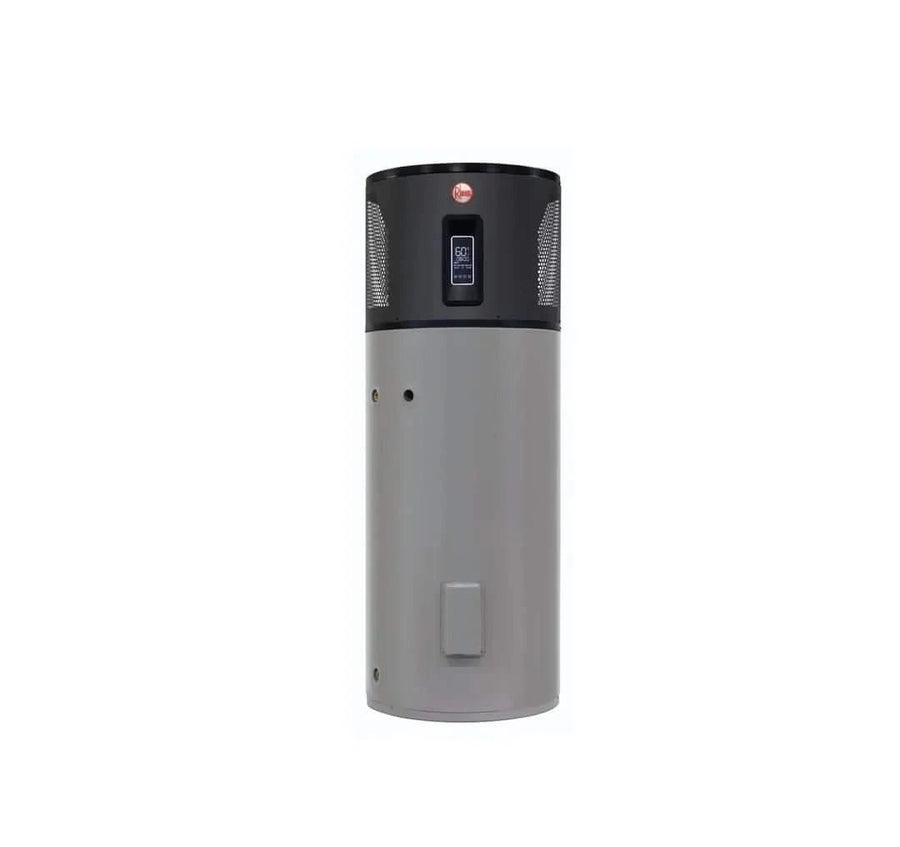
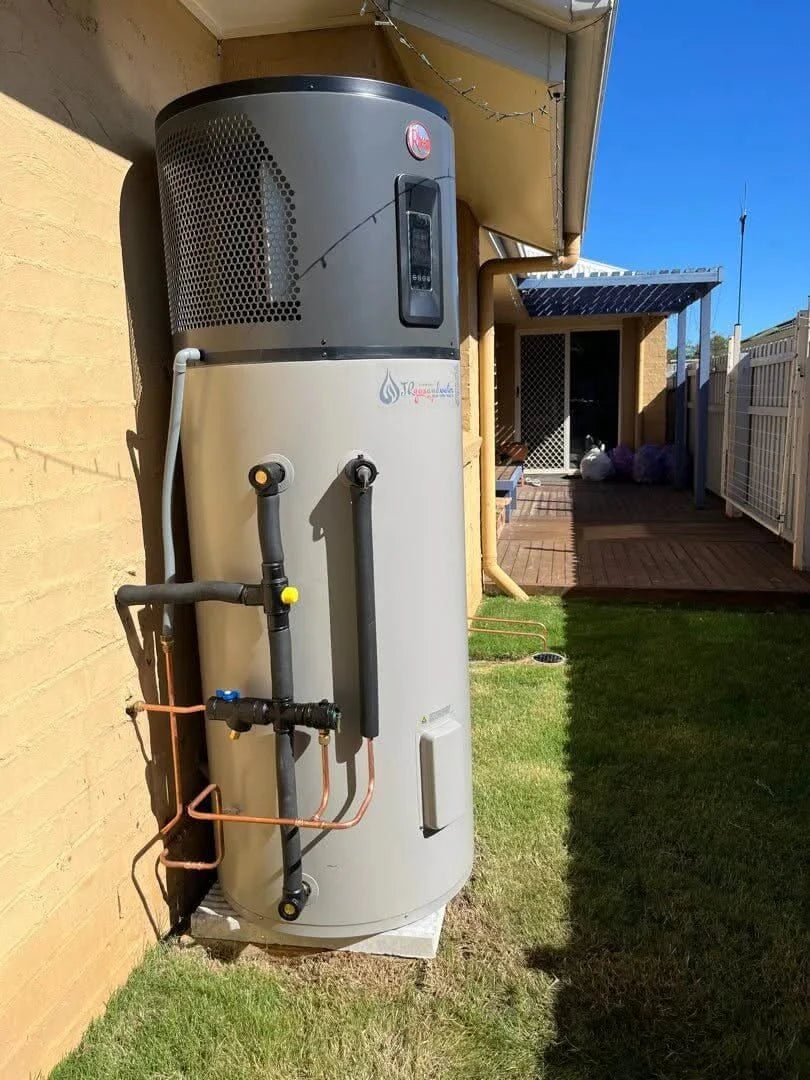
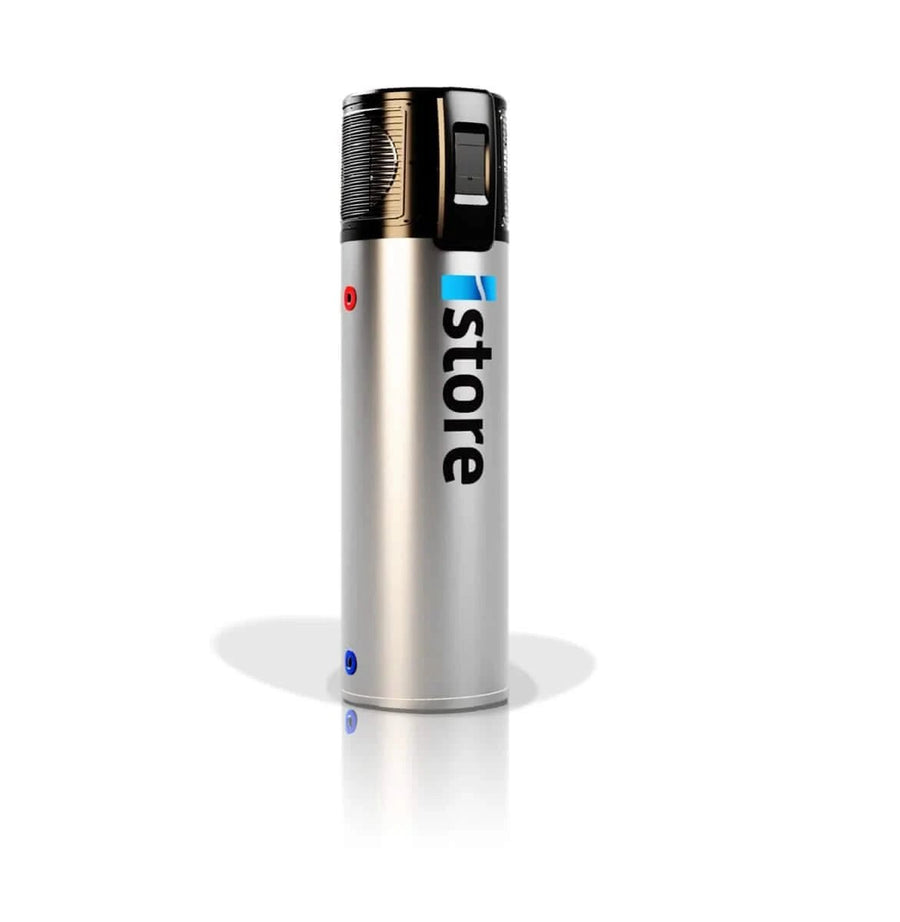
Heat pump hot water can suit efficiency-focused homes with suitable outdoor space, airflow and drainage
-
Instant electric hot water can suit small point-of-use applications, but may not suit whole-home demand
-
Solar hot water can suit homes with suitable roof space, sun exposure and booster planning
Before ordering a supply-only system, confirm the correct size, model, gas type, electrical requirements, access, valves, drainage and compliance requirements with your licensed installer.
Signs Your Hot Water System May Need Replacing
A hot water system often gives warning signs before it fails completely. If you notice any of the following, it may be time to compare replacement options.
The Tank Is Leaking
A leaking storage tank is one of the clearest signs that replacement may be needed. Small leaks can become bigger quickly and may damage floors, walls, surrounding structures or nearby electrical components.
A leaking tank usually cannot be repaired in a way that restores the system to long-term reliable operation.
Hot Water Runs Out Too Quickly
If your household regularly runs out of hot water, the system may be undersized, ageing or no longer recovering properly.
Do not automatically replace the old system with the same size if it was already failing to keep up. You may need a larger electric storage unit, a different gas option or a heat pump with suitable capacity.
Common electric storage replacement sizes include 250L electric hot water systems, 315L electric hot water systems and 400L electric hot water systems.
Water Temperature Is Inconsistent
Hot water that swings between too hot, lukewarm and cold may indicate a failing component, sediment buildup, thermostat issue or a system that can no longer handle demand.
A licensed plumber or electrician should assess the cause. If the system is old, replacement may be better value than repeated repairs.
Rusty or Discoloured Water
Rusty or brown water from hot taps can point to corrosion inside the tank or pipework. If the issue is coming from the hot water unit, it may be a sign the system is nearing the end of its life.
Unusual Noises
Rumbling, popping or banging noises can be linked to sediment buildup, heating issues or ageing components. Some noise issues can be serviced, but if the system is older or performing poorly, replacement may be the more practical option.
The System Is Old
Many storage hot water systems are replaced after years of service due to age, leaks, declining performance or efficiency concerns. Age alone does not always mean immediate replacement, but an older unit with performance issues should be reviewed before it fails unexpectedly.
Repair Costs Are Adding Up
If the unit needs regular repairs, replacement may be more economical. This is especially true if the system is old, inefficient, leaking, undersized or no longer suits the household.
Should You Replace Like-for-Like?
A like-for-like replacement can be practical when the old system worked well, the household demand has not changed and the installation location remains suitable.
However, replacing like-for-like may not be the best choice if:
-
The old system ran out of hot water
-
Energy bills were too high
-
Household size has changed
-
More bathrooms have been added
-
The old location is no longer suitable
-
The existing setup needs compliance upgrades
-
You want to move from electric storage to heat pump
-
You want to move from storage to instant gas
-
Natural gas or LPG availability has changed
-
You want to use rooftop solar more effectively
Before ordering the same model or same size, compare the alternatives.
Main Replacement Hot Water System Options
Electric Hot Water Systems
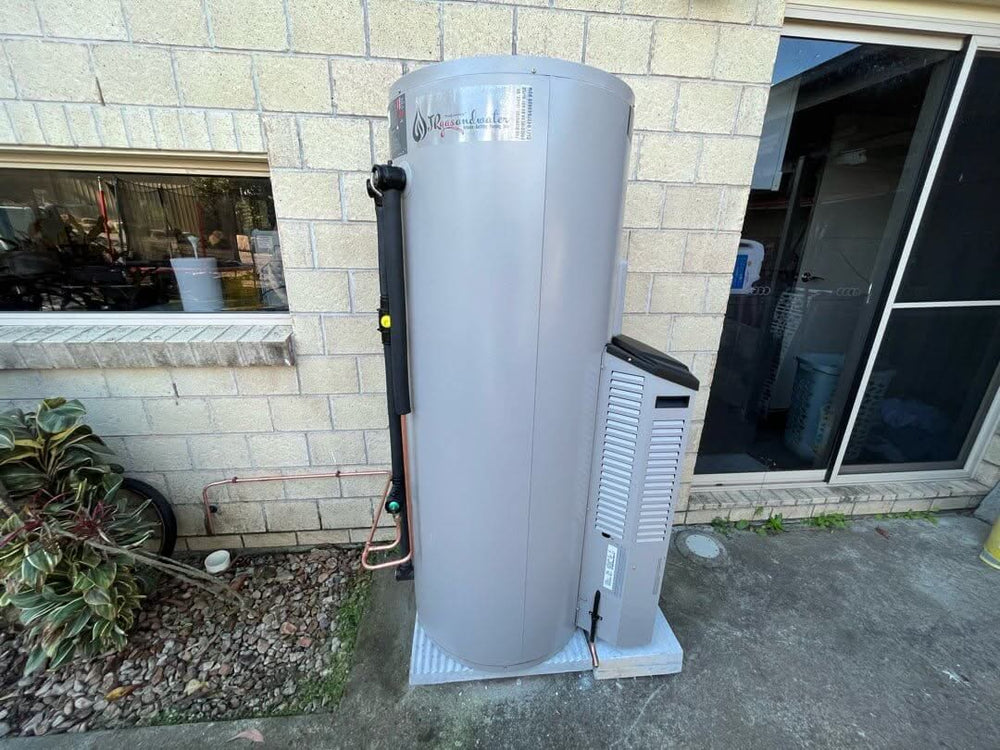
Electric hot water systems are common in Australian homes and can be one of the simplest replacement options where the existing unit is already electric.
Electric storage systems heat water inside a tank and keep it ready for use. They are familiar, widely available and suitable for many homes without gas.
Electric storage can suit:
-
Homes without natural gas or LPG
-
Like-for-like replacements
-
Rental properties
-
Homes with existing electric hot water wiring
-
Small, medium and large households
-
Customers wanting a straightforward storage system
Popular electric storage options include:
Electric storage may cost less upfront than heat pump options, but running costs should be compared carefully, especially for larger households.
Gas Hot Water Systems
Gas hot water systems can suit homes already set up for natural gas or LPG.
Gas systems are commonly split into:
-
Gas storage hot water
-
Instant gas hot water
Gas work must be completed by a licensed gas fitter. Natural gas and LPG units are not interchangeable, so the correct gas type must be selected before ordering.
Gas Storage Hot Water
Gas storage systems heat and store water in a tank. They can be a practical replacement option where the home already has gas and the household wants stored hot water ready to use.
Common gas storage categories include:
Product examples include:
Instant Gas Hot Water
Instant gas hot water systems, also called continuous flow systems, heat water as it passes through the unit. They do not store a full tank of hot water.
They can suit homes that:
-
Want continuous flow hot water
-
Have suitable natural gas or LPG supply
-
Want to save space compared with a storage tank
-
Have suitable outdoor installation space
-
Have enough gas pipe sizing and water pressure
-
Need a replacement from an older gas unit
Common instant gas sizes include 16L, 20L and 26L. Larger households often compare 26L instant gas hot water systems.
Popular instant gas options include:
A 26L gas unit can be a strong option for some family homes, but it must be supported by the property’s gas supply and water pressure. Bigger is not better if the site cannot support it.
External gas units are designed for outdoor installation unless the specific manufacturer model is approved for internal flued use.
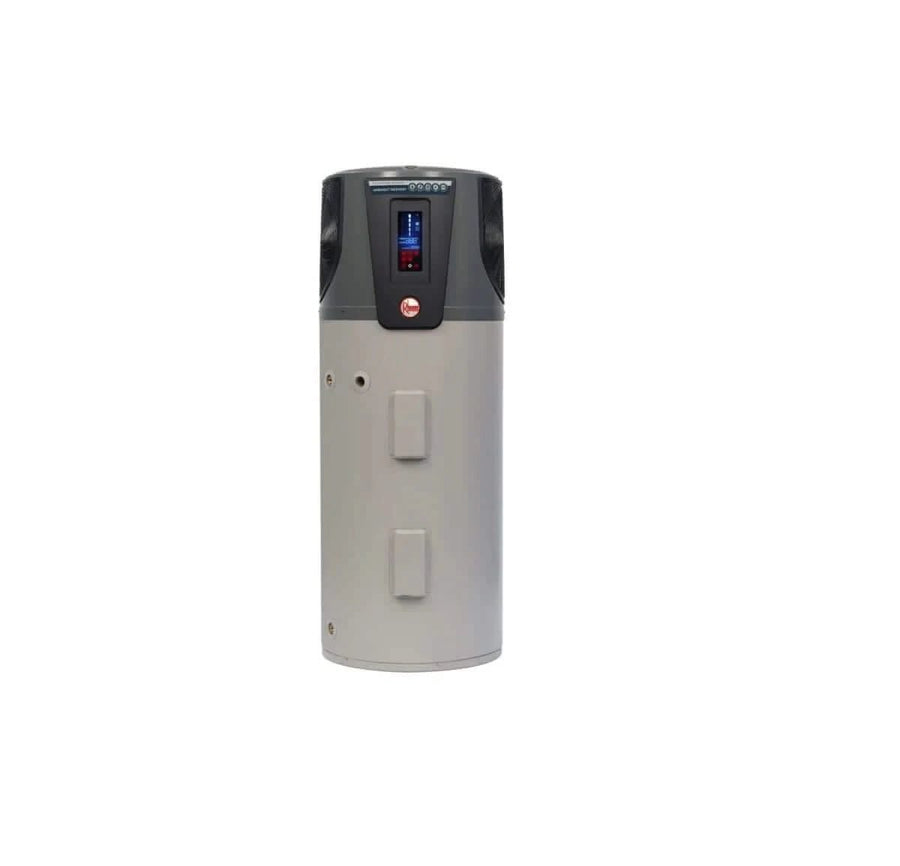
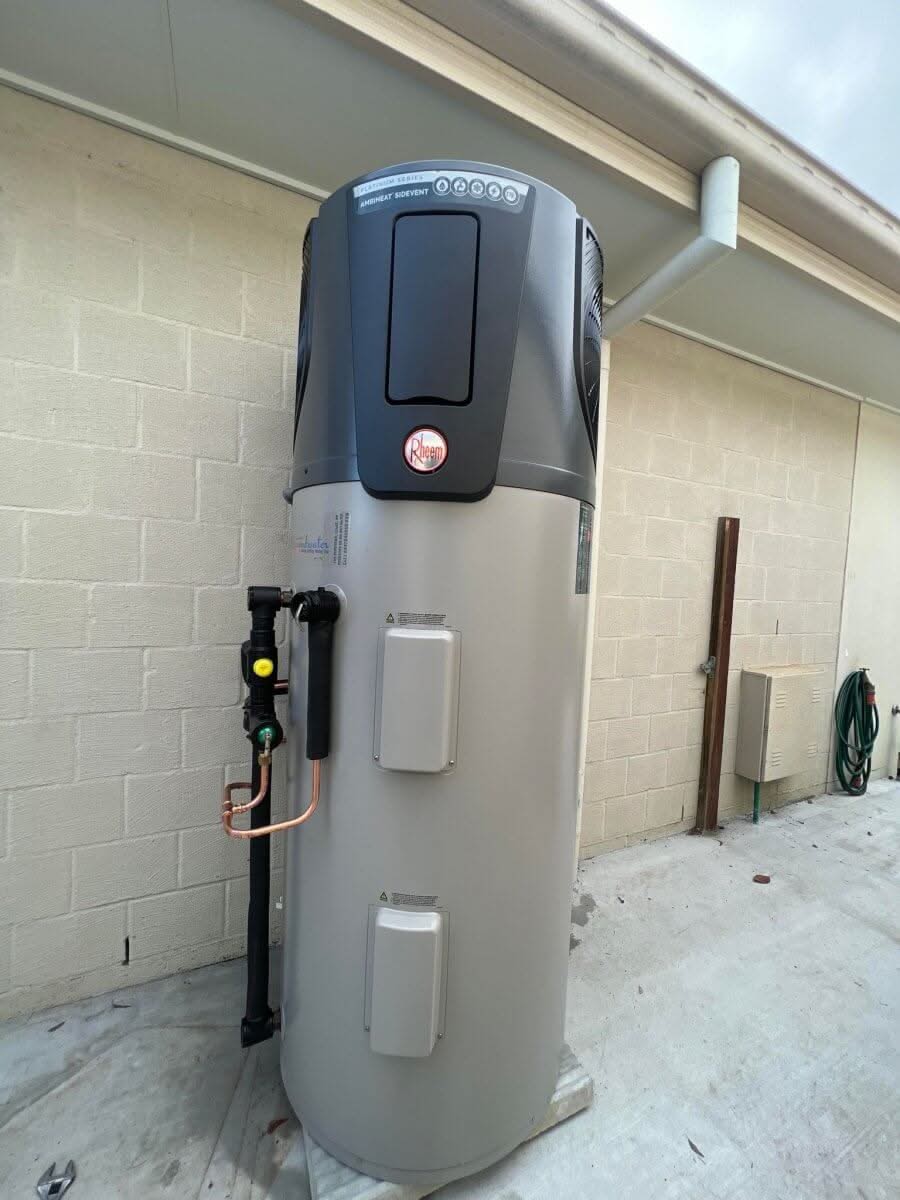
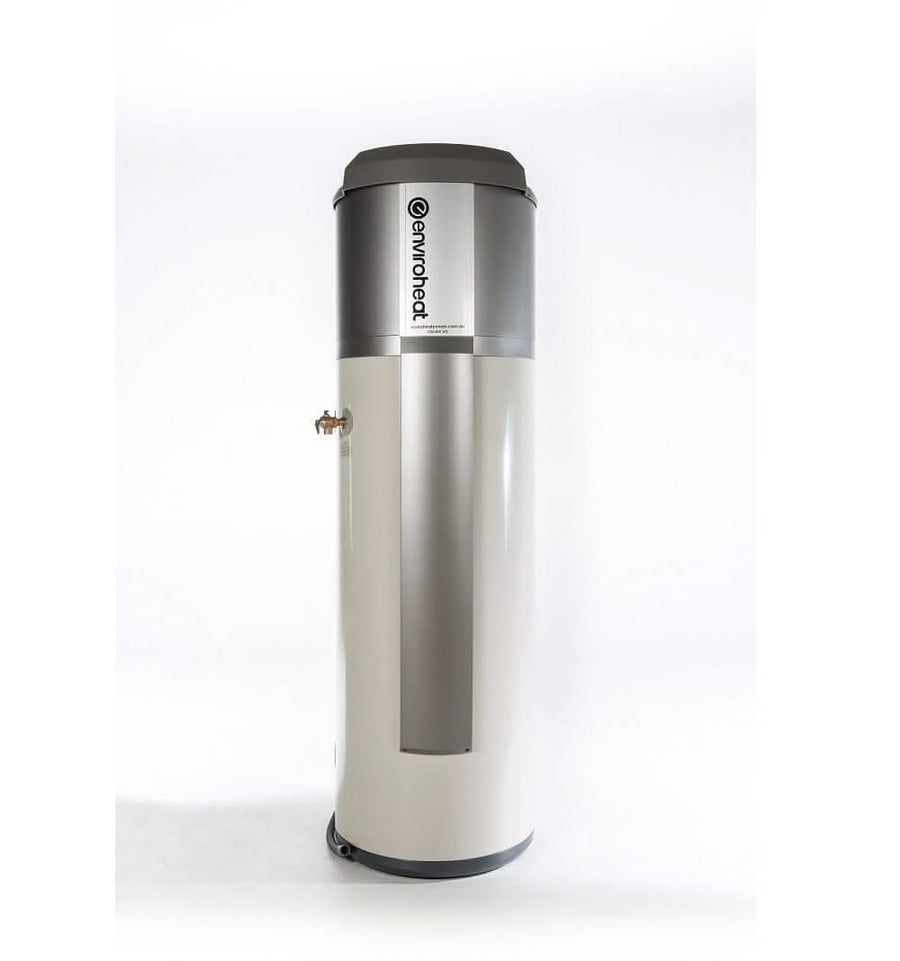
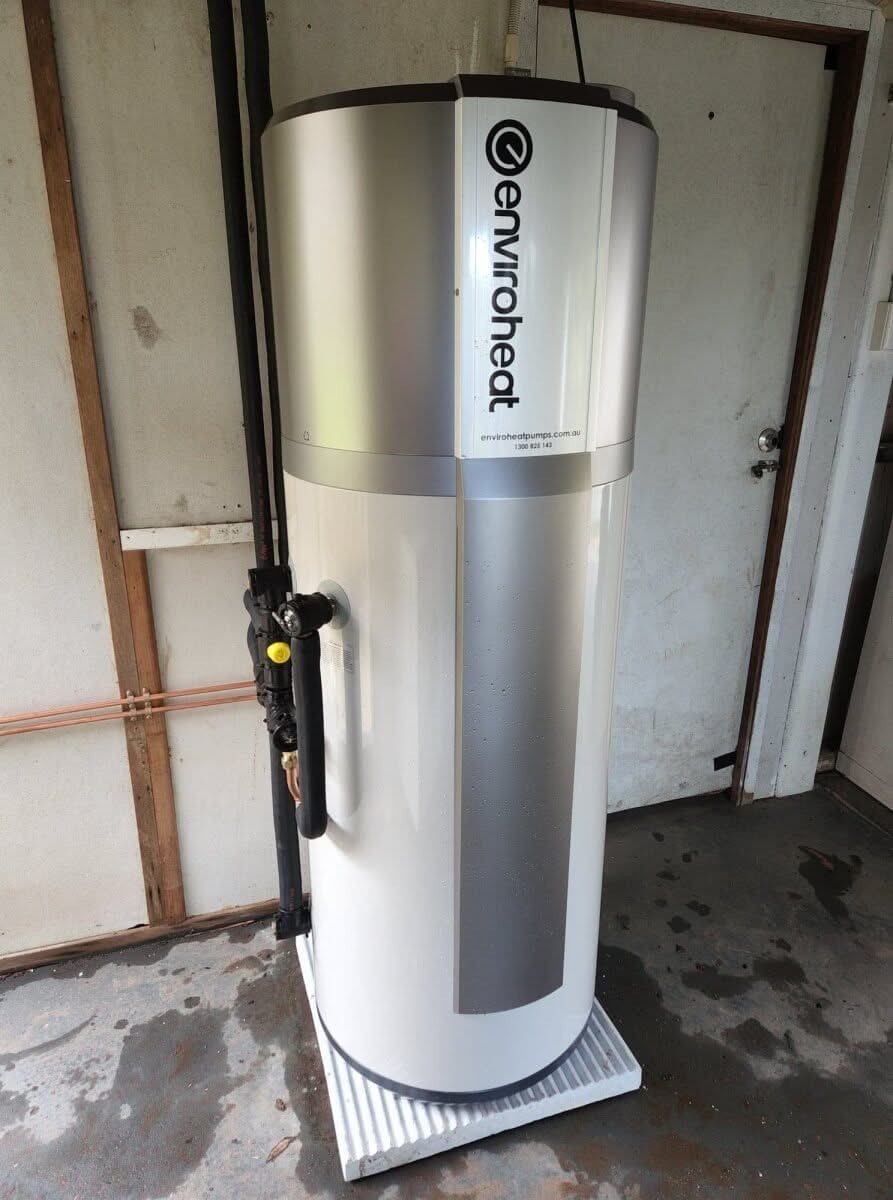
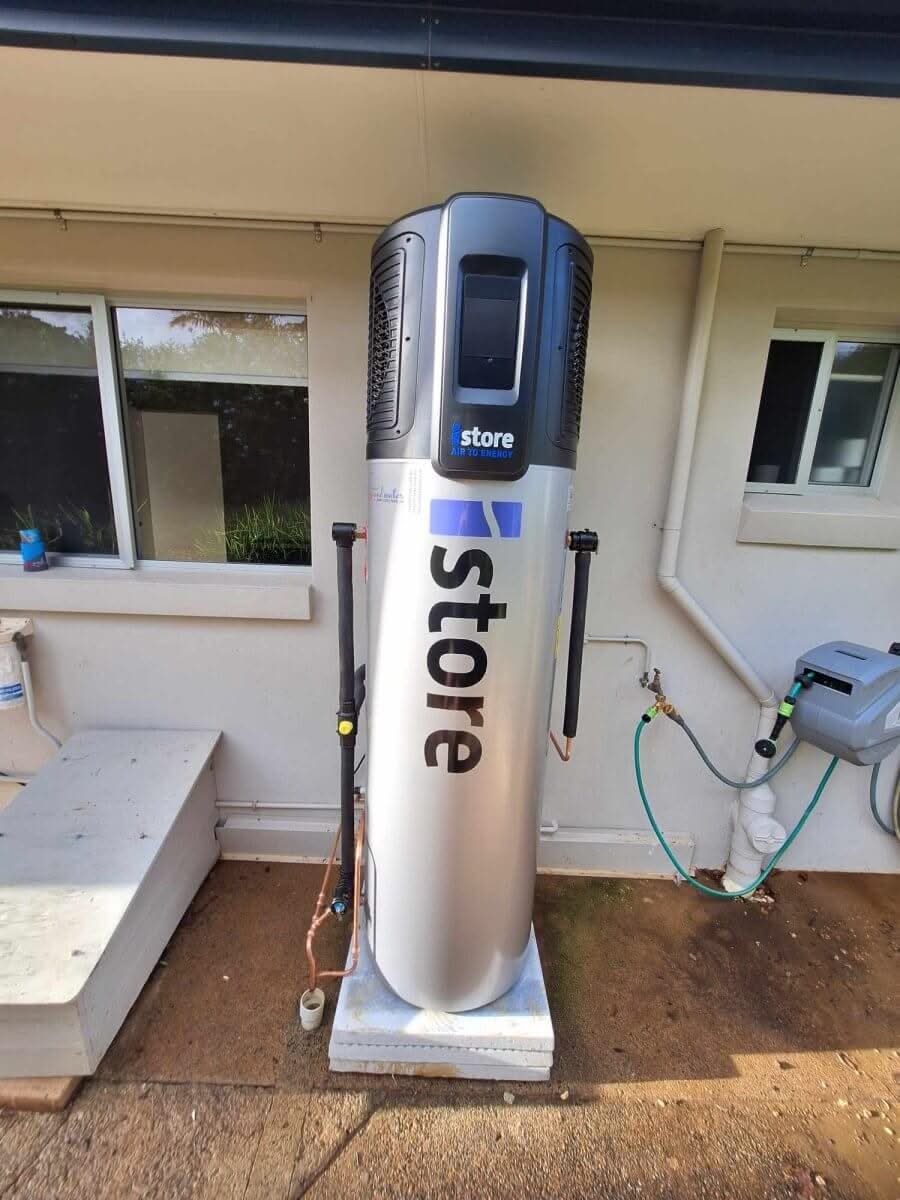
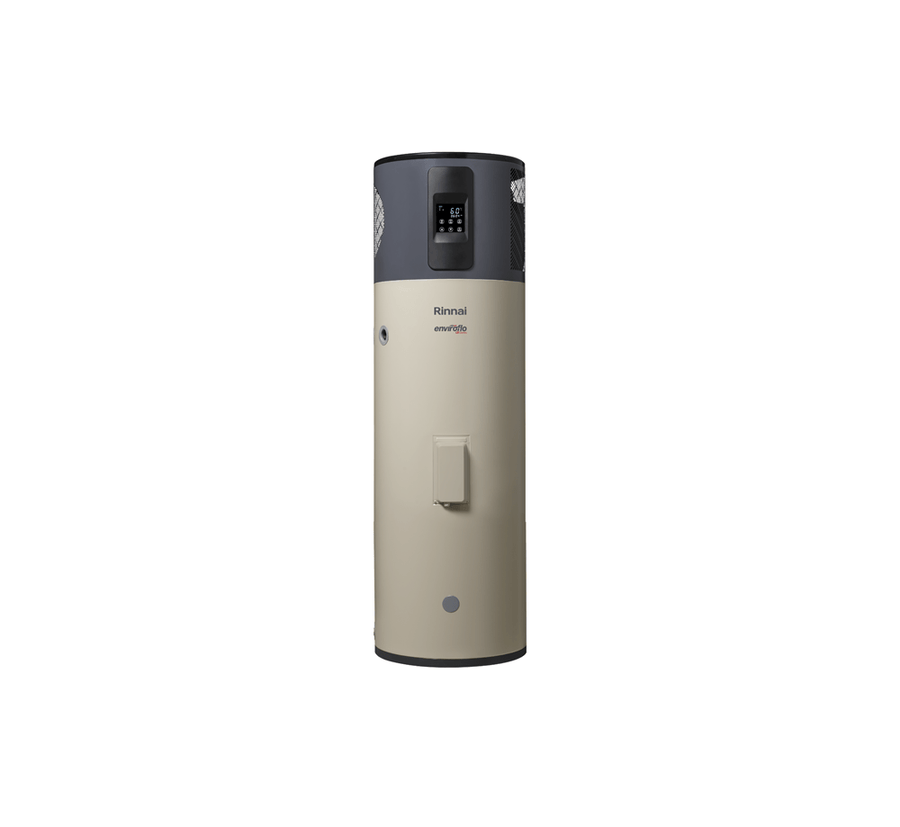
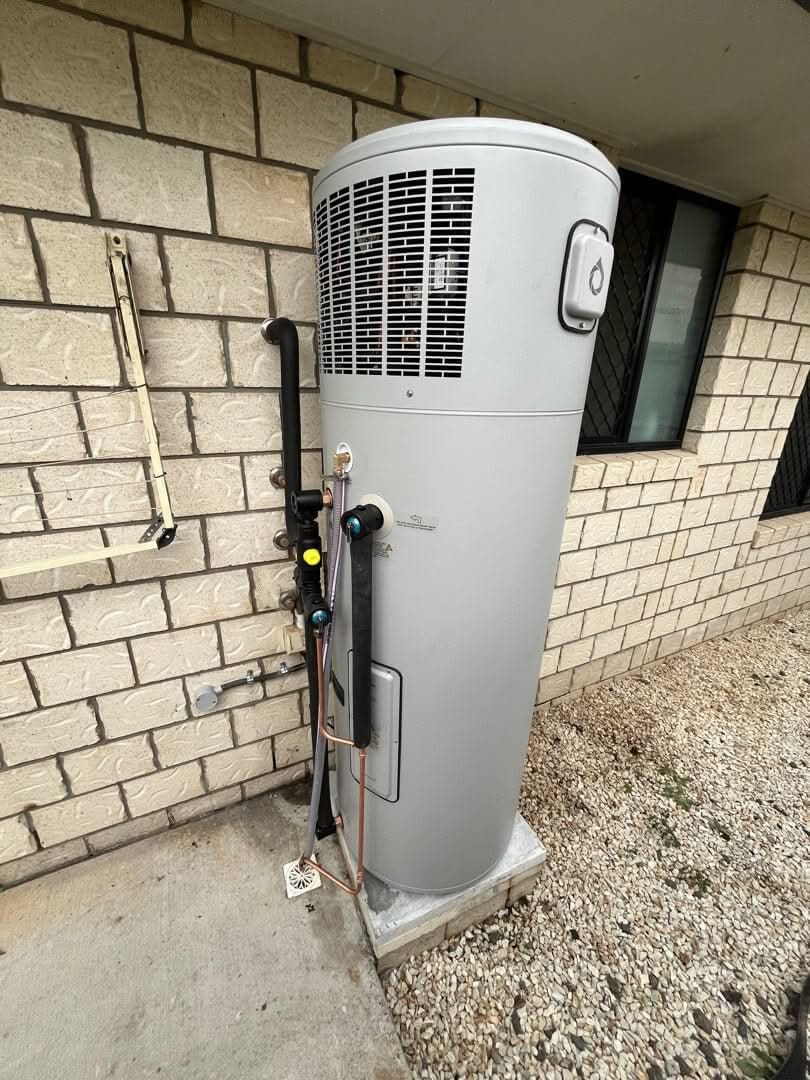
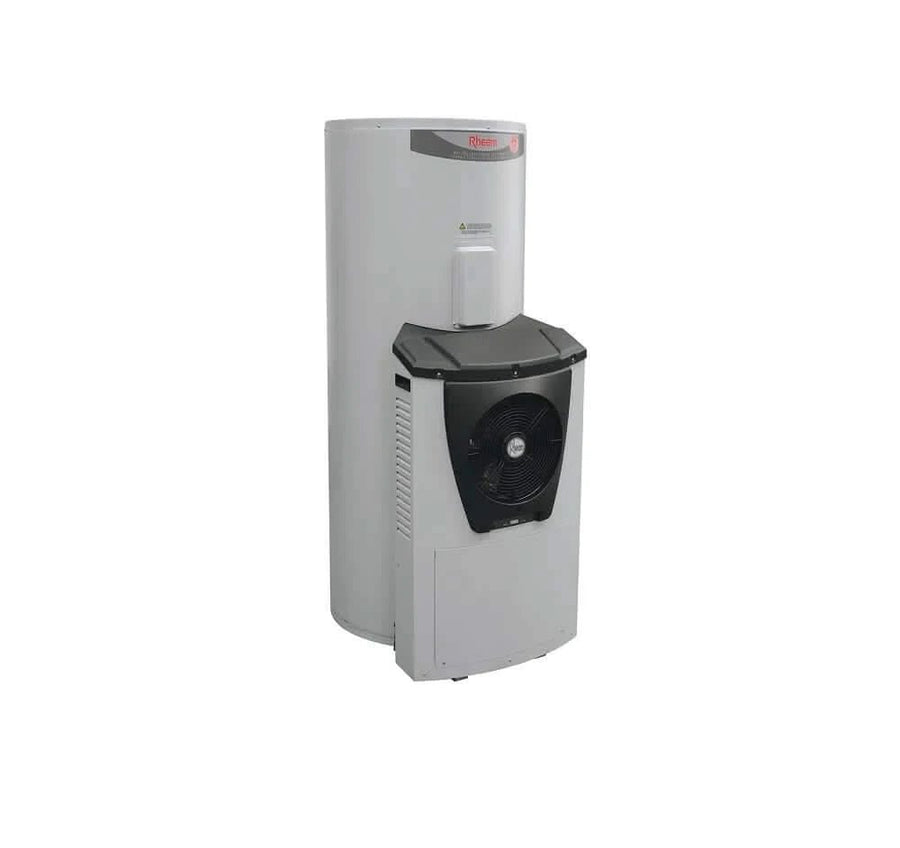
Heat Pump Hot Water Systems
A heat pump hot water system can be a strong replacement option where efficiency matters and the site suits the technology.
Heat pumps use heat from the surrounding air to help heat stored water. This can reduce electricity use compared with standard electric storage in the right conditions.
A heat pump may suit homes that:
-
Want to reduce hot water energy use
-
Have suitable outdoor space
-
Have clear airflow around the unit
-
Can manage condensate drainage
-
Have suitable electrical supply
-
Have a practical noise location
-
Want to use more daytime solar electricity where timer settings and household use suit
Heat pumps are not automatically best for every home. They need suitable airflow, drainage, access, outdoor placement and noise consideration.
Many family homes compare medium heat pump hot water systems 200L–280L, while larger homes may need to consider large heat pump hot water systems.
Popular heat pump options include:
Instant Electric Hot Water Systems
Instant electric hot water systems heat water on demand without storing a tank of hot water.
They may suit:
-
Small sinks
-
Compact kitchens
-
Offices
-
Granny flats
-
Low-demand fixtures
-
Point-of-use hot water
They are not always suitable for whole-home hot water because electrical demand can be high. A licensed electrician or installer should confirm whether the property can support the unit before ordering.
Solar Hot Water Systems
Solar hot water can suit homes with strong roof suitability, good sun exposure and the right booster setup. It can reduce grid energy use where conditions are suitable.
Solar hot water considerations include:
-
Roof orientation
-
Shading
-
Collector position
-
Tank location
-
Electric or gas booster setup
-
Frost protection where relevant
-
Maintenance needs
-
Upfront cost
-
Long-term household use
For some homes, a heat pump may be easier to compare than roof-mounted solar hot water, especially where roof space, shading or installation complexity are concerns.
Choosing the Right Replacement Size
Correct sizing is one of the most important parts of replacing a hot water system.
A system that is too small may run out of hot water. A system that is too large may cost more than necessary and may not be the most efficient option.
When choosing the replacement size, consider:
-
Number of people in the home
-
Number of bathrooms
-
Shower length
-
Bath use
-
Kitchen and laundry use
-
Whether multiple showers run at once
-
Peak morning or evening demand
-
Existing system size
-
Whether the old system ran out of hot water
-
Available energy source
-
Recovery rate of the new system
-
Installation space
For electric storage, many households compare 250L, 315L and 400L systems.
For heat pumps, many homes compare 250L to 280L systems, with larger households considering 280L-plus options.
For instant gas, common flow sizes include 16L, 20L and 26L.
Replacement Cost: What Affects the Real Price?
The cost of replacing a hot water system is not just the unit price.
The final cost can be affected by:
-
System type
-
Tank size or flow rate
-
Brand and model
-
Indoor or outdoor location
-
Access for removal and delivery
-
Existing pipework condition
-
Valve requirements
-
Electrical work
-
Gas work
-
Gas pipe sizing
-
Drainage and overflow requirements
-
Old unit removal
-
Disposal
-
Compliance upgrades
-
Base or slab requirements
-
Heat pump condensate drainage
-
Relocation of the system
For supply-only orders, the product price generally does not include installation, valves, electrical work, gas work, pipework changes, drainage, old unit removal, disposal or compliance upgrades unless selected or clearly shown on the product page.
Installation Checks Before Ordering Supply Only
Before ordering a replacement hot water system, your licensed installer should confirm:
-
The correct system type
-
The correct size or flow rate
-
Correct gas type, if choosing gas
-
Electrical requirements
-
Gas pipe sizing for instant gas
-
Water pressure
-
Installation location
-
Access for delivery and removal
-
Drainage and overflow points
-
Tempering valve requirements
-
Pressure limiting valve requirements
-
Expansion control valve requirements
-
Existing pipework condition
-
Frost exposure where relevant
-
Noise placement for heat pumps
-
Whether compliance upgrades are needed
This is especially important when changing system type, such as moving from electric storage to heat pump, gas storage to instant gas, or gas to electric.
Electric vs Gas vs Heat Pump Replacement
| Replacement Option | Best Suited To | Key Considerations |
|---|---|---|
| Electric storage | Simple replacement, homes without gas | Running costs may be higher than heat pump depending on tariff and usage |
| Gas storage | Homes with natural gas or LPG wanting stored hot water | Correct gas type and licensed gas fitting required |
| Instant gas | Homes wanting continuous flow hot water | Gas pipe sizing, water pressure and outdoor location matter |
| Heat pump | Efficiency-focused homes with suitable outdoor space | Needs airflow, drainage, access, electrical suitability and noise planning |
| Instant electric | Small point-of-use needs | Whole-home use may require significant electrical capacity |
| Solar hot water | Homes with suitable roof conditions | Roof space, booster setup and upfront cost need checking |
The best replacement is not always the same as the old system.
Brisbane and Gold Coast Replacement Considerations
For Brisbane and Gold Coast homes, replacement suitability often depends on access, drainage, existing valves, energy source and outdoor location.
Common local considerations include:
-
Older electric storage systems
-
Homes comparing electric storage with heat pump upgrades
-
Natural gas vs LPG availability
-
Outdoor gas unit positioning
-
Tight side access
-
Stormwater and overflow drainage
-
Heat pump airflow and noise placement
-
Ageing valves and pipework
-
Solar-friendly heat pump timing
-
Larger family hot water demand
Installed Today offers supply-only ordering across major Australian metro areas, with selected supplied-and-installed options available on eligible products in Brisbane and Gold Coast service areas.
Rebates, STCs and Incentives
Some replacement hot water systems, especially heat pumps and solar-style systems, may be eligible for rebates, STCs or other incentives depending on the product, location and current program rules.
These incentives can change, so check current eligibility before ordering or budgeting around a rebate.
A rebate may improve the value of an upgrade, but the system still needs to suit the home. Do not choose a product only because it has an incentive attached.
Brand Options to Compare
Installed Today stocks a range of major hot water brands, including:
Brand matters, but the right size, system type, installation location, gas type and site suitability matter more than brand alone.
Common Mistakes When Replacing a Hot Water System
Replacing the Same Size Without Checking Demand
If the old system ran out of hot water, the same size may not be enough.
Choosing Only by Upfront Price
A cheaper product may cost more long term if it is expensive to run or unsuitable for the household.
Ignoring Installation Extras
Valves, drainage, pipework, electrical work, gas work and compliance upgrades can all affect the real replacement cost.
Ordering the Wrong Gas Type
Natural gas and LPG units are different. They are not interchangeable.
Choosing a 26L Instant Gas Unit Without Checking the Site
A 26L instant gas unit can suit some family homes, but the gas pipe sizing and water pressure must support it.
Choosing a Heat Pump Without Checking Location
Heat pumps need airflow, drainage, access, outdoor space and appropriate noise placement.
Assuming Supply-Only Includes Installation
Supply-only generally means the product only unless installation is selected or clearly shown.
Supply-Only vs Supplied-and-Installed
Installed Today offers supply-only ordering across major Australian metro areas. This can suit customers who already have a licensed installer organised and want to order the product online.
Supply-only may suit you if:
-
Your installer has confirmed the correct product
-
You know the right size and model
-
The correct gas type has been selected
-
Electrical requirements have been checked
-
Access and drainage are suitable
-
You understand what is not included in the product price
Selected supplied-and-installed options are available on eligible products in Brisbane and Gold Coast service areas. Availability depends on the product, location and installation requirements.
Before Ordering Checklist
Before ordering a replacement hot water system, confirm:
-
Current system type
-
Current system size
-
Whether the old system ran out of hot water
-
Number of people in the home
-
Number of bathrooms
-
Shower habits
-
Peak hot water use
-
Available energy source
-
Natural gas or LPG, if choosing gas
-
Electrical requirements, if choosing electric or heat pump
-
Gas pipe sizing, if choosing instant gas
-
Water pressure
-
Heat pump airflow and drainage
-
Installation location
-
Access for removal and delivery
-
Drainage and overflow requirements
-
Whether new valves may be needed
-
Whether rebates or STCs apply
-
Whether supply-only or supplied-and-installed is the right option
-
Installer confirmation before buying supply only
Frequently Asked Questions
When should I replace my hot water system?
You may need to replace your hot water system if the tank is leaking, hot water runs out regularly, water temperature is inconsistent, rust appears, the system is noisy or repair costs are adding up.
Should I replace my hot water system with the same type?
Not always. Like-for-like replacement can be suitable if the old system worked well, but you should compare alternatives if it was too small, expensive to run or no longer suits the household.
What is the best replacement hot water system?
The best replacement depends on household size, energy source, installation location and budget. Electric storage, gas, instant gas and heat pump systems can all suit different homes.
Is a heat pump a good replacement for electric hot water?
A heat pump can be a good replacement where the home has suitable outdoor space, airflow, drainage, electrical supply and noise placement. It is not automatically right for every home.
Can I replace gas storage with instant gas?
Sometimes, but the gas pipe sizing, water pressure, location and correct gas type must be checked first. Gas work must be completed by a licensed gas fitter.
What size replacement hot water system do I need?
The right size depends on people in the home, bathrooms, shower habits, peak usage and whether the old system ran out. Many homes compare 250L, 315L or 400L electric storage, 250L to 280L heat pumps, or 16L to 26L instant gas systems.
Can I install a replacement hot water system myself?
No. Hot water systems involve plumbing, water pressure, valves, drainage, gas and electrical safety. Use licensed trades for installation.
What is not included in supply-only hot water pricing?
Supply-only pricing generally excludes installation, valves, electrical work, gas work, pipework changes, drainage, old unit removal, disposal and compliance upgrades unless selected or clearly shown.
Final Word
Replacing a hot water system is the best time to check whether the old unit still suits your home. A like-for-like replacement may be simple, but it is not always the best value if the system was undersized, inefficient or expensive to run.
Compare electric storage, gas storage, instant gas, heat pump and instant electric options before ordering. Check the right size, energy source, installation location, running cost and any rebate eligibility.
If buying supply only, confirm the product with your licensed installer first so the size, gas type, electrical requirements, access, drainage and compliance needs are correct before the system arrives.